eNewton Pearl Necklace Deep Dive: Quality, Sizing & Care
An expert technical review of the eNewton pearl necklace, analyzing freshwater pearl grades, 14k gold fill durability, sizing, and long-term care.

The Minimalist Pearl Standard in 2026
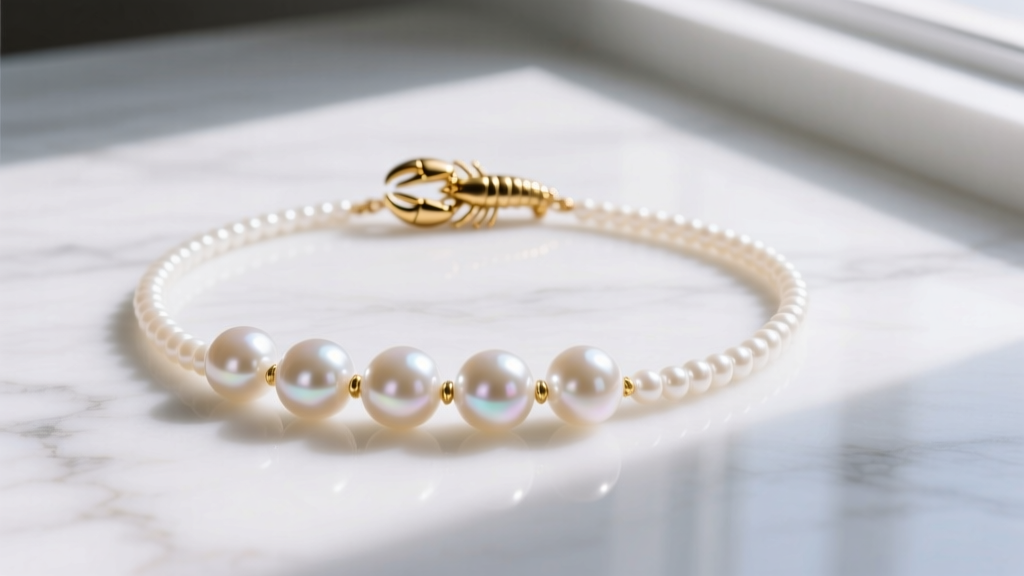
The transition of pearls from formal, traditional attire to everyday minimalist styling has been one of the most significant shifts in modern jewelry design. At the forefront of this movement is the eNewton pearl necklace, a staple in the brand’s core collection that bridges the gap between accessible luxury and daily durability. As we evaluate jewelry in 2026, consumers are no longer satisfied with aesthetic appeal alone; they demand transparency regarding material grades, hardware longevity, and structural integrity. This technical deep dive dissects the exact specifications, construction methods, and long-term viability of the eNewton pearl necklace, providing a definitive guide for collectors and everyday wearers alike.
Pearl Grade Analysis: Freshwater vs. Cultured Standards
To understand the value proposition of an eNewton pearl necklace, one must first examine the specific type of pearls utilized in their construction. eNewton predominantly employs 4mm to 5mm near-round freshwater pearls. According to the Gemological Institute of America (GIA), freshwater pearls are distinctly different from their saltwater counterparts (such as Akoya or Tahitian pearls) due to their nucleation process.
Tissue Nucleation and Nacre Thickness
While saltwater pearls are bead-nucleated—meaning a mother-of-pearl bead is inserted into the oyster and coated with a relatively thin layer of nacre (often 0.5mm to 1.0mm)—freshwater pearls are tissue-nucleated. A tiny piece of mantle tissue is inserted, resulting in a pearl that is composed of 100% solid nacre. This structural difference is critical for everyday jewelry. Solid nacre makes the eNewton freshwater pearls exceptionally resistant to chipping, peeling, and the inevitable wear-and-tear of daily friction. While they may exhibit a softer, more satiny luster compared to the razor-sharp, mirror-like reflection of high-end Hanadama Akoyas, their superior durability makes them the optimal choice for a necklace intended to be worn against the skin, layered with other metals, and exposed to daily environmental factors.
Hardware & Stringing: 14k Gold Fill and Clasp Mechanics
The longevity of any pearl strand is dictated not just by the gems, but by the metal hardware and the stringing medium. eNewton utilizes 14k gold-filled components for their clasps, jump rings, and chain accents. It is vital to distinguish gold-filled from gold-plated or gold vermeil. The Federal Trade Commission (FTC) strictly mandates that gold-filled items must contain a gold layer that constitutes at least 1/20th (5%) of the total metal weight, mechanically bonded to a base metal core (usually brass) under high heat and pressure.
The Superiority of 49-Strand Micro-Wire
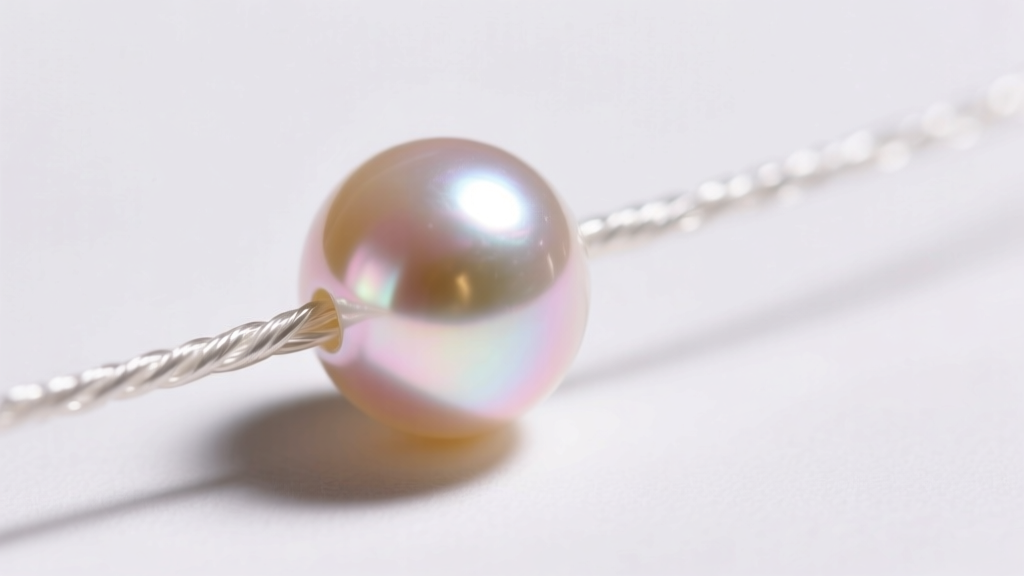
Historically, high-end pearl necklaces were strung on silk thread with individual knots between each pearl. While aesthetically traditional, silk stretches when exposed to moisture, degrades from skin oils, and requires professional re-stringing every few years. eNewton departs from this tradition by utilizing 49-strand nylon-coated stainless steel micro-wire. This aerospace-grade wire provides a tensile strength exceeding 15 pounds of pull-force and is entirely impervious to water and sweat. The trade-off is a slightly stiffer drape compared to knotted silk, but the elimination of catastrophic snapping and stretching makes it the superior technical choice for modern, low-maintenance jewelry.
Sizing Matrix and Layering Configurations
Because eNewton pearls sit close to the collarbone, selecting the correct length is paramount for both comfort and aesthetic balance. Below is a technical sizing matrix to help you determine the ideal length based on your neckline and layering intentions.
| Length | Classification | Neckline Pairing | Layering Offset |
|---|---|---|---|
| 14 inches | Choker / Collar | Scoop necks, off-shoulder, V-necks | Base layer (add 2" to next chain) |
| 15 inches | Standard Princess | Crew necks, button-downs | Base layer (add 2" to next chain) |
| 16 inches | Relaxed Princess | Square necks, boat necks | Second layer (over a 14" choker) |
| 18 inches | Matinee | High turtlenecks, deep V-necks | Third layer (over 14" and 16") |
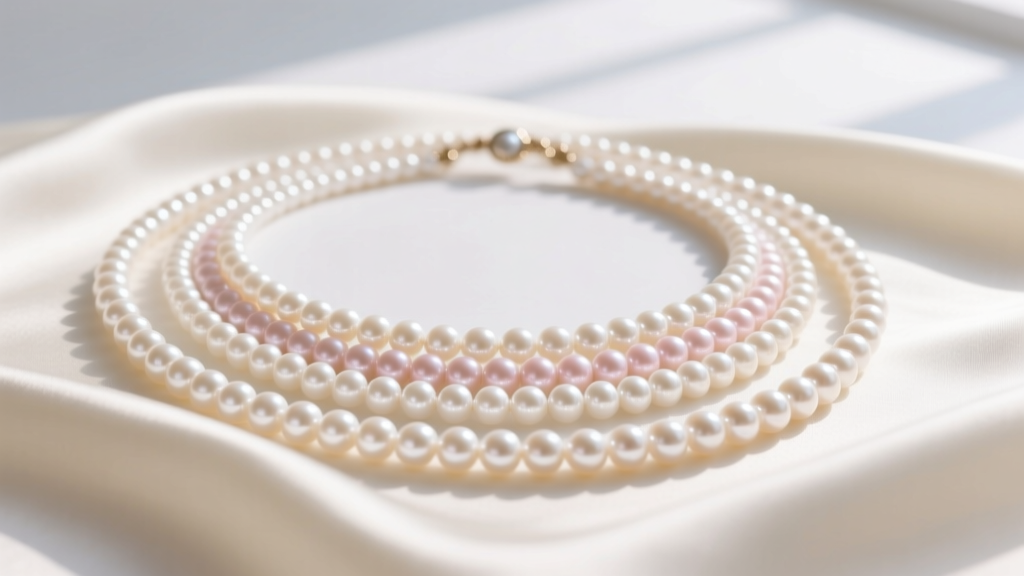
When layering an eNewton pearl necklace with gold chains, always maintain a minimum two-inch differential between strands to prevent the metal clasps from aggressively scratching the pearl nacre during movement.
Common Failure Modes & Troubleshooting
Despite the robust materials used, no jewelry is immune to mechanical failure. Based on long-term wear analysis, here are the most common failure modes associated with minimalist wire-strung pearl necklaces and how to address them.
1. Jump Ring Separation
The most frequent point of failure is not the wire snapping, but the small jump ring connecting the wire to the lobster clasp pulling open. This occurs when the necklace is caught on clothing or hair. Solution: Inspect the jump ring monthly. If you notice a gap, use two pairs of flat-nose jewelry pliers to twist the ring closed laterally. Never pull the ring apart outward, as this weakens the metal's structural memory.
2. Wire Kinking at the Clasp Neck
If the necklace is stored crumpled in a jewelry box, the flexible steel wire can develop a permanent kink right where it meets the rigid clasp hardware. Solution: Always store the necklace hanging or laid perfectly flat. If a minor kink occurs, gently roll the wire segment between your thumb and forefinger while applying mild, consistent pressure to coax the steel back into a straight alignment.
3. Cosmetic Degradation of Luster
Pearls are organic and rank at a mere 2.5 on the Mohs hardness scale. They are highly susceptible to chemical etching from perfumes, hairsprays, and acidic sweat, which will dull the nacre over time. Solution: Adopt a strict 'last on, first off' protocol. Apply all cosmetics and fragrances at least 15 minutes before putting on your eNewton pearl necklace.
Maintenance Protocol for Longevity
Proper maintenance of an eNewton pearl necklace requires abandoning traditional jewelry cleaning methods. Never place pearls in an ultrasonic cleaner; the high-frequency vibrations will cause micro-fractures in the nacre and can shatter the pearls entirely. Similarly, avoid commercial silver or gold dips, as the harsh ammonia and sulfur-based chemicals will permanently strip the pearl's natural orient and luster.
Instead, utilize a dedicated pearl care routine: after every few wears, gently wipe the pearls down with a slightly damp, lint-free microfiber cloth to remove accumulated skin oils and environmental pollutants. Allow the necklace to air dry completely on a flat surface before storing it in a soft pouch. Avoid airtight plastic bags, as pearls require a minimal amount of ambient humidity to prevent the nacre from drying out and cracking over decades of wear. By adhering to these precise technical care guidelines, your eNewton pearl necklace will maintain its structural integrity and satiny luster for a lifetime.


