Engravable Heart Necklace Trends: 2026 Styling Guide
Discover 2026 trends for the engravable heart necklace. Learn about metal grades, laser vs. hand engraving, and how to layer this timeless piece.

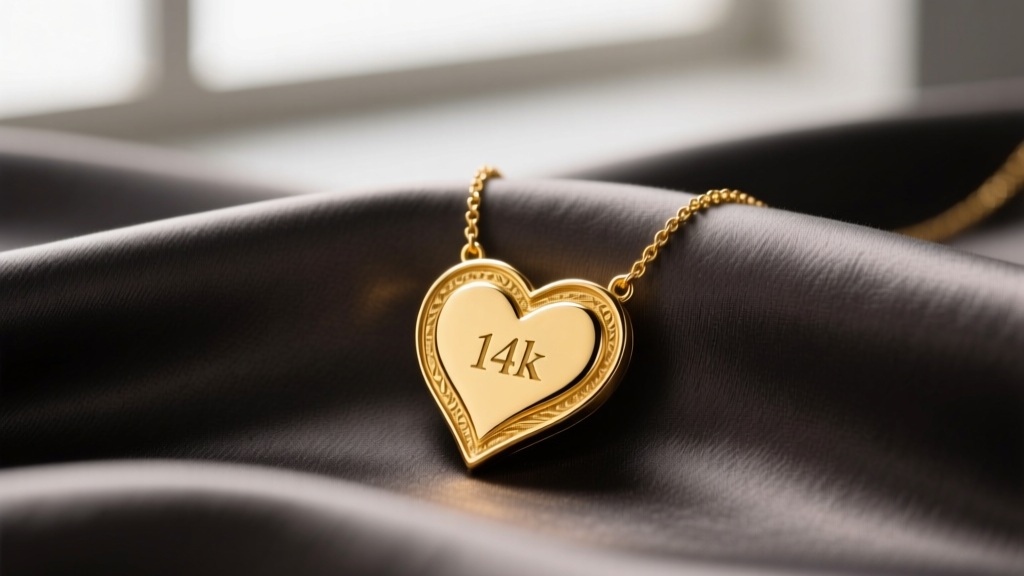
The 2026 Shift: From Mass-Produced to Hyper-Personalized
The jewelry landscape in 2026 has decisively pivoted away from overt, mass-produced logos toward quiet luxury and hyper-personalization. At the center of this movement is the engravable heart necklace. Once considered a cliché gift reserved for early-2000s mall jewelers, the heart pendant has been entirely reimagined by contemporary designers. Today, it serves as a minimalist canvas for bespoke storytelling. The modern engravable heart necklace is defined by its architectural proportions, substantial metal weight, and the integration of advanced engraving technologies that allow for micro-typography and fingerprint etching. This guide breaks down the metallurgical requirements, engraving modalities, and styling frameworks necessary to navigate this enduring trend with a discerning eye.
Metallurgy and Base Thickness: The Foundation of Engraving
Not all heart pendants are created equal, especially when subjected to the physical stress of engraving. A common failure mode in lower-tier jewelry is metal warping or puncturing during the engraving process. Standard stamped pendants often feature a metal thickness of just 0.6mm to 0.8mm. For a high-quality engravable heart necklace, you must seek a base thickness of at least 1.2mm to 2.0mm. This structural integrity ensures that deep hand engraving or repeated laser passes do not compromise the pendant's tensile strength.
According to the Gemological Institute of America (GIA), the alloy composition of gold significantly impacts its engraving suitability. While 24k gold is too soft and prone to scratching, 14k gold (58.5% pure gold) offers an optimal Vickers hardness rating, allowing for crisp, clean engraving lines without excessive burr formation. 18k gold (75% pure) provides a richer, warmer hue but requires a lighter touch from the engraver due to its slightly higher malleability. Sterling silver (925) remains a popular, accessible choice, though it requires rhodium plating to prevent the oxidation that can obscure fine engraved details over time.
Material Comparison Chart for Engraving
| Metal Type | Hardness (Vickers) | Ideal Thickness | Price Range (USD) | Engraving Suitability |
|---|---|---|---|---|
| 14k Yellow Gold | 135-165 | 1.2mm - 1.5mm | $250 - $600 | Excellent (Crisp lines) |
| 18k Yellow Gold | 110-140 | 1.5mm - 2.0mm | $450 - $950 | Very Good (Sooner wear) |
| Sterling Silver | 60-70 | 1.5mm - 2.0mm | $80 - $200 | Good (Requires rhodium) |
| Platinum 950 | 110-130 | 1.2mm - 1.8mm | $800 - $1,500+ | Superior (Dense, durable) |
Engraving Modalities: Laser vs. Hand vs. Diamond Drag
The method used to inscribe your engravable heart necklace drastically alters the final aesthetic, longevity, and cost. In 2026, three primary techniques dominate the bespoke jewelry market.
Fiber Laser Engraving: Utilizing an Ytterbium-doped fiber laser with a 1064 nm wavelength, this method vaporizes microscopic layers of metal without physical contact. Fiber lasers offer a precision of up to 0.01mm, making them the undisputed choice for complex vector graphics, micro-text, and even high-resolution fingerprint etchings. The result is a high-contrast, permanent mark that will never fade or wear away, as the material is physically removed rather than merely scratched.
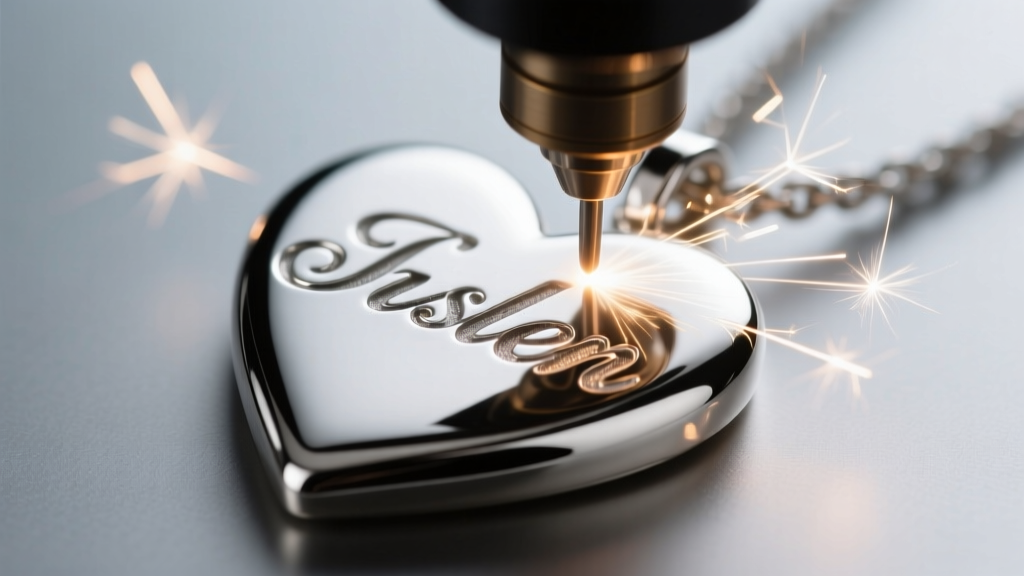
Hand Push Engraving: Executed by a master engraver using hardened steel gravers, this traditional technique involves physically carving ribbons of metal away from the surface. Hand engraving creates a distinctive V-shaped cut that catches the light beautifully, offering a sculptural, artisanal quality that machines cannot replicate. However, it requires a thicker metal base (minimum 1.8mm) and is significantly more expensive, often starting at $150 just for the labor.
Diamond Drag (Scratch) Engraving: This method uses a diamond-tipped stylus dragged across the metal surface by a computerized pantograph. It is highly cost-effective and works well on curved surfaces, but it merely displaces metal rather than removing it. Over decades of wear, the displaced metal can smooth out, causing the inscription to lose its legibility.
"A true heirloom piece relies on depth. When a client brings in an engravable heart necklace, I always recommend fiber laser or deep hand engraving. Surface scratches simply cannot survive a lifetime of friction against clothing and skin." — Master Jeweler & Engraver, London Hatton Garden District.
Chain Mechanics: Gauges, Links, and Clasp Hardware
The pendant is only half the equation; the chain dictates how the engravable heart necklace drapes, moves, and survives daily wear. In 2026, the trend favors chains that offer a balance of delicate aesthetics and industrial durability. Avoid chains thinner than 0.7mm, as they are highly susceptible to snapping under the pendulum weight of a solid metal heart.
- 1.0mm - 1.2mm Cable Chain: The industry standard for heart pendants. The uniform round links provide a classic, unobtrusive backdrop that lets the engraved face of the heart take center stage.
- 0.9mm - 1.1mm Box Chain: Composed of square, interlocking links, box chains offer superior tensile strength and a subtle, geometric light reflection. They are highly resistant to kinking, a common issue with snake or herringbone chains.
- Clasp Hardware: Discard the standard 4mm spring ring clasp, which is notoriously difficult to operate and prone to spring failure. Upgrade to a 5mm or 7mm lobster clasp, which features a robust internal spring mechanism and a larger lever for secure, one-handed fastening.
The 2026 Layering Framework for Heart Pendants
Styling an engravable heart necklace in 2026 is all about intentional asymmetry and textural contrast. According to Vogue's definitive jewelry layering guide, the modern stack avoids uniformity, instead playing with varying chain weights and pendant scales. To integrate your heart pendant into a contemporary stack, follow the strict 2-inch drop rule to prevent tangling and ensure each piece remains visible.
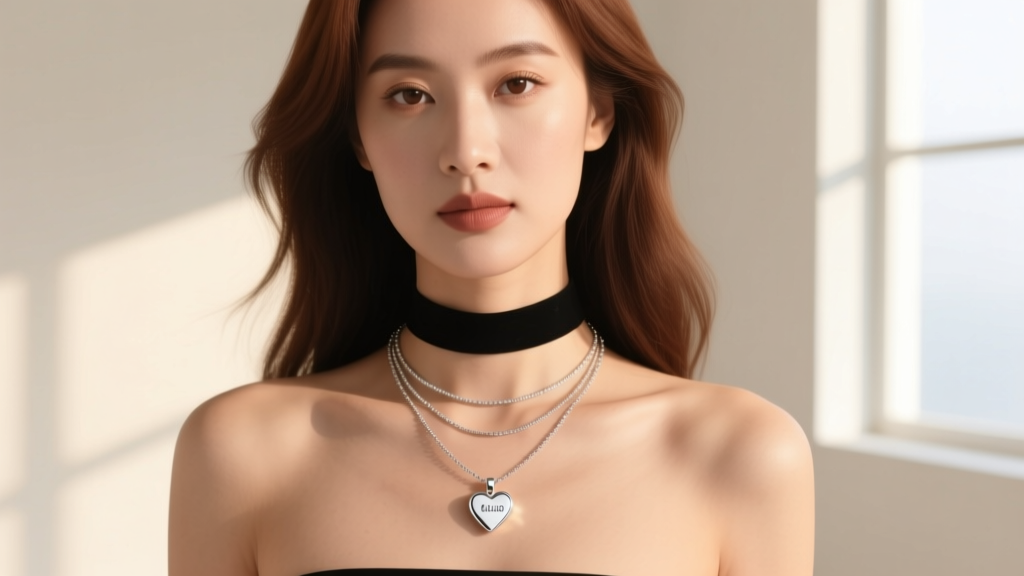
Actionable Layering Configurations
- The Minimalist Duo: Pair your 16-inch (princess length) engravable heart necklace with a 14-inch (choker length) 1.5mm paperclip chain. The choker sits high on the clavicle, while the heart rests perfectly in the hollow of the throat.
- The Textural Triad: Combine a 14-inch beaded chain, your 16-inch heart pendant on a cable chain, and an 18-inch (matinee length) 2.0mm Figaro chain. The varying link styles create a rich, curated aesthetic that elevates the sentimental heart pendant into high fashion.
- The Metal Mix: Do not shy away from mixing metals. A 14k yellow gold engravable heart necklace layered with a white gold or platinum satellite chain creates a dynamic, modern contrast that breaks traditional styling rules.
Care and Maintenance of Engraved Grooves
The very grooves that make your engravable heart necklace special also make it a magnet for environmental debris. Lotions, dead skin cells, and cosmetic powders will inevitably accumulate in the engraved lines, dulling the contrast and muting the metal's luster. Avoid using ultrasonic cleaners on deeply hand-engrafted pieces, as the high-frequency vibrations can occasionally loosen secondary stone settings if the heart features accent gems. Instead, prepare a solution of warm distilled water and a few drops of mild, phosphate-free dish surfactant. Soak the necklace for ten minutes, then use a soft-bristled baby toothbrush to gently agitate the engraved grooves. Rinse thoroughly and dry with a lint-free microfiber cloth to restore the sharp, high-contrast finish of your personalized masterpiece.


