Expert Buying Guide: Choosing a 14k Gold Circle Necklace
Discover what to look for when buying a 14k gold circle necklace. Learn about chain weights, clasp types, hallmark verification, and 2026 pricing.

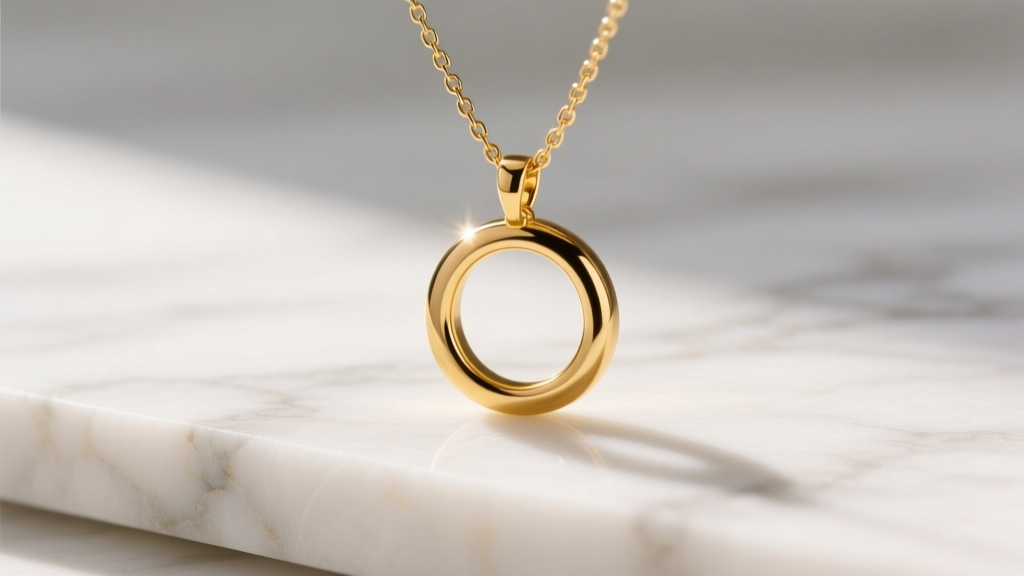
The Enduring Appeal of the Circle Pendant
The circle pendant is a masterclass in minimalist jewelry design. It represents eternity, wholeness, and subtle elegance, making it a staple in both casual and formal wardrobes. However, the simplicity of the design leaves nowhere for poor craftsmanship to hide. When you are investing in a 14k gold circle necklace, the structural integrity of the metal, the precision of the chain links, and the reliability of the clasp are paramount. As we navigate the jewelry market in 2026, with gold spot prices remaining historically high, understanding the exact specifications of your purchase is no longer optional—it is essential for avoiding overpriced, fragile, or counterfeit pieces.
Why 14k Gold is the Metallurgical Sweet Spot
Before evaluating the design, we must examine the material. Pure 24k gold is far too soft for daily wear; it will warp, scratch, and lose its shape within weeks. According to the Gemological Institute of America (GIA), 14k gold consists of 58.3% pure gold alloyed with 41.7% secondary metals like silver, copper, and zinc. This specific ratio yields a Vickers hardness score that is significantly higher than 18k gold, providing the necessary tensile strength to support a pendant without the chain stretching or the bail snapping.
Furthermore, the alloy composition dictates the color. A 14k yellow gold circle necklace will have a slightly softer, less brassy yellow hue compared to 18k, which many modern buyers actually prefer for its understated, vintage-leaning warmth. If you are opting for 14k white gold, ensure the piece is rhodium-plated to prevent the underlying yellowish-gray alloy from showing through over time.
Pendant Anatomy: Dimensions, Weight, and Manufacturing
Not all circle pendants are created equal. The market is currently flooded with ultra-thin, hollow-stamped pendants designed to look substantial while using minimal gold. To ensure longevity, you must look for solid cast or die-struck pendants.
- Diameter: The most versatile size for a minimalist circle pendant is between 12mm and 15mm. Anything under 10mm reads more like a charm, while anything over 20mm becomes a bold statement piece that requires a heavier chain.
- Thickness (Gauge): A high-quality solid circle pendant should be at least 0.8mm to 1.0mm thick. Thinner pendants (0.4mm) are prone to bending if caught on clothing.
- The Bail: The bail is the loop that connects the pendant to the chain. Look for a soldered, solid bail rather than a thin, unsoldered wire loop that can easily be pried open by the friction of a moving chain.
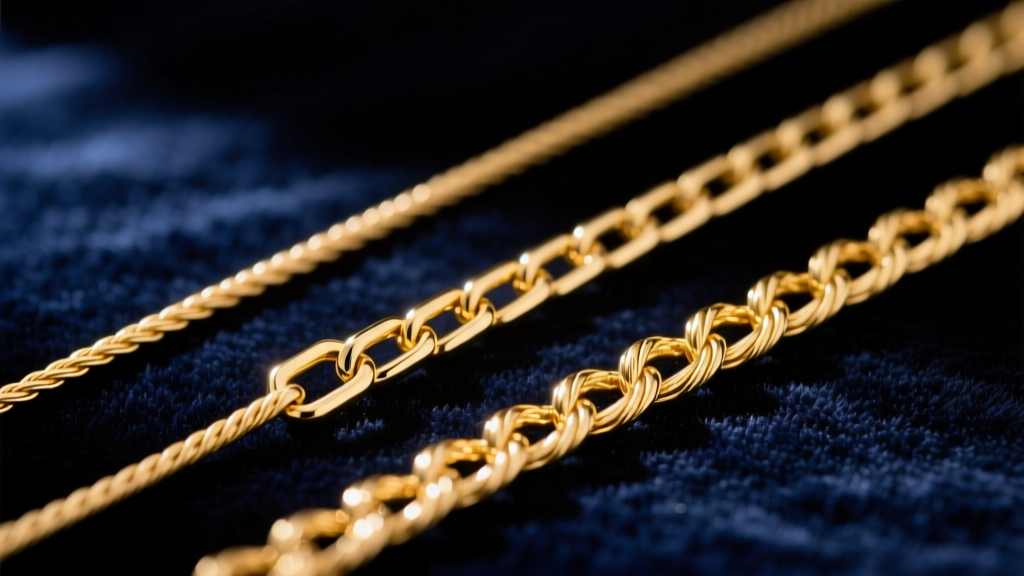
Chain Pairings: The Backbone of Your Necklace
A common mistake buyers make is pairing a solid gold pendant with a fragile, hollow chain. The chain should account for at least 60% of the total gram weight of the necklace. Here is a breakdown of the best chain styles to pair with a circle pendant, based on durability and aesthetic flow.
| Chain Style | Recommended Width | Durability | Best For |
|---|---|---|---|
| Box Chain | 1.0mm - 1.2mm | High | Modern, geometric pendants; excellent tensile strength. |
| Cable Chain | 1.0mm - 1.5mm | Medium | Classic, traditional looks; ensure links are soldered. |
| Wheat Chain | 1.2mm - 1.5mm | Very High | Textured, vintage aesthetics; highly resistant to kinking. |
| Rope Chain | 1.5mm - 2.0mm | Medium-High | Standalone wear or heavier, larger diameter circle pendants. |
Crucial Detail: Always verify that the chain links are soldered. Unsoldered cable or box chains will easily pull apart under the microscopic weight of a gold pendant catching on a sweater. Run your fingernail lightly over the links; if you feel a distinct gap or seam that isn't smoothed over, the links are unsoldered.
Clasp Mechanics and Security Features
The clasp is the most frequent point of failure on any necklace. For a 14k gold circle necklace, you should strictly avoid spring ring clasps. Spring rings rely on a tiny internal steel spring that is prone to rusting, losing tension, and snapping. Instead, insist on a lobster claw clasp. A well-manufactured lobster clasp features a solid trigger mechanism and a thicker gate that won't warp when you pull it open.
Equally important is the jump ring—the small circular ring that connects the clasp to the chain. This jump ring must be soldered shut. If it is merely pressed together, the friction of daily wear will eventually cause it to gap, and your necklace will slip off unnoticed.
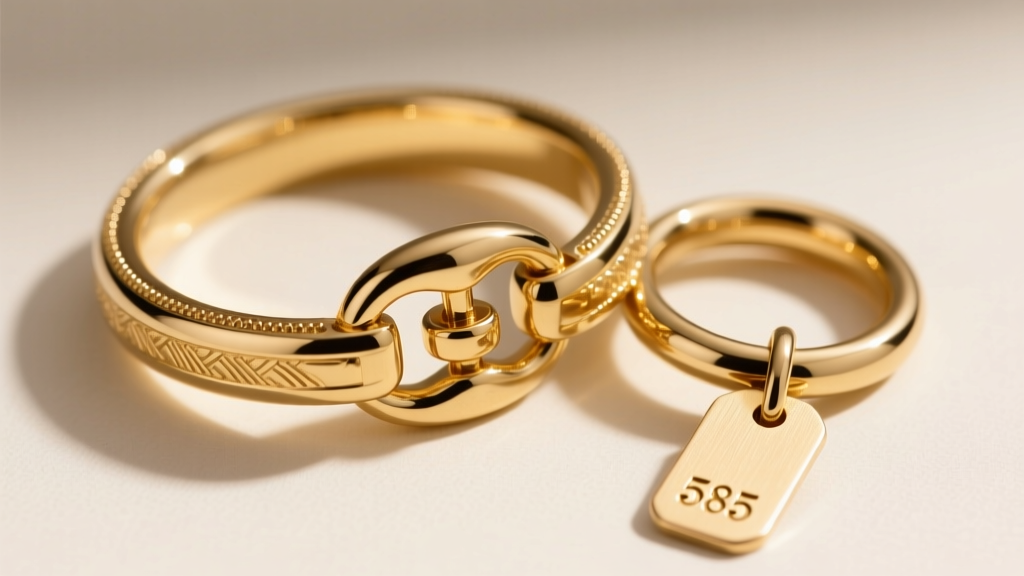
Hallmarks, Pricing, and Market Realities in 2026
With the ongoing fluctuations in the precious metals market, understanding how to price a 14k gold circle necklace is vital to avoid severe retail markups. According to the Federal Trade Commission (FTC) Jewelry Guides, any piece sold as 14k gold in the United States must bear a quality mark (like '14k' or '585') alongside a registered manufacturer's trademark.
Decoding the Price Tag
To determine if you are getting a fair deal, you need to calculate the melt value versus the craftsmanship markup. As of early 2026, with gold spot prices hovering near historic highs, the raw gold value of a 4-gram 14k necklace (pendant + chain) is roughly $130 to $145.
- Mass-Market Retailers: Expect to pay 2x to 3x the melt value ($280 - $450). You are paying for brand overhead and mall retail space.
- Direct-to-Consumer / Indie Jewelers: Expect to pay 1.5x to 2x the melt value ($200 - $300). This is the sweet spot for high-quality, solid gold jewelry without the luxury tax.
- Suspiciously Cheap: If a 'solid 14k' necklace is priced under $120, it is almost certainly gold vermeil, gold-filled, or flash-plated brass. True solid 14k gold cannot be sold below its scrap value.
Care and Maintenance for Long-Term Brilliance
While 14k gold is highly resistant to tarnish compared to sterling silver, the alloy metals (specifically copper and silver) can still react to environmental factors. Lotions, perfumes, and the natural acids in your skin can create a microscopic film on the gold, dulling its reflective surface.
To maintain the brilliant shine of your circle pendant, wash it bi-weekly using a simple solution of warm water and a few drops of mild, phosphate-free dish soap. Use a soft-bristled baby toothbrush to gently clean the bail and the spaces between the chain links where dead skin and cosmetics accumulate. Never use abrasive polishing cloths on 14k gold, as they can strip away the polished finish and leave micro-scratches that trap dirt over time.
Final Verification Checklist
Before finalizing your purchase, run through this expert checklist:
- Is the pendant solid cast or die-struck (not hollow or stamped sheet metal)?
- Does the chain feature soldered links and a soldered jump ring at the clasp?
- Is the clasp a lobster claw rather than a spring ring?
- Are both the pendant bail and the chain stamped with '14k' or '585' and a maker's mark?
- Does the total gram weight justify the retail price based on current gold spot values?
By prioritizing structural engineering and material transparency over fleeting brand names, you will secure a 14k gold circle necklace that remains a resilient, beautiful fixture in your jewelry collection for decades to come.


