Faith Necklace Gold: Technical Guide to Karats, Chains & Durability
An expert technical guide to choosing a faith necklace gold pendant. Compare 14k vs 18k alloys, chain shear points, and clasp mechanics for daily wear.

Metallurgy of Devotion: Selecting the Right Gold Alloy
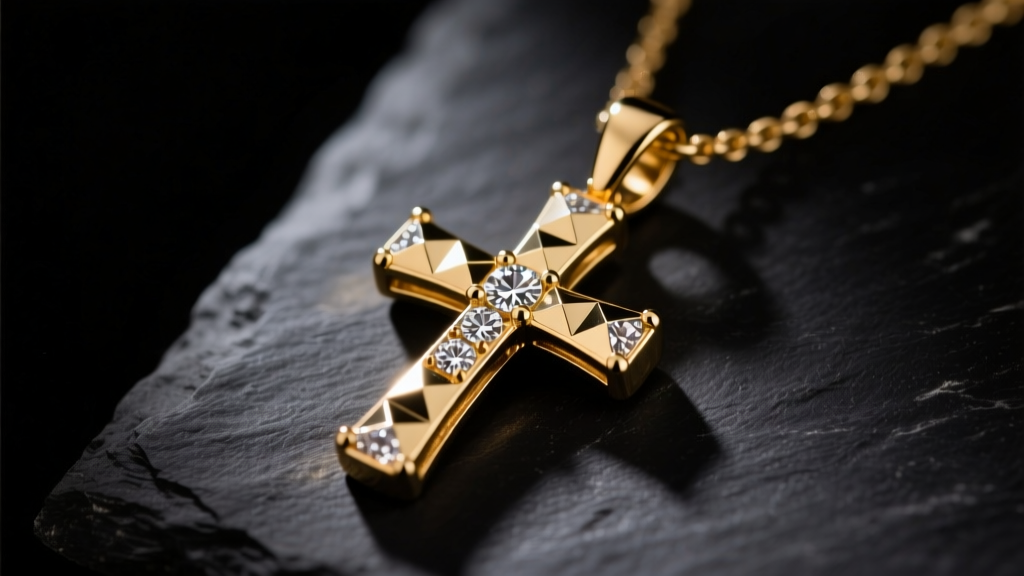
When investing in a faith necklace gold piece, the karat weight dictates not just the color and price, but the structural integrity of the pendant and its chain. Pure gold (24k) is entirely unsuitable for daily-wear religious jewelry due to its extreme malleability; a 24k
Chain Architecture and Shear Point Analysis
The pendant is only half the equation; the chain
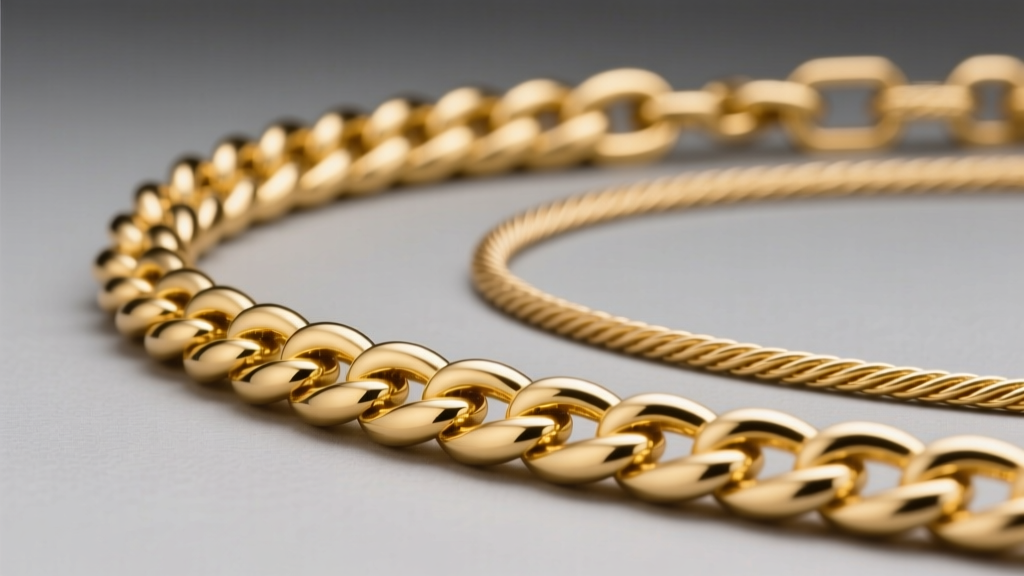
1. Cable and Rolo Chains: These feature uniform round or oval links. A 1.2mm 14k gold cable chain typically withstands 6-8 lbs of tensile force. The failure point is almost always the soldered joint on the individual link. If caught, the link will pull apart at the solder seam, preserving the rest of the chain and allowing for a simple laser-weld repair.
2. Box and Wheat Chains: Box chains are notorious for kinking, which weakens the structural fold of the square links. Wheat (Spiga) chains, however, offer superior tensile strength due to their woven, multi-directional link structure. A 1.5mm wheat chain can support upwards of 12 lbs, making it the optimal technical choice for heavier solid gold crucifixes or star of David pendants weighing over 4 grams.
3. Rope Chains: While visually striking and excellent at reflecting light, rope chains possess a high surface-area-to-volume ratio, making them magnets for skin oils and lotions. Furthermore, if a rope chain snaps, the complex twisting of the links makes traditional soldering nearly impossible without leaving a visible, stiffened hinge point. Laser welding is mandatory for rope chain repairs.
Clasp Mechanics: Spring Ring vs. Lobster
For lightweight faith pendants (under 2 grams), a 5mm spring ring clasp is standard. However, the internal steel spring inside a gold spring ring is prone to fatigue and corrosion from sweat. For any gold faith necklace exceeding 3 grams, a lobster clasp is technically mandatory. Lobster clasps utilize a thicker, external lever mechanism that distributes tension more evenly. When inspecting a lobster clasp, ensure the interior of the "jaw 4.0mm - 8.0mm | 16" - 18" | 1.2mm - 1.5mm | $350 - $650 | Best for everyday, active wear. Will show micro-scratches but resists denting. | | 18k Yellow Gold | 75% Gold, 12.5% Copper, 12.5% Silver | 135 - 150 | 3.5mm - 6.0mm | 18" - 20" | 1.5mm - 2.0mm | $600 - $1,200 | Richer color, hypoallergenic. Requires removal before sleeping or showering. | | 18k White Gold | 75% Gold, Palladium/Nickel, Rhodium Plated | 120 - 140 | 3.0mm - 5.0mm | 16" - 18" | 1.0mm - 1.5mm | $650 - $1,100 | Requires rhodium re-plating every 18-24 months to maintain bright white hue. |
Surface Finishes and Wear Patterns
The finish applied to your gold faith necklace drastically alters its maintenance cycle and how it interacts with light.
- High Polish: Achieved using progressively finer rouge compounds. While it offers maximum brilliance, a high polish finish will accumulate micro-scratches (patina) within 3 to 6 months of daily wear. This is normal and does not mean gold is being lost, merely displaced.
- Satin/Matte Finish: Created via wire brushing or sandblasting. This finish is highly forgiving of daily scratches, as the textured surface naturally hides abrasions. It is highly recommended for men


