How to Style and Secure a Pearl Back Necklace Perfectly
Learn how to style, convert, and secure a pearl back necklace for backless gowns. Expert tips on materials, anti-slip methods, and pearl care.

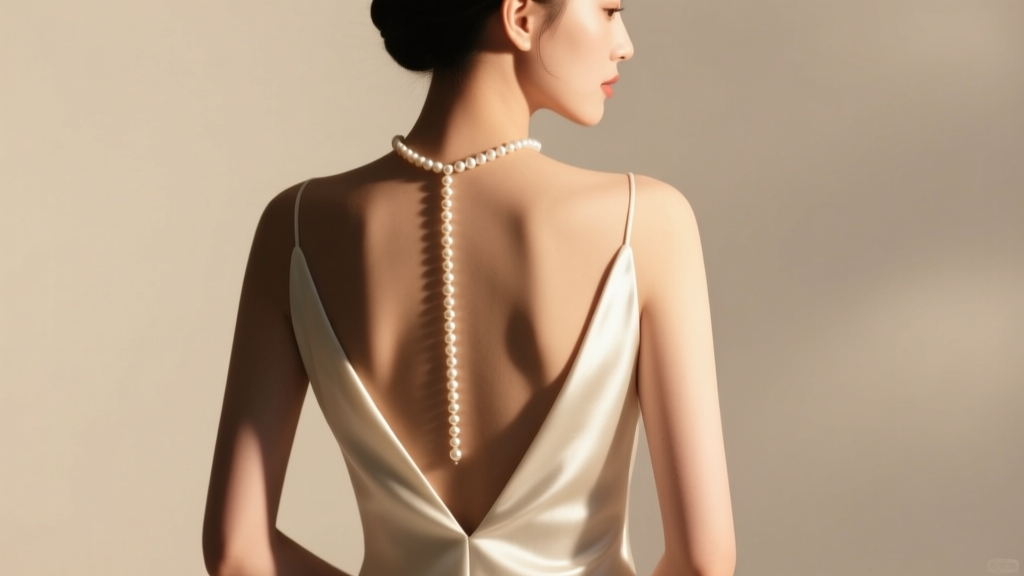
The "pearl back necklace"—often referred to in editorial circles as a reverse necklace or spine lariat—is a masterclass in subverting traditional jewelry placement. Instead of resting on the collarbone, the focal point cascades down the spine, drawing the eye to the architecture of the back. Whether you are styling a bride in a deep-V gown or preparing for an avant-garde editorial shoot, executing this look requires more than just throwing a strand backward. It demands an understanding of weight distribution, skin friction, and structural conversion.
Step-by-Step: Converting a Standard Pearl Strand
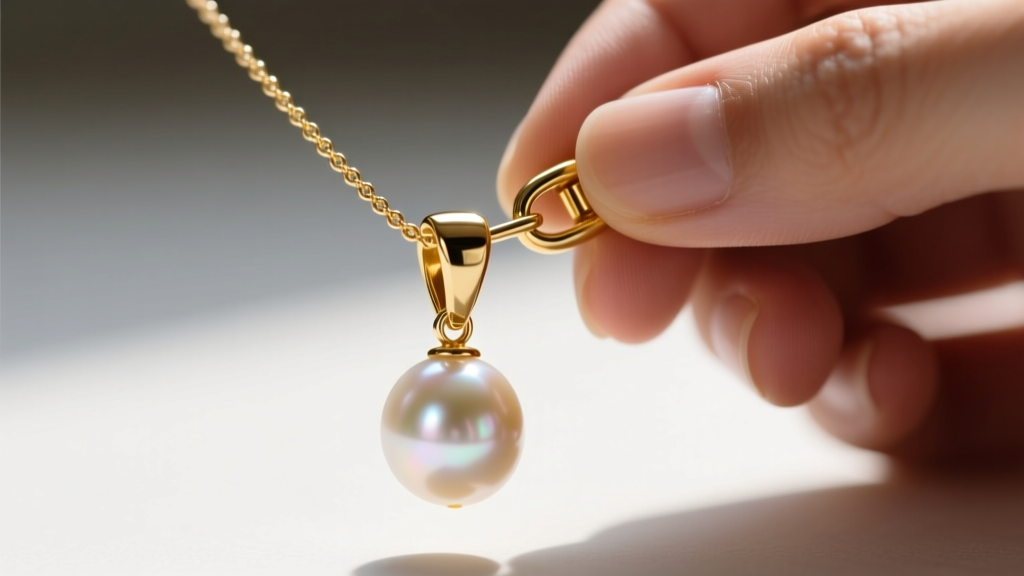
Most traditional pearl necklaces are finished with a decorative clasp meant to be hidden or worn to the side. To transform a standard 18-inch Akoya or Freshwater strand into a dedicated pearl back necklace, you must engineer a reverse drop using a bail converter.
- Select a Hinged Enhancer Bail: Choose a 14k gold or sterling silver hinged bail with an inner diameter of 8mm to 12mm. Ensure the hinge has a secure snap closure so the pearls cannot slip out.
- Thread the Clasp: Unclasp your pearl necklace. Thread the entire strand through the open bail, then re-clasp the necklace behind your neck.
- Position the Drop: Slide the bail to the exact center of the nape. The bail will now act as a movable pendant holder, allowing the clasp itself (or an attached pearl enhancer) to hang down the spine.
Material Matrix: Choosing the Right Pearls for Spine Wear
The spine is a high-friction, high-perspiration zone. This anatomical reality dictates your pearl type and stringing material. A heavy South Sea pearl will pull and slide, while delicate Akoya pearls can suffer nacre degradation if exposed to back sweat. Below is a decision framework for selecting the right materials for a pearl back necklace.
| Pearl Type | Ideal Size for Back | Stringing Material | Sweat & Friction Resistance |
|---|---|---|---|
| Akoya | 6.0mm - 8.0mm | Treated Silk or Power Pro | Low (Requires immediate wiping post-wear) |
| Freshwater | 7.0mm - 9.0mm | Braided Polyethylene | High (Baroque shapes naturally grip skin) |
| South Sea | 10.0mm - 14.0mm | Multi-strand Stainless Wire | Medium (Heavy weight requires counter-balancing) |
Engineering the Anti-Slip Drop
The most common failure mode of a reverse necklace is lateral migration. As the wearer moves, the necklace slides around the neck, bringing the back drop to the front and leaving the bare spine exposed. To combat this, professional stylists use three primary anti-slip techniques:
1. Silicone O-Ring Anchors
Slide 1.5mm clear silicone stoppers onto the main strand, positioning them exactly two inches on either side of the center nape. These invisible stoppers grip the skin and the hairline, preventing the strand from rotating forward. For larger pearls (9mm+), use a 2.5mm inner diameter O-ring to avoid damaging the nacre during threading.
2. The Counter-Weight Method
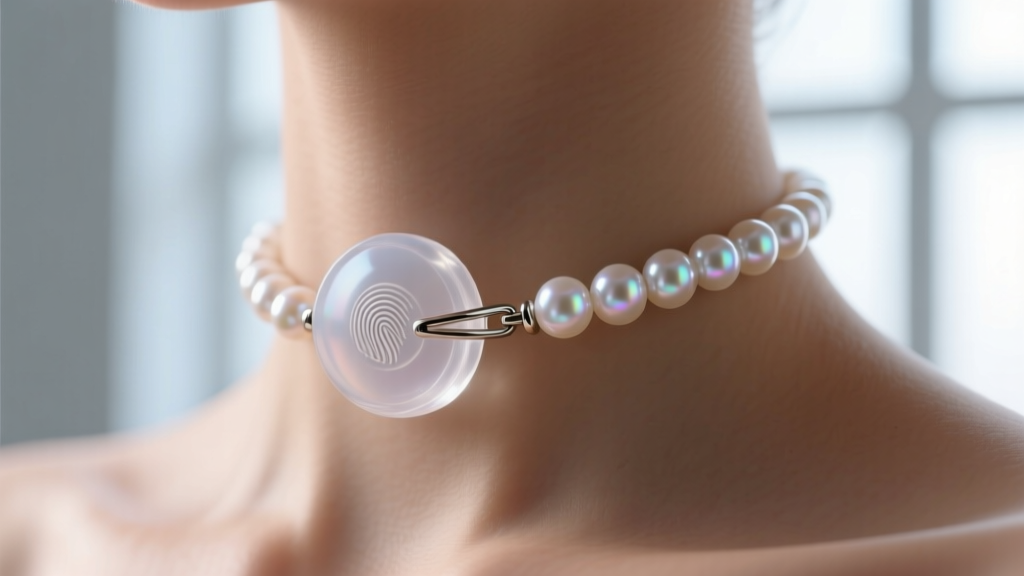
If your back drop features a heavy cluster of South Sea pearls, the front strand must be slightly heavier to maintain equilibrium. Alternatively, use a hidden silicone-lined collar at the front of the neck to create friction against the collarbone, anchoring the piece in place.
3. Strategic Body Tape
For backless silk or satin gowns where skin friction isn't enough, apply double-sided silicone body tape (such as Hollywood Fashion Tape) to the inside of the front pearl strand. Anchor it directly to the skin near the clavicle. This forces the decorative drop to remain locked at the spine.
Wardrobe Pairing: Necklines That Demand a Back Drop
A pearl back necklace is not a universal accessory; it requires specific garment architecture to shine. Here is how to pair it with modern silhouettes:
- The Cowl Back: The bias-cut drape of a cowl back perfectly mimics the fluid drape of a pearl lariat. Keep the pearl drop slightly shorter than the lowest point of the fabric cowl to avoid tangling.
- Keyhole Cutouts: A gown with a narrow keyhole cutout at the upper back frames the spine jewelry, turning the pearl drop into a contained, intentional focal point rather than a dangling afterthought.
- Halter Necklines: A halter top creates a continuous vertical line from the nape to the waist. A pearl back necklace extending from the halter tie down the spine elongates the torso and adds bridal elegance.
"Spine jewelry is about negative space. The pearls shouldn't fight the dress; they should trace the anatomy of the wearer's back, turning the body itself into the jewelry armature." — Editorial Styling Principles, 2026
Maintenance: Combating Friction and Body Oils
According to the Gemological Institute of America (GIA), pearls are organic gems highly susceptible to acids, cosmetics, and oils. The back of the neck is a primary accumulation zone for sweat, hairspray, and body shimmer.
Prep Rule: Never apply body oils, lotions, or self-tanners to the spine before wearing a pearl back necklace. The nacre will absorb the oils, leading to dullness and potential yellowing over time.
Stringing Degradation: Traditional silk thread stretches and weakens when exposed to the moisture and friction of the spine. As noted by material experts at Fire Mountain Gems, braided polyethylene (like Power Pro) offers the luxurious drape of silk but provides the critical moisture resistance required for prolonged skin-contact spine jewelry. If your vintage pearl strand is strung on silk, limit back-wear to short durations and inspect the thread for fraying near the clasp drill holes.
Final Pre-Event Checklist
Before stepping onto the red carpet or walking down the aisle, run through this quick structural audit:
- Verify the bail converter hinge is snapped completely shut and flush.
- Ensure silicone stoppers are hidden beneath the hairline or dress collar.
- Check that the back drop clears the waistline or bustle of the gown without catching on beads or lace.
- Perform a "shake test"—lean forward and rotate the torso to ensure the lateral anchors hold the front strand securely in place.
Mastering the pearl back necklace transforms a traditional accessory into a breathtaking, architectural statement. By respecting the physics of weight distribution and the biological realities of skin contact, you ensure the jewelry remains as flawless at the end of the night as it was at the beginning.


