Why The Fake Gold Necklace Is 2026's Biggest Style Trend
Discover why the fake gold necklace is dominating 2026 fashion. Explore PVD coatings, vermeil standards, and layering tips.

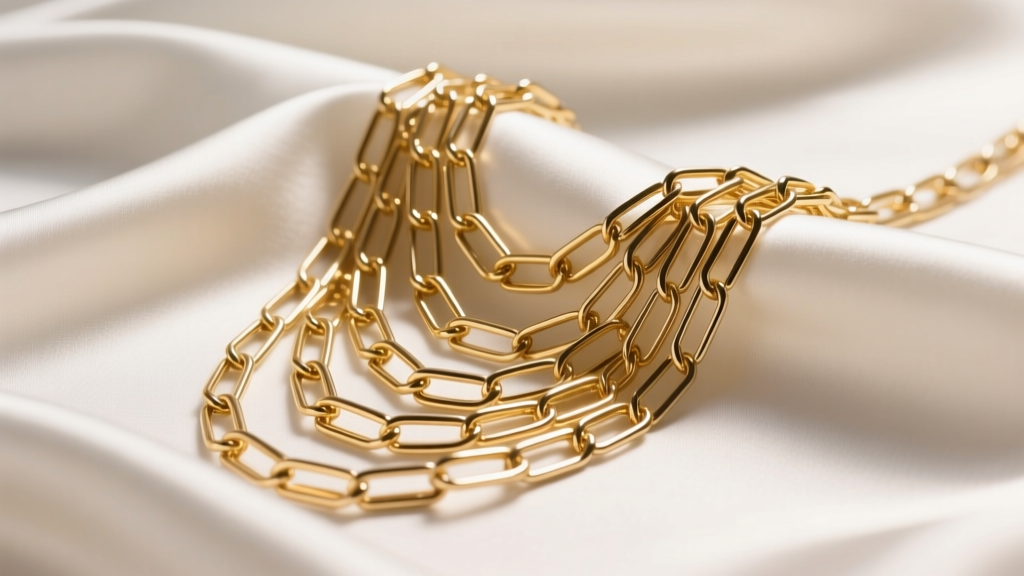
For decades, the term "fake gold necklace" carried a heavy stigma, conjuring images of cheap brass alloys that tarnished within a week and left a telltale green ring around the wearer's neck. However, as we navigate the fashion landscape of 2026, the narrative surrounding non-solid gold jewelry has undergone a radical transformation. Today, the fake gold necklace is not a compromise; it is a deliberate, highly technical style choice championed by luxury houses and streetwear icons alike.
The rise of demi-fine jewelry and advanced metallurgical coatings has blurred the line between accessible fashion and fine jewelry. Consumers are no longer settling for subpar costume pieces; they are demanding high-performance alternatives that offer the visual warmth of 18-karat gold without the exorbitant price tag or the environmental footprint of traditional mining. In this comprehensive trend analysis, we break down the material science, the dominant silhouettes, and the expert styling frameworks that define the modern faux-gold movement.
The Material Science of Modern "Fake" Gold
To understand the current trend, we must first discard the outdated notion of "fake" gold as mere yellow paint over cheap metal. The 2026 market is dominated by two highly sophisticated manufacturing processes: Physical Vapor Deposition (PVD) and heavy Gold Vermeil. Both offer distinct advantages depending on the wearer's lifestyle and skin chemistry.
PVD Coating on 316L Surgical Stainless Steel
Physical Vapor Deposition (PVD) is a vacuum-coating process that vaporizes titanium nitride and bonds it to a base metal at the molecular level. When applied to 316L surgical stainless steel, the result is a "fake" gold necklace that is virtually impervious to water, sweat, and UV degradation. Unlike traditional electroplating, which layers soft gold atoms that can easily scratch or rub off, PVD creates a surface that is up to 10 times harder than the base steel. This makes PVD-coated chains the ultimate choice for everyday wear, gym sessions, and humid climates.
Gold Vermeil and the 2.5 Micron Standard
For those who prefer the traditional feel and hypoallergenic properties of precious metals, gold vermeil remains the gold standard of accessible luxury. By definition, vermeil requires a base of 925 sterling silver coated with a minimum of 2.5 microns of 10-karat (or higher) gold. According to the Federal Trade Commission Jewelry Guides, anything less than this thickness must be classified merely as "gold plated" or "gold flashed," which are significantly less durable. High-end demi-fine brands in 2026 are pushing this boundary, frequently offering 3.0 to 4.0 microns of 14k or 18k gold over recycled sterling silver to extend the lifespan of the piece.
| Material Type | Base Metal | Gold Layer Thickness | Average Lifespan | Price Range |
|---|---|---|---|---|
| Solid 14k Gold | Gold Alloy | N/A (Solid) | Lifetime / Heirloom | $450 - $2,000+ |
| Gold Vermeil | 925 Sterling Silver | 2.5 - 4.0 Microns | 2 - 5 Years (with care) | $80 - $250 |
| PVD Gold Coated | 316L Stainless Steel | Molecular Bond (TiN) | 5 - 10+ Years | $40 - $150 |
| Standard Gold Plated | Brass / Copper | 0.175 - 0.5 Microns | 6 - 12 Months | $15 - $50 |
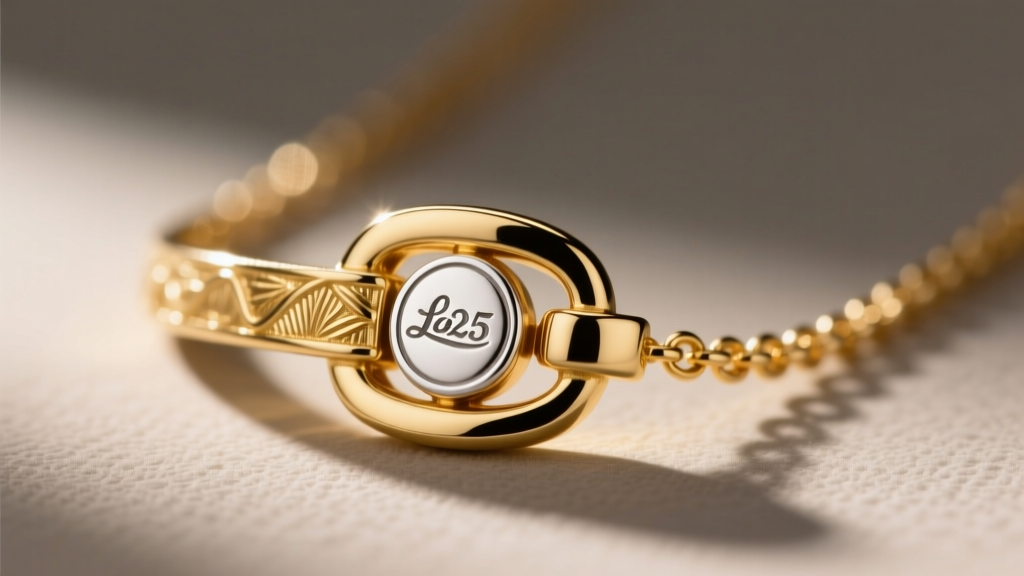
2026 Trend Report: Dominant Faux-Gold Silhouettes
The aesthetic of the fake gold necklace has shifted away from the delicate, barely-there chains of the early 2020s. Today's trends favor structural integrity, architectural links, and bold hardware. Here are the specific silhouettes driving the market this year.
The 5mm PVD Cuban Link
The Cuban link remains a perennial staple, but the 2026 iteration is all about the 5mm width in a PVD-coated 18k yellow gold finish on stainless steel. This specific width provides substantial weight and drape without crossing into the overly ostentatious territory of 10mm+ chains. It serves as the perfect anchor piece for a layered stack or a standalone statement over a heavyweight cotton t-shirt.
The Elongated Paperclip Chain
While standard paperclip chains have been popular for years, the current trend favors elongated, hollow-core links crafted from thick gold vermeil. The hollow-core construction allows for a massive, chunky visual profile (often 8mm to 12mm wide) while keeping the actual weight—and the strain on the sterling silver base—manageable. These chains catch the light dynamically due to their flat, polished surfaces.
Mixed-Metal Rope Chains
Borrowing from the "mixed metals" trend in horology, jewelry designers are intertwining silver-toned and gold-toned links within a single rope chain. By utilizing rhodium-plated sterling silver alongside 18k gold vermeil, these necklaces offer incredible versatility, allowing the wearer to seamlessly pair the piece with both silver and gold accessories.
How to Spot Quality (And Avoid the "Green Neck")
Not all fake gold necklaces are created equal. The primary culprit behind skin discoloration and rapid tarnishing is the base metal—specifically, alloys containing high levels of copper or nickel. To ensure you are investing in a high-quality demi-fine piece, adopt the following verification framework:
- Check the Hallmark: A genuine vermeil piece will always be stamped with "925" (indicating the sterling silver base). If a piece is stamped "14k" or "18k" but costs under $100, it is likely standard gold-plated brass, which will eventually tarnish.
- Verify the Steel Grade: For PVD necklaces, look for product descriptions that explicitly state "316L Surgical Stainless Steel." Lower grades like 304 stainless steel are more porous and prone to pitting, which will eventually compromise the PVD coating.
- Avoid "Gold Flashed" Terminology: As noted by the Gemological Institute of America (GIA), terms like "gold washed" or "gold flashed" indicate a microscopic layer of gold (less than 0.175 microns). These pieces are essentially costume jewelry and will fade with minimal friction.
- The Magnet Test: While not foolproof, a strong neodymium magnet can help identify cheap base metals. Neither gold, silver, nor 316L stainless steel are highly magnetic. If your necklace snaps firmly to a magnet, it likely contains a high percentage of cheap iron alloys beneath the plating.

The Styling Framework: Mastering the Demi-Fine Layer
Layering multiple fake gold necklaces requires a strategic approach to prevent tangling and ensure visual harmony. The most common mistake is wearing chains of similar weights and lengths, which results in a tangled, chaotic mess. Follow this three-tier framework for a flawless 2026 stack:
Tier 1: The Anchor (14" - 15")
Start with a lightweight, tight-fitting chain. A 1mm to 1.5mm gold vermeil cable chain or a delicate PVD box chain sits perfectly at the collarbone. This piece should be simple and unadorned, serving as a subtle baseline for the rest of the stack.
Tier 2: The Statement (18" - 20")
This is where you introduce texture and weight. Opt for a 4mm to 6mm chain in a contrasting link style—such as a Figaro, Mariner, or the aforementioned Cuban link. The 4-to-5-inch gap between the first and second chain is crucial; it prevents the metal links from catching on one another and reduces friction that can wear down gold plating over time.
Tier 3: The Pendant Drop (24" - 26")
Finish the stack with a longer, heavier piece featuring a substantial pendant. A PVD-coated stainless steel signet pendant or a vermeil geometric drop resting on the sternum draws the eye downward and elongates the neck. Ensure the clasp on this final piece is a robust lobster clasp rather than a delicate spring ring, as the weight of a 24-inch chain and pendant can easily pop open weaker hardware.
Conclusion: The Future of Accessible Luxury
The fake gold necklace has officially graduated from a budget fallback to a cornerstone of modern, intelligent styling. By leveraging advanced PVD coatings and strict vermeil standards, today's jewelry market offers unprecedented durability and aesthetic appeal at a fraction of the cost of solid gold. Whether you are drawn to the indestructible nature of a PVD Cuban link or the classic warmth of a heavy vermeil paperclip chain, understanding the material science behind these pieces allows you to build a sustainable, long-lasting jewelry wardrobe that defies the traditional boundaries of "fine" versus "fashion."


