2026 Pricing Guide: Valuing a Fan on Necklace Design
Discover our 2026 value assessment for fan on necklace pendants. Compare materials, enamel techniques, and pricing tiers to make a smart jewelry investment.

The Allure and Evolution of the Fan Motif
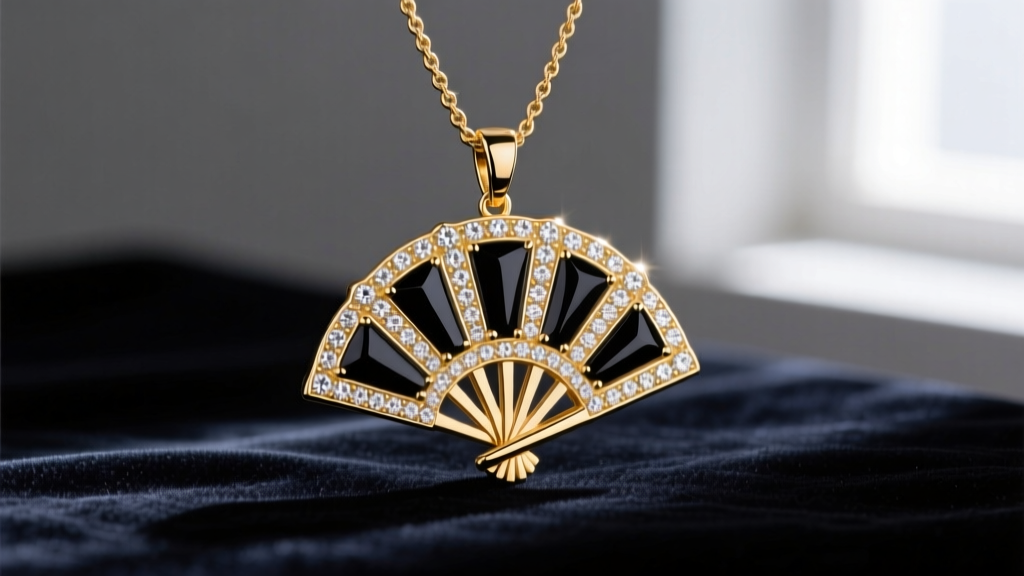
When assessing the true value of a fan on necklace piece, one must look beyond the superficial sparkle and understand the rich horological and goldsmithing heritage behind the motif. The fan—whether a Japanese sensu (folding fan), an Art Deco scallop shell, or a tropical palm leaf—represents elegance, mystery, and cooling grace. In 2026, the fan on necklace trend has evolved significantly from mass-produced costume jewelry into a highly sought-after category for artisanal and fine jewelry collectors.
According to the Metropolitan Museum of Art's Heilbrunn Timeline, the fan has been a symbol of status and artistry for centuries, transitioning from a functional handheld object to a miniature canvas for master jewelers during the Victorian and Art Deco eras. Today, evaluating a fan on necklace pendant requires a keen eye for metallurgy, mechanical engineering, and enamel work. This comprehensive budget and value assessment will help you determine exactly what you should be paying for your next fan-motif investment.
Decoding the Styles: Sensu vs. Scallop vs. Palm
Before diving into pricing, it is crucial to identify which type of fan you are evaluating, as the structural requirements dictate the baseline cost.
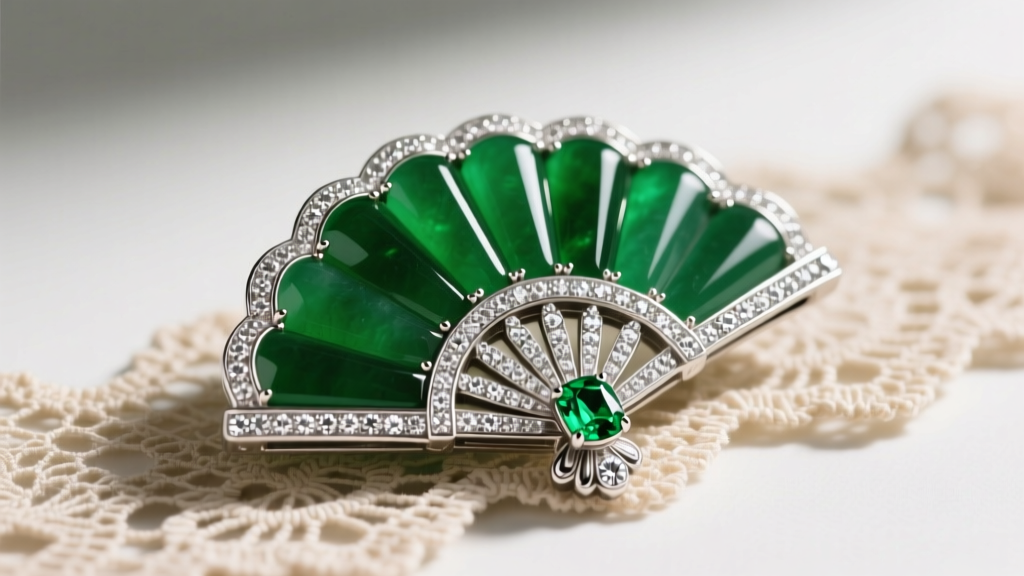
- The Folding Sensu: The most complex and expensive variation. It features multiple individual 'ribs' connected by a microscopic hinge. High-end versions actually open and close.
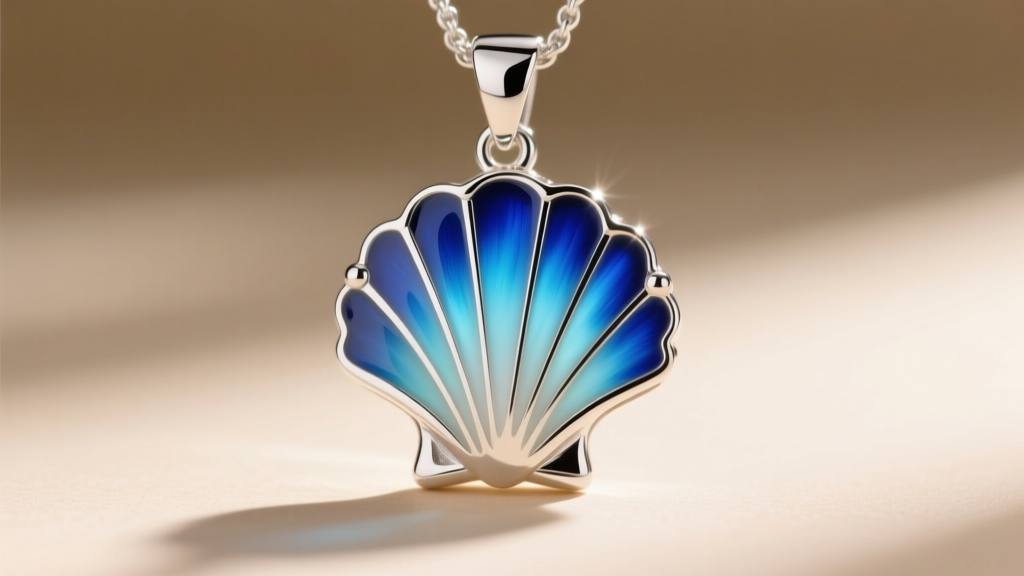
- The Art Deco Scallop: A fixed, semi-circular geometric design. Value here is driven by symmetry, gemstone calibration, and milgrain detailing.
- The Palm Leaf: Often cast in a single piece with deep relief engraving. Value is tied to the weight of the precious metal and the depth of the hand-chased textures.
The 2026 Value Matrix: Materials and Pricing Tiers
The market for fan pendants is heavily segmented by material purity and manufacturing origin. Below is our 2026 pricing framework to help you benchmark value.
| Tier | Base Material | Enamel / Accent Type | Estimated 2026 Price | Value Retention |
|---|---|---|---|---|
| Costume | Zinc Alloy / Brass | Cold Epoxy Resin | $25 - $85 | Poor (Degrades quickly) |
| Artisan Silver | 925 Sterling Silver | Champlevé or Guilloché | $180 - $450 | Moderate |
| Fine Gold | 14k or 18k Solid Gold | Plique-à-jour / Diamonds | $1,200 - $4,500 | High (Intrinsic metal value) |
| Heritage/Bespoke | Platinum / High Karat | Custom Micro-Mosaic | $8,000+ | Exceptional (Collector grade) |
Note: Prices reflect standalone pendants. Chains are priced separately based on weight and gauge.
Mechanical Craftsmanship: The Hinge Premium
The single biggest differentiator in valuing a folding fan on necklace design is the presence of a functional, miniature hinge. Creating a movable fan requires master-level goldsmithing. The pivot point must utilize a micro-rivet, typically measuring between 0.5mm and 0.8mm in diameter. If the rivet is too loose, the fan ribs will splay and warp; if too tight, the metal will gall and seize.
A static, cast-in-place folding fan (where the ribs are molded together as one solid piece of metal) should cost 30% to 40% less than its articulated counterpart. When inspecting an articulated fan, gently test the movement. It should glide with a smooth, hydraulic-like resistance. Any grinding sensation indicates poor tolerances or debris trapped in the pivot, which severely diminishes the piece's long-term value and structural integrity.
Enamel Techniques: Guilloché vs. Cold Epoxy
Many fan pendants utilize enamel to create vibrant, stained-glass effects. The GIA Gem Encyclopedia notes that traditional vitreous enamel (fired glass powder) is highly durable and lightfast, whereas modern cold enamels are essentially pigmented epoxies.
If you are paying fine jewelry prices ($1,000+), ensure the piece uses Guilloché (translucent enamel fired over engine-turned metal grooves) or Plique-à-jour (backless enamel held in a metal framework, resembling stained glass). Cold epoxy will yellow, chip, and peel within 5 to 10 years of regular wear, effectively rendering the piece worthless from a collector's standpoint. Always ask the jeweler for the specific enamel firing technique before purchasing.
Chain Pairing and Bail Engineering
A common mistake buyers make is underestimating the structural requirements of the chain. Fan pendants, particularly those crafted in solid 14k or 18k gold, are inherently top-heavy due to their wide surface area. A standard 10-gram gold fan pendant will easily snap a delicate 0.8mm cable chain.
For optimal value and longevity, pair your fan pendant with a 1.5mm to 2.0mm wheat, box, or rope chain. These weaves offer high tensile strength and resist kinking. Furthermore, inspect the bail (the loop connecting the fan to the chain). A high-quality fan on necklace piece will feature a reinforced, soldered bail with an interior diameter large enough to prevent friction wear against the chain links. If the bail is cast directly into the top rib of a folding fan without a reinforced jump ring, the constant swinging will eventually cause metal fatigue and tear the bail away from the delicate fan ribs.
Buyer’s Checklist: Avoiding Overpriced Fakes
When shopping estate sales or online auctions for vintage and modern fan pendants, use this rapid-assessment checklist to protect your budget:
- The Magnet Test: Bring a neodymium magnet. Precious metals (gold, silver, platinum) are non-magnetic. If the clasp or the fan ribs exhibit magnetic pull, it contains iron or steel, indicating a plated base-metal fake.
- Hallmark Verification: Look for deep, crisp stamps (925, 14K, 18K, 750). Avoid vague terms like 'Tibetan Silver' or 'Alpaca,' which are copper-nickel-zinc alloys with zero intrinsic precious metal value.
- Stone Calibration: If the fan features gemstones (like onyx, jade, or diamonds), check the setting. High-value pieces use bezel or prong settings. Glued-in stones are a hallmark of low-tier costume jewelry.
- Weight Assessment: Use a digital jeweler's scale. A solid 925 silver fan pendant of average size (1.5 inches wide) should weigh between 6 and 12 grams. If it weighs 2 grams, it is hollow electroformed or base metal.
Final Verdict: Maximizing Your Investment
The fan on necklace motif is a brilliant intersection of mechanical artistry and wearable history. For budget-conscious buyers, a 925 sterling silver scallop fan with champlevé enamel offers the best balance of durability and aesthetic impact, typically hovering around the $250 mark. For serious collectors, an articulated 18k gold sensu pendant with micro-pave diamond accents is a generational asset that retains its value through both its intrinsic metal weight and its unparalleled craftsmanship. By prioritizing mechanical integrity, traditional enamel techniques, and proper chain engineering, you can confidently navigate the 2026 market and secure a piece that is as structurally sound as it is visually stunning.


