Fat Albert Vore Necklace: Engineering Custom Novelty Pendants
Explore the technical jewelry engineering behind the Fat Albert vore necklace, from articulated hinges and weight distribution to heavy-duty chain selection.

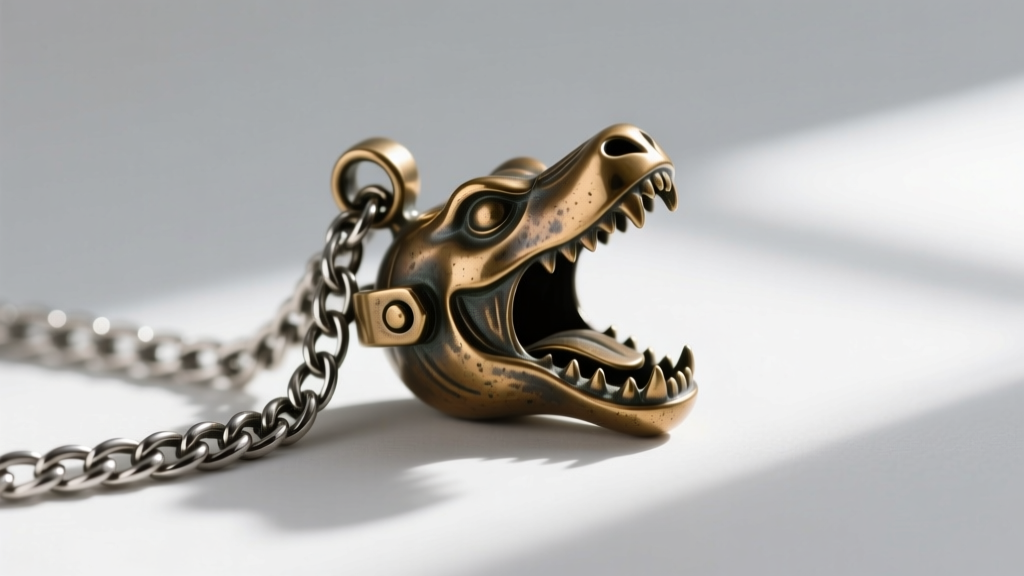
The intersection of niche internet subcultures and advanced metallurgy has given rise to some of the most structurally complex custom jewelry commissions in the modern era. Among these, the Fat Albert vore necklace stands out as a masterclass in novelty pendant engineering. This highly specific design typically features a rotund, heavy-set character motif with an articulated, hollow cavity—representing the 'vore' (vorarephilia) theme—requiring a seamless blend of kinetic mechanics, weight distribution, and lost-wax casting precision.
Historically, fandom and novelty jewelry were relegated to cheap, mass-produced pewter castings that lacked durability. However, as of 2026, advancements in high-resolution DLP 3D printing and micro-machining have allowed custom jewelers to move beyond static novelties into fully articulated, bespoke pieces. Engineering a pendant that features moving parts, hollow internal chambers, and substantial mass requires strict adherence to structural tolerances. This guide provides a deep technical dive into the fabrication, material science, and mechanical engineering required to build a heavy-duty custom novelty necklace that survives daily wear.
The Anatomy of a Novelty Articulated Pendant
Unlike traditional lockets that utilize simple friction-fit hinges, a novelty pendant with a functional, opening 'belly' or jaw cavity must support significant dynamic stress. The primary failure point in custom articulated jewelry is the hinge pin shearing under the pendulum effect created by the wearer's movement.
Material Selection for Moving Parts
For the pendant body, silicone bronze (C65600) or nickel silver are preferred due to their excellent fluidity during lost-wax casting and their ability to capture the intricate, organic textures required for character motifs. However, these alloys lack the shear strength necessary for micro-hinges.
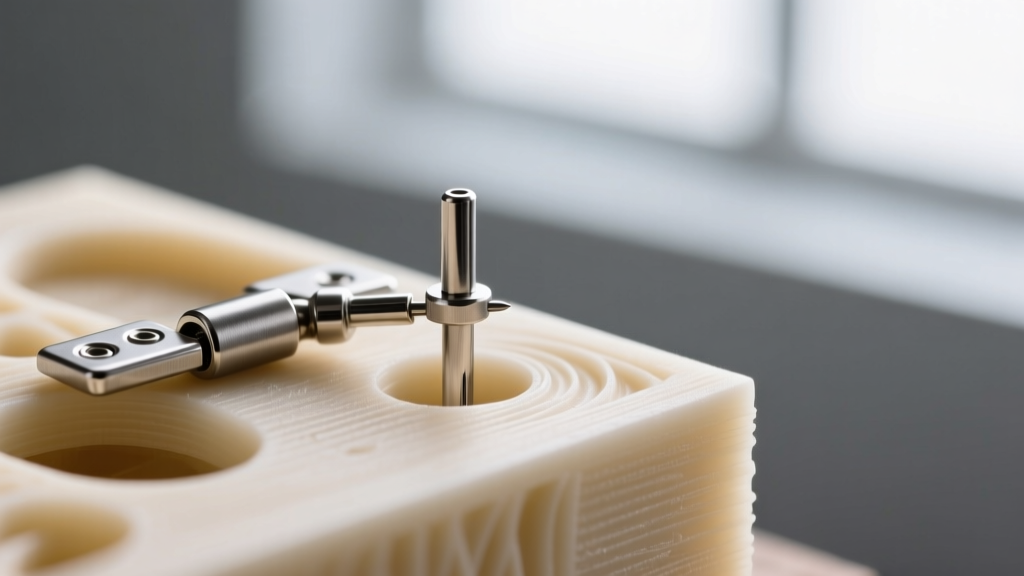
To resolve this, the hinge pin must be machined from 316L surgical stainless steel or Grade 5 Titanium (Ti-6Al-4V). A standard 0.8mm steel hinge pin offers a shear strength exceeding 500 MPa, ensuring the joint will not snap even if the 150-gram pendant is subjected to sudden lateral yanking. The internal hinge barrels must be designed with a strict 0.05mm clearance to allow smooth articulation without introducing lateral wobble, which accelerates wear and eventual failure.
Weight Distribution and Chain Tensile Strength
A solid bronze novelty pendant of this scale (approximately 55mm x 45mm x 30mm) typically weighs between 140 and 180 grams. When suspended on a chain, the static weight is only half the equation. The dynamic load—the force exerted when the wearer walks, jogs, or leans forward—can multiply the stress on the chain links and clasp by a factor of 3x to 5x.
Using lightweight or hollow-core chains will inevitably result in catastrophic failure. Jewelers must select solid-link chains with a verified working load limit (WLL).
| Chain Style | Thickness | Static Break Strength | Dynamic Load Limit (Safe) | Suitability for Heavy Novelties |
|---|---|---|---|---|
| Miami Cuban (Solid) | 5.0mm | 85 kg | 15 kg | Excellent (Industry Standard) |
| Figaro (Solid) | 4.5mm | 60 kg | 10 kg | Good (Requires thicker links) |
| Rope Chain (Hollow) | 6.0mm | 15 kg | 3 kg | Poor (Prone to crushing) |
| Box Chain (Solid) | 3.5mm | 45 kg | 8 kg | Fair (High friction wear) |
According to structural guidelines from Stuller, a 5mm solid Miami Cuban chain provides the optimal balance of drape, comfort, and tensile strength for pendants exceeding 120 grams, effectively neutralizing the pendulum snap effect.
3D Modeling and Casting Tolerances
The core thematic element of the design necessitates a hollow internal cavity. Designing this in CAD software like MatrixGold or Rhino requires careful attention to wall thickness, draft angles, and sprue placement to ensure the molten metal flows correctly into deep undercuts without premature cooling.
Wall Thickness and Porosity Prevention
If the pendant is cast in bronze or sterling silver, the outer shell must maintain a minimum wall thickness of 1.2mm. Anything thinner risks casting porosity, where the metal cools too quickly and leaves microscopic voids, compromising the structural integrity of the hollow chamber. For the internal cavity, support struts—often cleverly disguised as internal anatomical folds in the character design—must be integrated to prevent the pendant from collapsing inward during the quenching phase.
Resin Encapsulation for Internal Cavity Details
Many custom commissions request a translucent window into the hollow cavity to display internal details. This is achieved by casting a metal bezel and bonding a cast UV-stable epoxy resin insert. To ensure a permanent bond, the interior metal surface must be sandblasted with 120-grit aluminum oxide to create a mechanical tooth. A two-part structural acrylic adhesive is then used, as standard cyanoacrylate will degrade and fog over time when exposed to skin oils and UV light. Advanced jewelers often use refractive index matching between the resin and internal metallic polishing to simulate the appearance of organic fluids within the chamber.
Clasp Engineering and Safety Catches
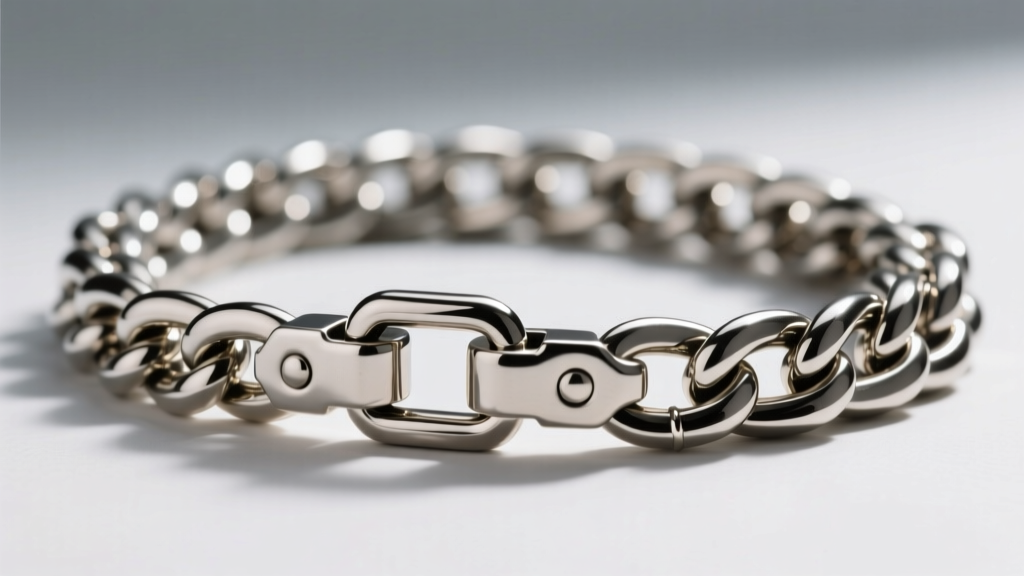
The clasp is the single most critical point of failure on any heavy necklace. Standard lobster clasps rely on a tiny internal spring and a thin wire trigger; under the dynamic lateral load of a 160g swinging pendant, the trigger wire can easily bend, causing the clasp to pop open unexpectedly.
For heavy novelty pendants, a Box Clasp with a Figure-Eight Safety is mandatory. The box clasp utilizes a V-shaped spring tongue that compresses and locks into a square receiver, providing immense resistance to lateral pulling. The figure-eight safety wire acts as a redundant fail-safe, catching on a secondary nub if the primary tongue disengages. When sourcing findings, Rio Grande offers heavy-duty box clasps rated specifically for chains 5mm and above, ensuring the finding matches the tensile capacity of the chain itself.
Maintenance of Articulated Jewelry
Articulated novelty pendants require specific maintenance protocols to keep the moving parts functional over decades of wear. Skin oils, dead skin cells, and environmental dust will inevitably migrate into the 0.05mm hinge clearances, creating a grinding paste that seizes the joint.
- Cleaning: Ultrasonic cleaners are highly effective for removing debris from hinge barrels. Use a mild alkaline solution and a 40kHz frequency to cavitate the microscopic gaps without damaging the metal's patina.
- Lubrication: Never use standard jewelry polishing oils or WD-40, as they attract dust. Instead, apply a microscopic drop of dry PTFE (Teflon) lubricant. The solvent carrier evaporates quickly, leaving a dry, frictionless PTFE film inside the hinge barrel that repels dust and skin oils.
- Inspection: Every six months, inspect the hinge pin ends. If the peened or flared ends of the pin show signs of thinning, the pendant must be returned to the bench jeweler to have the pin re-flared or replaced before it shears completely.
By treating the Fat Albert vore necklace not merely as a novelty item, but as a complex piece of kinetic micro-engineering, jewelers can deliver heirloom-quality custom pieces that withstand the rigors of daily wear while perfectly executing the client's highly specific creative vision.


