What to Look for in a Necklace with a Feather Design
Discover what to look for when buying a necklace with a feather. Learn about metal grades, chain types, and attachment mechanisms for lasting quality.

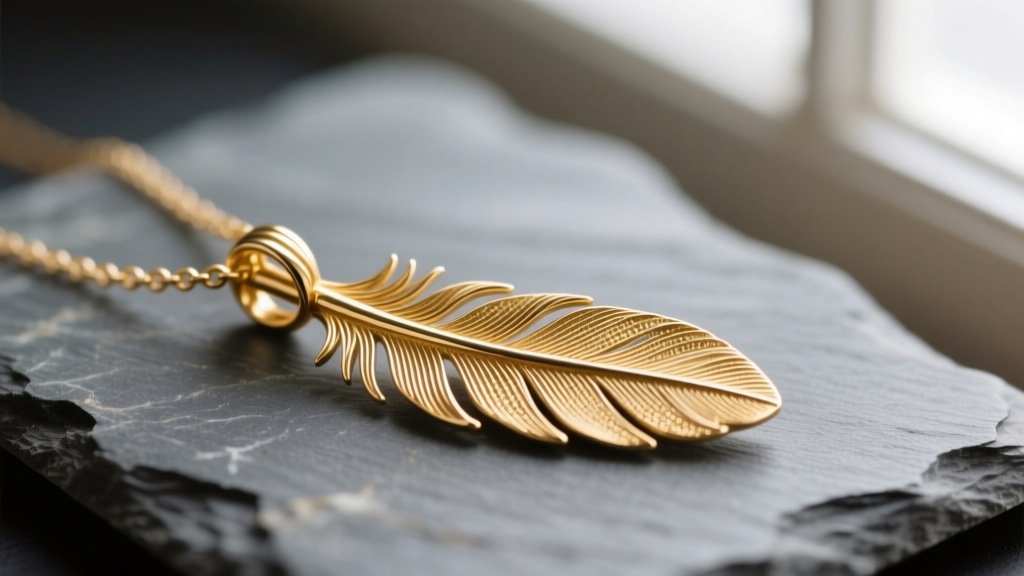
The Anatomy of a High-Quality Feather Pendant
When searching for the perfect necklace with a feather motif, buyers are often overwhelmed by the sheer volume of options ranging from cheap stamped alloys to fine artisan castings. A feather is an organic, highly detailed subject that requires precise metallurgical techniques to capture its essence. Whether you are drawn to the spiritual symbolism of flight, the bohemian aesthetic, or the intricate Art Nouveau interpretations, understanding how these pendants are constructed is the first step in making a smart purchase.
Metal Purity and Casting Methods
The most critical factor in evaluating a feather pendant is the manufacturing method. High-end pieces utilize lost-wax casting. This process involves carving a detailed wax model of the feather, complete with the central shaft (rachis) and individual barbs, which is then encased in investment material and burned out. Molten metal is injected into the void, capturing microscopic textures that die-striking simply cannot achieve.
When reviewing metal purity, always look for the 925 stamp for sterling silver or 14k/18k hallmarks for gold. According to the Gemological Institute of America (GIA), 14k gold offers the ideal balance of rich color and tensile strength required to support the delicate, protruding barbs of a feather design without bending during daily wear. If you are considering gold vermeil, ensure the product description explicitly states a minimum thickness of 2.5 microns over a sterling silver base, as mandated by FTC Jewelry Guides. Anything less is mere gold plating and will quickly wear off the high-friction edges of the feather.
Enamel and Gemstone Accents
For Southwestern or Native American-inspired feather necklaces, look for genuine turquoise or coral inlays set in bezel cups. Avoid glued-in stones, which are a hallmark of mass-produced costume jewelry. If the piece features color, champlevé enamel is vastly superior to painted resin. Champlevé involves carving troughs into the metal and fusing powdered glass at high temperatures, resulting in a permanent, scratch-resistant finish that mimics the iridescence of real plumage.
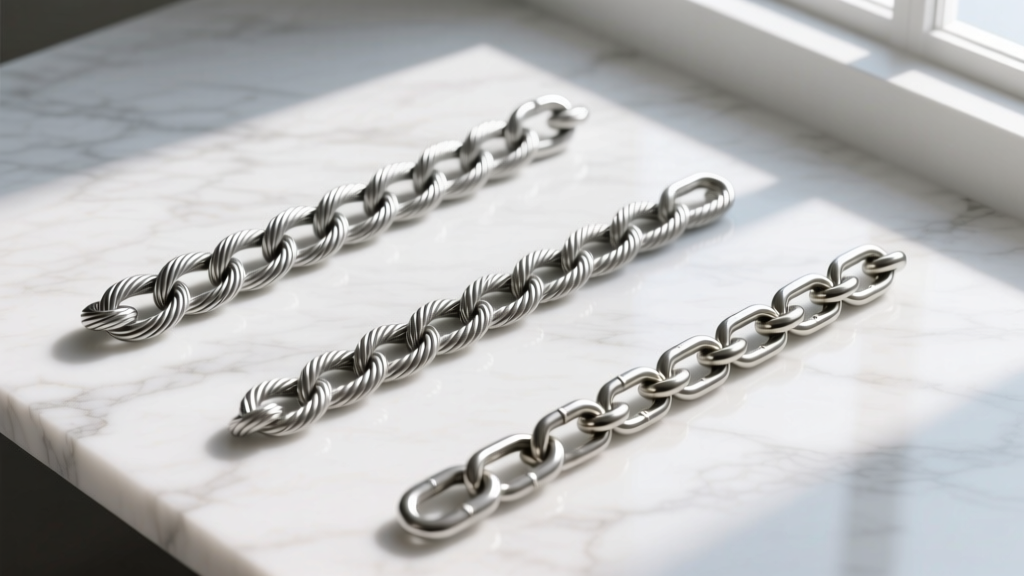
Chain Selection: Matching Weight and Drape
A common mistake buyers make is pairing a heavy, solid-cast feather pendant with a delicate chain. This not only creates a visual imbalance but also poses a severe structural risk. The chain must support the pendant's weight while complementing its organic lines.
According to jewelry manufacturing experts at Halstead Bead, the tensile strength and weave of a chain dictate its load-bearing capacity. A 1.0mm cable chain might hold a lightweight stamped feather, but it will snap under the dynamic stress of a solid 10-gram cast piece. Use the framework below to match your pendant to the correct chain.
| Pendant Weight | Recommended Chain Type | Minimum Gauge (mm) | Clasp Type |
|---|---|---|---|
| Under 5g (Hollow/Stamped) | Box or Cable | 0.8mm - 1.0mm | Spring Ring |
| 5g - 12g (Solid Cast) | Rope or Wheat | 1.2mm - 1.5mm | Lobster Claw |
| Over 12g (Heavy/Oversized) | Figaro or Curb | 2.0mm+ | Heavy Lobster |
Rope and wheat chains are particularly recommended for feather pendants because their twisted, woven links mimic the organic, spiraling texture of the feather's barbs, creating a cohesive visual flow from the clasp to the pendant.
Attachment Mechanisms: The Hidden Failure Points
The way the feather connects to the chain is arguably the most overlooked aspect of the buying process. A poorly designed attachment will cause the pendant to hang crookedly or snap off entirely.
Bail Alignment and the Rachis
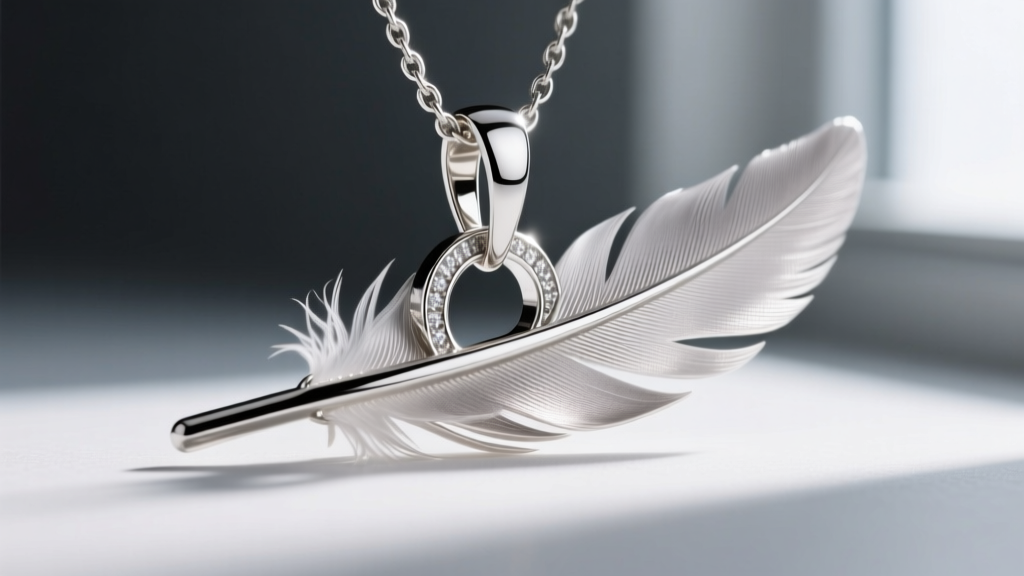
In a well-designed necklace with a feather pendant, the bail (the loop the chain passes through) must be perfectly aligned with the rachis—the central, rigid shaft of the feather. If the designer places the bail on a random outer barb or the calamus (the hollow base), the pendant's center of gravity will be off, causing it to flip upside down or tilt awkwardly against your chest.
Soldered Jump Rings vs. Hidden Bails
- Hidden Bails: The best option for maintaining the illusion of a floating feather. The loop is soldered seamlessly behind the top of the rachis.
- Soldered Jump Rings: A heavy-gauge jump ring that is completely soldered shut is acceptable, but ensure the solder joint is smooth and flush.
- Pinch Bails: Avoid these entirely. They rely on tension prongs that dig into the soft metal of the feather's tip, eventually causing structural failure and ruining the aesthetic.
Styling Framework: Necklines and Proportions
Feather pendants are inherently directional; they point downward, drawing the eye along the vertical axis. To maximize their impact, you must pair them with the correct neckline.
Expert Styling Rule: The tip of the feather should always rest in the 'negative space' of your outfit. For V-necks and deep scoop necks, a 20-inch to 24-inch chain allows the feather to act as a natural extension of the neckline. For crew necks or high collars, opt for an 18-inch choker-length chain with a smaller, wider feather profile to prevent the piece from getting swallowed by the fabric.
When layering, apply the Rule of Contrast. Because a feather is a highly organic, asymmetrical shape, pair it with geometric, structured pieces—such as a simple gold bar necklace or a small circular coin pendant. This prevents the neckline from looking cluttered and allows the intricate texture of the feather to remain the focal point.
Care and Maintenance for Intricate Textures
The very grooves that give a feather pendant its beauty are also its greatest vulnerability. The microscopic channels between the barbs act as traps for skin oils, lotions, and environmental dust, which can quickly oxidize sterling silver and dull gold.
Do not use ultrasonic cleaners on feather pendants, especially those with enamel work or porous stone inlays like turquoise, as the high-frequency vibrations can shatter the inlays or strip the enamel. Instead, use a dedicated jewelry cleaning brush or an extra-soft baby toothbrush. Apply a single drop of mild dish soap to the bristles and gently agitate the grooves along the direction of the barbs. Rinse with lukewarm water and dry immediately with a microfiber cloth to prevent water spots from settling in the deep crevices of the lost-wax casting.


