Fetish Necklace Buying Guide: Leather, Hardware & Safety Tips
Discover what to look for in a high-quality fetish necklace. Our buying guide covers leather grades, O-ring hardware, locking mechanisms, and skin safety.

Understanding Fetish Neckwear: Beyond the Aesthetic
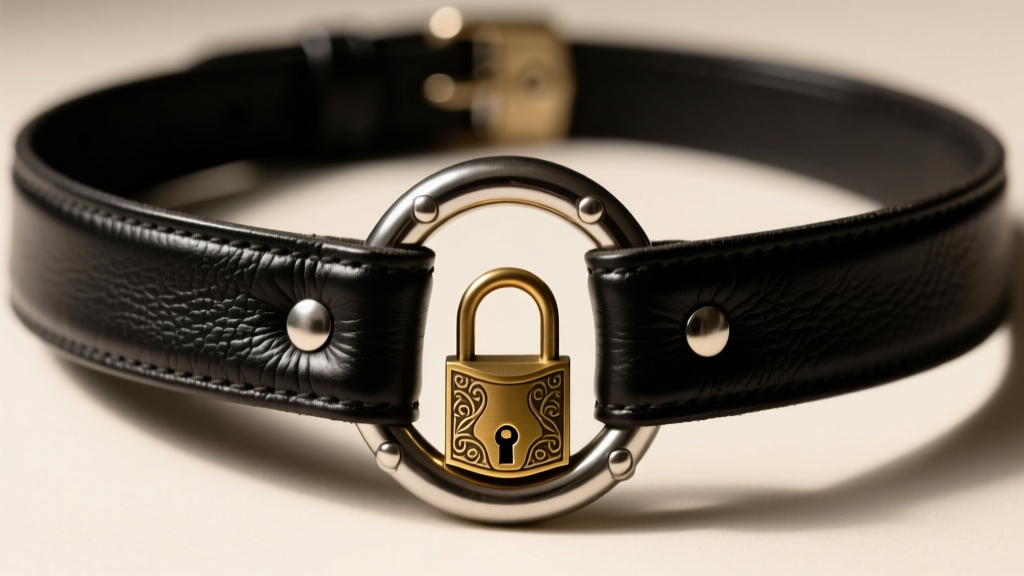
The term 'fetish necklace' encompasses a broad spectrum of neckwear, bridging the gap between avant-garde high fashion and functional BDSM or alternative lifestyle gear. Whether you are investing in a structural leather collar with heavy O-rings, a sleek biothane choker with locking mechanisms, or a chainmail piece inspired by gothic subcultures, the stakes are higher than with standard fashion jewelry. Because these pieces often sit tightly against the neck and may be subjected to physical tension, understanding material integrity, skin safety, and structural engineering is paramount.
This comprehensive buying guide strips away the marketing fluff to focus on what truly matters: metallurgy, leather grading, tensile strength, and ergonomic safety. Whether you are buying for daily alternative fashion or intense physical play, these are the non-negotiable specifications you must look for.
Material Matters: Choosing Safe, Durable Bases
The foundation of any high-quality fetish necklace is the material that maintains direct, prolonged contact with the skin. Sweat, friction, and tension will quickly expose subpar materials.
Leather Grades and Thickness
When shopping for leather fetish neckwear, ignore the ambiguous term 'genuine leather,' which is often a marketing catch-all for low-grade, heavily processed splits. Instead, look for full-grain or top-grain vegetable-tanned leather. Vegetable tanning uses natural tannins, making it far less likely to cause contact dermatitis compared to chrome-tanned leathers, which can leach hexavalent chromium when exposed to heavy sweat.
Thickness is equally critical. Measured in ounces (oz), a durable fetish collar should be between 8 oz and 10 oz (approximately 3.2mm to 4.0mm). Anything thinner will warp, stretch, or tear when heavy steel hardware is attached or when tension is applied. According to the Leather Working Group, properly sourced and finished full-grain leather offers the highest abrasion resistance and structural memory.
Vegan Alternatives: BioThane and Silicone
For those seeking vegan options or gear that can withstand water and heavy perspiration, BioThane is the industry gold standard. Specifically, look for Beta BioThane webbing, which features a polyurethane coating over a polyester core. It boasts a tensile strength of up to 400 lbs per inch of width, is completely waterproof, and can be sanitized with medical-grade cleaners without degrading. Avoid cheap PVC or pleather, which will crack under tension and trap bacteria against the skin.
Hardware Metallurgy: Preventing Allergies and Snaps
The hardware on a fetish necklace—O-rings, D-rings, buckles, and hasps—bears the brunt of the mechanical stress. More importantly, cheap alloys are a primary cause of severe allergic reactions.
- 316L Surgical Stainless Steel: This is the baseline requirement for safe fetish hardware. It must comply with ASTM F138 standards for implant-grade or surgical steel, ensuring low nickel release. It is heavy, highly polished, and resistant to rust.
- Grade 23 Titanium (Ti6Al4V ELI): For individuals with severe nickel allergies or metal sensitivities, anodized titanium is the ultimate upgrade. It is 45% lighter than steel but possesses a higher strength-to-weight ratio and is entirely biocompatible.
- Avoid Zinc Alloys (Pot Metal): Often found in mass-produced, budget-friendly alternative jewelry, zinc alloy hardware is brittle. Under sudden kinetic loads (a sharp tug), a cast zinc O-ring will snap catastrophically, posing a severe injury risk.
Structural Integrity: Welded vs. Split Rings
One of the most dangerous oversights in fetish neckwear manufacturing is the use of split rings (like oversized keychains) for primary load-bearing attachment points. Split rings can easily pull apart under 15 to 30 lbs of uneven force.
Always inspect the hardware. High-end makers use fully welded O-rings and D-rings. A welded ring has no gap; the metal is fused shut, meaning its failure point is tied to the sheer tensile strength of the steel itself, often exceeding 300 lbs of force. If a necklace features a front-facing O-ring intended for aesthetic or functional tethering, it must be seamlessly welded.
| Hardware Type | Material | Estimated Tensile Limit | Best Use Case |
|---|---|---|---|
| Split O-Ring | Stainless Steel | 15 - 30 lbs | Decorative charms only; never for tension |
| Welded O-Ring | 316L Steel | 250 - 400 lbs | Primary D-rings, functional tethering, heavy collars |
| Cast Zinc Buckle | Zinc Alloy | 40 - 60 lbs (Brittle) | None; avoid entirely for safety reasons |
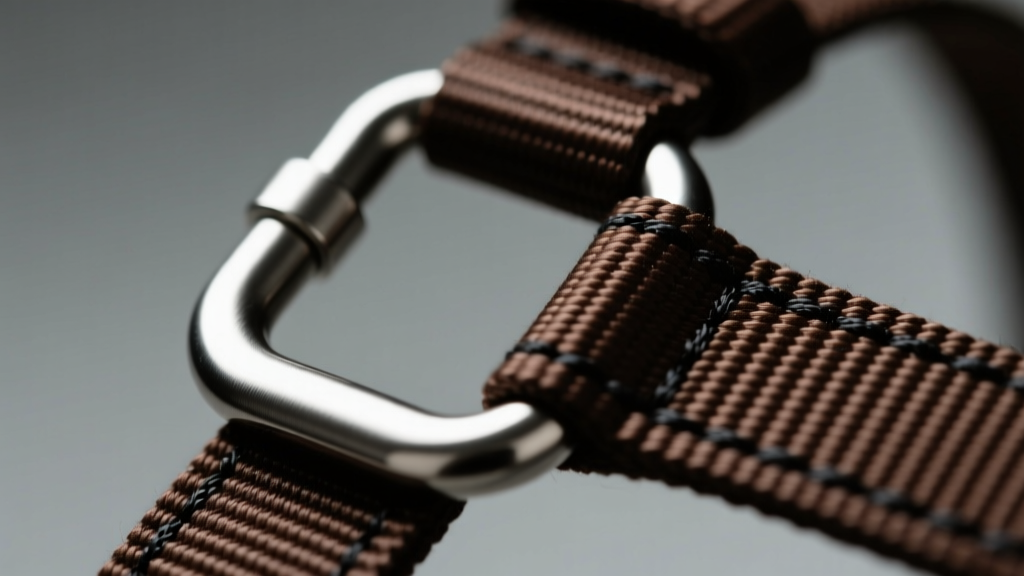
| Cobra Buckle | AustriAlpin Steel | 2,000+ lbs | Quick-release safety closures, heavy-duty wear |
Locking Mechanisms and Safety Releases
The closure mechanism dictates both the security and the safety of the wearer. While the aesthetic of a brass padlock and leather hasp is iconic in fetish fashion, it introduces significant safety hazards in emergency situations.
The Padlock Hasp
If you prefer the traditional locked collar look, ensure the leather hasp is reinforced with a steel core. A leather-only hasp can tear if the padlock is pulled. Furthermore, the padlock itself should be a high-quality, pin-tumbler lock (like those from Abus or Master Lock) rather than a cheap novelty lock, which can jam or break, leaving the wearer trapped.
Quick-Release Buckles
For functional play or all-day wear where safety is paramount, upgrade to an AustriAlpin Cobra buckle. These matte black or steel quick-release buckles click together securely and can withstand thousands of pounds of force, but release instantly with a simple squeeze of the side tabs. They offer the sleek, tactical aesthetic favored in modern gothic and cyberpunk fetish fashion while ensuring the wearer can remove the necklace in seconds without needing a key or cutting tool.
Sizing, Fit, and Ergonomic Clearance
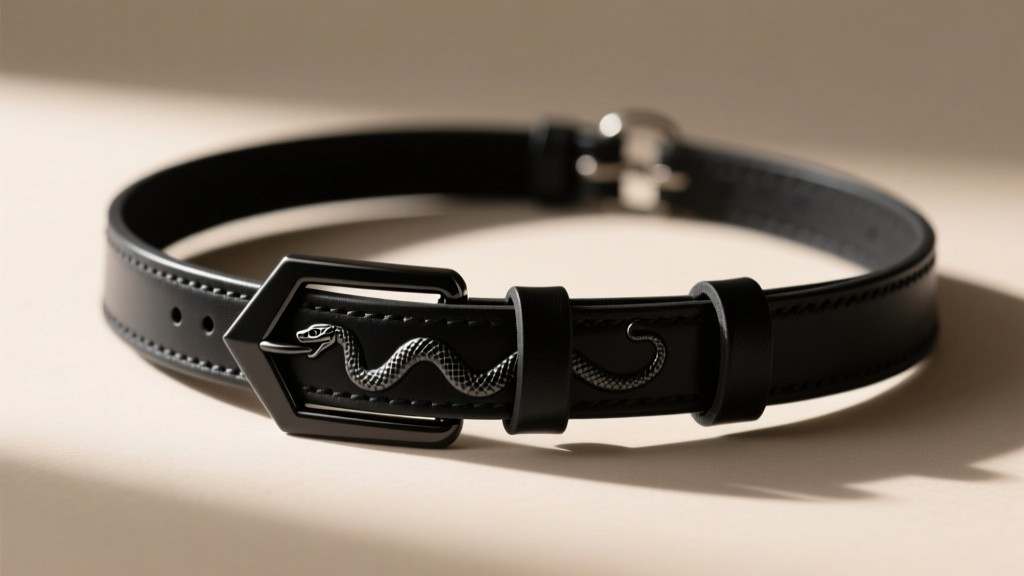
A fetish necklace must fit precisely to avoid restricting blood flow or pressing dangerously against the trachea. Unlike a standard chain necklace, a structured collar requires exact measurements.
- Measure Accurately: Use a flexible tailor's tape measure around the exact part of the neck where the collar will sit. Do not pull the tape tight; it should rest flush against the skin.
- The Two-Finger Rule: Once the necklace is fastened, you should be able to comfortably slide two fingers between the leather and the wearer's neck. This allows for natural swelling, breathing expansion, and movement.
- Trachea Protection: High-quality collars are often contoured or feature a 'dip' at the front center. This ergonomic cutout prevents the rigid leather or heavy metal O-ring from resting directly on the Adam's apple or trachea, shifting the pressure to the stronger sternocleidomastoid muscles on the sides of the neck.
Care, Maintenance, and Longevity
Proper maintenance ensures your investment remains safe and visually striking. For full-grain leather, wipe down with a damp cloth after heavy wear and condition every few months with a beeswax-based leather balm to prevent the fibers from drying out and cracking around the hardware rivets. For BioThane and silicone, a simple wash with antibacterial soap and warm water is sufficient. Always inspect the stitching and rivets before wear; if a heavy-duty nylon thread begins to fray, or if a copper rivet shows signs of pulling through the leather, retire the piece or have it reconditioned by a professional leatherworker immediately.
When investing in fetish neckwear, you are paying for engineering as much as aesthetics. Never compromise on welded hardware or skin-safe metallurgy; the right materials ensure the piece is as safe as it is striking.


