Figaro Necklace Chain Materials: Gold, Silver, and Steel Compared
Discover how different metals affect your figaro necklace chain. We compare gold, sterling silver, and steel for durability, weight, and price.

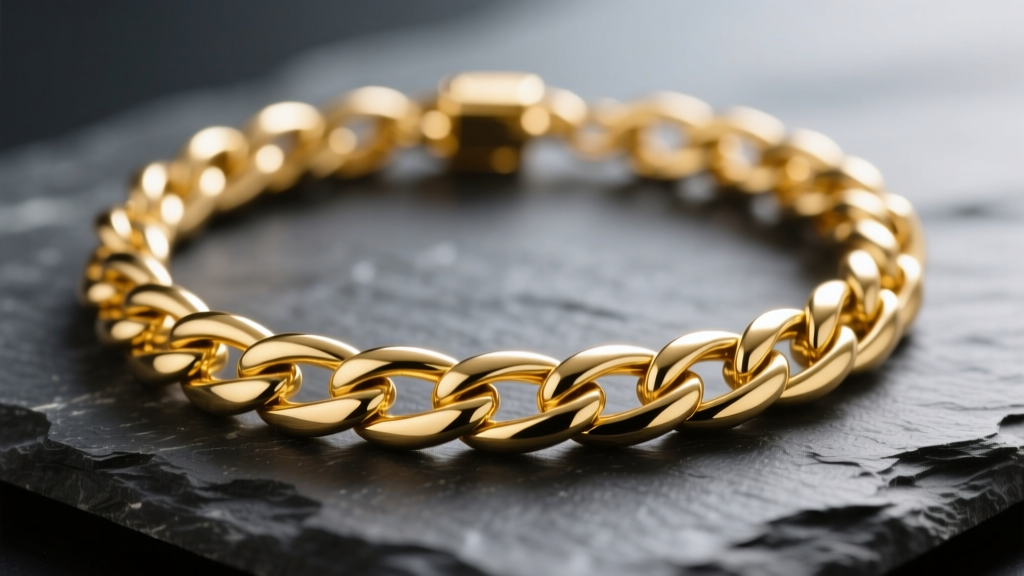
The Anatomy of a Figaro Chain and Why Material Matters
The figaro necklace chain is a staple of Italian jewelry design, characterized by its distinctive pattern of two or three small circular links followed by one elongated oval link. While its aesthetic is timeless, the structural geometry of the Figaro pattern introduces unique physical vulnerabilities. The elongated link acts as a natural stress point; if subjected to sudden tension or heavy pendant weights, this specific link is highly susceptible to stretching or warping.
Because of this inherent structural quirk, the metallurgical properties of the metal used to craft the chain are not just a matter of color or prestige—they are a matter of functional longevity. A material's tensile strength, Mohs hardness, and alloy composition will dictate whether your Figaro chain remains pristine for decades or slowly elongates into an uneven, distorted mess. In this guide, we break down the exact material properties of the most common Figaro chain metals, providing a data-driven framework to help you choose the right alloy for your lifestyle.
925 Sterling Silver: The Budget-Friendly Classic
Sterling silver is the most common entry point for Figaro chains, prized for its bright luster and accessible price point. By definition, 925 sterling silver consists of 92.5% pure silver and 7.5% alloy metals, usually copper. According to The Silver Institute, this copper addition is what gives the otherwise soft pure silver enough rigidity to be drawn into wire and formed into links.
Properties and Failure Modes
- Hardness: Mohs 2.5 to 3. It is relatively soft and highly susceptible to micro-scratches from daily wear.
- Tensile Strength: Low to moderate. Sterling silver has a high degree of malleability.
- Primary Failure Mode: Link elongation. If you hang a heavy pendant on a thin (under 3mm) sterling silver Figaro chain, the weight will slowly stretch the elongated oval links over time, ruining the 3:1 visual ratio.
- Maintenance: The copper alloy reacts with sulfur in the air, causing tarnish. Regular polishing with a treated jeweler's cloth is required to maintain the finish.
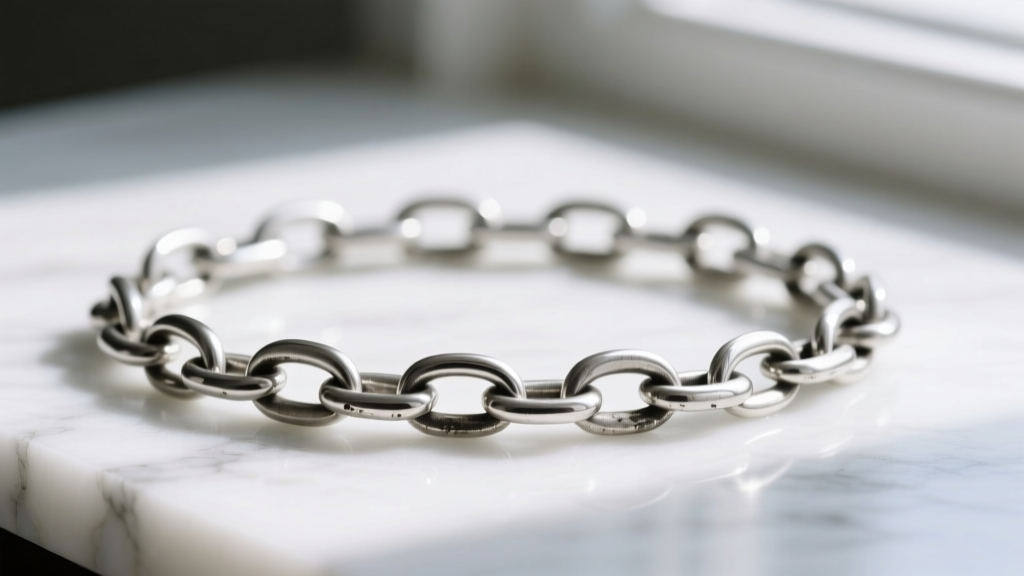
14k vs. 18k Gold: The Investment Standard
Gold Figaro chains represent the traditional investment tier, but not all gold is created equal. The karat system dictates the purity of the gold, which inversely affects the chain's durability. The Gemological Institute of America (GIA) notes that pure 24k gold is far too soft for chain manufacturing, necessitating the use of alloy metals like copper, zinc, and silver.
14k Gold (58.5% Pure Gold)
14k gold is the undisputed champion of everyday chain durability. The higher percentage of alloy metals (41.5%) creates a tighter, more rigid crystalline structure. A 14k yellow gold Figaro chain will resist stretching and link deformation significantly better than its higher-karat counterparts. It is the recommended choice for chains that will bear the weight of a pendant.
18k Gold (75% Pure Gold)
18k gold offers a richer, deeper yellow hue and a higher intrinsic metal value, but it is noticeably softer. An 18k Figaro chain should be reserved for standalone wear or very lightweight pendants. If you opt for an 18k Figaro chain in a thicker gauge (5mm or above), the sheer weight of the heavy gold links can sometimes cause the chain to stretch under its own mass over several years of continuous wear.
316L Stainless Steel and Titanium: The Modern Indestructibles
For those prioritizing extreme durability and zero maintenance, modern metallurgy offers 316L surgical stainless steel and Grade 23 titanium. These metals have completely disrupted the men's and streetwear jewelry markets over the last decade.
316L Stainless Steel: This marine-grade steel contains molybdenum, which provides exceptional resistance to pitting and corrosion. A steel Figaro chain will never stretch, tarnish, or lose its structural integrity. However, it is heavy, and if a link does break, standard jewelers cannot easily solder it due to the metal's high melting point and thermal conductivity.
Grade 23 Titanium (Ti-6Al-4V): Titanium offers the highest strength-to-weight ratio. A titanium Figaro chain feels incredibly light on the neck but possesses tensile strength rivaling steel. It is 100% hypoallergenic and biocompatible, making it the ultimate choice for those with severe nickel or copper contact dermatitis.
Material Comparison Matrix
Use the table below to compare the physical and economic properties of a standard 20-inch, 4mm Figaro chain across different materials.
| Material | Tensile Strength | Stretch Risk | Avg. Price Range (20", 4mm) | Repairability |
|---|---|---|---|---|
| 925 Sterling Silver | Moderate | High (if weighted) | $80 - $180 | Excellent (Easy to solder) |
| 14k Yellow Gold | High | Low | $600 - $1,200 | Excellent (Laser or torch) |
| 18k Yellow Gold | Moderate-High | Moderate | $900 - $1,800 | Good (Requires care) |
| 316L Stainless Steel | Very High | None | $40 - $90 | Poor (Requires specialized welding) |
| Grade 23 Titanium | Exceptional | None | $60 - $150 | Poor (Nearly impossible to solder) |
The Soldering Imperative: A Hidden Durability Factor
When evaluating a Figaro necklace chain, the material is only half the equation; the manufacturing technique is the other. According to manufacturing experts at Rio Grande Jewelry Supply, chains are produced in either unsoldered or soldered formats.
In an unsoldered chain, the links are simply bent into shape and pressed closed. Over time, friction and tension will cause the microscopic gap in the link to open, leading to breakage. In a soldered chain, the seam of every single link is fused shut with a specialized metal alloy using a laser or micro-torch. For a Figaro chain, purchasing fully soldered links is non-negotiable. The elongated links experience lateral stress every time the wearer turns their head; if unsoldered, the long links will inevitably pull apart at the seam. Always verify with the jeweler that the chain features fully soldered links.
Gauge Sizing and Weight Distribution Framework
The width (gauge) of your Figaro chain must be matched to both your chosen material and your intended use case. Here is a practical decision framework:
Lightweight (2.0mm - 3.0mm)
Ideal for holding small to medium pendants (e.g., a 10mm gemstone solitaire or a small gold cross). Material Recommendation: 14k Gold or 316L Steel. Avoid sterling silver in this gauge if the pendant exceeds 5 grams, as the thin silver links will stretch.
Medium Statement (4.0mm - 5.5mm)
The most versatile width. It can be worn standalone as a subtle statement piece or paired with a heavier medallion. Material Recommendation: Any material works here, though 18k gold begins to show its luxurious weight and drape beautifully at this thickness.
Heavy Statement (6.0mm - 10.0mm+)
Designed strictly for standalone wear. These chains are heavy, bold, and command attention. Material Recommendation: If budget allows, 14k gold is the traditional choice. However, a solid 925 sterling silver chain at 8mm will be quite expensive and heavy. For maximum visual impact on a budget, a 7mm 316L stainless steel Figaro chain offers the exact same aesthetic footprint as a $3,000 gold chain for under $100, with zero risk of stretching.
Final Verdict: Choosing Your Metal
Selecting the right material for your Figaro necklace chain requires balancing your budget, your skin chemistry, and how you plan to wear it. If you want a generational piece that can hold a valuable pendant, invest in a fully soldered 14k gold chain. If you prefer a low-maintenance, waterproof accessory for daily wear, 316L stainless steel is functionally indestructible. By understanding the tensile limitations and structural quirks of the Figaro pattern, you can ensure your chain remains as perfectly proportioned as the day you bought it.


