The 2026 Gift Guide: Choosing the Perfect China Necklace
Discover how to select, style, and gift a fine china necklace in 2026. Explore porcelain grades, glaze types, and occasion-matching tips.

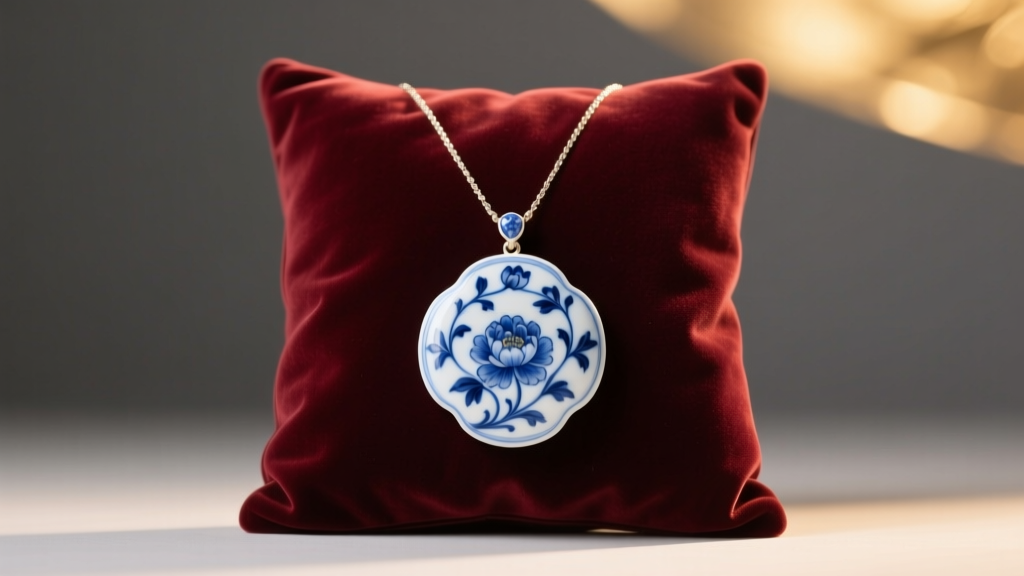
When it comes to meaningful gifting in 2026, jewelry collectors and stylists are moving beyond standard metallic chains and mass-produced gemstones. There is a profound shift toward artisanal, heritage-rich materials that tell a story. Enter the china necklace—specifically, fine porcelain and high-fire ceramic pendants. Often misunderstood as fragile or outdated, true porcelain jewelry is a triumph of material science and artistic expression. Whether you are shopping for a milestone anniversary, a graduation, or a sentimental holiday gift, understanding the nuances of ceramic craftsmanship is essential for selecting a piece that will endure.
The Material Science of Fine Porcelain
To the untrained eye, any ceramic pendant might be loosely labeled as 'china.' However, in the jewelry and ceramics world, the distinction between earthenware, stoneware, and true porcelain is vast. According to the Ceramic Arts Network, true porcelain is formulated from kaolin clay, feldspar, and quartz, and must be fired at extreme temperatures ranging from 1,300°C to 1,400°C (2,372°F to 2,552°F).
This intense heat causes vitrification—a process where the clay body melts and fuses into a glass-like, non-porous state. A genuine porcelain china necklace pendant will be translucent when held to the light, highly resistant to water absorption, and incredibly hard, ranking between 6 and 7 on the Mohs hardness scale. This makes it highly resistant to scratching from everyday wear, though it remains susceptible to blunt-force chipping. When gifting, always verify that the piece is high-fire porcelain rather than low-fire earthenware, which is porous, opaque, and prone to cracking over time.
Occasion Matching: Gifting by Milestone
A porcelain pendant is not a one-size-fits-all gift. The glaze technique, historical motif, and structural design should align closely with the recipient's milestone and personal aesthetic.
Weddings and Milestone Anniversaries
For profound romantic milestones, look toward historical blue-and-white underglaze techniques inspired by the Qing dynasty or Dutch Delftware. These pieces feature cobalt oxide painted directly onto the unfired porcelain body before a clear, glass-like glaze is applied. The result is a permanent, fade-proof design locked beneath a protective glassy surface. A hand-painted floral or koi motif set in a 14k yellow gold bezel offers a striking contrast that honors tradition while feeling entirely modern. The Metropolitan Museum of Art notes that these blue-and-white porcelain techniques have symbolized longevity and prosperity for centuries, making them deeply appropriate for anniversaries.
Graduations and Professional Milestones
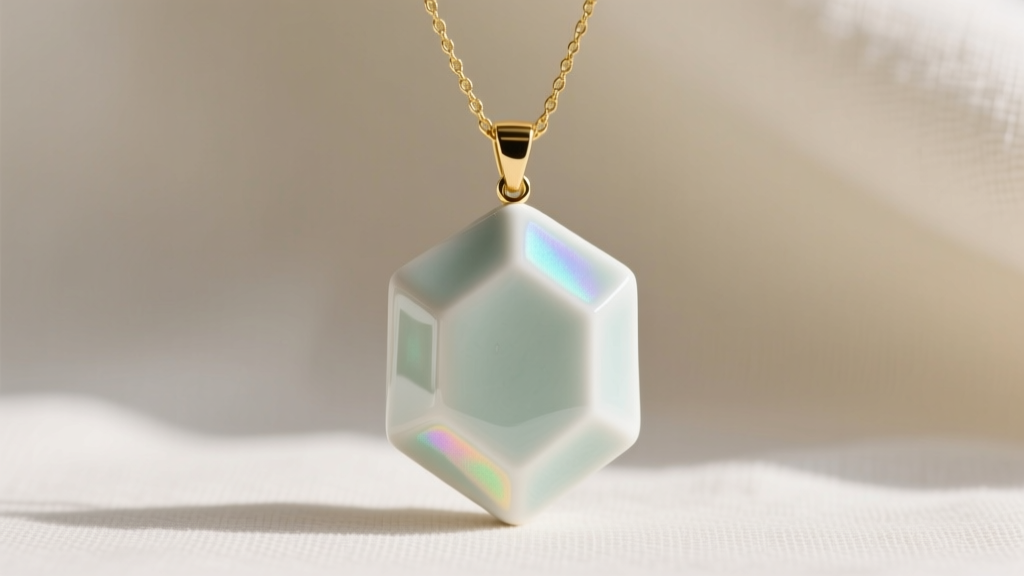
For the modern graduate or the minimalist professional, avoid ornate painted motifs. Instead, seek out high-fire porcelain featuring celadon or matte unglazed finishes. Celadon glazes, which rely on iron oxide fired in a reduction kiln, produce subtle, jade-like greens and grays that pair beautifully with sterling silver or white gold hardware. Geometric, faceted porcelain pendants offer an architectural, contemporary silhouette that transitions seamlessly from a boardroom to an evening out.
Sentimental and Heirloom Gifting
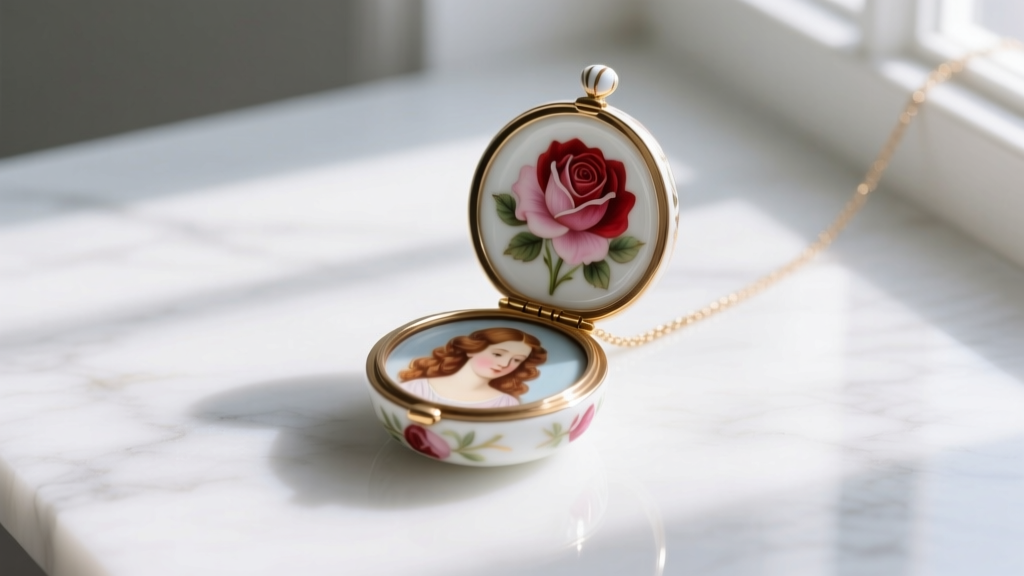
If the occasion calls for deep sentimentality—such as Mother’s Day or a memorial gift—consider a Limoges-style porcelain locket. Originating from the historic kilns of France, these miniature, hand-painted enamel-on-porcelain portraits or floral scenes are often housed in intricate brass or gold-plated lockets. They serve as wearable heirlooms, bridging the gap between fine jewelry and miniature portrait art.
The Buyer’s Matrix: Price, Glaze, and Hardware
When evaluating a china necklace for purchase, use this matrix to ensure you are paying a fair price for the appropriate level of craftsmanship and material integrity.
| Material Grade | Firing Temp | Glaze Type | Best Hardware Pairing | Estimated Price Range (2026) |
|---|---|---|---|---|
| Low-Fire Earthenware | < 1,000°C | Overglaze / Acrylic | Base metal / Plated brass | $20 - $45 |
| Mid-Fire Stoneware | 1,200°C | Satin / Matte Ash | Sterling Silver (925) | $50 - $120 |
| High-Fire Porcelain | 1,300°C - 1,400°C | Celadon / Cobalt Underglaze | 14k Gold-Filled or Solid Gold | $130 - $350+ |
| Antique / Limoges | Variable (Historic) | Hand-painted Enamel | Vintage Gold-Plated Locket | $250 - $800+ |
Hardware, Sizing, and Chain Pairing
The most common point of failure in ceramic jewelry is not the clay itself, but the connection point where the pendant meets the chain. Porcelain is hard but brittle; if a metal bail (the loop that holds the pendant) rubs directly against the ceramic hole without a buffer, the friction can eventually micro-fracture the clay, leading to a catastrophic break.
When inspecting a high-end china necklace, look for a sterling silver or gold pinch bail equipped with a neoprene or silicone washer. This tiny, nearly invisible buffer absorbs kinetic shock and prevents metal-on-ceramic friction. Furthermore, the chain you select must support the weight of the pendant without snapping. Porcelain pendants are denser and heavier than hollow metal charms. Opt for a 1.2mm to 1.5mm box chain or a woven rope chain. Avoid delicate 0.8mm cable chains, which can easily kink or snap under the pendulum-like motion of a heavy ceramic pendant.
Care and Maintenance for Fine Porcelain Jewelry
Gifting a porcelain piece also means gifting the knowledge of how to care for it. While vitrified porcelain is entirely waterproof and will not degrade from skin oils or perfumes, the glazes and historical enamels require specific maintenance.
- Never use ultrasonic cleaners: The high-frequency vibrations can exploit microscopic crazing (hairline cracks) in vintage glazes or overglaze enamels, causing the decorative layer to flake off.
- Avoid thermal shock: Do not wear porcelain jewelry in hot tubs or saunas. Rapid temperature changes can cause the clay body and the glassy glaze to expand at different rates, resulting in structural cracking.
- Cleaning protocol: Simply wipe the pendant with a damp microfiber cloth and a drop of pH-neutral dish soap. Dry immediately with a soft towel to prevent water spots on high-gloss celadon finishes.
Final Gifting Tips for 2026
When presenting a china necklace, the unboxing experience should reflect the artisanal nature of the piece. Avoid standard velvet jewelry boxes that trap moisture. Instead, present the necklace in a lined wooden box or a breathable linen pouch, accompanied by a small card detailing the specific kiln temperature, clay origin, and the artist's inspiration. By understanding the profound material science and historical weight of fine porcelain, you elevate your gift from a simple accessory to a wearable piece of art that will endure for generations.


