How to Choose Your First 14k Necklace: A Beginner Guide
Learn how to buy your first 14k necklace with our beginner guide. Discover gold alloys, chain styles, pricing, and care tips for everyday wear.

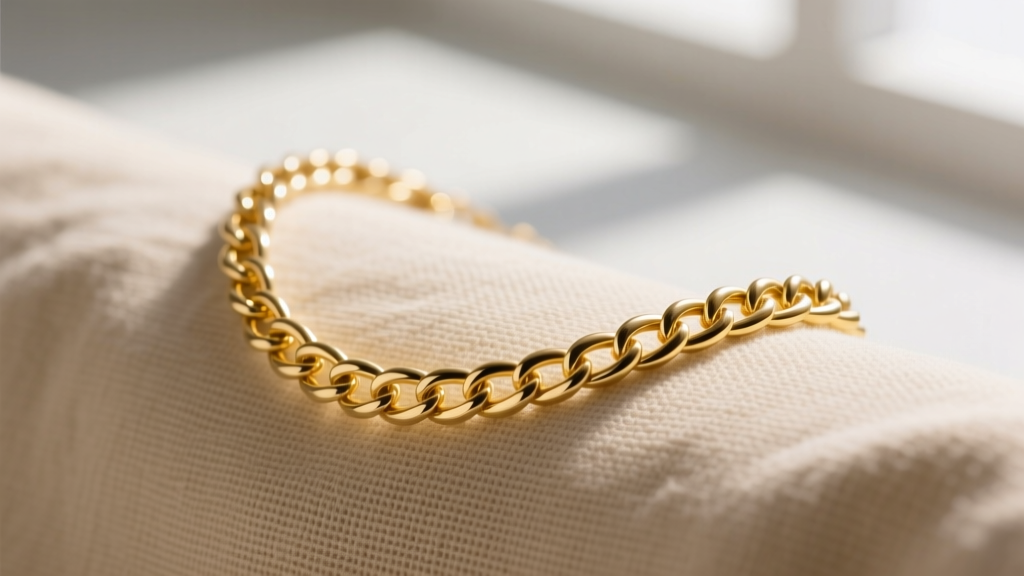
Buying your first fine jewelry piece is a major milestone, and a 14k necklace is widely considered the ultimate sweet spot for everyday wear. It offers the perfect balance of rich color, structural durability, and accessible pricing. However, walking into a jewelry store or browsing online can quickly become overwhelming when faced with varying chain styles, cryptic hallmark stamps, and fluctuating gold prices.
This beginner-friendly explainer cuts through the marketing fluff. We will break down the exact metallurgy of 14-karat gold, compare popular chain links for tensile strength, and provide a concrete pricing framework so you know exactly what you should be paying in 2026.
The Science of Alloys: What Exactly is 14k Gold?
Pure gold (24k) is incredibly dense and heavy, but it is also remarkably soft. On the Mohs scale of mineral hardness, 24k gold sits at a mere 2.5—meaning it can be scratched by a copper penny and easily bent out of shape with bare hands. If a necklace were crafted from pure 24k gold, the delicate links would stretch, and the clasp would fail under the weight of a pendant.
To solve this, jewelers alloy pure gold with other metals. The karat system measures purity out of 24 parts. Therefore, a 14k necklace contains 14 parts pure gold and 10 parts alloy metals, translating to exactly 58.3% pure gold. According to the Gemological Institute of America (GIA), the specific alloy metals used dictate the final color of the piece:
- Yellow Gold: Typically alloyed with a balanced mix of silver and copper to maintain a warm, classic hue while boosting durability.
- Rose Gold: Achieves its pinkish-red tone by significantly increasing the copper content (often up to 41.7% of the total alloy mix).
- White Gold: Alloyed with white metals like nickel, palladium, or manganese, and almost always plated with a microscopic layer of rhodium to give it a bright, mirror-like silver finish.
14k vs. 18k vs. 10k: A Quick Comparison
Why choose 14k over the alternatives? Here is how the most common gold purities stack up for necklace chains:
| Gold Purity | Gold Content | Durability | Color Profile | Best Use Case |
|---|---|---|---|---|
| 10k Gold | 41.7% | Extremely High | Pale, slightly dull | Budget chains, heavy pendants |
| 14k Gold | 58.3% | High | Rich, warm yellow | Everyday wear, engagement jewelry |
| 18k Gold | 75.0% | Moderate | Deep, saturated yellow | High-end luxury, occasional wear |
| 24k Gold | 99.9% | Very Low | Bright orange-yellow | Investment bullion, not for chains |
While 18k gold boasts a deeper yellow color, it is significantly more prone to scratching and denting. 14k gold remains the undisputed champion for necklace chains that need to survive daily wear, showers, and the occasional snag on a sweater.
Choosing the Right Chain Style for Everyday Wear
The structural integrity of your 14k necklace depends heavily on the link design. Not all chains are created equal, and some are notorious for irreversible damage.
The Indestructible Classics: Cable, Curb, and Figaro
Cable chains feature uniform oval or round links connected to each other. They are incredibly easy for a jeweler to solder and repair if broken. Curb chains feature flattened, interlocking links that lie flat against the collarbone, offering excellent tensile strength. Figaro chains are a variation of the curb, alternating between two or three short links and one long link. All three are highly recommended for holding heavy pendants.
Texture and Fragility: Box, Rope, and Snake
Box chains are made of square, interlocking links that create a smooth, geometric surface. While beautiful, thin box chains (under 1.5mm) are highly susceptible to kinking and stretching. Rope chains twist together to mimic the look of a woven rope, offering brilliant light reflection, but if a link snaps, the entire section can unravel, making repairs difficult and expensive.
Pro-Tip: Avoid snake chains and herringbone chains for everyday pendant wear. Their tightly packed, flush-linked designs act like a hinge; once bent or kinked, the structural memory of the metal is permanently compromised, and they cannot be fully repaired.
The Pricing Framework: How Much Should a 14k Necklace Cost?
Understanding the pricing of a 14k necklace requires separating the melt value of the raw gold from the retail markup (labor, design, and brand overhead). Let us break down the math using a standard 18-inch, 2.0mm 14k yellow gold cable chain, which typically weighs around 3.8 grams.
- Calculate Pure Gold Content: 3.8 grams × 0.583 (58.3% purity) = 2.21 grams of pure 24k gold.
- Apply the Spot Price: If the global spot price of gold is roughly $74.00 per gram, the raw melt value of the gold in this chain is approximately $163.50.
- Add the Retail Markup: Basic, machine-made chains from reputable online jewelers typically carry a 2x to 3x markup over melt value to cover manufacturing, shipping, and business overhead. Expect to pay between $325 and $490.
If you are looking at a designer brand or a hand-forged artisan chain, the markup can easily jump to 5x or 10x the melt value, pushing the price well over $1,000. Always weigh the chain (or ask for the exact gram weight) before purchasing to ensure you are not overpaying for basic machine-made jewelry.
Hallmarks and Stamps: Avoiding Fakes
The Federal Trade Commission (FTC) Jewelry Guides strictly regulate how gold is marked in the United States. When inspecting the tiny clasp of your 14k necklace, look for these specific hallmarks:
- 14k or 14K: The standard US marking.
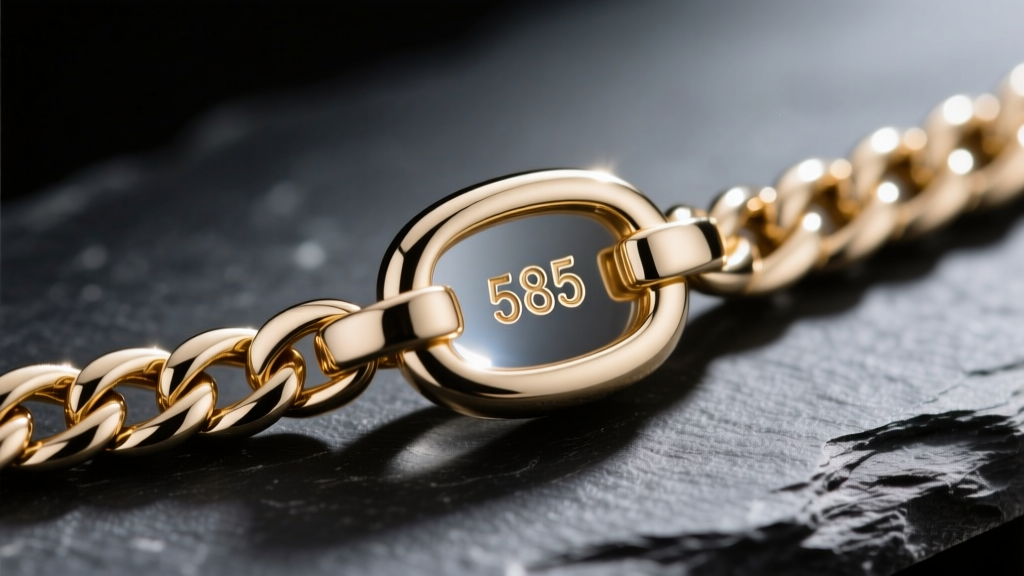
- 585: The European standard marking, denoting 585 parts per thousand (58.5%, a slight rounding up of 58.3%).
- 14KP: The "P" stands for Plumb. This is a guarantee that the piece contains exactly or slightly more than 14k gold, with no negative tolerance. It is a mark of high-quality refining.
Beware of deceptive stamps: Markings like "14k HGE" (Heavy Gold Electroplate) or "14k GF" (Gold Filled) mean the necklace is primarily made of base metals like brass or copper, with only a microscopic outer layer of gold. These will eventually tarnish and wear through, exposing the base metal beneath.
Daily Care and Maintenance

While 14k gold is highly resistant to tarnish, the alloy metals (specifically copper and silver) can react to harsh chemicals over time. To keep your necklace looking pristine:
- The Shower Rule: Water alone will not harm 14k gold, but the sulfates and chlorine in municipal water or swimming pools can cause white gold to lose its rhodium plating faster and yellow gold to accumulate dull soap scum.
- Cleaning Solution: Skip the harsh commercial dips. Mix a few drops of mild, phosphate-free dish soap (like Dawn) into a bowl of lukewarm water. Let the chain soak for 15 minutes, gently agitate it with a baby-soft toothbrush, and pat it dry with a microfiber cloth.
- Storage: Never toss your necklace into a communal jewelry box. Gold scratches easily against harder gemstones like diamonds or sapphires. Store it in a soft flannel pouch or hang it on a velvet-lined stand to prevent the links from tangling.
Final Thoughts
A 14k necklace is an investment in your personal style and a versatile foundation for your jewelry wardrobe. By prioritizing durable link styles like the curb or cable, understanding the gram-weight pricing model, and verifying the hallmark stamps, you can confidently purchase a piece that will last a lifetime without falling victim to inflated retail markups or deceptive plating.


