How to Fit and Layer a Chain Choker Necklace: A Step-by-Step Guide
Master the perfect fit with our step-by-step guide to measuring, selecting gauges, and layering a chain choker necklace for any neckline or occasion.

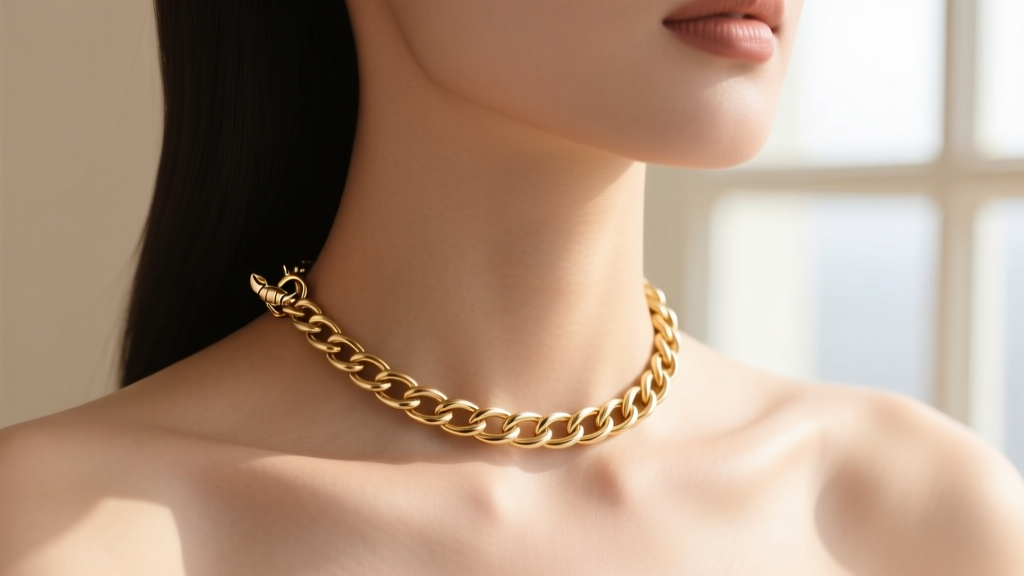
The Anatomy of a Perfect Chain Choker Necklace
The chain choker necklace has evolved far beyond its 1990s grunge and tattoo-choker origins. Today, it is a cornerstone of fine jewelry styling, offering a sleek, architectural anchor to both minimalist and maximalist outfits. However, because a choker sits at the narrowest part of the neck, the margin for error in sizing, gauge selection, and layering is virtually zero. A millimeter too thick, and it looks bulky; an inch too short, and it restricts movement. This comprehensive, step-by-step guide will teach you how to measure, select, and layer a chain choker necklace with professional precision.
Step 1: Precision Neck Measurement
Standard jewelry sizing often fails when applied to chokers. While a 16-inch chain might be a standard "princess" length for a pendant, on a choker, it will sit loosely at the base of the neck. True chokers typically range from 14 to 15.5 inches, depending on your anatomy.
The Tailor's Tape Method
- Tool: Use a soft, flexible tailor's measuring tape (not a rigid carpenter's tape).
- Positioning: Wrap the tape around the mid-neck, exactly where you want the chain to rest. For most, this is just above the collarbone and below the Adam's apple.
- The Two-Finger Rule: Slide two fingers flat against your neck under the tape. This ensures breathing room and accounts for natural neck swelling that occurs throughout the day or during warmer weather.
- Calculation: Note the measurement with your fingers in place. If it reads 14 inches, your ideal custom chain choker necklace length is exactly 14 inches. If you are buying off-the-rack, a 14.5-inch chain with a 1-inch extender offers the most versatility.
Step 2: Selecting Chain Profiles and Wire Gauges
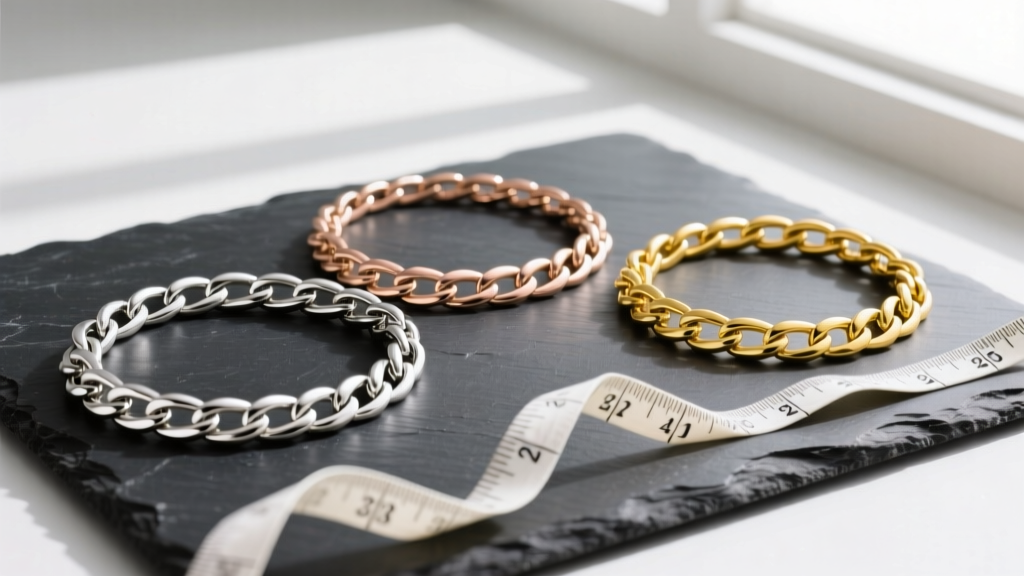
The visual weight of a chain choker necklace is dictated by its profile (the link shape) and its wire gauge (the thickness of the metal). Because chokers sit so close to the face, overly thick chains can overwhelm delicate features, while ultra-thin chains can disappear into the skin.
| Chain Profile | Ideal Gauge (mm) | Weight (g/inch in 14k) | Best Use Case |
|---|---|---|---|
| Cable | 1.2mm - 2.0mm | ~1.0g - 1.8g | Delicate, everyday wear; ideal for layering under pendants. |
| Curb | 2.5mm - 4.0mm | ~3.5g - 6.0g | Streetwear, bold statements; lays perfectly flat against the skin. |
| Figaro | 2.0mm - 3.5mm | ~2.5g - 4.5g | Vintage aesthetics; adds visual texture without excessive weight. |
| Rope | 1.5mm - 3.0mm | ~2.0g - 5.0g | High light-reflection; excellent standalone piece for evening wear. |
Expert Insight: Avoid cable chains under 1.0mm for chokers. The constant friction and bending at the nape of the neck will cause sub-millimeter links to kink and eventually snap. A 1.5mm to 2.5mm gauge is the ultimate sweet spot for durability and elegance.
Step 3: Material Grades and Real-World Pricing
Because a choker rests against the highly sensitive skin of the neck—where sweat and perfumes accumulate—material choice is critical for preventing contact dermatitis and tarnishing.
316L Surgical Stainless Steel
For budgets between $25 and $60, 316L stainless steel is the undisputed champion. It contains virtually no free nickel, making it hypoallergenic, and it will not tarnish when exposed to water or cosmetics. Look for brands that use PVD (Physical Vapor Deposition) gold plating over 316L steel, which lasts up to 10 times longer than traditional electroplating.
925 Sterling Silver vs. Precious Metals
Sterling silver ($50 - $150) is a classic choice, but it requires maintenance. According to The Silver Institute, authentic 925 silver contains 7.5% copper, which reacts with sulfur in the air and sweat to create tarnish. Always opt for rhodium-plated sterling silver for a choker to create a barrier against skin oils. For heirloom-quality pieces, the Gemological Institute of America (GIA) recommends 14k or 18k solid gold ($300 - $900+), which offers unmatched longevity and will never degrade against the skin.

Step 4: The 2-Inch Layering Framework
Layering a chain choker necklace requires strict mathematical spacing to prevent the chains from tangling and to ensure each piece is visually distinct. The industry-standard "2-Inch Rule" guarantees a flawless cascade.
- Layer 1 (The Anchor): Your chain choker necklace at 14.5 to 15 inches. This sits snugly at the mid-neck. Keep this chain simple (e.g., a 2mm cable or curb).
- Layer 2 (The Princess): Drop exactly 2 to 2.5 inches to a 17-inch chain. This should rest on the upper chest. This is the ideal layer for a small, lightweight pendant or a slightly thicker chain profile.
- Layer 3 (The Matinee): Drop another 3 inches to a 20-inch chain. This elongates the torso and draws the eye downward. Use a heavy rope chain or a large statement pendant here.
Neckline Pairing: A layered choker setup works best with scoop necks, V-necks, or unbuttoned collared shirts. Avoid layering chokers with high crew necks or turtlenecks, as the fabric friction will twist the chains and cause severe tangling.
Troubleshooting Common Choker Failures
Even with perfect sizing, hardware failures can ruin the experience of wearing a choker. Here is how to troubleshoot the most common issues:
- Hair Snagging at the Nape: Standard lobster claw clasps have a tiny gap near the lever that acts like a comb for fine hair. Solution: Have a jeweler solder the jump ring closed, or switch to a seamless magnetic clasp or a smooth toggle clasp if the chain gauge is above 3.0mm.
- Skin Discoloration (Green/Black marks): This is not an allergy; it is a chemical reaction between copper alloys in lower-karat gold or silver and your skin's acidity. Solution: Wipe the chain daily with a microfiber cloth to remove lotion buildup, or upgrade to 18k gold or platinum.
- Clasp Slipping to the Front: If the clasp keeps sliding to your collarbone, your chain is too light relative to the clasp's weight. Solution: Add a small, decorative counterweight charm directly opposite the clasp to balance the center of gravity.
Pro Styling Tip: When wearing a chain choker necklace with a blazer or structured jacket, opt for a high-polish finish rather than a matte or brushed finish. The high-polish metal will catch the ambient light in dimly lit environments, creating a sharp, intentional contrast against heavy fabrics.
Final Thoughts on Choker Mastery
A well-fitted chain choker necklace is an exercise in precision. By taking the time to accurately measure your neck, selecting a wire gauge that complements your anatomy, and adhering to strict layering intervals, you transform a simple metal chain into a sophisticated, custom-tailored accessory. Whether you are investing in a solid 14k gold Figaro or a sleek PVD-coated stainless steel curb, the rules of fit and proportion remain your ultimate guide to effortless elegance.


