How to Troubleshoot a Tight 12 Inch Choker Necklace
Is your 12 inch choker necklace too tight or breaking? Learn expert troubleshooting tips for fit, tension, skin irritation, and clasp failures.

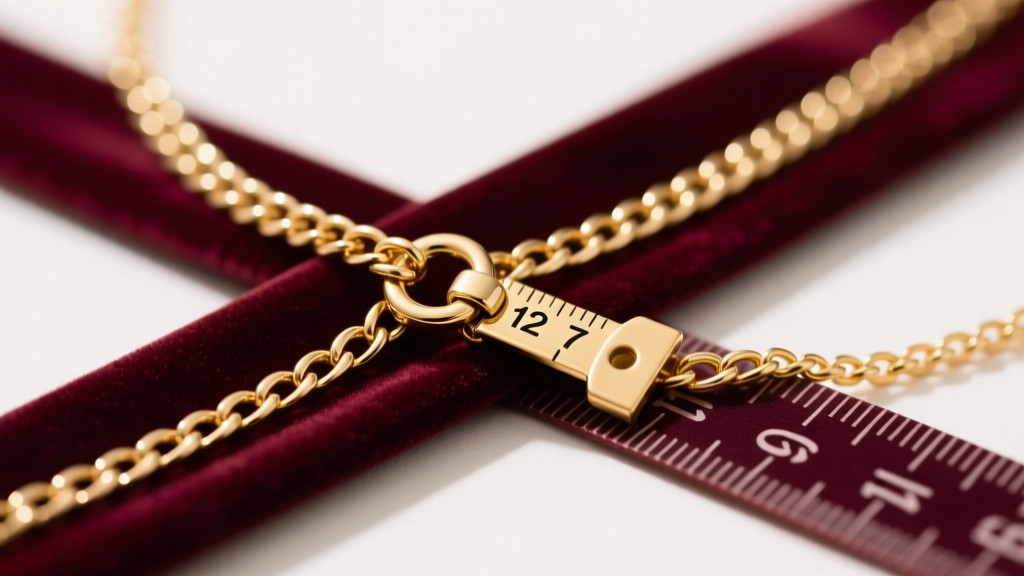
The 12 inch choker necklace occupies a highly specific, often problematic niche in jewelry design. While standard women's chokers typically range from 14 to 16 inches, a 12-inch length sits flush against the throat, functioning more like a collar than a traditional necklace. For many buyers, this ultra-tight fit leads to a cascade of physical discomforts and mechanical failures. If your 12 inch choker necklace feels like it is strangling you, constantly snapping at the clasp, or leaving angry red marks on your skin, you are dealing with a biomechanical and metallurgical mismatch.
In this troubleshooting guide, we will diagnose the most common failure modes of ultra-short chokers and provide actionable, expert-level solutions to salvage your jewelry.
The Biomechanics of a 12-Inch Fit
The average adult female neck measures between 13 and 14 inches in circumference. A 12-inch chain leaves zero margin for error. More importantly, it ignores the dynamic nature of human anatomy. When you swallow, cough, or even lie down flat, your neck circumference expands by approximately 0.5 to 1 inch.
A 12-inch necklace on a 13-inch neck creates constant lateral tension. This tension does not just cause discomfort; it transfers destructive kinetic energy directly to the weakest points of the jewelry: the clasp and the jump rings.
If your necklace feels unbearably tight when sitting but loosens slightly when standing, you are experiencing the natural shift of the sternocleidomastoid muscles. The immediate fix is not to force the jewelry to 'stretch,' but to modify the hardware to accommodate dynamic movement.
Troubleshooting Clasp and Jump Ring Failures
Because a 12 inch choker necklace operates under constant tension, standard jewelry hardware will inevitably fail. If your choker keeps popping open or the chain snaps near the closure, the issue is almost certainly tensile overload.
1. The Spring Ring Failure
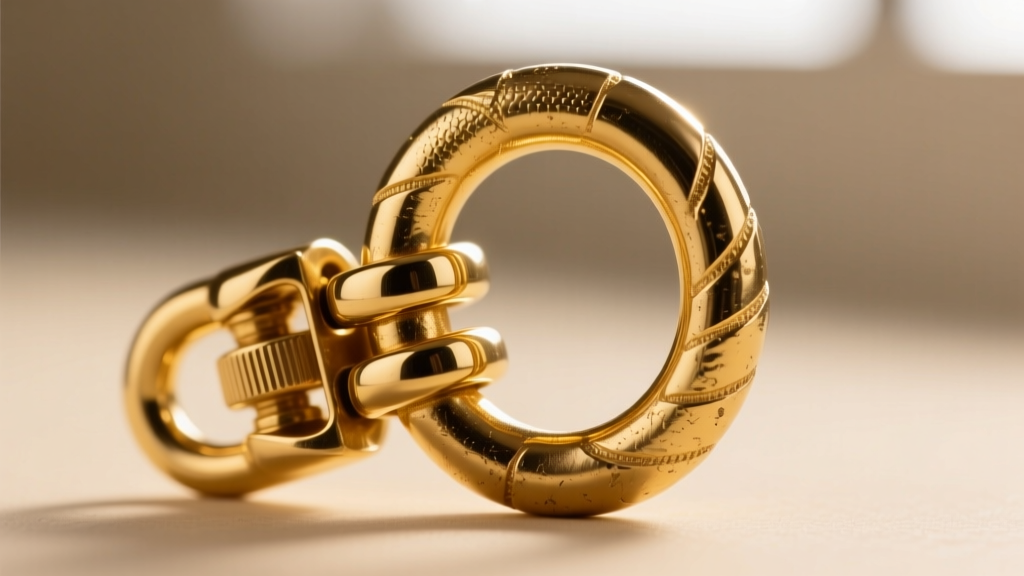
Most mass-produced chokers use 4mm or 5mm spring ring clasps. Under the lateral tension of a tight 12-inch fit, the internal spring mechanism warps, and the tiny lever snaps off. Solution: Remove the spring ring and replace it with a 6mm or 7mm solid cast lobster clasp. Lobster clasps distribute tension across a wider spine and are significantly less prone to lever failure.
2. The Jump Ring Pull-Apart
Look closely at the jump ring connecting the chain to the clasp. Standard fashion jewelry uses 20-gauge or 22-gauge wire for jump rings, which are merely butted together (not soldered). A tight choker will pull these open in a matter of days. Solution: Take the piece to a jeweler to have the open jump rings replaced with 18-gauge or 16-gauge soldered jump rings. Soldered rings are fused shut with a laser or torch, making them physically impossible to pull apart without breaking the chain itself.
Solving Skin Irritation and Contact Dermatitis
A tight necklace traps sweat, dead skin cells, and friction against the delicate skin of the anterior neck. If your 12 inch choker necklace is leaving a dark, itchy, or green ring around your throat, you are experiencing a combination of friction chafing and galvanic skin reactions.
According to the Gemological Institute of America (GIA), nickel is the most common culprit in jewelry-induced contact dermatitis. Many affordable chokers are made of brass or nickel-silver alloys plated with a microscopically thin layer of gold or rhodium. The constant friction of a 12-inch fit wears through this plating in weeks, exposing the reactive base metals to your sweat.
Material Upgrades for Tight Fits
- Implant-Grade Titanium (ASTM F136): The ultimate solution for sensitive skin. It is entirely nickel-free, highly resistant to sweat corrosion, and lightweight.
- Solid 14k or 18k Gold: Avoid gold-plated or gold-filled chains for ultra-tight fits. The friction will strip the gold layer. Solid gold alloys (specifically nickel-free white gold or yellow gold) will not react with skin acidity.
- Platinum: Hypoallergenic and incredibly dense, though significantly more expensive.
For deeper insights on how base metals are regulated and labeled, the Federal Trade Commission (FTC) Jewelry Guides provide strict frameworks on what constitutes 'solid' versus 'plated' metals, helping you avoid deceptive marketing when shopping for replacement chains.
Quick Fixes: Extenders and Drape Adjustments
If the 12-inch length is simply unwearable, you do not need to discard the necklace. Adding an extender chain is the most cost-effective troubleshooting method. However, not all extenders are created equal. Adding a heavy extender to a delicate chain will ruin the drape and cause the chain to tangle.
| Original Chain Type | Recommended Extender | Max Extender Length | Tensile Consideration |
|---|---|---|---|
| Delicate Cable (under 1.5mm) | Fine Rolo or Micro-Cable | 2 inches | High risk of tangling; use a lightweight lobster clasp. |
| Box Chain (1.5mm - 2.5mm) | Standard Box or Wheat | 3 inches | Moderate tension; ensure extender links are soldered. |
| Chunky Curb / Figaro | Matching Curb Chain | 4 inches | Low tension risk; requires heavy-duty jump rings. |
Proper Measuring to Prevent Future Purchasing Errors
To ensure you never buy an ill-fitting choker again, abandon the standard sizing charts and use the 'Floss and Mirror' method. Wrap a piece of dental floss around your neck at the exact height you want the necklace to sit. Mark the floss with a pen, then measure it flat against a ruler.
Once you have your exact static measurement, add 0.75 inches to accommodate swallowing and posture changes. If your neck measures exactly 12.5 inches, a 12 inch choker necklace will always be a source of frustration. You must order a 13.5-inch chain or plan to permanently attach a 1.5-inch extender upon arrival.
When to Retire the 12-Inch Length
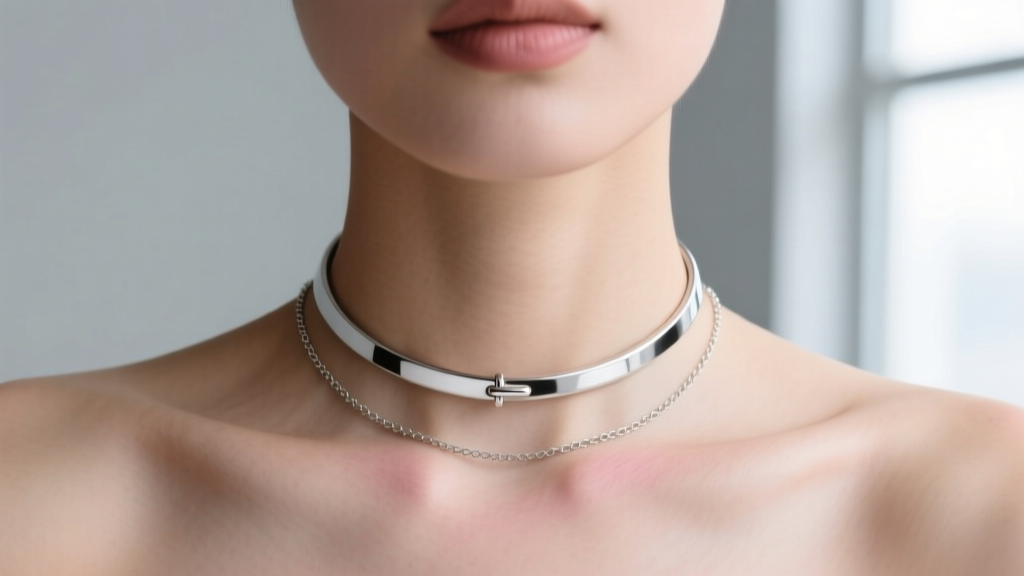
Troubleshooting can only go so far. If a 12 inch choker necklace features a rigid metal collar design (like a torque or hinged bangle necklace) rather than a flexible chain, and it is too tight, it cannot be safely modified. Attempting to bend a rigid 12-inch collar to fit a larger neck will compromise the structural integrity of the hinges and the metal memory, leading to sudden, catastrophic snapping. In these cases, the only safe option is to sell the piece and invest in a properly sized 14-inch or 15-inch collar.


