How to Fix a Broken Chain Necklace: A Metal & Material Guide
Learn how to fix a broken chain necklace based on its metal type. Expert guide on soldering, laser welding, and material properties for lasting repairs.

When a beloved necklace snaps, the immediate panic is often followed by a crucial question: how to fix a broken chain necklace? The answer is never a one-size-fits-all solution. The structural integrity of a repaired chain depends entirely on its metallurgical composition, the geometry of the links, and the thermal dynamics of the repair method. A technique that flawlessly restores a 14k gold cable chain might completely destroy a hollow rope chain or a titanium pendant necklace. In this comprehensive material guide, we break down the exact properties of popular jewelry metals and the specific protocols required to repair them.
The Metallurgy of Chain Failure: Why Metals Break
Before addressing how to fix a broken chain necklace, it is vital to understand why they fail. Chain breakage typically occurs at the stress points where links interlock. Over time, friction and tensile stress cause work hardening—a process where the metal's crystalline structure deforms, becoming brittle and eventually snapping. According to the Gemological Institute of America (GIA), the alloy composition of precious metals heavily dictates their tensile strength and susceptibility to work hardening. Pure 24k gold is too soft for chains, which is why it is alloyed with copper, silver, or zinc to increase durability, though this alters its melting point and soldering requirements.
Precious Metal Repair Protocols
Traditional jewelry repair relies heavily on soldering, but the exact approach varies wildly between gold, silver, and platinum.
Gold Alloys (10k, 14k, and 18k)
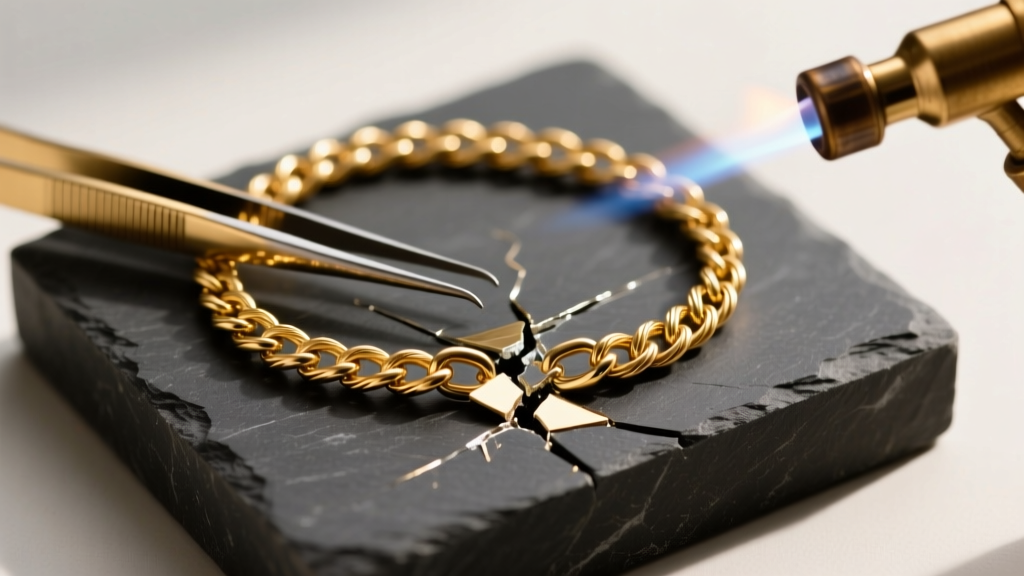
Gold chains are repaired using specialized gold solders that are graded by their melting points: hard, medium, and easy. A master jeweler will typically use hard solder (flowing around 1450°F) for the initial structural repair of a 14k gold chain, as it most closely matches the karat and color of the base metal. If a chain has multiple breaks, the jeweler steps down to medium (1400°F) and easy (1350°F) solders for subsequent links to prevent melting previous repairs. Hollow gold chains, like lightweight rope or herringbone styles, present a massive troubleshooting challenge; the intense heat of a traditional torch can cause the thin gold tubing to collapse or melt entirely, requiring a highly controlled micro-torch and specialized heat-absorbing tweezers.
Sterling Silver and the Firescale Challenge
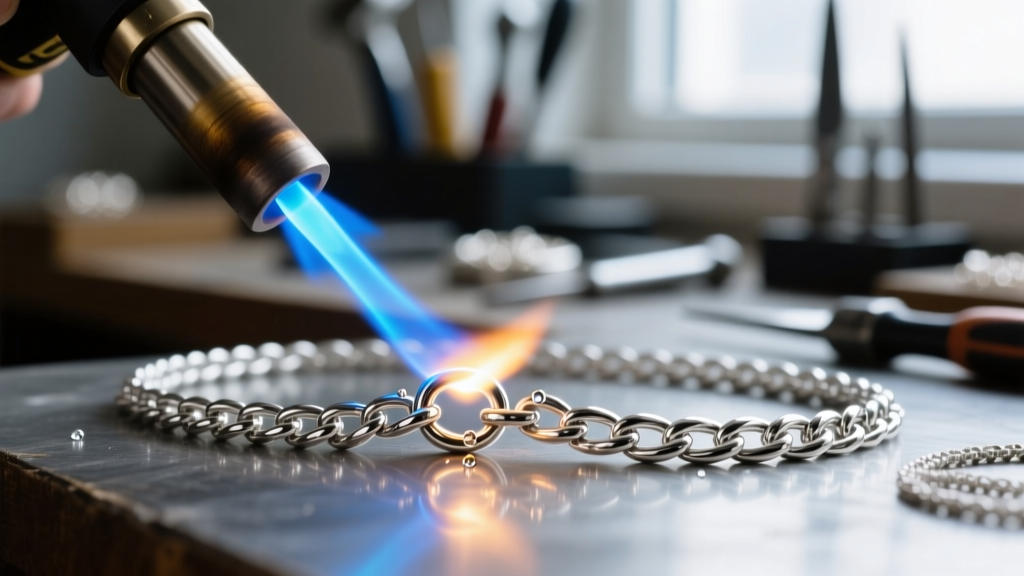
Sterling silver (92.5% silver, 7.5% copper) is highly thermally conductive, meaning heat travels rapidly down the chain. The primary issue when learning how to fix a broken chain necklace made of silver is firescale—a deep purple-grey oxidation of the copper alloy that forms when the metal is heated in the presence of oxygen. Jewelers must coat the silver in a borax-based flux before soldering to displace oxygen. Post-repair, the chain must be submerged in a warm pickling solution (typically a dilute sulfuric acid or sodium bisulfate bath) to dissolve the oxidation before polishing.
Platinum: The Laser Welding Necessity
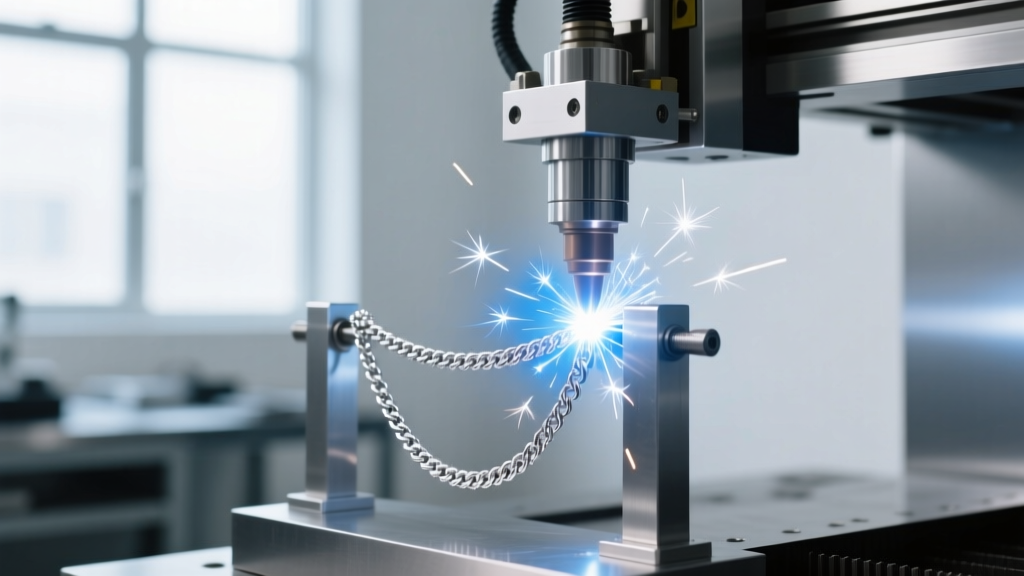
Platinum is exceptionally dense and boasts a remarkably high melting point of 3215°F (1768°C). Attempting to solder a platinum chain with a traditional torch requires immense heat, which risks melting nearby gemstone settings or altering the temper of the surrounding links. Therefore, the industry standard for platinum chain repair is laser welding. Laser welders use concentrated pulses of light to fuse platinum link-by-link without transferring ambient heat to the rest of the necklace. The Jewelers of America strongly recommends seeking out bench jewelers equipped with laser welders for any platinum chain restoration to ensure structural fidelity.
The Alternative Metal Dilemma: Titanium, Tungsten, and Steel
The rise of alternative metals in men's and women's fashion jewelry has created a new category of "unfixable" chains. Understanding their material properties is crucial for managing repair expectations.
- Titanium: Titanium is incredibly strong and lightweight, but it is highly reactive to oxygen at high temperatures. Traditional soldering is impossible. It can only be repaired using specialized TIG (Tungsten Inert Gas) or laser welding inside an argon-shielded chamber to prevent the metal from oxidizing and becoming brittle. Most standard retail jewelers lack this equipment.
- Tungsten Carbide: Tungsten is virtually scratch-proof but extremely brittle. It does not bend; it shatters under pressure. Furthermore, it cannot be soldered or welded. If a tungsten chain breaks, it cannot be repaired and must be replaced.
- Stainless Steel: While stainless steel can technically be laser-welded, the cost of the labor often exceeds the replacement value of the chain itself. Additionally, the heat-affected zone around a steel weld is prone to rust if the passive chromium oxide layer is compromised and not properly passivated post-repair.
Repair Method Comparison Matrix
Choosing the right repair method is a matter of matching the thermal properties of the metal to the precision of the technology. Use this decision framework to understand what your jeweler should be proposing.
| Repair Method | Best Suited Metals | Average Cost Range | Durability & Notes |
|---|---|---|---|
| Traditional Torch Soldering | 10k-18k Gold, Sterling Silver, Brass | $35 - $85 | High durability. Requires flux and pickling. Risky for hollow chains. |
| Laser Welding | Platinum, Palladium, Delicate Gold Chains | $75 - $150+ | Exceptional precision. No ambient heat transfer. Ideal for chains near gemstones. |
| Argon Arc / TIG Welding | Titanium, Niobium | $100 - $200 | Requires inert gas shielding. Rarely offered outside specialized custom studios. |
| Cold Connection (Jump Rings) | Any metal (as a temporary bypass) | $15 - $30 | Low durability. Used only when thermal repair is impossible or cost-prohibitive. |
Step-by-Step Triage: What to Do Before Visiting the Jeweler
How you handle the chain immediately after it breaks can dictate whether a seamless repair is possible. Follow this practical triage protocol:
- Secure the Loose Ends: Do not attempt to pull the broken links apart to "see what happened." This stretches the adjacent links, creating micro-fractures. Carefully place the chain in a sealed plastic bag or a soft jewelry pouch.
- Locate the Broken Link: If the chain snapped cleanly, the open link is usually still attached to one side. If a link is missing entirely (common in herringbone or omega chains), the jeweler will need to harvest a link from the clasp end or fabricate a new one, increasing the cost.
- Assess the Clasp and Jump Rings: Often, the chain itself hasn't broken; rather, the jump ring connecting the chain to the lobster clasp has pulled apart. This is a minor, inexpensive fix that requires simply closing and soldering the jump ring.
- Clean the Chain (Gently): If the chain is covered in lotions or oils, wipe it gently with a microfiber cloth. Jewelers prefer to work on clean metal, as organic residue can interfere with solder flow and create porosity in the weld.
When to Replace Instead of Repair
Material value and labor costs must be weighed carefully. If you are trying to figure out how to fix a broken chain necklace that is gold-plated over brass or copper, be aware that the heat from soldering will burn off the plating at the repair site, leaving a visible dark scar that requires expensive re-plating. In cases of heavily worn, gold-plated, or mass-produced alternative metal chains, replacement is almost always the more economically sound and aesthetically pleasing decision. However, for solid precious metals, a professional, material-specific repair will restore the chain's tensile strength, allowing it to be worn safely for decades to come.