Troubleshooting Your Cigarette Necklace: Heat, Tarnish & Chain Fixes
Is your cigarette necklace tarnishing, breaking, or causing skin irritation? Learn expert troubleshooting for chain repairs, heat damage, and tar removal.

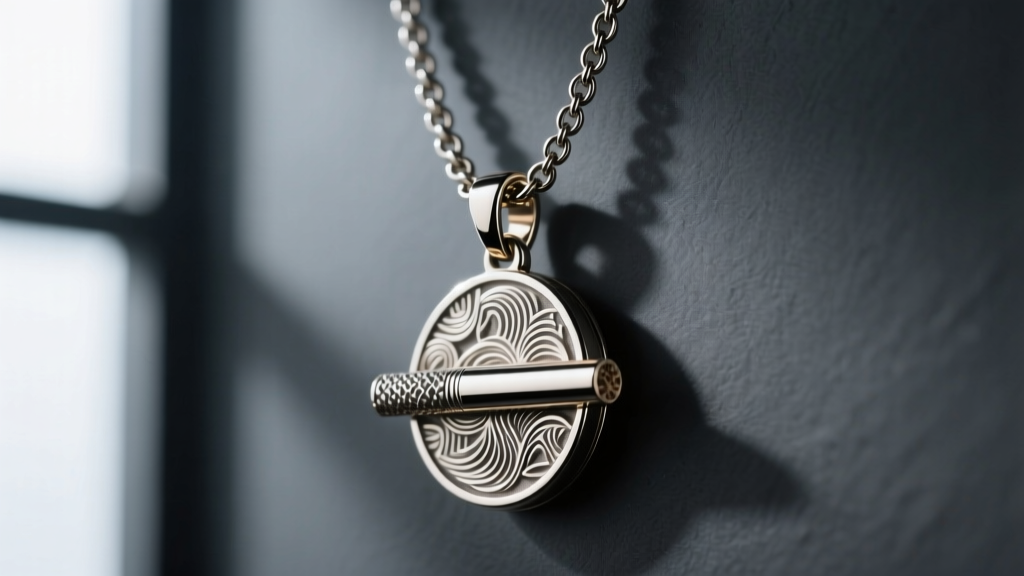
The cigarette necklace—a bold staple in grunge, punk, and avant-garde fashion—presents a unique set of challenges for jewelry wearers. Whether you are sporting a heavy, die-cast metallic novelty pendant shaped like a cigarette, or a functional hands-free cigarette holder accessory, these pieces are subjected to harsh environments. From the corrosive effects of nicotine tar and lighter heat to the sheer physical stress of an unbalanced pendant, standard jewelry care advice simply does not apply here.
As a jewelry specialist, I frequently see these statement pieces fail prematurely. Below is a comprehensive, expert-level troubleshooting guide to diagnosing and fixing the most common structural, chemical, and material failures associated with cigarette necklaces.
The Physics of Chain Failure and Bail Stress
The most frequent complaint I encounter is a snapped chain or a deformed bail. Most mass-produced cigarette pendants are cast from Zamak (a zinc alloy) or solid brass, weighing anywhere from 18 to 35 grams. However, they are often sold with flimsy 1.2mm to 1.5mm cable chains rated for less than 10 grams of static tension.
Diagnosing the Break Point
Inspect the failure point. If the chain links themselves are stretching and snapping, the chain gauge is insufficient. If the jump ring connecting the pendant bail to the chain is pulling apart, you have a structural gap issue. According to Rio Grande's jewelry fabrication standards, an unsoldered jump ring will easily deform under the pendulum motion of a 20-gram pendant.
The Hardware Upgrade Fix
To permanently solve this, you must rebuild the suspension system:
- Chain Upgrade: Discard the factory chain. Replace it with a 2.5mm to 3.0mm 316L stainless steel Rolo or Wheat chain. These weaves offer superior tensile strength and resist kinking under heavy, shifting weights.
- Jump Ring Soldering: Replace the standard split ring at the bail with a 7mm or 8mm, 18-gauge (1.0mm) jump ring. Have a jeweler laser-solder or torch-solder the seam shut. A soldered ring increases the break threshold by over 400%.
- Clasp Replacement: Swap out weak lobster clasps for a 10mm stainless steel box clasp or a heavy-duty magnetic neodymium clasp, ensuring the clasp itself does not become the weak link.

Heat Damage and Lighter Burns
Whether you are using a functional hands-free cigarette holder necklace or simply resting a lit cigarette near an aesthetic pendant, heat and soot are inevitable. The troubleshooting approach depends entirely on the pendant's base metal.
Sterling Silver (925) Oxidation
When exposed to the sulfur compounds in cigarette smoke and the direct heat of a lighter, sterling silver rapidly develops a black, tarnished crust. Do not use standard silver dip on a cigarette necklace if the pendant features painted enamel details (like a faux orange filter), as the chemicals will strip the paint. Instead, use a targeted approach: create a paste of baking soda and water, apply it strictly to the metal shaft with a cotton swab, and gently buff away the soot.
Plated Brass and Blistering
If your gold- or silver-plated cigarette necklace develops bubbles or blisters near the tip, the base metal has been compromised by direct lighter heat. Plated jewelry cannot withstand temperatures exceeding 150°F (65°C) without the adhesive layer between the base metal and the plating failing. Unfortunately, blistering cannot be polished out; the pendant must be professionally stripped and re-plated. To prevent this, always keep lighters away from plated novelty pendants.
Removing Stubborn Nicotine Tar and Resin
Smoke residue is not standard dirt; it is a sticky, resinous buildup of tar, nicotine, and ash that acts like a varnish. Standard jewelry polishing cloths will merely smear this residue into the crevices of the pendant's detailing. According to GIA's official care and cleaning guidelines, removing organic, resinous films requires a degreasing agent rather than a simple abrasive.
| Pendant Material | Recommended Cleaning Agent | Application Method | Warning |
|---|---|---|---|
| Solid Brass / Steel | Dawn Dish Soap + 1 tsp Ammonia | Soak for 10 mins, scrub with soft toothbrush | Do not use on porous gemstones |
| Sterling Silver | Specialized Silver Foam | Apply with sponge, rinse in warm water | Avoid crevices if enamel is present |
| Gold Plated | Mild Baby Shampoo + Warm Water | Soak 5 mins, gently wipe with microfiber | Never use ultrasonic cleaners on plate |
| Enamel Painted | Isopropyl Alcohol (70%) | Dampen Q-tip, carefully roll over metal only | Alcohol will dissolve enamel paint |

Skin Irritation and Toxicity Red Flags
Because many cigarette-shaped pendants are manufactured as cheap novelty items, they frequently bypass the stringent quality controls applied to fine jewelry. This leads to two major dermatological and systemic issues: nickel contact dermatitis and heavy metal exposure.
The Nickel Reaction
If the back of the cigarette pendant (the part resting against your sternum) leaves a green or red, itchy rash, you are reacting to nickel or copper oxidizing against your skin's acidity. The Fix: Coat the back of the pendant with a layer of clear, hypoallergenic nail polish or apply a micro-crystalline wax like Renaissance Wax. This creates an invisible, durable barrier between the reactive alloy and your skin.
Lead and Cadmium in Novelty Alloys
More concerning than a rash is the presence of lead or cadmium in the solder joints or the base alloy of unregulated novelty pendants. The CDC explicitly warns against heavy metals in novelty jewelry, noting that handling these items and subsequently touching your mouth or eyes can lead to toxic exposure. If you purchased a highly detailed, unusually heavy cigarette necklace from an unverified overseas marketplace for under $10, there is a statistically high probability it contains lead solder. If you suspect this, purchase an at-home lead testing swab from a hardware store. If the swab turns pink/red, retire the piece immediately and dispose of it safely.
Final Maintenance Framework for Smokers
To keep your cigarette necklace looking intentional rather than neglected, adopt a bi-weekly maintenance routine. After wearing the piece in a smoking environment, wipe it down with a slightly damp microfiber cloth to remove the top layer of acidic ash and tar before it can cure into a hard resin. Store the necklace flat in an anti-tarnish ziplock bag with a silica gel packet to control humidity, which accelerates the oxidation of the smoke residue. By upgrading your chain hardware and respecting the chemical realities of smoke exposure, your statement piece will remain a durable, striking accessory for years to come.


