Troubleshooting a Bling Necklace: Fix Cloudy Stones & Loose Prongs
Is your bling necklace losing its sparkle? Learn expert troubleshooting tips to fix cloudy stones, tighten loose prongs, and untangle kinked chains.

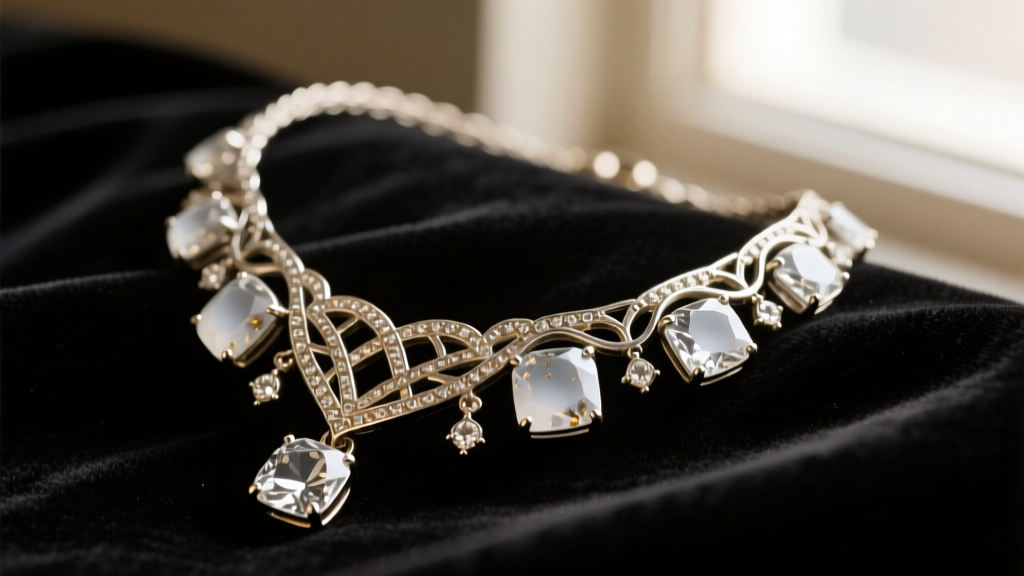
The Anatomy of Sparkle Loss in High-Shine Jewelry
A bling necklace is only as impactful as its ability to catch and refract light. Whether your piece is a high-end diamond tennis chain, a moissanite statement piece, or a fashion-forward cubic zirconia (CZ) choker, the loss of brilliance is rarely due to the stone itself degrading. Instead, it is almost always a mechanical or environmental failure. The anatomy of sparkle loss usually comes down to three culprits: microscopic surface abrasions, sebum and lotion buildup, and metal fatigue in the settings.
Unlike fine jewelry that might be worn occasionally, a bling necklace is often designed for maximum visual impact and worn frequently in environments that expose it to sweat, cosmetics, and friction. When a once-dazzling piece begins to look dull, cloudy, or structurally compromised, it requires targeted troubleshooting rather than a generic wipe-down. In this guide, we will break down the exact diagnostic steps and repair techniques to restore your necklace to its original fire.
Troubleshooting Cloudy and Dull Stones
Cloudiness is the most common complaint among bling necklace owners. However, the root cause of the cloudiness depends entirely on the material composition of the stones. According to the Gemological Institute of America (GIA), different gemstones interact with environmental oils and chemicals in vastly different ways.
Material-Specific Cloudiness
- Diamonds: Diamonds are oleophilic, meaning they naturally attract and hold onto grease. If your diamond bling necklace looks cloudy, it is likely coated in a microscopic layer of skin oils or lotion. A simple degreasing agent will restore the brilliance.
- Cubic Zirconia (CZ): CZ is slightly porous at a microscopic level compared to a diamond. Over time, it traps dead skin cells, soap scum, and hard water minerals. Furthermore, CZ can suffer from surface abrasion, which permanently clouds the stone. If cleaning doesn't work, the stone is scratched and must be replaced.
- Rhinestones (Glass/Acrylic): Most high-end fashion bling necklaces use foil-backed glass rhinestones. If these get wet, the moisture seeps behind the stone and oxidizes the foil backing, turning it black or cloudy. This damage is irreversible; the stone must be re-foiled or replaced.
The Ultrasonic Trap: What NOT to Do
Many consumers make the fatal mistake of tossing a cloudy bling necklace into an ultrasonic cleaner. While ultrasonic waves are excellent for dislodging dirt from solid gold and diamonds, they are highly destructive to other bling materials. The high-frequency vibrations can shatter fracture-filled diamonds, crack cubic zirconia, and completely shake loose the adhesive holding rhinestones in their bezels. Never use an ultrasonic cleaner on a bling necklace unless you have verified that every single stone is a natural, untreated diamond set in solid gold or platinum.
The Safe Soak and Scrub Method
For diamonds, moissanite, and unbacked CZ, the safest and most effective troubleshooting method is a chemical soak followed by mechanical agitation.
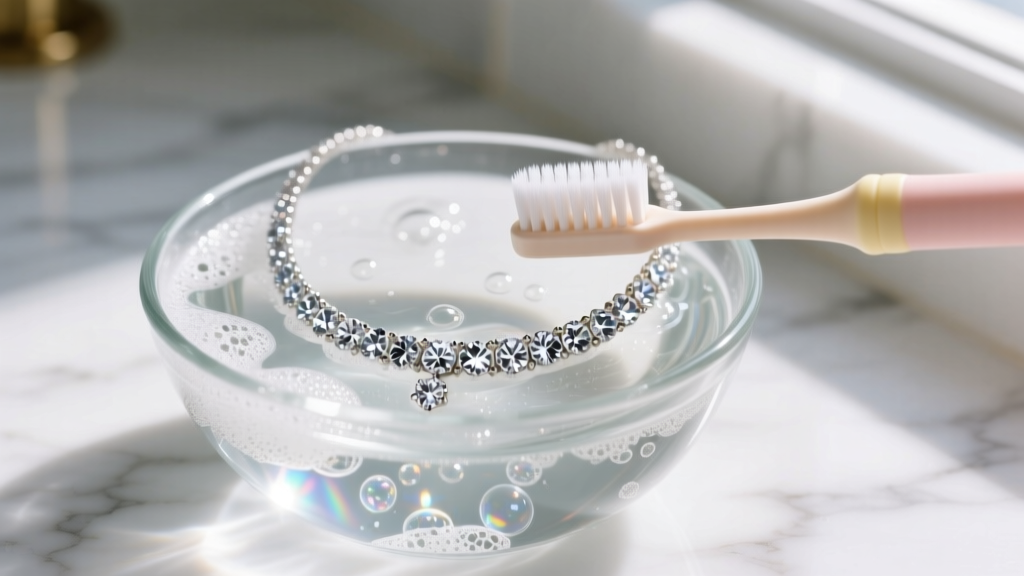
- Mix one part mild, ammonia-free dish soap (like Dawn) with three parts lukewarm water in a glass bowl.
- Submerge the necklace and let it soak for exactly 15 to 20 minutes. This breaks down the lipid bonds of body oils.
- Use a brand-new, extra-soft baby toothbrush to gently scrub the pavilion (the underside) of the stones, where dirt accumulates the most.
- Rinse under a gentle stream of lukewarm water and pat dry with a lint-free microfiber cloth.
Diagnosing and Fixing Loose Stones and Snagged Prongs
A missing stone in a bling necklace doesn't just ruin the aesthetic; it creates a weak point in the chain that can lead to catastrophic tearing. Prong settings are the most common in bling jewelry because they allow maximum light entry, but they are also the most vulnerable to metal fatigue.
The 10x Loupe Inspection
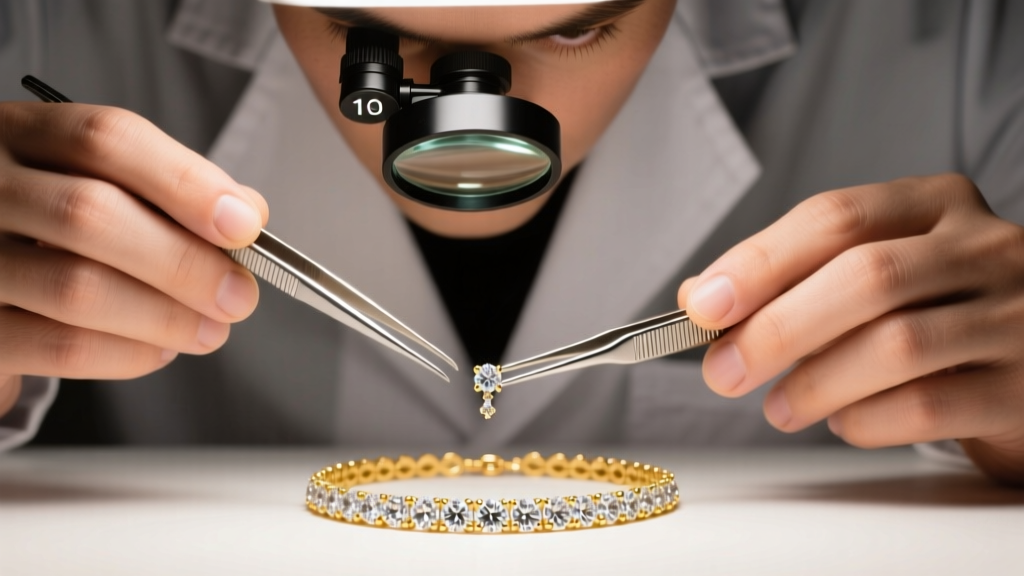
You cannot accurately diagnose prong wear with the naked eye. Purchase a standard 10x jeweler's loupe and examine the settings of your necklace under bright, direct LED light. You are looking for the profile of the prong. A healthy prong has a smooth, rounded dome over the girdle of the stone. A worn prong will look flat, thin, or shaped like a "V". If you see a "V" shape, the metal has worn away and the stone is at imminent risk of falling out.
| Metal Type | Prong Wear Rate | Troubleshooting Insight |
|---|---|---|
| 10k Gold | Slow (Hard but brittle) | Prongs rarely wear thin, but can snap cleanly if snagged on fabric. |
| 14k Gold | Moderate | The industry standard. Requires re-tipping every 3-5 years with daily wear. |
| 18k Gold | Fast (Soft and malleable) | Prongs bend easily and wear down quickly. Inspect every 6 months. |
| Sterling Silver | Very Fast | Oxidation weakens the metal. Prongs often break rather than bend. |
If you identify a loose stone, do not attempt to push the prong back down yourself with household pliers. Silver and gold work-harden when bent; bending a worn prong back over the stone will likely cause the metal to snap entirely. Take the piece to a professional jeweler for a "prong re-tipping," a routine repair where a small bead of matching metal is laser-welded onto the worn prong.
Rescuing Kinked and Tangled Chains
Heavy bling necklaces, particularly those featuring rope, Cuban link, or Figaro chains, are notorious for tangling and kinking. A kink in a rope chain is a severe structural issue; if forced, the interlocking links will deform and weaken, leading to a broken chain.
The Talcum Powder and Needle Technique
When faced with a tight knot or kink, never pull the ends of the chain. This only tightens the links together. Instead, lay the necklace flat on a hard, well-lit surface. Sprinkle a generous amount of talcum powder or cornstarch directly over the knot. The powder acts as a dry lubricant, reducing the friction between the metal links. Using two fine sewing needles, gently work the tips into the center of the knot and wiggle them to create slack. Slowly coax the links apart from the center outward. Once the knot is released, use a soft brush to remove the powder before storing.
Preventative Maintenance Checklist
Troubleshooting is only necessary when preventative measures fail. To keep your bling necklace in pristine condition, adopt the following protocols:
- The "Last On, First Off" Rule: Your necklace should be the last thing you put on after applying makeup, perfume, and hairspray, and the first thing you take off when you get home. Aerosol chemicals can permanently cloud porous stones like CZ and opals.
- Individual Storage: Never store a bling necklace in a communal jewelry box. The Mohs hardness scale dictates that diamonds (10) will easily scratch gold (2.5-3) and silver (2.5-3), as well as softer stones. Store the necklace in a dedicated, soft-lined anti-tarnish pouch.
- Rhodium Replating: If your white gold bling necklace is turning yellowish at the clasp or high-wear areas, the rhodium plating has worn off. This isn't a defect; it's normal wear. Have it professionally replated every 12 to 18 months to maintain that bright, mirror-like white finish.
Expert Insight: When purchasing a high-impact bling necklace, always check the setting style. Bezel and channel settings offer significantly more protection against stone loss and snagging than traditional prong settings, making them vastly superior for daily wear and active lifestyles.
By understanding the specific material vulnerabilities and mechanical stress points of your jewelry, you can effectively troubleshoot any issue that arises. A well-maintained bling necklace doesn't just retain its financial value; it retains the commanding presence and light performance that made you buy it in the first place. For more in-depth data on gemstone durability, refer to the GIA's comprehensive gem material guides to ensure you are treating your specific stones with the exact chemistry they require.


