Fixing Snags and Dullness in a Diamond Starburst Necklace
Learn how to troubleshoot common issues with your diamond starburst necklace, from fixing snagging prongs to cleaning dull radiating diamond rays.

The Anatomy of a Starburst Pendant: Why It Snags
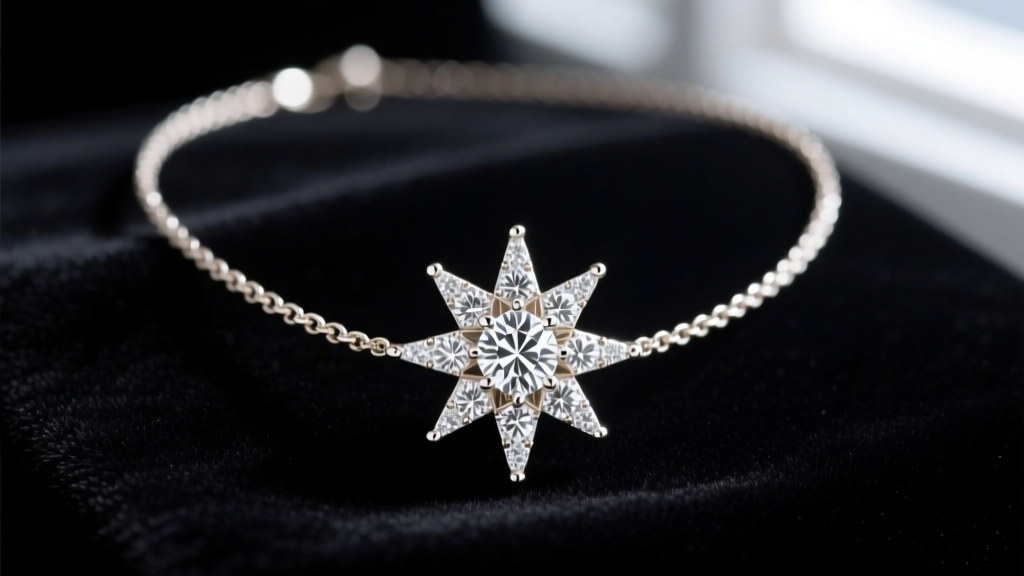
The diamond starburst necklace is a masterpiece of jewelry design, characterized by a central gemstone surrounded by radiating rays of melee diamonds. Whether you own a vintage 1940s Retro-era piece or a modern interpretation, the geometry that makes this pendant so striking also makes it highly susceptible to snagging on knitwear, silk, and lace. To effectively troubleshoot your necklace, you must first understand its structural vulnerabilities.
Most starburst pendants utilize melee diamonds ranging from 0.01 to 0.03 carats (approximately 1.0mm to 2.0mm in diameter) set into the outer rays. Because these rays taper to a sharp point, jewelers often use standard round prongs to secure the terminal stones. A round prong on a tapered edge creates a microscopic metal hook that catches on fabric threads. Furthermore, the high relief of the central stone means the pendant sits proud against the chest, increasing the surface area available for accidental snags.
Troubleshooting Chain Tangling and Knotting
A frequent complaint among owners of a diamond starburst necklace is that the chain constantly tangles with the sharp points of the pendant. This is rarely a flaw in the pendant itself; rather, it is a mismatch between the chain profile and the pendant's bail (the loop that connects the two). Starburst pendants often feature small, hidden bails to keep the focus on the radiating diamonds. If a chain is too thick, it creates friction; if it is too flexible, it wraps around the starburst points.
Chain Profiles That Prevent Starburst Snags
To prevent the chain from knotting around the starburst rays, you need a chain with high structural rigidity and a smooth surface profile. Below is a troubleshooting matrix to help you select or replace your chain.
| Chain Type | Recommended Width | Tangling Risk | Suitability for Starburst |
|---|---|---|---|
| Box Chain | 1.2mm - 1.5mm | Low | Excellent (Rigid, smooth) |
| Wheat Chain | 1.0mm - 1.3mm | Very Low | Excellent (Woven, no gaps) |
| Snake Chain | 1.5mm+ | High (Kinks easily) | Poor (Kinks wrap around points) |
| Rope Chain | 1.5mm - 2.0mm | Medium | Good (Only if diamond-cut) |
According to Jewelers of America, matching the chain width to the bail's inner diameter with at least 0.5mm of clearance is critical for preventing premature bail wear and tangling.
Fixing Bent Rays and Loose Prongs
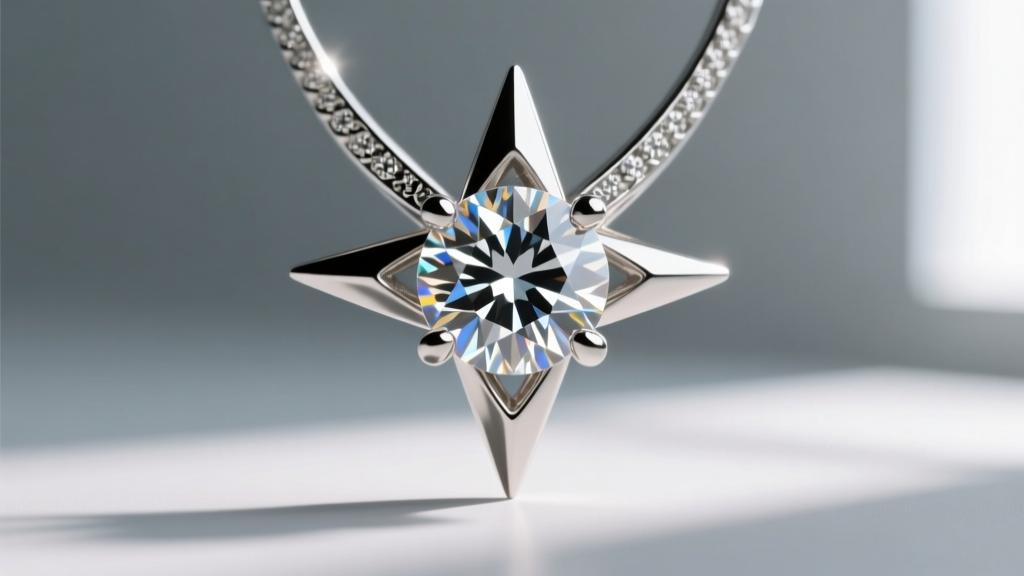
The radiating rays of a starburst pendant are essentially cantilevered beams of precious metal. When caught on clothing, the lateral force can easily bend these rays. The severity of the damage depends heavily on the metal alloy used in the setting.
- 18k Gold: Contains 75% pure gold, making it relatively soft. Rays made of 18k gold are highly prone to bending and require frequent straightening.
- 14k Gold: Contains 58.5% pure gold, alloyed with copper, silver, or zinc. This offers superior tensile strength and is the ideal metal for thin starburst rays (often just 0.8mm to 1.2mm thick).
- Platinum: Extremely durable and malleable. Platinum rays will bend rather than snap, making them the safest choice for high-wear starburst necklaces.
When to Use V-Prongs on Starburst Points
If your outer rays are constantly snagging or losing their terminal diamonds, the prong style is likely the culprit. Standard round prongs do not adequately cover the sharp corners of pear-cut or marquise-cut diamonds often used at the tips of starburst rays. A master bench jeweler can re-tip these settings using V-prongs. A V-prong caps the sharp corner of the diamond with a solid wedge of metal, eliminating the snag point entirely while protecting the gemstone's most vulnerable culet area from chipping. For detailed bench techniques, Stuller's Bench Jeweler Resources provides extensive metallurgical guidelines on prong retipping and laser welding for delicate settings.
Cleaning Radiating Diamonds Without Damaging the Setting
Because a diamond starburst necklace features dozens of tiny melee diamonds set in close proximity, dirt, skin oils, and lotion quickly accumulate in the galleries (the underside of the setting). This causes the radiating rays to look dull and gray. However, aggressive cleaning can be disastrous.
The Gemological Institute of America (GIA) warns against using ultrasonic cleaners on jewelry with fractured-filled diamonds or loose settings. The high-frequency vibrations of an ultrasonic machine can easily shake loose the tiny melee diamonds in a starburst pendant if the prongs are already worn thin from years of friction.
Safe At-Home Cleaning Protocol
- Inspect the Prongs: Use a 10x jeweler's loupe to check that all prongs on the radiating rays are flush against the diamonds. If any are lifted, do not clean the piece; take it to a jeweler.
- Prepare the Solution: Mix warm water with a few drops of mild, ammonia-free dish soap in a ceramic bowl (avoid metal bowls to prevent scratching).
- Soak and Agitate: Let the necklace soak for 15 minutes to loosen sebum and cosmetics.
- Brush Gently: Use a brand-new, ultra-soft baby toothbrush. Brush the underside of the starburst rays where light enters the pavilion of the diamonds. Never brush aggressively over the top of the prongs.
- Rinse and Dry: Rinse under lukewarm running water with the drain securely plugged. Pat dry with a lint-free microfiber cloth.
Clasp and Bail Wear: The Hidden Failure Points
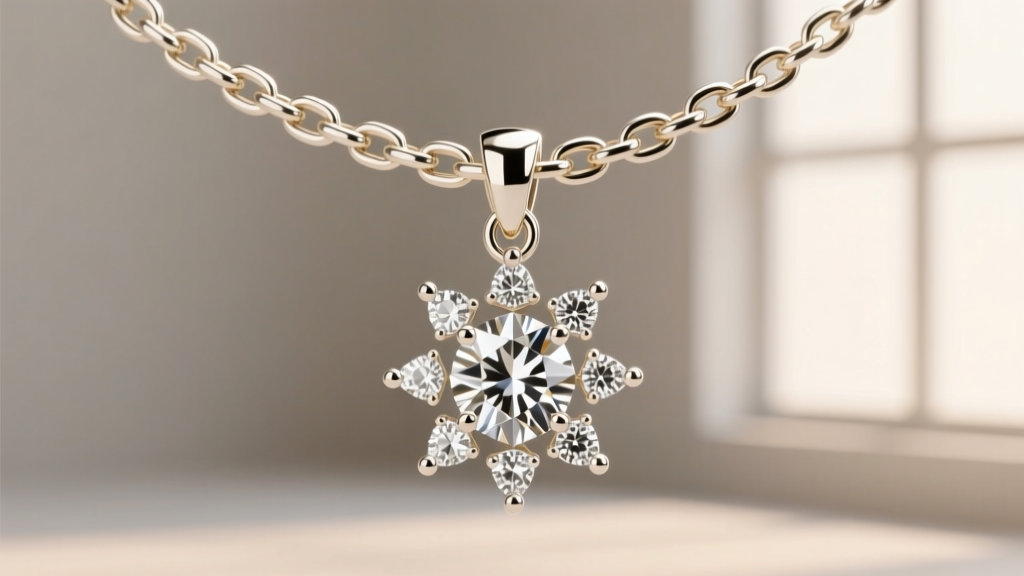
While the diamonds draw the eye, the mechanical failure points of a diamond starburst necklace are usually the bail and the clasp. Because starburst pendants are often top-heavy—especially those with a large central diamond weighing over 0.50 carats—the bail experiences concentrated friction where the chain rubs against the interior metal loop.
Over time, this friction can saw through a standard 14k gold bail, leading to the loss of the pendant. If you notice a deep groove inside the bail, a jeweler can install a hardened steel or platinum sleeve inside the loop to halt the wear. Similarly, upgrade standard spring-ring clasps to a 5mm or 7mm lobster clasp. The top-heavy nature of the starburst pendant causes spring rings to twist and pop open under tension, whereas lobster clasps maintain a secure, locked geometry.
Summary Checklist for Annual Maintenance
To keep your diamond starburst necklace in pristine, wearable condition, follow this annual troubleshooting checklist:
- Prong Check: Have a jeweler inspect the V-prongs and melee prongs under magnification for lifting or wear.
- Bail Measurement: Check the interior of the bail for chain friction grooves deeper than 0.2mm.
- Ray Alignment: Ensure no radiating rays have been bent out of the horizontal plane, which can cause uneven stress on the central setting.
- Professional Steam: Utilize professional steam cleaning at a jewelry store to blast out impacted debris from the tight melee settings without ultrasonic vibration risks.
By understanding the specific mechanical and metallurgical challenges of the starburst design, you can transform this high-maintenance vintage silhouette into a durable, everyday staple that catches the light—not your clothing.