Unakite Necklace Troubleshooting: Fix Chips, Dullness, and Breaks
Is your unakite necklace dull, chipped, or broken? Learn expert troubleshooting tips to clean, restring, and restore your epoxidized granite jewelry.

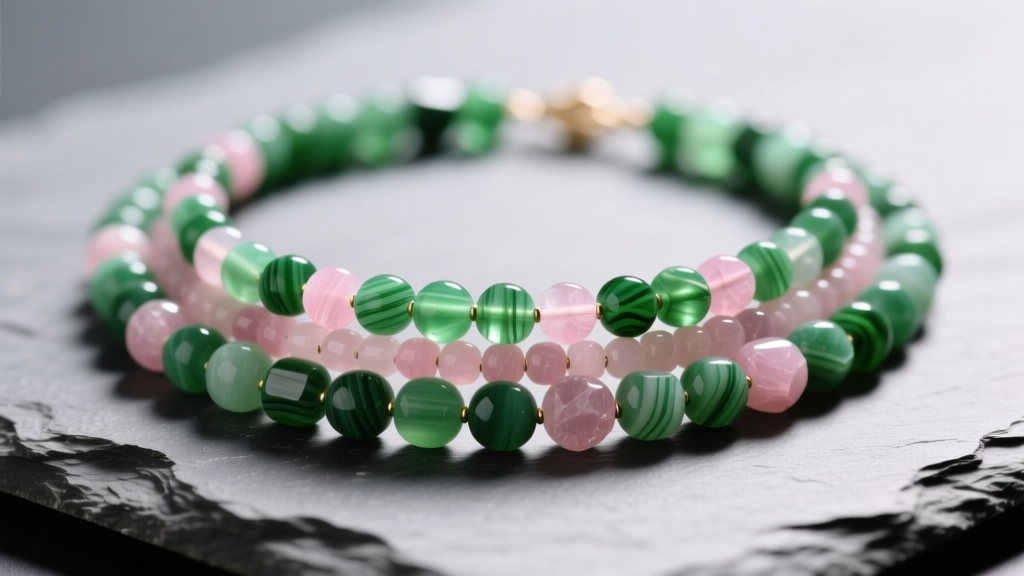
Unakite is a striking, mottled gemstone beloved for its earthy blend of mossy greens and salmon pinks. However, as an epoxidized granite, it presents a unique set of challenges for jewelry owners. Unlike homogenous gemstones such as amethyst or garnet, unakite is a composite rock. This complex mineralogy makes it highly susceptible to specific types of damage, from differential wear and micro-fracturing to severe stringing degradation. If your favorite unakite necklace has lost its luster, developed chips, or suffered a catastrophic stringing failure, standard jewelry care advice will not suffice. In this comprehensive troubleshooting guide, we break down the exact failure modes of unakite and provide professional lapidary and jewelry-making solutions to restore your piece to its original glory.
The Mineralogy Behind Unakite's Vulnerabilities
To effectively troubleshoot a damaged unakite necklace, you must first understand its geological makeup. Unakite is primarily composed of three distinct minerals, each with different physical properties:
- Pink Orthoclase Feldspar: Mohs hardness of 6. It features perfect cleavage in two directions, making it highly prone to chipping and flaking upon impact.
- Green Epidote: Mohs hardness of 6 to 7. It has distinct cleavage and is sensitive to thermal shock and sudden temperature changes.
- Colorless Quartz: Mohs hardness of 7. It lacks cleavage and fractures conchoidally, making it the most durable component of the stone.
According to mineralogical data from The Mineral Epidote (Minerals.net), the interlocking nature of these crystals means that when the necklace is subjected to abrasion or ultrasonic vibrations, the softer feldspar wears away faster than the quartz. This differential erosion results in a pitted, uneven surface texture that scatters light, causing the necklace to appear perpetually dull or cloudy.
Troubleshooting Common Unakite Necklace Issues
Issue 1: Cloudiness and the "Soap Scum" Trap
Because feldspar is slightly porous and often features microscopic surface pitting, unakite acts as a magnet for lotions, hard water minerals, and soap scum. Over time, a stubborn white film develops, masking the vibrant pink and green hues.
The Fix: Never use commercial jewelry dips or ammonia-based cleaners, as these can chemically etch the feldspar. Instead, create a cleaning bath using distilled water (to avoid hard water calcium deposits) and a single drop of pH-neutral dish soap. Use a soft-bristled baby toothbrush to gently agitate the surface. Rinse thoroughly with distilled water and immediately dry with a clean microfiber cloth. For stubborn buildup, a jeweler's steam cleaner can be used from a distance of at least 6 inches, but avoid direct, prolonged heat on the epidote inclusions to prevent thermal shock.
Issue 2: Micro-Fractures and Chipped Beads
If your unakite beads feature sharp, angular chips or flat, reflective fracture planes, you are witnessing feldspar cleavage failure. This usually occurs when the necklace is dropped or subjected to the violent cavitation of an ultrasonic cleaner.
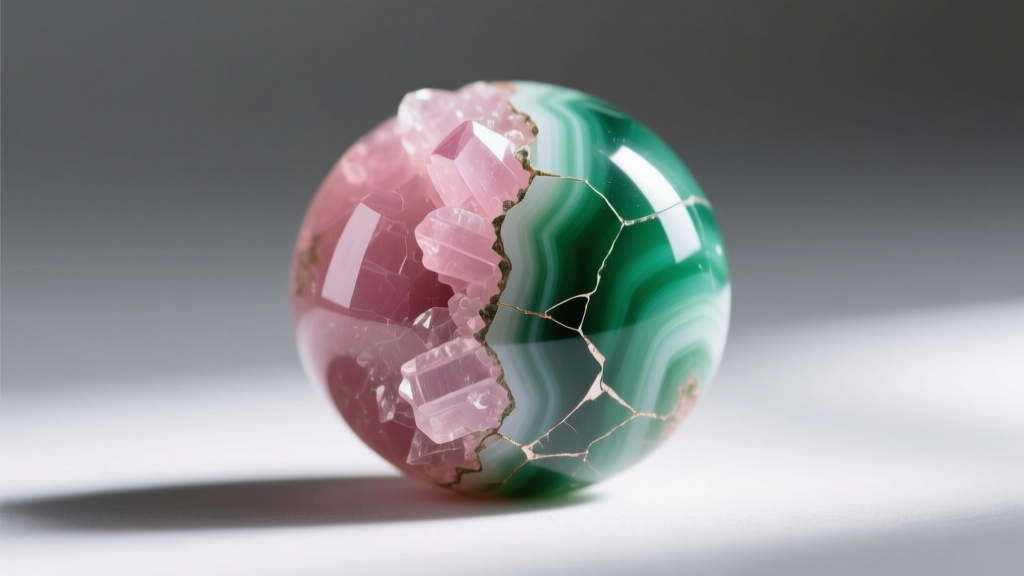
The Fix: Minor surface pitting can sometimes be polished out using a cerium oxide slurry applied with a felt Dremel bit at a low RPM (under 5,000 RPM to avoid heat buildup). However, deep cleavage fractures cannot be polished away without altering the bead's shape and size. In these cases, the most professional solution is to isolate the damaged bead, remove it, and replace it with a matching spacer bead, such as a 6mm matte onyx or brushed gold-filled round, which can add a deliberate, modern design element to the vintage piece.
Issue 3: Stringing Degradation and Stretching
Many vintage or mass-produced unakite necklaces are strung on silk thread or cheap nylon. Silk is a protein fiber that degrades rapidly when exposed to the acidic pH of human sweat and skin oils, leading to sudden, catastrophic breakage. Nylon, while stronger, stretches under the heavy weight of 8mm to 10mm unakite beads, causing the necklace to drape poorly and exposing the wire between the beads.
The Fix: Complete restringing is mandatory. Discard silk and nylon entirely. For heavy stone beads, you must use a 49-strand micro-fused stainless steel beading wire, such as Soft Flex or Beadalon, in a 0.018-inch or 0.021-inch diameter. This specific gauge provides the necessary tensile strength to support the dense granite beads while maintaining enough flexibility to drape elegantly around the neckline.
Unakite Component Hardness & Care Matrix
When attempting DIY repairs or cleaning, reference this matrix to ensure your methods align with the specific mineral composition of your necklace. The Gemological Institute of America (GIA) Gem Care Guide strongly advises tailoring cleaning methods to the most vulnerable mineral in a composite stone.
| Component | Mohs Hardness | Cleavage / Fracture | Ultrasonic Safe? | Steam Safe? | Primary Vulnerability |
|---|---|---|---|---|---|
| Orthoclase Feldspar (Pink) | 6.0 | Perfect (2 directions) | NO | NO | Chipping, chemical etching, pitting |
| Epidote (Green) | 6.0 - 7.0 | Distinct (1 direction) | NO | Risky (Thermal Shock) | Micro-fractures from heat/cavitation |
| Quartz (Clear) | 7.0 | None (Conchoidal) | Yes | Yes | Abrasion from harder materials |
Step-by-Step Restoration Protocol for Heavy Unakite
If your necklace has suffered stringing failure or severe stretching, follow this professional bench-jeweler protocol to restore its structural integrity and drape.
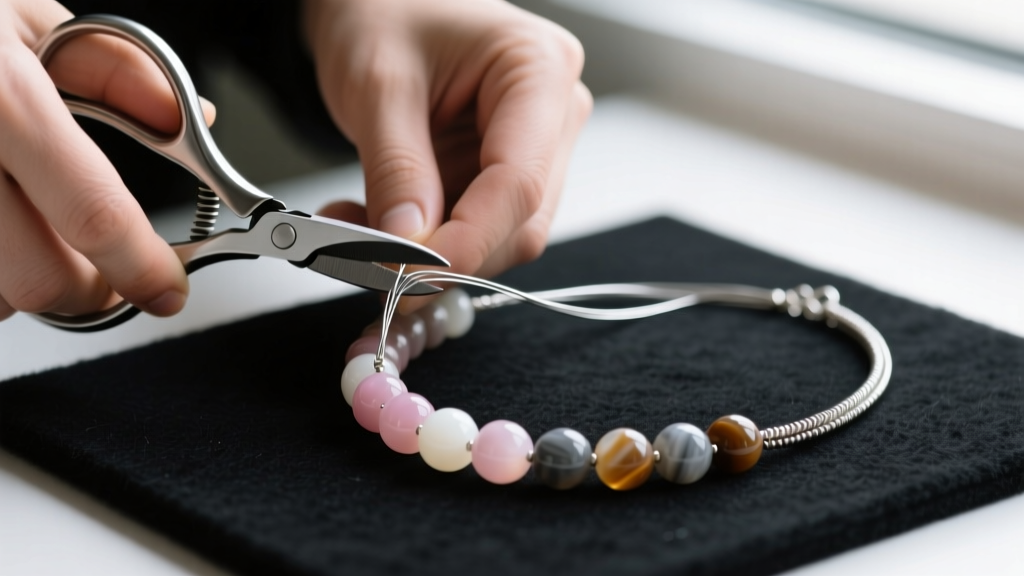
- Harvest and Sort: Carefully snip the old stringing material over a soft felt pad. Remove all beads, discarding any degraded crimp beads or tarnished base-metal spacer beads. Sort the unakite beads by size and color saturation to ensure a balanced gradient when restringing.
- Prepare the Wire: Cut a 24-inch length of 0.018-inch 49-strand stainless steel beading wire. Attach your chosen clasp (a secure lobster claw or magnetic neodymium clasp is recommended for heavy stone necklaces) using a 2mm sterling silver crimp bead and a wire guardian (French wire) to prevent the clasp from sawing through the steel cable.
- String with Tension Control: Thread the beads onto the wire. Because unakite beads are dense, you must leave a precise amount of "slack" or "ease" in the wire before crimping the second end. If strung too tightly, the wire will kink and eventually snap at the crimp point when the necklace bends around the neck.
- Micro-Crimp and Finish: Use a specialized micro-crimping tool to fold the 2mm crimp bead into a rounded, bead-like shape. This prevents sharp metal edges from rubbing against the wearer's skin or catching on clothing. Trim the excess wire flush with the bead using precision flush cutters.
Preventative Care & Storage Framework
Once your unakite necklace is cleaned and structurally restored, implementing a strict storage framework will prevent future degradation. Unakite should never be stored in a communal jewelry box where it can tumble against harder gemstones like diamonds, sapphires, or even quartz-rich agates, which will scratch the softer feldspar and epidote inclusions.
Expert Lapidary Tip: Never store unakite in extremely dry environments or direct sunlight for prolonged periods. While the stone itself will not fade, the epoxy resins sometimes used to stabilize lower-grade, heavily pitted unakite beads can yellow and become brittle when exposed to UV radiation and low humidity, eventually leading to bead disintegration.
Store the necklace flat in an anti-tarnish flannel pouch or a dedicated compartment lined with acid-free tissue paper. If you live in a high-humidity climate, include a small silica gel desiccant packet in the storage drawer to prevent moisture from degrading the steel stringing wire or tarnishing the silver or gold-filled clasp components. By respecting the complex geological nature of epoxidized granite, your unakite necklace will remain a vibrant, structurally sound staple in your jewelry collection for decades to come.


