Fixing a Dull Sapphire Solitaire Necklace: Care & Repair Guide
Is your sapphire solitaire necklace looking dark or catching on fabrics? Learn expert troubleshooting for stone extinction, prong wear, and chain care.

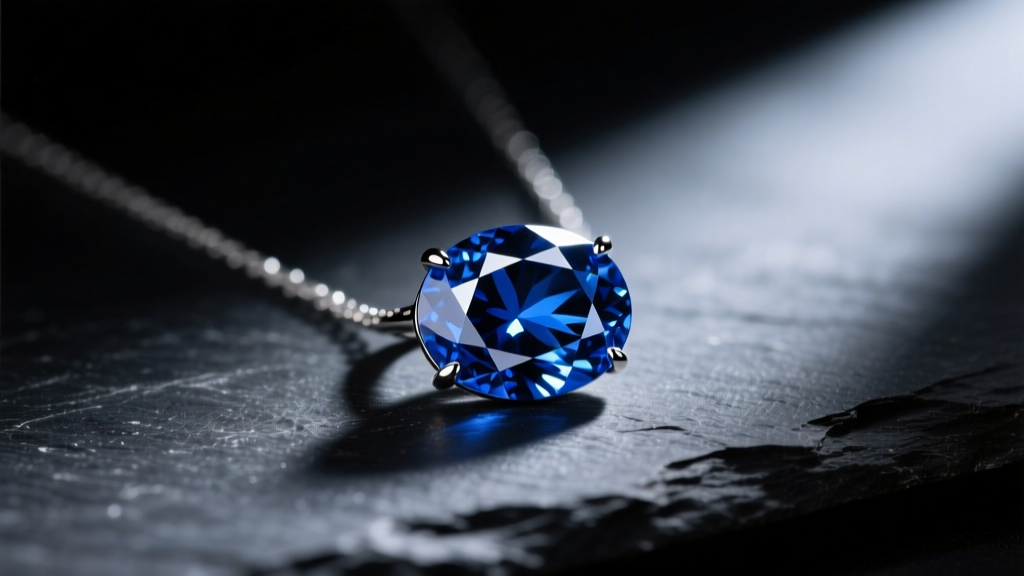
A sapphire solitaire necklace is a cornerstone of fine jewelry, prized for its durability and rich color. However, even a gemstone that ranks 9 on the Mohs hardness scale is not immune to structural vulnerabilities, optical flaws, and daily wear-and-tear. Many owners eventually notice their stone looking mysteriously dark in indoor lighting, prongs catching on delicate knits, or chains snapping unexpectedly. These are not isolated incidents; they are predictable mechanical and gemological issues that require specific troubleshooting.
This guide bypasses generic jewelry advice to provide actionable, expert-level solutions for the most common problems plaguing sapphire pendants. Whether you are dealing with a poorly cut stone or a failing bail, understanding the physics and metallurgy behind your necklace is the first step toward a permanent fix.
The 'Black Hole' Effect: Diagnosing Sapphire Extinction
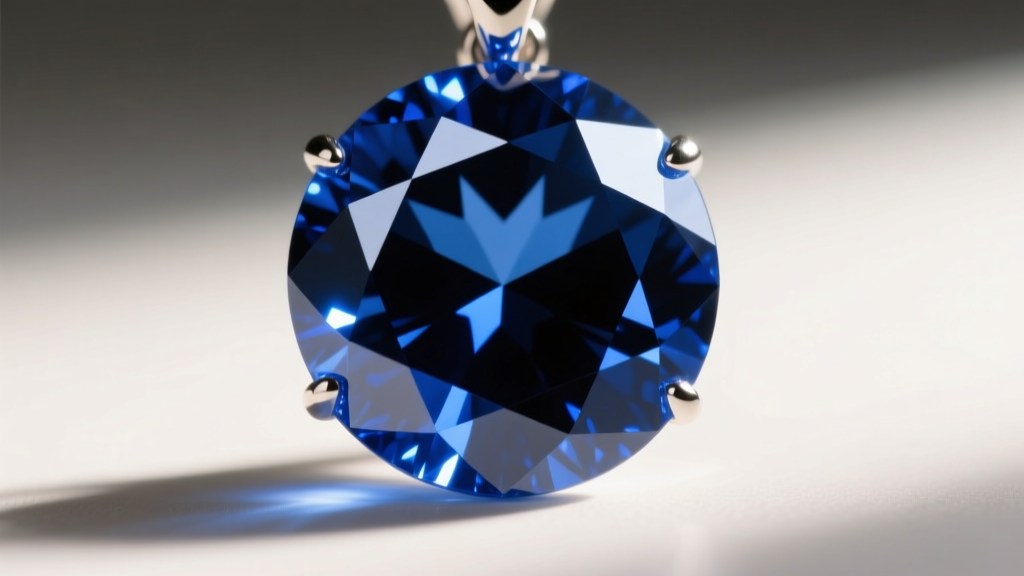
One of the most frequent complaints regarding a sapphire solitaire necklace is that the center of the stone appears black or completely lifeless when worn indoors. This phenomenon is known in gemology as extinction. It occurs when light enters the crown of the sapphire but fails to reflect back to the viewer's eye, instead leaking out the bottom or being trapped by poorly angled facets.
Why Cutters Cause Extinction
Sapphires possess a refractive index (RI) of 1.76 to 1.77. To achieve total internal reflection, the pavilion (bottom) facets must be cut at precise angles, typically between 38 and 42 degrees. However, rough sapphire crystals are incredibly expensive. To maximize profit, cutters often prioritize carat weight retention over optical precision, cutting the pavilion too deep (exceeding 45 degrees). This steep angle causes light to bounce incorrectly, resulting in a dark, dead center that no amount of cleaning can fix.
Troubleshooting and Solutions
If your sapphire suffers from severe extinction, you have two primary options:
- Environmental Lighting Adjustments: Extinction is most visible under single-point, overhead lighting (like recessed ceiling lights). Wearing the necklace in diffused, multi-directional light environments will minimize the dark appearance.
- Recutting the Stone: A master lapidary can recut the pavilion to optimal angles. Warning: This process will result in a 20% to 40% loss of carat weight. If your stone is under 1.00 carat, recutting is rarely financially viable. For stones over 2.00 carats, the dramatic improvement in brilliance often justifies the weight loss.
Prong Failure & Snagging: Security Audits for Daily Wear
While sapphire is exceptionally hard (resistant to scratching), its toughness (resistance to breaking or chipping) is only rated as good, due to potential parting planes and internal inclusions. To protect the stone, jewelers use prongs, but these metal claws are the most common failure point on any sapphire solitaire necklace.
The Snagging Problem
If your pendant constantly catches on sweaters or silk blouses, the prongs are likely too high, too flat, or improperly shaped. Standard round prongs should be filed into a smooth, low-profile bead. For pear-shaped or marquise sapphires, standard prongs at the pointed tips are a recipe for disaster; they must be replaced with V-prongs to distribute pressure evenly and prevent the tip from snapping off upon impact.
Prong Gauge and Metal Selection
Using soft metals like 14k yellow gold for heavy pendants leads to rapid prong wear. According to the American Gem Society, platinum or 18k white gold are vastly superior for prong tension and longevity. Below is a structural guideline for prong thickness based on the carat weight of your sapphire:
| Sapphire Carat Weight | Minimum Prong Gauge (Thickness) | Recommended Metal | Security Audit Frequency |
|---|---|---|---|
| 0.50ct - 1.00ct | 0.8mm - 0.9mm | 14k/18k Gold or Platinum | Every 18 Months |
| 1.01ct - 2.50ct | 1.0mm - 1.2mm | 18k White Gold or Platinum | Every 12 Months |
| 2.51ct - 5.00ct+ | 1.3mm - 1.5mm (Double Prongs) | Platinum Only | Every 6 Months |
Chain Breakage: Matching Gauge to Pendant Weight
A sapphire solitaire necklace is only as secure as the chain holding it. The most catastrophic failures occur not in the middle of the chain, but at the bail—the loop that connects the pendant to the chain. This is a zone of intense mechanical friction.
The Friction Saw Effect
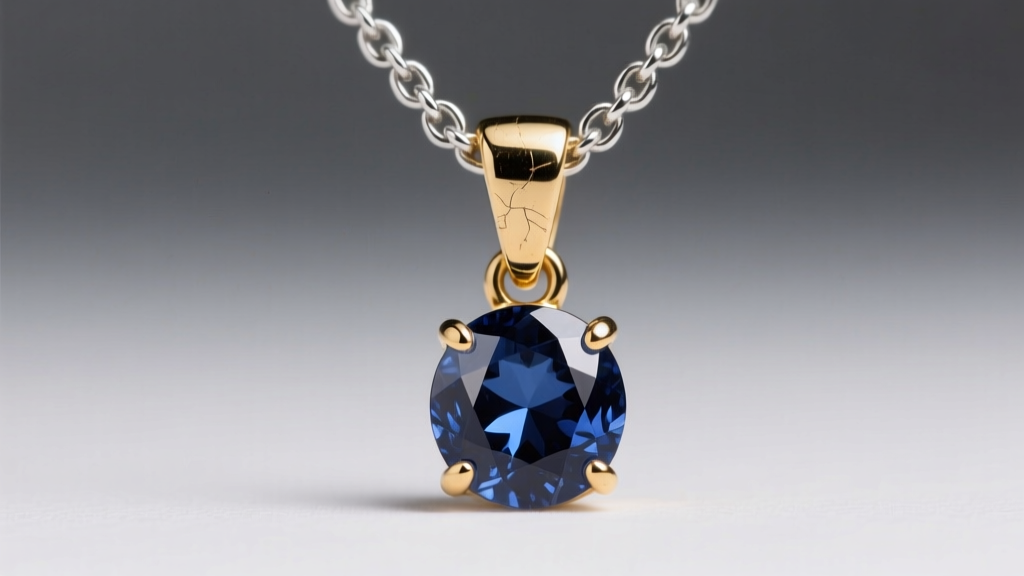
When a chain slides back and forth through the bail, it acts like a microscopic saw. If your chain is made of a harder metal than the bail (for example, a platinum chain on a 14k yellow gold bail), the chain will literally saw through the bail over time, resulting in the loss of the pendant. Always ensure the bail is made of the same metal, or a harder metal, than the chain.
Choosing the Right Chain Gauge
Delicate 0.5mm cable chains are entirely unsuited for sapphire pendants weighing more than 1.5 grams. The constant pendulum motion of the pendant creates torque that snaps thin links. For a standard 1.00ct to 2.00ct sapphire pendant (which typically weighs between 2.5 and 4.0 grams including the setting), you must upgrade to a chain with structural rigidity.
- Box Chains (1.0mm - 1.2mm): Excellent tensile strength and smooth surfaces that minimize bail wear.
- Wheat Chains (1.2mm - 1.5mm): Woven links provide multidirectional flexibility and extreme resistance to snapping under sudden tension.
- Avoid Rope Chains: The twisted grooves of rope chains act as abrasive files against the inside of the bail, accelerating metal degradation.
The Cleaning Trap: Ultrasonic and Steam Risks
Proper maintenance is vital, but incorrect cleaning methods can destroy a sapphire. While pure, unheated corundum is highly stable, the modern sapphire market is flooded with treated stones that require specialized care. The Gemological Institute of America (GIA) explicitly warns against using harsh mechanical cleaners on treated gems.
Identifying the Treatment Danger Zones
- Standard Heat Treatment: Safe for ultrasonic and steam cleaning. This is the most common and stable treatment.
- Fracture Filling (Lead-Glass Filled): Never put a fracture-filled sapphire in an ultrasonic cleaner or expose it to steam. The high-frequency vibrations and heat will shatter the glass filler, leaving the stone cloudy, structurally compromised, and potentially ruined.
- Lattice Diffusion (Beryllium Treated): While generally safe in ultrasonics, harsh chemical cleaners (like bleach or acidic jewelry dips) can sometimes interact with surface-reaching fractures, altering the stone's surface luster.
Expert Troubleshooting Rule: If you purchased a large, vividly colored sapphire solitaire necklace at a suspiciously low price point, assume it is fracture-filled or heavily treated until a certified gemologist proves otherwise. Treat it with the utmost chemical and mechanical caution.
The Safe Home Cleaning Protocol
To safely restore brilliance without risking structural damage, abandon commercial jewelry dips. Instead, use this gemologist-approved method:
- Mix lukewarm water (never hot, to avoid thermal shock on included stones) with a few drops of pH-neutral dish soap.
- Soak the necklace for 15 minutes to loosen sebum and cosmetic buildup behind the pavilion.
- Use an extra-soft, baby-hair toothbrush to gently agitate the area where the prongs meet the girdle of the stone.
- Rinse under a gentle stream of tepid water, ensuring the drain is securely plugged.
- Dry with a lint-free microfiber cloth, avoiding paper towels which can leave micro-scratches on the metal setting.
Summary Checklist for Annual Maintenance
Troubleshooting a sapphire solitaire necklace is an ongoing process of risk mitigation. To ensure your piece survives decades of daily wear, implement this annual maintenance checklist:
- The Shake Test: Hold the pendant close to your ear and gently tap the sapphire with a wooden toothpick. If you hear a faint clicking, the stone is loose in the setting and requires immediate prong tightening.
- The Bail Inspection: Use a 10x jeweler's loupe to inspect the inside of the bail for deep grooves caused by chain friction. If the metal is worn more than 30% through, have a jeweler solder a new bail or reinforce it with a platinum sleeve.
- Professional Polishing: Limit rhodium replating (for white gold) and high-speed polishing to once every two years. Over-polishing rounds off the crisp edges of the setting, weakening the prongs and altering the architectural integrity of the pendant.
By understanding the optical physics of your sapphire and the mechanical realities of its setting, you can transition from reactive repairs to proactive preservation, ensuring your necklace remains a brilliant, secure heirloom for generations.


