How to Untangle and Restring a Pearl Pearl Necklace
Learn how to safely untangle, repair, and restring a layered pearl pearl necklace using professional silk thread sizes and knotting techniques.

The Anatomy of a Pearl Pearl Necklace Failure
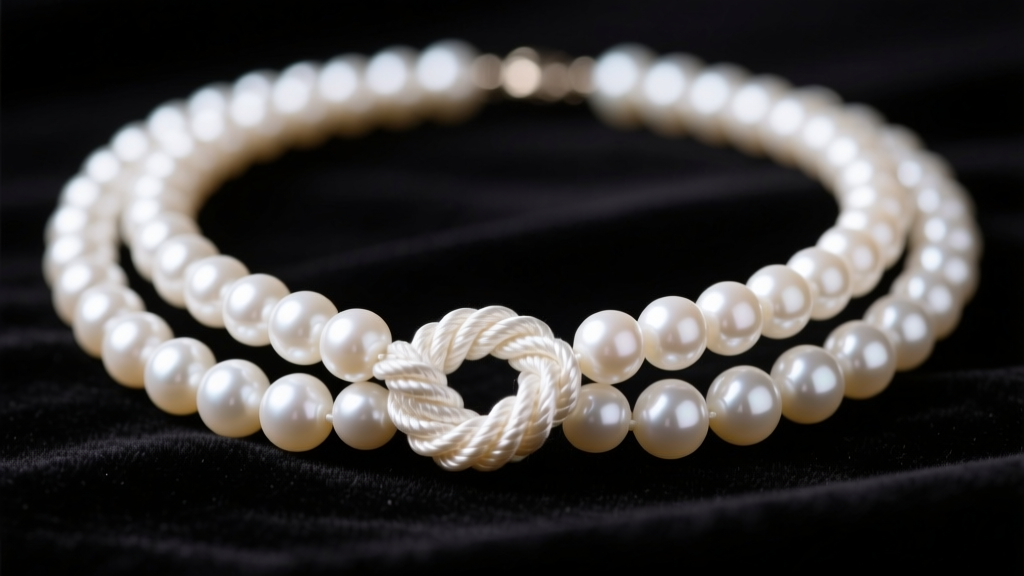
The layered 'pearl pearl necklace' aesthetic—featuring double-strand or multi-layered pearl configurations—remains a cornerstone of elegant jewelry styling. However, the multi-strand nature of these pieces introduces unique structural vulnerabilities. Unlike single-strand pieces, a pearl pearl necklace experiences compounded friction, uneven weight distribution, and accelerated silk degradation. When troubleshooting a broken or hopelessly tangled piece, understanding the organic composition of the pearls and the tensile limits of the stringing material is critical.
Pearls are organic gems primarily composed of calcium carbonate (nacre) and a protein called conchiolin. This protein structure makes them highly sensitive to environmental factors. Skin acidity, cosmetics, and even the natural oils from your neck can break down the silk threads over time, causing them to stretch, weaken, and eventually snap. According to the Gemological Institute of America (GIA), pearls require meticulous care because their organic nature makes them softer and more porous than crystalline gemstones, meaning the drill holes themselves can also accumulate debris that saws through weakened threads from the inside out.
Step-by-Step Troubleshooting: Untangling Without Damage
The most common issue with a layered pearl pearl necklace is severe tangling between the strands. When two strands of pearls knot together, the friction between the nacre surfaces can cause micro-abrasions if handled incorrectly. Never pull or tug at the knots; this only tightens the silk and risks crushing the delicate drill holes.
The Talcum Powder Method
- Preparation: Lay the tangled necklace flat on a smooth, dark surface (like a velvet jeweler's pad) to provide contrast and prevent the pearls from rolling.
- Lubrication: Generously dust the tangled area with pure, unscented talcum powder or cornstarch. This acts as a dry lubricant, reducing the friction coefficient between the pearls and the silk.
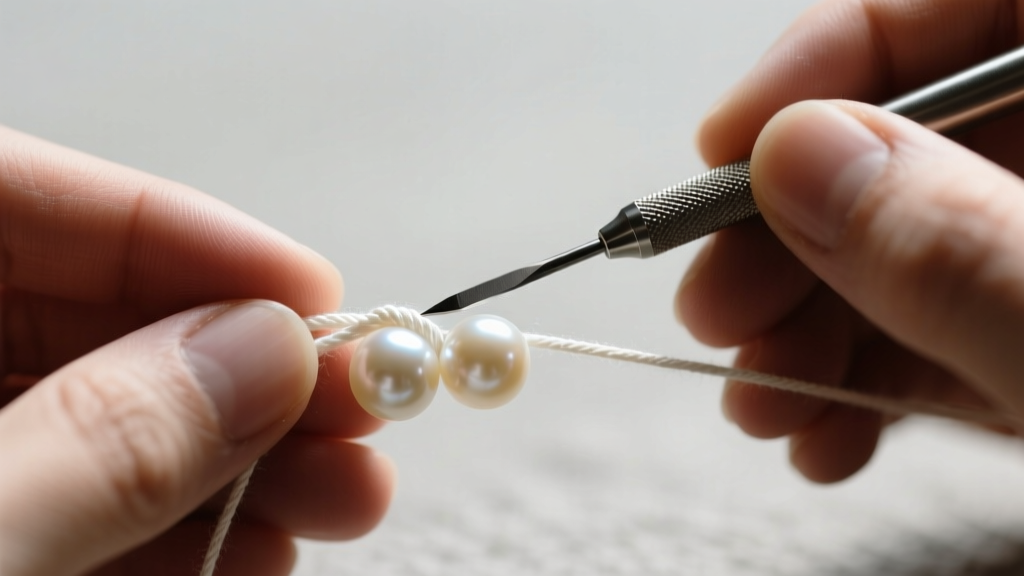
- Tooling: Use two fine-tipped beading awls or specialized knotting tweezers. Insert the tips into the center of the knot.
- Manipulation: Gently wiggle the awls in opposite directions to create microscopic gaps. Slowly work the thread outward, millimeter by millimeter, until the knot loosens enough to be undone by hand.
Diagnosing Thread Wear Before Breakage
Preventative troubleshooting is a hallmark of expert jewelry maintenance. You should inspect your pearl pearl necklace every six months for early warning signs of thread failure.
- The Stretch Test: Gently pull the necklace taut. If you see gaps of more than 1mm appearing between the pearls and the knots, the silk has permanently stretched and requires immediate restringing.
- Fraying at the Clasp: The first and last three inches of the necklace endure the most mechanical stress from the clasp mechanism. Inspect the silk where it enters the metal jump ring for dark discoloration or fuzzing.
- Discoloration: White silk that has turned yellow or gray indicates that skin oils and environmental pollutants have compromised the protein fibers of the thread.
The Restringing Protocol: Materials and Sizing
If the thread has failed, restringing a pearl pearl necklace requires matching the exact diameter of the pearl drill holes to the appropriate silk thread size. While synthetic nylon threads (like PowerPro) offer superior tensile strength, traditional 100% silk is still the industry standard for high-end pearls. Silk provides a superior drape, allows for tighter, more secure overhand knots, and prevents the pearls from clicking together harshly.
Most professional jewelers use Griffin Silk or Beadalon silk threads, which come pre-attached to a twisted wire needle. Below is a standard troubleshooting matrix for matching thread to pearl:
| Pearl Drill Hole Size | Griffin Silk Size | Thread Diameter | Recommended Pearl Type |
|---|---|---|---|
| 0.40mm - 0.50mm | No. 2 | 0.30mm | Small Seed Pearls, Keshi |
| 0.50mm - 0.60mm | No. 4 | 0.35mm | Akoya Pearls (6mm - 7mm) |
| 0.60mm - 0.75mm | No. 6 | 0.45mm | Freshwater, Tahitian (8mm - 10mm) |
| 0.80mm+ | No. 8 | 0.55mm | Large South Sea Pearls (11mm+) |
Pro Tip: When restringing a double-strand pearl pearl necklace, always use a slightly heavier thread (e.g., moving from No. 4 to No. 6) if the drill holes permit, as the combined weight of the two strands places higher tension on the clasp attachment points.
French Wire and Clasp Attachment
The most frequent failure point on any pearl necklace is where the silk thread rubs against the metal clasp. To troubleshoot and prevent this, you must use French wire (also known as bullion). French wire is a microscopic, coiled metal spring that acts as a protective sleeve over the silk.
- Cut a 3/4-inch piece of fine French wire (typically 0.3mm or 0.4mm gauge for pearls).
- Thread the silk through the French wire, then through the jump ring of the clasp, and back through the first pearl.
- The French wire ensures that the metal ring only contacts the metal coil, completely shielding the silk from abrasion.
The Overhand Knotting Technique
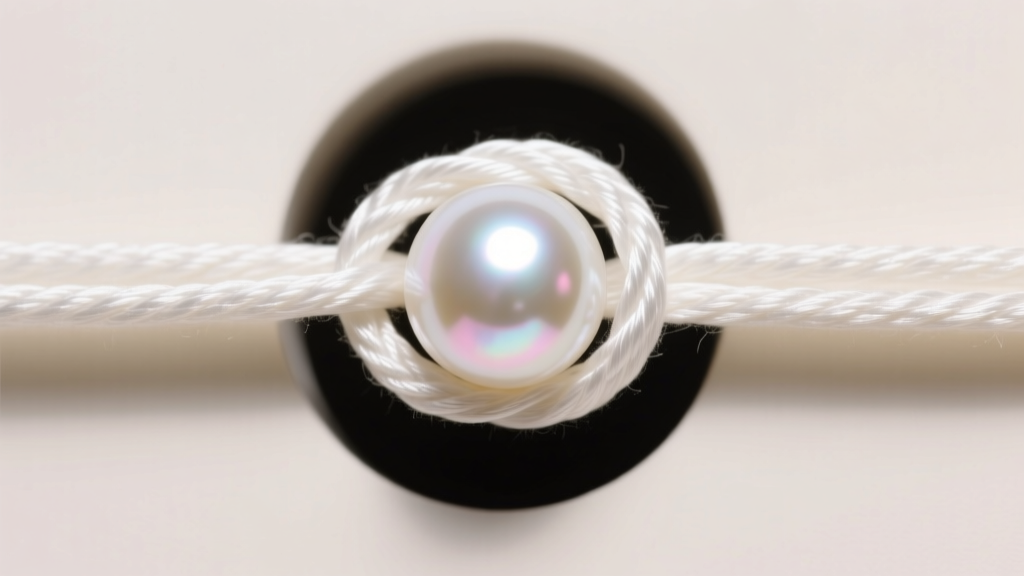
Every pearl must be separated by an individual overhand knot. This serves two purposes: it prevents multiple pearls from spilling if the thread breaks, and it prevents the pearls from rubbing against each other, which can dull the nacre. To achieve a professional finish, use a knotting tool or a beading awl to slide the knot perfectly flush against the pearl before pulling it tight. According to jewelry fabrication resources like Fire Mountain Gems, seating the knot with an awl ensures uniform spacing and prevents the silk from twisting inside the knot, which weakens the fiber structure.
Maintenance to Prevent Future Breakage
Once your pearl pearl necklace has been repaired or restrung, implementing a strict maintenance protocol will extend the life of the silk and the luster of the nacre.
- The 'Last On, First Off' Rule: Always put your pearls on after applying perfume, hairspray, and cosmetics. The alcohol and chemicals in these products will rapidly degrade the conchiolin in the pearls and rot the silk thread.
- Post-Wear Wiping: After wearing, gently wipe the pearls with a soft, lint-free microfiber cloth to remove acidic skin oils.
- Proper Storage: Never store a pearl necklace in a plastic bag or a safety deposit box for long periods. Pearls require ambient moisture; overly dry environments can cause the nacre to crack and the silk to become brittle. Store them flat in a soft pouch to prevent the silk from stretching under the weight of the pearls.
By understanding the specific mechanical and chemical vulnerabilities of layered pearl jewelry, you can effectively troubleshoot tangles, execute flawless repairs, and ensure your pearl pearl necklace remains a resilient, multi-generational heirloom.


