Sting Necklace WCW: Material Guide for Vintage & Modern Replicas
Explore the metallurgy of the vintage Sting necklace WCW merch versus modern replicas. Compare zamak, pot metal, and sterling silver properties.

The Intersection of 90s Pop Culture and Metallurgy
When collectors, fashion archivists, and wrestling historians hunt for an authentic sting necklace WCW piece, they are rarely just looking for a simple accessory. They are chasing a tangible artifact of 1990s professional wrestling history. The iconic wrestler Sting, particularly during his transition into the dark, Crow-like persona in late 1996, popularized a distinct gothic and scorpion-inspired aesthetic. This aesthetic heavily influenced the merchandise sold at World Championship Wrestling (WCW) live events, including the highly coveted scorpion stinger necklaces. However, as we navigate the 2026 vintage apparel and memorabilia market, the conversation around these pieces has shifted from mere pop-culture nostalgia to serious material science and conservation. Understanding the metallurgical properties of both the original 90s arena merch and the modern, high-fidelity replicas is crucial for anyone looking to buy, sell, or preserve these iconic necklaces.
Deconstructing the Vintage 90s Arena Merchandise
The Reality of Zamak and Pot Metal Alloys
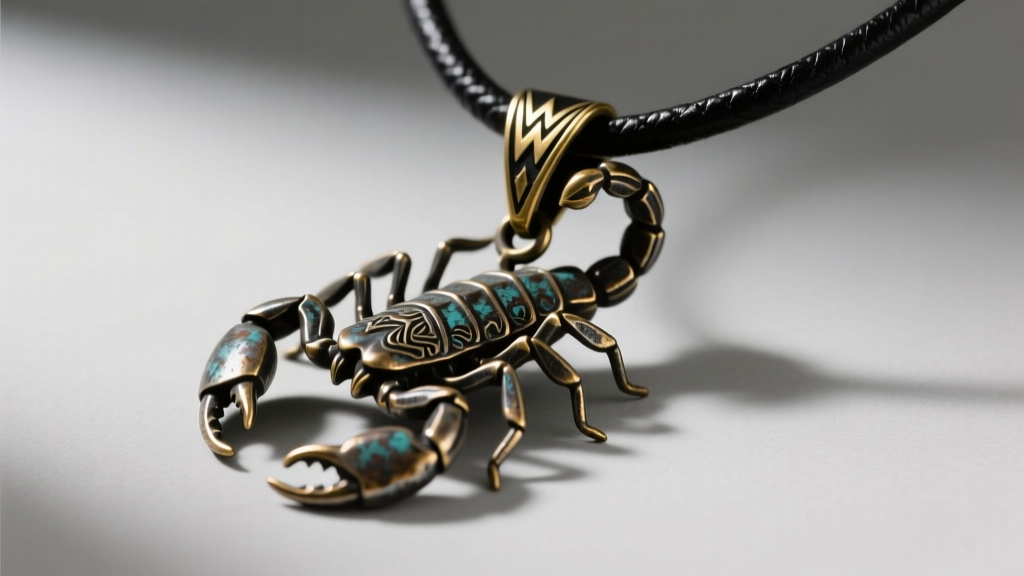
The vast majority of authentic 1990s wrestling merchandise, including the original Sting scorpion pendants, were not crafted from precious metals. To keep costs low and production speeds high for arena vending and mail-order catalogs, manufacturers relied heavily on Zamak and generic pot metal alloys. Zamak is a family of alloys with a base metal of zinc and alloying elements of aluminum, magnesium, and copper (the name derives from the German initials: Zink, Aluminium, Magnesium, Kupfer). Specifically, Zamak 3 was the industry standard for die-cast novelty jewelry due to its excellent fluidity in molds, allowing for the intricate, jagged details of the scorpion stinger motifs to be captured accurately.
However, from a jewelry preservation standpoint, Zamak is notoriously unstable over long periods. The original pendants were typically finished with a "flash plating" of silver or nickel—a microscopic layer of electroplated metal measuring less than 0.5 microns in thickness. This ultra-thin plating was meant to provide a bright, silvery shine for the point of sale, but it offers virtually zero long-term protection against oxidation, sweat, and environmental humidity.
The Threat of Zinc Pest and Intergranular Corrosion
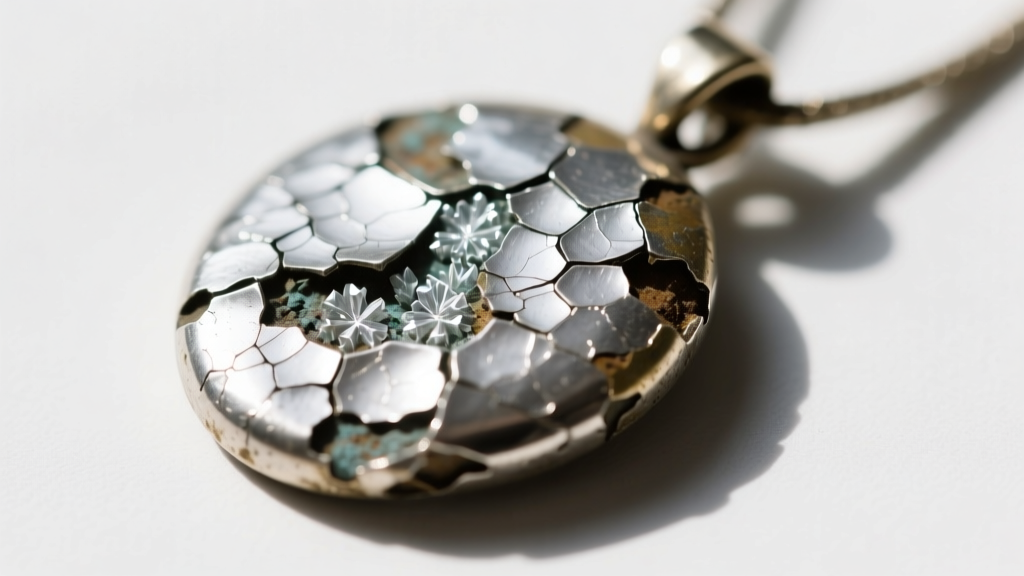
One of the most critical failure modes for vintage zinc alloy jewelry is intergranular corrosion, commonly known in the collecting community as "zinc pest." If the original Zamak alloy was contaminated with even trace amounts of impurities like lead or tin during the 1990s manufacturing process, the metal will slowly expand, crack, and crumble into a powdery substance over a few decades. According to conservation guidelines published by the Getty Conservation Institute, zinc alloys are particularly susceptible to atmospheric pollutants and fluctuating humidity, which accelerate this destructive expansion. If you are sourcing a vintage Sting necklace today, you must closely inspect the edges of the stinger pendant for micro-fractures or a white, powdery residue, which are telltale signs of active zinc pest.
Modern 2026 Replicas: Upgrading the Stinger
As the original 90s pieces continue to degrade or become locked away in climate-controlled private collections, a robust market for modern, metallurgically superior replicas has emerged. Custom jewelers and specialized memorabilia brands are now producing Sting-inspired stinger necklaces using materials that guarantee structural integrity and skin safety. The two dominant materials in the 2026 replica market are 316L surgical stainless steel and .925 sterling silver.
316L Surgical Stainless Steel
For collectors who want the heavy, cold feel of a substantial pendant without the maintenance of precious metals, 316L stainless steel is the optimal choice. Unlike standard 304 stainless steel, the 316L variant includes a 2-3% addition of molybdenum. As detailed by Encyclopedia Britannica, this molybdenum addition drastically increases the alloy's resistance to chlorides and industrial solvents, meaning it will not tarnish or rust when exposed to sweat, pool water, or high humidity. Furthermore, 316L is hypoallergenic, eliminating the risk of nickel-induced contact dermatitis that was common with poorly plated 90s pot metal.
.925 Sterling Silver and Lost-Wax Casting
For high-end, luxury interpretations of the Sting necklace WCW aesthetic, artisans utilize .925 sterling silver. Modern replicas are often produced using the lost-wax casting method, which allows for the deep, aggressive undercuts of the scorpion stinger design to be rendered perfectly in solid silver. To combat the natural tarnishing of copper within the sterling alloy, many 2026 makers apply a rhodium flash or utilize Argentium silver, which replaces some of the copper with germanium for superior tarnish resistance.
Material Properties Comparison Chart
| Material | Composition | Vickers Hardness (HV) | Tarnish Resistance | 2026 Market Value Range |
|---|---|---|---|---|
| Vintage Zamak 3 | Zinc, Aluminum, Copper, Magnesium | ~90 HV | Poor (Prone to Zinc Pest) | $40 - $150 (Condition dependent) |
| 316L Stainless Steel | Iron, Chromium, Nickel, Molybdenum | 150 - 190 HV | Excellent | $45 - $95 (Custom replicas) |
| .925 Sterling Silver | 92.5% Silver, 7.5% Copper/Germanium | 60 - 75 HV | Moderate (Requires polishing) | $120 - $350 (Artisan cast) |
Chain Selection: Cords vs. Metal Links
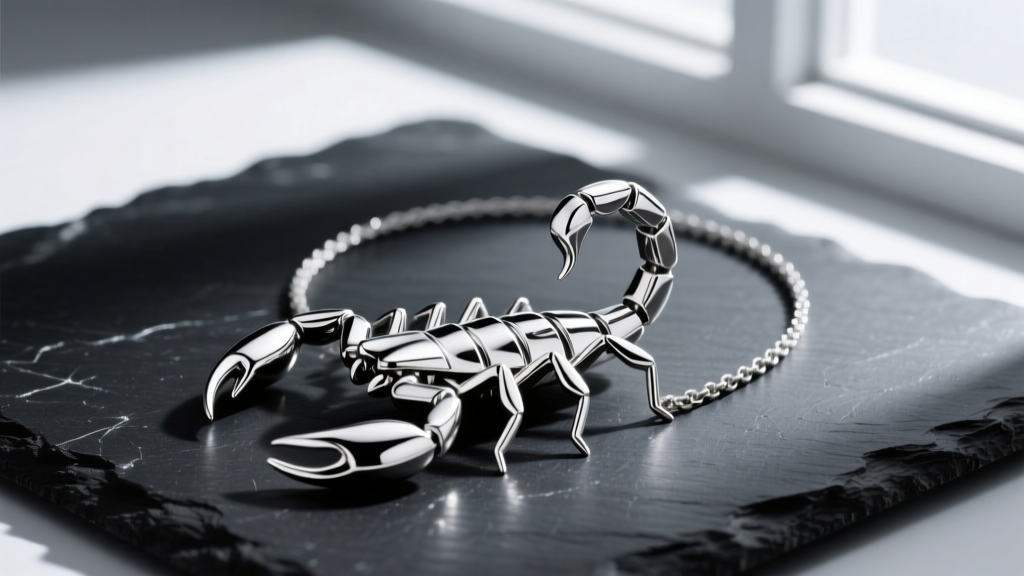
The material of the pendant is only half the equation; the suspension method drastically alters the wearability and aesthetic of the necklace. The original 1990s WCW merchandise almost exclusively utilized black cotton or braided nylon cords with base-metal lobster clasps. While historically accurate, these cords degrade, fray, and absorb skin oils over time. For modern styling, pairing a heavy Zamak or Steel stinger pendant with a 3mm to 5mm stainless steel Rolo or Curb chain provides necessary structural support. A heavy zinc pendant can easily snap an aged cotton cord, resulting in the loss of the artifact. If historical accuracy is paramount for your collection, replace the vintage cord with a new, high-grade braided Kevlar or waxed cotton cord, ensuring the pendant remains secure.
Restoration and Preservation Protocols
If you have managed to source an original, unbroken vintage Sting necklace, immediate conservation is required to halt further degradation. Never use ultrasonic cleaners, harsh chemical dips, or abrasive polishing cloths on vintage Zamak, as this will strip the remaining microscopic flash plating and expose the raw, porous zinc to the air. Instead, gently wipe the piece with a dry, soft microfiber cloth to remove surface oils. To seal the metal and protect it from atmospheric moisture, apply a thin, even coat of microcrystalline wax (such as Renaissance Wax). This museum-grade wax creates a stable, non-yellowing barrier that halts oxidation without altering the visual patina of the 90s piece. Store the necklace in a sealed, acid-free archival box with silica gel desiccant packets to maintain a low-humidity environment.
Sourcing Authentic vs. Custom Commissioned Pieces
Finding a genuine 1996-1999 WCW arena-issued Sting necklace requires patience and a keen eye for authentication. These pieces frequently surface on specialized auction sites, wrestling memorabilia forums, and estate sales, typically ranging from $40 for heavily degraded pieces to over $150 for pristine examples with original cardboard backing cards. Conversely, if your goal is daily wear and gothic styling without the anxiety of babying a degrading artifact, commissioning a custom 316L steel or sterling silver piece from an independent metalsmith on platforms like Etsy is the superior route. Modern artisans can replicate the exact dimensions of the vintage stinger while integrating modern jewelry findings, such as secure spring-ring clasps and integrated jump rings, ensuring your tribute to 90s wrestling history survives for decades to come.


