Fixing a Flipping or Broken Eternity Diamond Necklace: A Guide
Is your eternity diamond necklace constantly flipping or showing wear? Discover expert troubleshooting tips to fix clasps, prongs, and layout issues.

The Structural Vulnerability of Continuous Diamond Lines
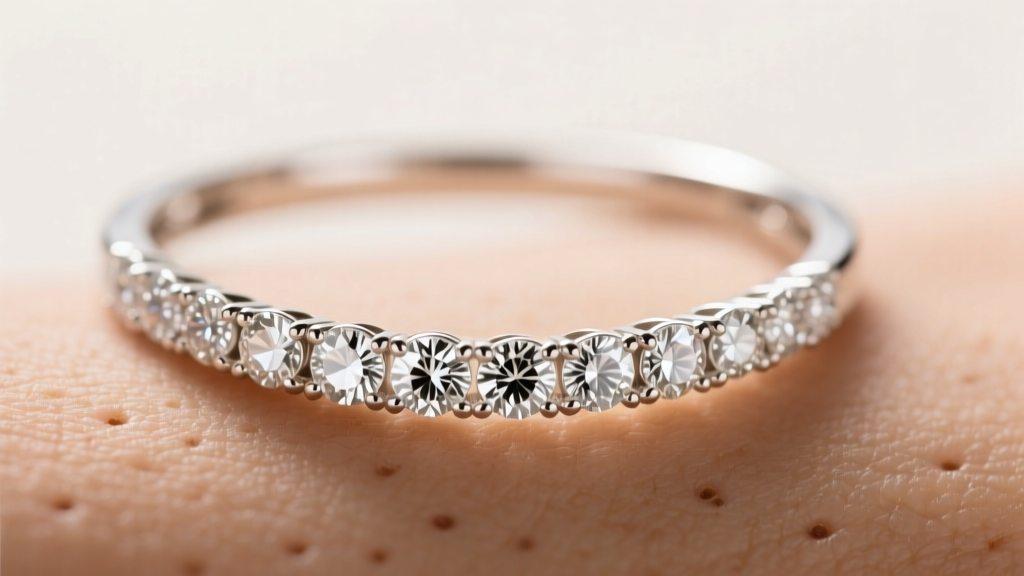
An eternity diamond necklace—often referred to in the trade as a continuous tennis necklace or a full-circle diamond line—is a masterpiece of jewelry engineering. Unlike a standard pendant necklace where a central focal point anchors the piece to the sternum, an eternity diamond necklace features a uniform distribution of carat weight and metal entirely around the neck. While this creates a breathtaking, unbroken river of brilliance, it also introduces unique structural and behavioral challenges. From the dreaded "necklace flip" to accelerated prong wear and link fatigue, these pieces require specialized troubleshooting. In this comprehensive guide, we break down the most common failures associated with eternity diamond necklaces and provide actionable, master-jeweler-approved solutions to restore their functionality and security.
Problem 1: The Physics of the "Necklace Flip"
The most frequent complaint among owners of continuous diamond lines is the tendency for the clasp to migrate from the nape of the neck to the front collarbone, causing the necklace to flip upside down or sit awkwardly. This is not a defect in the jewelry, but rather a basic issue of physics and center-of-gravity distribution. Because the diamonds and links are uniformly weighted, any minor friction against clothing, hair, or skin can rotate the piece. The clasp, often slightly heavier or bulkier than the links, eventually succumbs to gravity and slides down the neck's slope.
Troubleshooting and Fixes
- The Counterweight Method: The most effective permanent fix is to have a jeweler solder a small, discreet gold counterweight (often a 3mm to 5mm solid gold bead or a custom-stamped tag) exactly opposite the clasp. This anchors the back of the necklace, lowering the center of gravity at the nape and preventing rotation.
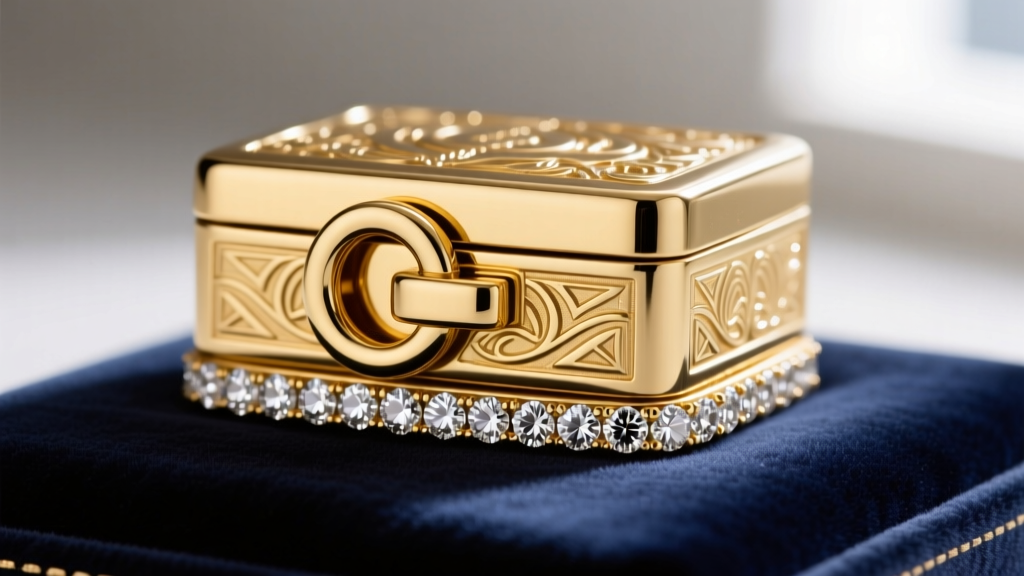
- Clasp Upgrades: If your necklace features a lightweight lobster clasp or a small spring ring, it will inevitably flip. Upgrade to a heavy tongue-and-groove box clasp (minimum dimensions 8mm x 4mm) equipped with double figure-8 safety catches. The added mass of the box clasp acts as a natural pendulum anchor.
- Silicone Grips (Temporary): For an immediate, non-invasive fix, jewelers can apply a microscopic layer of jewelry-grade silicone to the inside of the clasp mechanism to increase friction against the skin, though this requires reapplication every few months.
Problem 2: Prong Wear, Snagging, and Diamond Loss
To maximize the face-up brilliance of an eternity diamond necklace, manufacturers frequently utilize shared-prong or micro-prong settings. While beautiful, these settings use minimal metal—often with prong widths measuring just 0.8mm to 1.0mm. Over time, friction from silk blouses, microfiber towels, and even human hair can wear down these prongs, leading to catastrophic diamond loss. Furthermore, sharp prong tips can snag and tear delicate fabrics.
Setting Durability Comparison
When purchasing or repairing an eternity diamond necklace, understanding the setting architecture is critical for long-term wearability. Below is a technical comparison of the three most common setting styles used in continuous diamond lines.
| Setting Type | Prong Width / Metal Usage | Snag Risk | Light Return (Brilliance) | Best Use Case |
|---|---|---|---|---|
| Shared Prong | 0.8mm - 1.0mm (Minimal) | High | Maximum (95%+) | Occasional wear, evening events |
| U-Prong | 1.1mm - 1.3mm (Moderate) | Medium | High (85-90%) | Frequent wear, office environments |
| Bezel | Full Encasement (Heavy) | Zero | Moderate (75-80%) | Daily wear, active lifestyles |
Expert Insight: If you are experiencing chronic snagging with a shared-prong eternity necklace, a master jeweler can perform a "prong rounding and polishing" service. Using a high-speed burr, they can smooth the sharp 90-degree edges of the prong tips into a domed profile, reducing fabric catch by up to 60% without compromising the stone's security. For long-term peace of mind, the Jewelers of America strongly recommends having prongs inspected under 10x magnification every six months.
Problem 3: Link Fatigue and Metallurgical Breakage
A 16-inch eternity diamond necklace featuring 5mm stones can easily weigh between 12 and 18 carats, translating to significant physical mass. When crafted in 18k yellow or rose gold, the high pure-gold content (75%) makes the alloy relatively soft. The constant tension and pulling from the necklace's weight can cause the micro-links between the diamond settings to stretch, thin, and eventually snap.
Why Platinum is the Superior Choice
For continuous diamond lines exceeding 10 total carats, Platinum 950 (alloyed with 5% ruthenium or iridium) is the industry gold standard. Unlike gold, which loses microscopic layers of metal when scratched or stressed, platinum exhibits "metal displacement." When a platinum link is stressed, the metal bends and displaces rather than thinning out, offering vastly superior tensile strength and long-term structural integrity for heavy eternity pieces.
Repairing Breaks: Laser Welding vs. Traditional Soldering
If your 18k gold eternity necklace snaps, the repair method is critical. Traditional torch soldering requires heating the gold to approximately 1,400°F. If the break occurs within 2mm of a diamond, this ambient heat can cause severe thermal shock, potentially shattering stones with internal feathers, or causing "burn" (graphitization of the diamond's carbon surface). Furthermore, diamonds conduct heat rapidly; without heavy borax protection, the heat can damage the stone's polish.
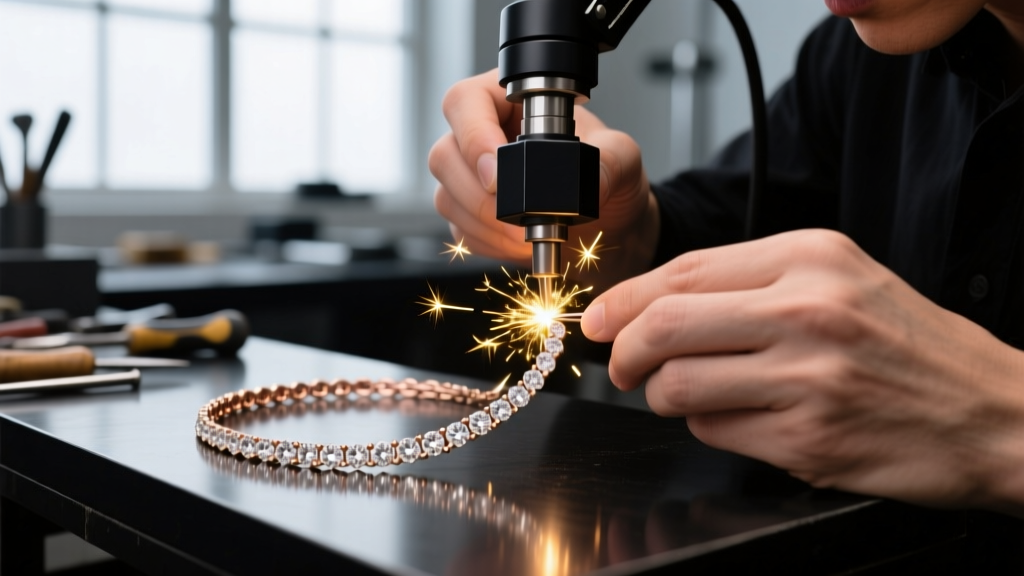
In 2026, the standard for repairing continuous diamond lines is Nd:YAG Laser Welding. A laser welder uses a highly focused beam of light to melt the metal in milliseconds. The heat-affected zone is less than 0.5mm, meaning a jeweler can fuse a broken link directly adjacent to a diamond setting without raising the temperature of the gemstone. Expect to pay between $150 and $300 for a professional laser weld on a delicate diamond line, a necessary investment to protect your stones.
The Ultrasonic Cleaning Trap
Many owners mistakenly clean their eternity diamond necklaces in at-home ultrasonic cleaners. These devices operate at frequencies around 40kHz, creating microscopic cavitation bubbles that implode to blast away dirt. While excellent for solid gold, ultrasonic vibrations are highly destructive to continuous diamond lines. The high-frequency shaking can easily rattle diamonds loose from worn shared prongs. More dangerously, if any diamond in the line possesses a natural inclusion, feather, or internal cleavage plane, the ultrasonic vibrations can cause the stone to cleave or shatter entirely. The Gemological Institute of America (GIA) explicitly warns against using ultrasonics on fracture-filled diamonds or stones with significant internal characteristics.
The Safe Cleaning Protocol
To safely maintain the brilliance of your eternity necklace without risking structural failure:
- Soak the piece in a bowl of warm water mixed with a few drops of mild, ammonia-free degreasing dish soap for 15 minutes.
- Use a brand-new, ultra-soft baby toothbrush to gently agitate the dirt from the pavilion (underside) of the diamonds, where skin oils and lotions accumulate.
- Rinse thoroughly under lukewarm running water, ensuring the drain is securely plugged.
- Pat dry with a lint-free microfiber cloth, avoiding aggressive rubbing that could catch on micro-prongs.
When to Consult a Master Jeweler
Troubleshooting an eternity diamond necklace requires recognizing the line between a minor annoyance and a critical structural failure. If your necklace is flipping, a simple clasp upgrade or counterweight addition will solve the issue. However, if you notice any "clicking" sounds when the necklace moves, visible gaps between the diamond girdles, or a single prong that has lifted away from the stone's table, remove the necklace immediately. Store it flat in a soft pouch and take it to a certified bench jeweler. Continuous diamond lines are significant financial and emotional investments; proactive maintenance is the only way to ensure they remain a flawless, unbroken circle of light for generations.


