Heart Necklace Troubleshooting: Fix Flipping, Tangling & Tarnish
Is your heart necklace constantly flipping upside down or tangling? Discover expert troubleshooting tips to fix pendant bail, chain, and clasp issues.

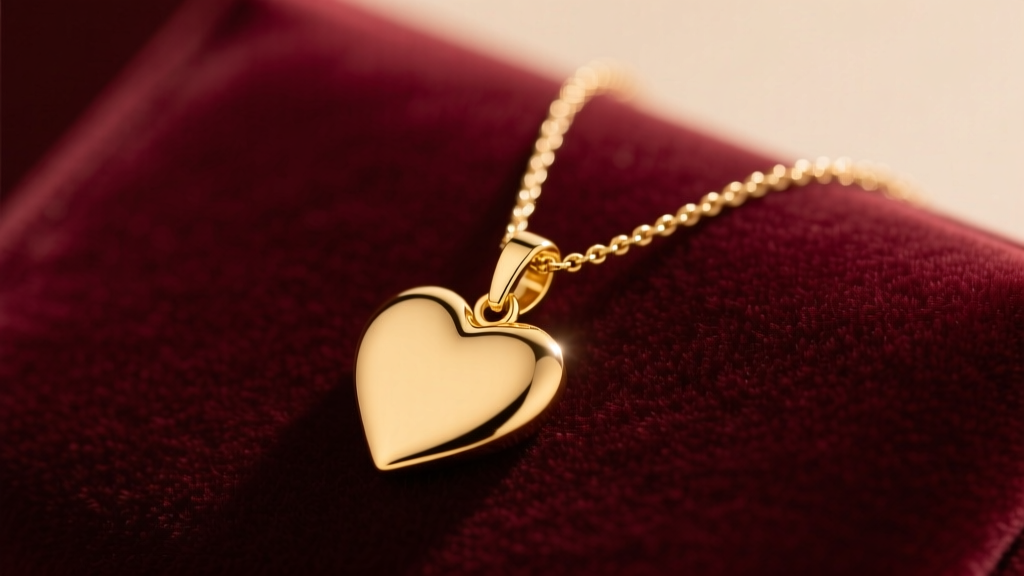
Heart necklaces are a timeless staple in fine jewelry, but their unique geometry presents specific structural challenges that simpler solitaire pendants do not face. The asymmetrical weight distribution of a heart shape—characterized by heavy upper lobes and a tapered bottom point—frequently leads to three primary frustrations for wearers: the pendant flipping upside down, the delicate chain tangling into micro-knots, and the clasp migrating to the front of the neck.
As a jewelry stylist and bench consultant, I see these issues daily. Rather than blaming the design, these problems are usually the result of a mismatch between the pendant's bail, the chain's metallurgy, and the clasp's weight. Below is a comprehensive, expert-level troubleshooting guide to diagnosing and permanently fixing the most common heart necklace failures.
The Physics of the Flip: Why Your Heart Pendant Won't Sit Flat
The most ubiquitous complaint with heart necklaces is the pendant rotating 180 degrees, displaying the back of the setting or the hallmark stamp instead of the face. This is not a defect; it is basic physics. The center of gravity in a heart pendant is naturally biased toward the upper lobes. If the bail (the loop connecting the pendant to the chain) is positioned exactly at the top cleft, the heavy lobes will pull the pendant upside down as gravity seeks equilibrium.
Bail Alignment and Chain Thickness
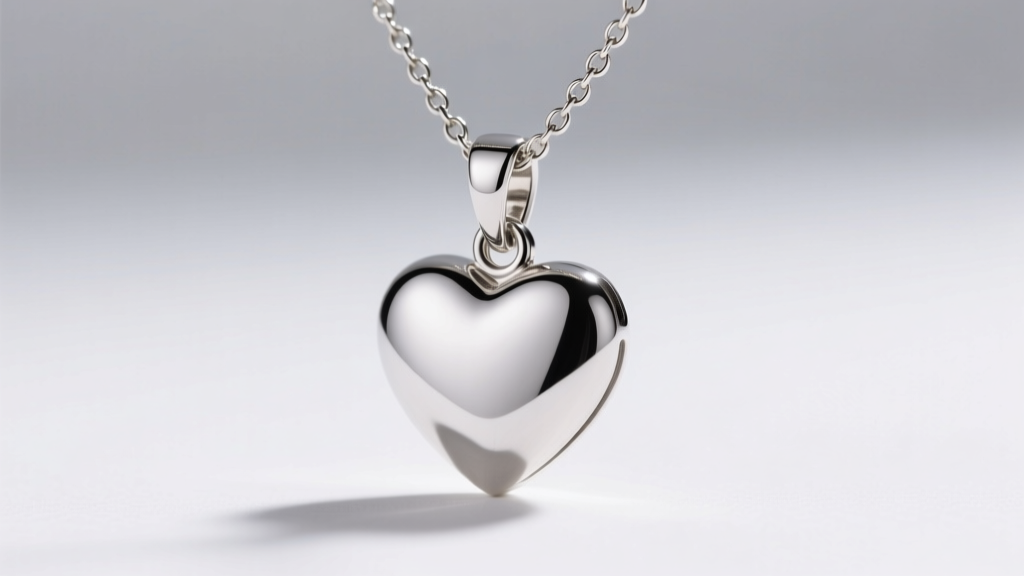
To stop the flipping, you must address the bail-to-chain ratio and the bail type. If you are using a sliding bail, the pendant has too much rotational freedom. The permanent fix is to have a bench jeweler solder a tiny jump ring inside the bail to create a 'fixed' orientation, or apply a microscopic drop of clear, jewelry-safe UV resin to the back of the bail to create friction against the chain.
Furthermore, chain thickness dictates pendant mobility. A common mistake is pairing a 1.5mm rope chain with a bail that has a 2.0mm inner diameter. The chain fills the bail, restricting its movement and causing the heart to get stuck upside down. The Golden Rule: The bail's inner diameter must be at least 1.5 times the thickness of the chain to allow the pendant to self-correct. For heart pendants, rigid chains like a 1.2mm box chain or a 1.0mm wheat chain provide better structural support than highly flexible cable chains, reducing the flip effect.
The Tarnish and Allergy Troubleshooting Matrix
Heart pendants typically rest directly against the sternum, an area of the chest highly prone to perspiration, body oils, and perfume overspray. This accelerates chemical reactions in non-precious or alloyed metals. Below is a diagnostic matrix for identifying and solving metal degradation.
| Metal Grade | Common Failure Mode | Troubleshooting & Solution |
|---|---|---|
| 925 Sterling Silver | Turns black or dull yellow (Silver Sulfide formation due to copper alloy reacting with sulfur in the air/skin). | Polish with a treated silver cloth. For long-term prevention, have the pendant rhodium-plated or store with 3M anti-tarnish strips. |
| 14k Gold Filled | Flaking, peeling, or exposing a dark brass core after 1-3 years of wear. | Gold-filled layers cannot be re-polished or re-plated effectively. The piece must be replaced. Upgrade to solid 14k gold for longevity. |
| Brass/Copper Base | Leaves a green or black stain on the chest skin (Copper oxidation reacting with acidic sweat). | Coat the back of the pendant with a layer of clear polyurethane or jewelry shield. Wipe the chest area free of acidic lotions before wearing. |
| Platinum / Palladium | Develops a dull, matte 'patina' over time due to micro-scratches displacing metal. | This is not tarnish. Restore the mirror finish by having a jeweler buff it with a rouge wheel and polishing compound. |
Solving the Sliding Clasp Dilemma
If your heart pendant sits perfectly flat but your lobster clasp constantly slides around to the front of your neck, you are experiencing a counterweight imbalance. Heart pendants, especially those with solid gold or gemstone pavé, are front-heavy. If the chain is exceptionally light (e.g., a 0.8mm cable chain), the heavier clasp will naturally migrate to the lowest point of tension, which shifts to the front when you move.
- The Counterweight Bead: Thread a small, heavy metal bead (like a 3mm solid gold or tungsten bead) onto the chain directly opposite the pendant. This anchors the clasp at the nape of the neck.
- Clasp Substitution: Swap the heavy lobster clasp for a lightweight 4mm spring ring clasp. Spring rings use less metal and shift the center of gravity away from the clasp itself.
- Silicone Stoppers: Many modern chains feature a built-in silicone-lined bead that acts as a friction stopper. Ensure this bead is positioned exactly at the midpoint of the chain to lock the clasp in the back.
Detangling and Preventing Micro-Knots in Delicate Chains
Intricate cutout heart designs (such as openwork filigree or interlocking hearts) act like tiny grappling hooks. When tossed into a jewelry box, the sharp inner curves easily catch the links of delicate chains, creating micro-knots that seem impossible to undo without snapping the metal.
The Baby Powder and Pin Method
Never pull on a tangled chain; this tightens the knot and work-hardens the metal, leading to a catastrophic snap. Instead, use the professional bench method:
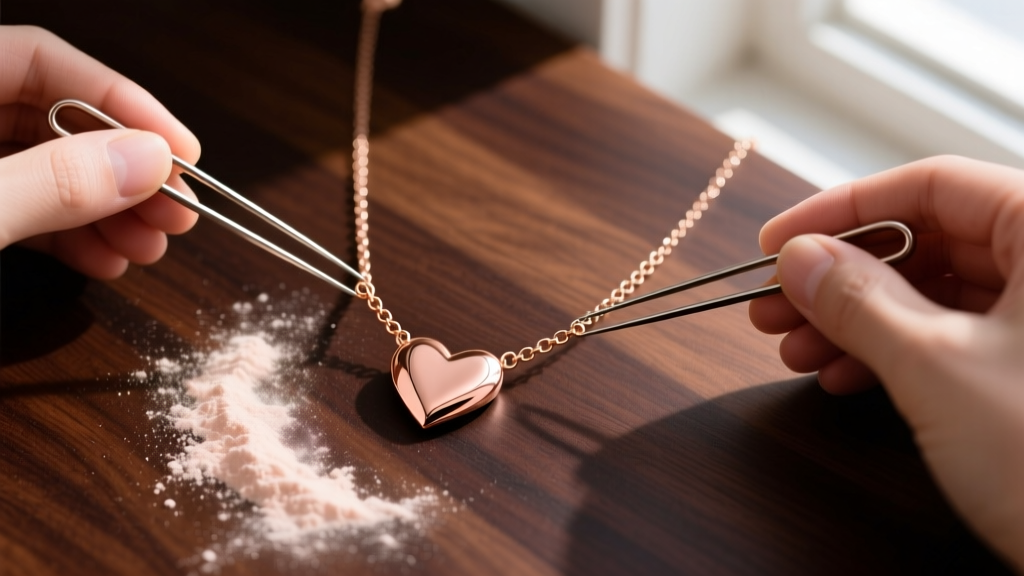
- Lay the necklace completely flat on a hard, dark surface (like a slate or dark wood tray) to provide visual contrast.
- Generously dust the knot with translucent baby powder or talcum powder. This acts as a dry lubricant, eliminating the friction between the interlocking metal links.
- Take two fine sewing pins (0.4mm gauge) and insert them into the absolute center of the knot.
- Gently wiggle the pins outward in opposite directions to loosen the core. Once the center yields, use the pins to tease the outer loops apart.
- Wipe away the powder with a soft microfiber cloth and a drop of rubbing alcohol.
To prevent future tangling, store your heart necklaces using the 'straw method': thread one end of the chain through a plastic drinking straw and clasp it. The rigid straw prevents the chain from coiling and knotting. Alternatively, store pieces individually in polyethylene zip bags. Avoid PVC jewelry boxes; polyvinyl chloride off-gasses chemicals that not only accelerate silver tarnish but can degrade the structural integrity of delicate silk cords and porous gemstones.
Gemstone and Pavé Heart Maintenance
If your heart necklace features pavé-set diamonds or delicate gemstones (like a 0.25 ctw diamond heart), the maintenance protocol changes drastically. The tiny micro-prongs holding these stones are highly susceptible to snagging on clothing, which can bend the prongs and eject the stones.
Master Jeweler Warning: Never place a pavé heart necklace in an ultrasonic cleaner. The high-frequency acoustic cavitation creates microscopic shockwaves that can easily shake loose the delicate micro-prongs or fracture tension-set stones. Furthermore, if your heart features fracture-filled diamonds or porous stones like opals or emeralds, the ultrasonic heat and chemicals will permanently cloud or destroy the gem.
For safe cleaning, use a soft baby toothbrush dipped in a solution of warm water and a single drop of mild degreasing dish soap (like Dawn). Gently brush the back of the heart pendant where dead skin cells and lotions accumulate, blocking the light from entering the pavilion of the diamonds and making them appear cloudy and dull.
Summary Checklist for Heart Necklace Care
- Bail Check: Ensure the bail inner diameter is 1.5x larger than your chain thickness to prevent the heart from getting stuck upside down.
- Chain Selection: Opt for semi-rigid chains (box, wheat, or rope) over highly flexible cable chains to maintain the pendant's orientation.
- Clasp Balance: Use a lightweight spring ring or add a counterweight bead to stop the clasp from sliding to the front of your neck.
- Chemical Avoidance: Remove sterling silver or gold-filled heart necklaces before swimming in chlorinated pools, as chlorine eats away at copper and zinc alloys, causing microscopic pitting.
- Storage Protocol: Store individually in polyethylene bags or use the straw-threading method to prevent openwork hearts from tangling with other jewelry.
By understanding the structural mechanics and metallurgical vulnerabilities of your jewelry, you can transform a frustrating piece into a flawless, everyday staple. For more in-depth guides on jewelry maintenance and chain selection, consult the educational resources provided by the Gemological Institute of America (GIA) or industry publications like JCK Online.


