Troubleshooting Your Gold Diamond Heart Necklace: Fixes & Care
Learn how to troubleshoot common issues with your gold diamond heart necklace, from tarnishing and loose stones to broken clasps and chains.

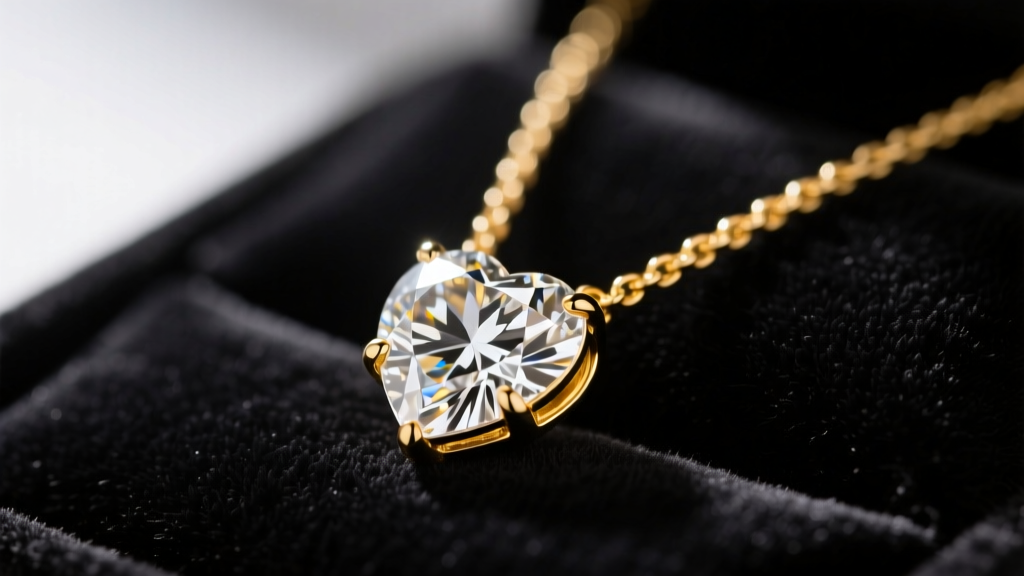
Introduction to Common Gold Diamond Heart Necklace Issues
A gold diamond heart necklace is more than just an accessory; it is often a deeply sentimental piece of fine jewelry gifted to mark milestones, anniversaries, or declarations of love. However, because these necklaces are worn close to the skin and subjected to daily friction, environmental pollutants, and cosmetic chemicals, they are highly susceptible to specific types of wear and tear. Whether you own a delicate 10k gold piece or a heavy 18k solid gold pendant, understanding the metallurgy and structural vulnerabilities of your jewelry is the first step in preserving it.
In this comprehensive troubleshooting guide, we will diagnose the three most frequent problems plaguing gold diamond heart necklaces: mysterious discoloration, loose pave or prong-set diamonds, and mechanical clasp failures. By applying professional gemological standards and jeweler-grade diagnostic techniques, you can determine whether your necklace requires a simple at-home cleaning, a chemical dip, or an immediate trip to the bench jeweler for laser welding and stone tightening.
Issue 1: Discoloration and "Tarnishing" of the Gold
One of the most alarming issues a jewelry owner can face is watching their brilliant gold diamond heart necklace turn dull, dark, or even slightly green. Pure 24k gold is entirely non-reactive and will never tarnish. However, the Federal Trade Commission Jewelry Guides dictate that jewelry sold in the US must be alloyed with other metals to achieve the durability required for daily wear. It is these alloy metals—not the gold itself—that cause discoloration.
White Gold Turning Yellow?
If your white gold heart pendant is beginning to show a yellowish tint, the gold itself is not tarnishing. White gold is naturally a pale, grayish-yellow alloy. To achieve a bright, mirror-like white finish, manufacturers electroplate the piece with rhodium, a precious metal in the platinum family. This rhodium layer is typically only 0.75 to 1.0 microns thick. Over time, friction from clothing and the acidic pH of your skin wear this plating away, revealing the natural yellowish alloy beneath. The solution is not a deep cleaning, but rather a professional rhodium re-plating, which typically costs between $40 and $80 at a local bench jeweler.
Rose or Yellow Gold Darkening
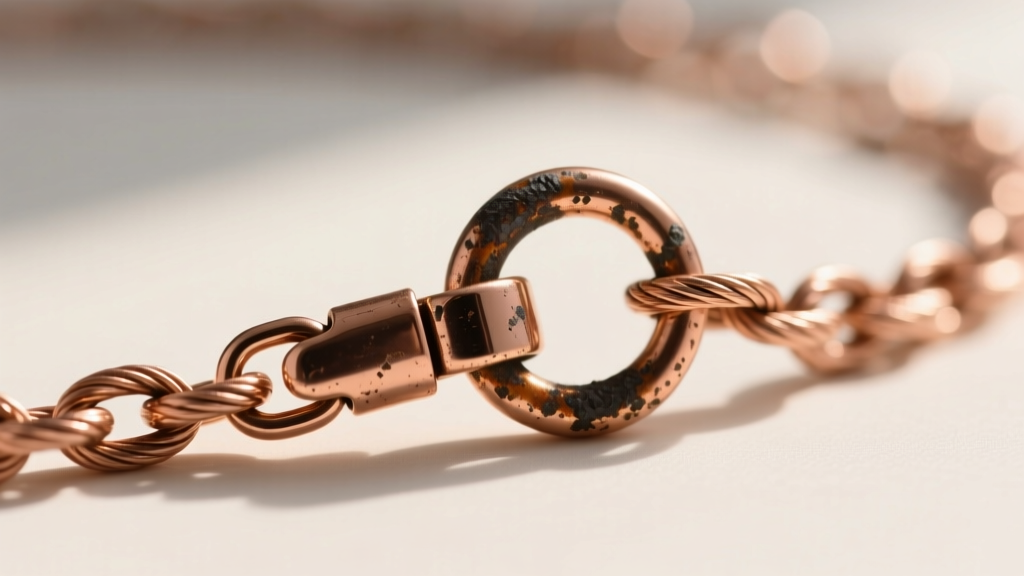
Yellow and rose gold derive their colors from copper and silver alloys. Copper is highly reactive to sulfur, chlorine, and oxygen. If your 14k rose gold necklace develops a dark, almost brownish film, it is likely copper oxidation exacerbated by exposure to lotions, perfumes, or household cleaning agents. Unlike silver sulfide (tarnish), gold alloy oxidation can often be removed at home using a mild, phosphate-free dish soap, warm water, and a baby-soft toothbrush. Avoid ultrasonic cleaners if your heart pendant features fracture-filled diamonds, as the high-frequency vibrations and heat can shatter the treated stones.
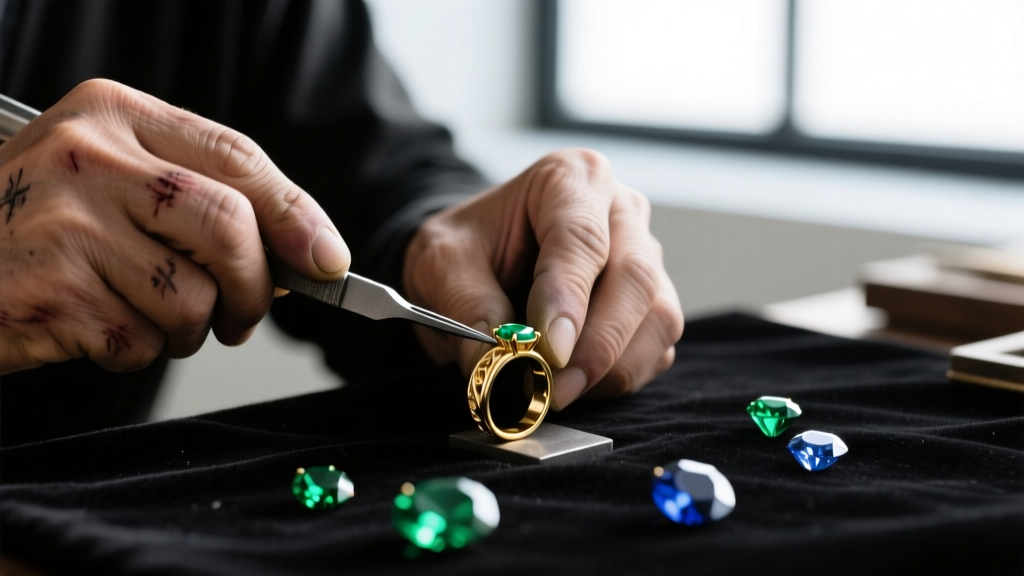
Issue 2: Loose Diamonds in the Heart Pendant
Heart-shaped pendants frequently utilize intricate pave settings or delicate shared-prong designs to maximize the diamond carat weight while maintaining the romantic silhouette. Because diamonds rank a 10 on the Mohs scale of hardness and gold is relatively malleable (ranking around 2.5 to 3), the constant micro-friction between the diamond's sharp girdle and the gold setting can cause the metal to wear thin over time. According to the Gemological Institute of America (GIA), regular inspection of diamond settings is critical to prevent catastrophic stone loss.
The Loupe and Tap Test
To troubleshoot a suspected loose diamond in your gold diamond heart necklace, you need a 10x triplet jeweler's loupe. Hold the loupe directly to your eye and bring the pendant into focus under bright, direct light. Look closely at the tiny metal beads or prongs holding the diamonds. If you see a gap between the metal and the diamond's crown, or if the metal appears flattened rather than rounded, the stone is loose.
Next, perform the "tap test." Hold the pendant by its bail and gently tap the side of the setting with a wooden toothpick or your fingernail. If you hear a faint buzzing, clicking, or rattling sound, the diamond is moving within its seat. Stop wearing the necklace immediately. Continuing to wear it will cause the diamond to act like a saw blade, cutting completely through the remaining gold prongs and resulting in a lost stone. A jeweler can perform a prong retipping or bead tightening procedure for roughly $25 to $50 per stone, a fraction of the cost of replacing a lost diamond.
Issue 3: Chain Breakage and Clasp Malfunctions
The chain and clasp of a gold diamond heart necklace endure immense mechanical stress. The most common point of failure is the jump ring—the small circular wire that connects the lobster clasp to the chain. If the jump ring is not laser-soldered shut, it can easily pull apart when the necklace catches on a sweater or hair. Furthermore, the internal spring mechanism of a lobster clasp can fail due to the accumulation of skin oils, lint, and cosmetic debris, causing the lever to stick or fail to snap shut securely.
If your chain has snapped, examine the break. If a single link of a delicate cable or box chain has pulled apart, a jeweler can easily reconnect it. However, if the gold link has actually fractured or sheared, traditional torch soldering may leave a visible, discolored seam. Modern bench jewelers use laser welding, which fuses the gold at a microscopic level without heating the surrounding links or risking thermal shock to any nearby diamonds. Expect to pay between $35 and $65 for a professional laser weld on a fine gold chain.
Troubleshooting Matrix: DIY vs. Professional Repair
Use the following diagnostic table to quickly identify your necklace's issue and determine the appropriate course of action. Attempting DIY repairs on structural components or loose stones often results in irreversible damage to fine jewelry.
| Symptom | Root Cause | DIY Solution | Professional Repair & Cost |
|---|---|---|---|
| White gold turning yellow | Rhodium plating wearing off | None (Polishing will worsen it) | Rhodium Re-plating ($40 - $80) |
| Yellow/Rose gold darkening | Copper alloy oxidation | Mild soap, warm water, soft brush | Professional Steam Clean ($15 - $25) |
| Rattling sound in pendant | Worn pave beads or prongs | Stop wearing immediately | Prong Retipping / Tightening ($25 - $50) |
| Clasp lever sticks or won't close | Debris in clasp spring mechanism | Soak in isopropyl alcohol, brush gently | Clasp Replacement ($30 - $60) |
| Chain snapped at the link | Metal fatigue or physical snagging | None (Do not use superglue) | Laser Welding / Soldering ($35 - $65) |
Preventative Maintenance Protocol
The Jewelers of America recommends a strict preventative maintenance schedule for fine diamond jewelry to avoid the troubleshooting scenarios outlined above. To protect your gold diamond heart necklace, adopt the "Last On, First Off" rule: your necklace should be the last item you put on after applying cosmetics, perfumes, and hairsprays, and the first item you take off before showering, swimming, or sleeping.
Expert Tip: Never store your gold diamond heart necklace loosely in a drawer or a communal jewelry box. Diamonds are hard enough to easily scratch the polished surface of the gold pendant and the chain links. Always store the necklace individually in a soft, anti-tarnish flannel pouch or a dedicated fabric-lined compartment to prevent micro-abrasions and chain tangling.
Finally, schedule an annual inspection with a credentialed bench jeweler. They will use specialized magnification to check the structural integrity of the heart pendant's bail (the loop that connects the pendant to the chain), test the tension of the clasp spring, and ensure every diamond is securely seated. By treating your necklace with technical precision and respect for its material properties, you ensure that this symbolic piece of jewelry remains flawless for generations to come.


