Help, My Gold Necklace Is Turning Bronze! Causes & Fixes
Discover why your gold necklace is turning bronze. Learn the science behind gold alloy tarnish, plating wear, and expert steps to clean and restore it.
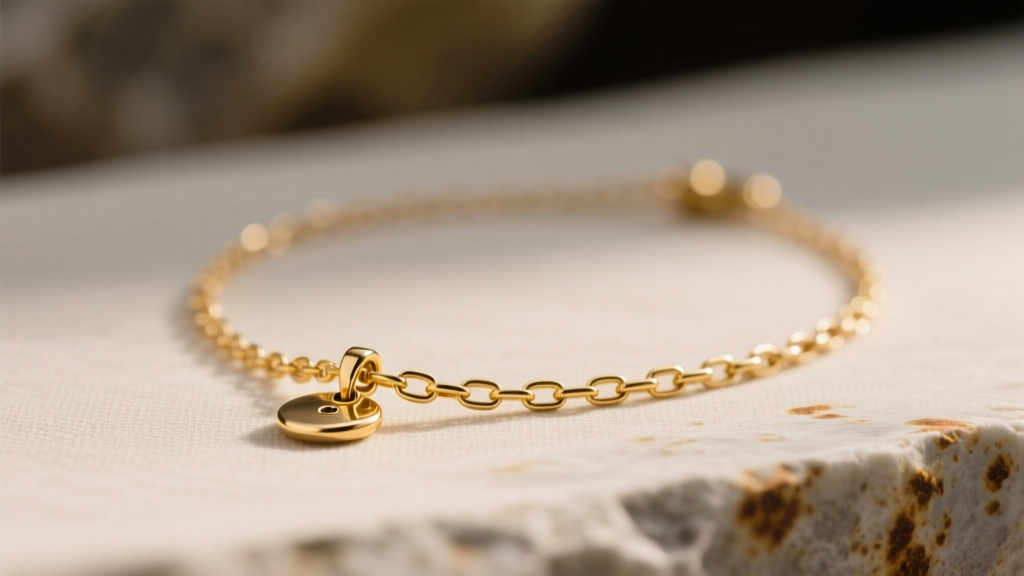
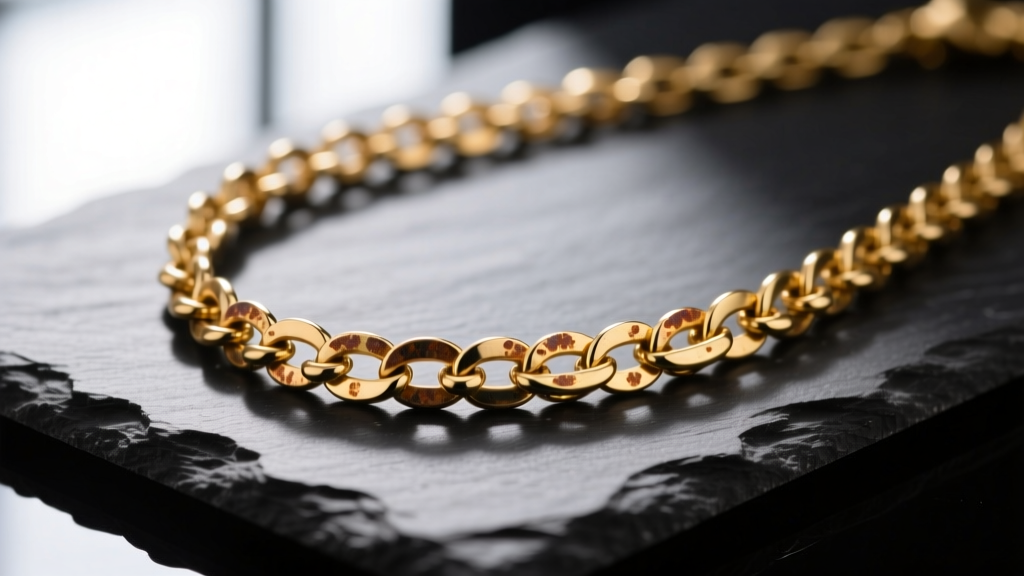
If you have recently looked in the mirror and panicked, thinking my gold necklace is turning bronze, take a deep breath. This distressing color shift is a remarkably common issue, but it does not necessarily mean your jewelry is ruined or fake. Pure gold is a noble metal, meaning it does not react with oxygen or moisture. Therefore, if your necklace is shifting from a bright yellow hue to a dull, coppery bronze, you are witnessing a chemical reaction involving the alloy metals mixed with the gold, or the base metal beneath a gold plating.
In this comprehensive troubleshooting guide, we will break down the exact metallurgical reasons behind this discoloration, identify what your necklace is actually made of, and provide professional, step-by-step restoration methods to bring back its original luster.
The Science: Why Gold Changes Color
To understand why your jewelry is changing color, you must first understand how gold jewelry is manufactured. According to the Gemological Institute of America (GIA), pure 24-karat gold is too soft for everyday wear. To create durable chains and pendants, jewelers alloy pure gold with harder metals like copper, silver, zinc, and nickel.
Pure Gold vs. Gold Alloys
The karat system dictates the ratio of pure gold to alloy metals. An 18K gold necklace is 75% pure gold and 25% alloy. A 14K piece is 58.3% pure gold, and 10K is only 41.7% pure gold. The remaining percentage is often heavily weighted with copper to achieve warm yellow or rose gold tones. When these copper-heavy alloys are exposed to environmental triggers, the copper oxidizes, creating a bronze or brown patina on the surface of the chain.
The Plating Breakdown
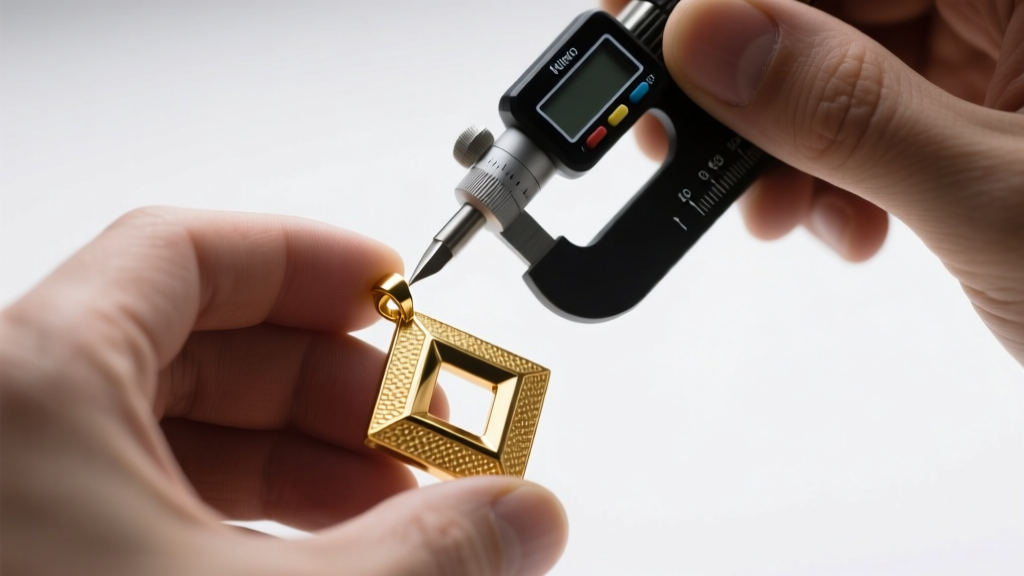
If your necklace is not solid gold, it is likely plated. The Federal Trade Commission (FTC) Jewelry Guides strictly regulate how these items are labeled. If the gold layer is exceptionally thin (flash plating at less than 0.5 microns), everyday friction will quickly wear it away, exposing the brass or copper base metal underneath. Once the base metal is exposed to air and skin oils, it rapidly oxidizes into a bronze color.
Troubleshooting: Identifying Your Necklace's True Metal
Before attempting to clean the piece, you must identify its core composition. Look closely at the clasp or the back of the pendant for a hallmark stamp. Use a jeweler's loupe or your smartphone's macro camera to read the tiny engravings.
| Hallmark Stamp | Core Material | Gold Layer Thickness | Bronze Tarnish Risk |
|---|---|---|---|
| 10K, 14K, 18K | Solid Gold Alloy | N/A (Solid throughout) | Low to Medium (High copper alloys tarnish faster) |
| 925 + Vermeil | Sterling Silver | Minimum 2.5 microns | Medium (Silver sulfide tarnish if gold wears thin) |
| 1/20 14K GF | Brass / Copper | 5% of total metal weight | Low (Very thick, durable gold layer) |
| GP, GEP, HGE | Brass / Copper / Nickel | Less than 0.5 microns | Extremely High (Wears off quickly, exposing base) |
The Culprits: What Triggers the Bronze Hue?
Once you know your metal type, you must eliminate the environmental triggers causing the oxidation. The bronze shift is rarely random; it is usually the result of specific chemical exposures.
- Cosmetics & Skincare: Liquid foundations, sunscreens, and body lotions frequently contain zinc oxide and titanium dioxide. These compounds are physically harder than gold alloys and act like micro-sandpaper, stripping away plating and accelerating alloy oxidation.
- Perspiration & Uric Acid: Human sweat contains sodium chloride (salt) and uric acid. When trapped against the skin beneath a heavy pendant or thick chain, this acidic environment rapidly corrodes the copper in 10K and 14K alloys, leaving a bronze residue on both the metal and your collarbone.
- Chlorine & Hot Tubs: Chlorine is the ultimate enemy of gold alloys. It causes a metallurgical failure known as stress corrosion cracking. It permanently damages the crystalline structure of the alloy, leading to severe, irreversible bronze discoloration and brittle links.
- Sulfur in the Air: If your gold vermeil necklace (sterling silver core) is turning dark bronze or black, the gold plating has become porous, allowing sulfur in the atmosphere to react with the silver core, creating silver sulfide.
Step-by-Step Restoration: How to Fix the Bronze Tint
Depending on the root cause, you can often reverse the damage at home. Follow these specific protocols based on your jewelry type.
Method 1: The Mild Soap Bath (For Solid Gold & Gold Filled)
If your solid 14K or 18K chain has accumulated a bronze tint from surface oils and cosmetic buildup, a gentle degreasing is required.
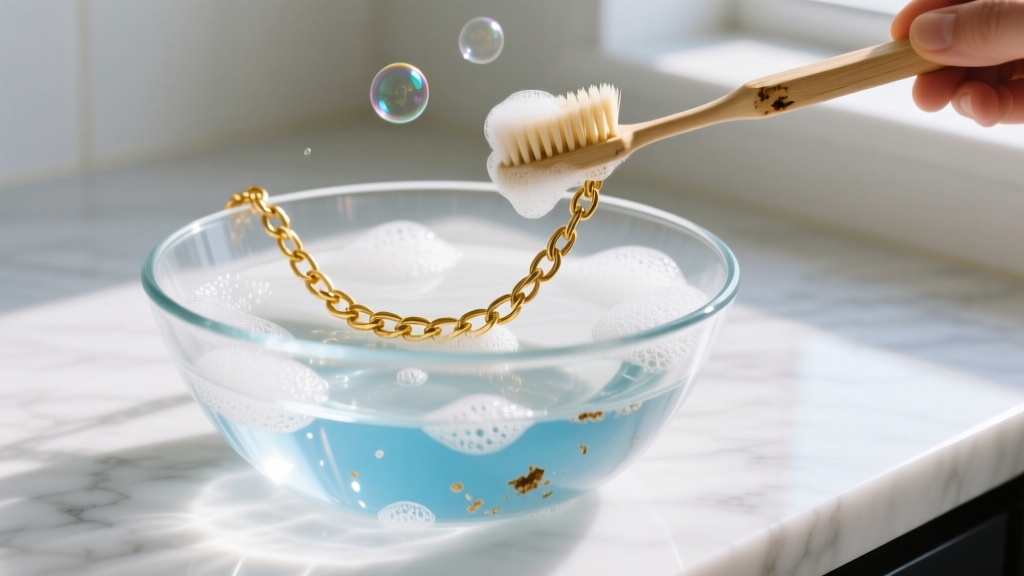
- Fill a small glass bowl with distilled water (tap water contains chlorine and minerals that can worsen tarnish).
- Add three drops of pH-neutral liquid dish soap (avoid harsh detergents with added moisturizers or citrus degreasers).
- Let the necklace soak for exactly 15 minutes.
- Gently agitate the links using a baby toothbrush (the bristles are soft enough not to scratch the gold).
- Rinse with fresh distilled water and pat dry with a lint-free microfiber cloth.
Method 2: The Electrochemical Bath (For Gold Vermeil / Silver Cores)
If your vermeil necklace is showing bronze/black hues due to silver sulfide tarnish bleeding through microscopic pores in the gold plating, you must reverse the chemical reaction without scrubbing away the delicate gold layer.
- Line a glass dish with aluminum foil, shiny side up.
- Place the necklace on the foil, ensuring the metal touches the aluminum.
- Sprinkle one tablespoon of baking soda over the jewelry.
- Pour boiling water into the dish. You will see bubbles and smell a faint sulfur odor (like rotten eggs) as the aluminum pulls the sulfur away from the silver core.
- Remove after 3 minutes, rinse thoroughly, and dry.
Method 3: Professional Re-Plating (For Worn Gold Plating)
If your necklace is stamped GP or HGE and the base brass/copper metal is fully exposed, no amount of cleaning will turn it yellow again. The gold is simply gone. You must take it to a professional jeweler for electroplating. Expect to pay between $45 and $95 to have a standard 18-inch chain stripped, polished, and re-plated with a fresh 2.5-micron layer of 14K or 18K gold.
Preventative Maintenance for Gold Jewelry
Once you have restored your necklace, implement these strict storage and wearing habits to ensure the bronze tint never returns.
Expert Rule of Thumb: Always practice the 'Last On, First Off' rule. Your gold necklace should be the very last item you put on after applying perfumes, hairsprays, and lotions, and the very first item you take off when you return home. Never sleep in your chains, as the friction against cotton sheets accelerates plating wear.
For long-term storage, abandon the velvet-lined jewelry boxes that trap ambient moisture. Instead, store your necklaces individually in anti-tarnish polyethylene zip bags equipped with 3M anti-tarnish strips. These strips absorb airborne sulfur and hydrogen sulfide, effectively neutralizing the environment and keeping your gold alloys and plating bright, yellow, and entirely bronze-free for years to come.


