Why Your Gold Toggle Chain Necklace Keeps Unfastening (And Fixes)
Is your gold toggle chain necklace constantly unfastening? Discover expert troubleshooting tips, clasp ratio fixes, and repair solutions to keep it secure.

The Physics of the Toggle Clasp: Why It Fails
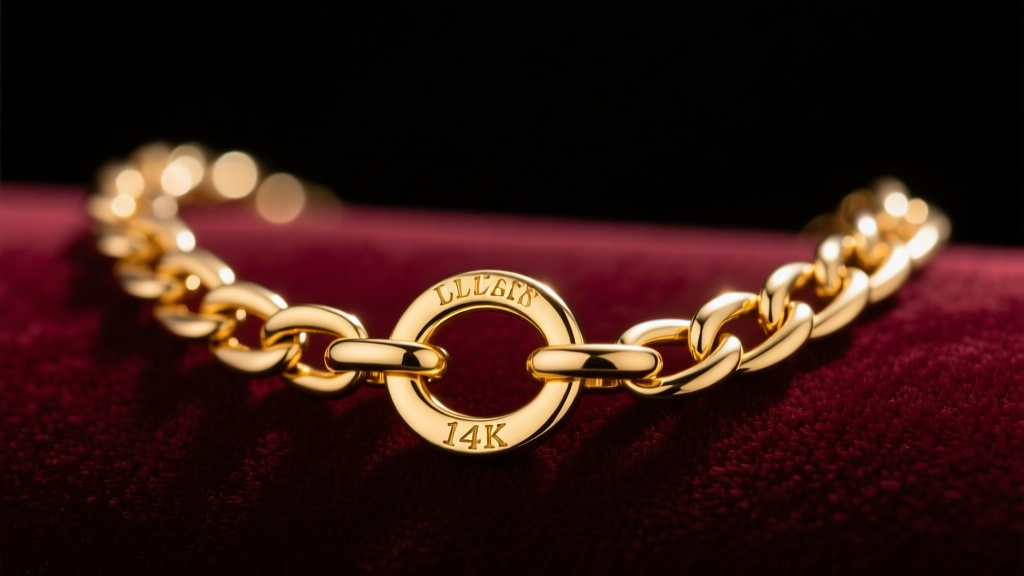
There are few things more frustrating in fine jewelry than investing in a beautiful piece, only to constantly worry about losing it. The gold toggle chain necklace is a timeless staple, celebrated for its elegant, utilitarian aesthetic and ease of use. However, the toggle clasp—which relies entirely on gravity, tension, and geometric ratios rather than a mechanical latch—is uniquely prone to failure if its specific engineering requirements are not met. When your necklace keeps slipping open, it is rarely a matter of bad luck; it is almost always a physics problem.
At its core, a toggle clasp consists of two components: a T-bar and an O-ring (or circular loop). The mechanism works by inserting the T-bar vertically through the O-ring and allowing it to rest horizontally across the opening. For this to remain secure, the tension of the chain must pull the T-bar flat against the ring. When this equilibrium is disrupted by incorrect sizing, improper weight distribution, or metal fatigue, the clasp fails. Below, we break down the exact reasons your necklace is unfastening and provide professional troubleshooting steps to fix it.
Troubleshooting Guide: Why Your Gold Toggle Chain Necklace Keeps Opening
Before taking your necklace to a bench jeweler, you need to diagnose the exact point of failure. Here are the three most common culprits behind a faulty toggle clasp.
1. The T-Bar to O-Ring Ratio is Compromised
The golden rule of toggle clasp engineering is the 1.5x ratio. The length of the T-bar must be at least 1.5 times the inner diameter of the O-ring. If a manufacturer cuts corners and uses a 12mm T-bar with a 10mm inner-diameter O-ring, the clasp will inevitably slip through when the necklace shifts against your collarbone. Furthermore, if the O-ring has been stretched into an oval shape over time, the effective inner diameter increases along the vertical axis, allowing the T-bar to pivot and escape.
2. Chain Weight and the Fulcrum Effect
A heavy chain can actually sabotage a toggle clasp. If you have a thick, heavy gold chain (such as a 5mm Cuban link or a dense Figaro chain), the weight of the metal resting on the back of your neck acts as a fulcrum. This downward pull can cause the front O-ring to tilt vertically. Once the O-ring is vertical, the T-bar can easily slide out. Toggle clasps perform best on lightweight to medium-weight chains, such as a 2.5mm box chain or a delicate rope chain, where the drape of the metal keeps the O-ring pulled horizontally flat against the chest.
3. Unsoldered Jump Rings and Metal Fatigue
The jump rings that connect the T-bar and O-ring to the main chain are critical stress points. If these jump rings are unsoldered (meaning there is a visible seam where the wire ends meet), the lateral tension of putting the necklace on and taking it off will slowly pry them open. According to manufacturing standards outlined by Rio Grande, all structural jump rings on fine jewelry findings should be laser-welded or soldered shut to prevent catastrophic separation.
Material Science: 14k vs. 18k Gold at the Clasp
The karat weight of your gold plays a massive, often overlooked role in clasp longevity. Pure 24k gold is far too soft for jewelry, so it is alloyed with metals like copper, silver, and zinc. The higher the gold content, the softer the final alloy. While an 18k gold necklace offers a richer, deeper yellow hue, it is significantly more malleable than 14k gold.
Because the O-ring of a toggle clasp bears the brunt of the friction and pulling force, an 18k gold O-ring is highly susceptible to stretching out of its perfect circular shape. Once it becomes slightly oval, the clasp will fail. For heavy toggle chain necklaces, 14k gold is the superior choice due to its higher tensile strength and resistance to deformation. The Gemological Institute of America (GIA) notes that the specific alloy mix in 14k gold provides the ideal balance of luxury and structural durability for mechanical jewelry findings.
| Gold Karat | Purity | Hardness & Tensile Strength | Suitability for Toggle Clasps |
|---|---|---|---|
| 10k Gold | 41.7% | Very High | Excellent for heavy, thick chains; highly resistant to O-ring stretching. |
| 14k Gold | 58.3% | High | The industry standard. Offers the best balance of rich color and structural integrity. |
| 18k Gold | 75.0% | Moderate | Prone to stretching on heavy chains. Best reserved for delicate, lightweight toggle necklaces. |
| 22k Gold | 91.6% | Low | Not recommended for toggle clasps; the O-ring will deform rapidly under tension. |
Step-by-Step Fixes for a Faulty Toggle
If your gold toggle chain necklace keeps unfastening, you do not necessarily need to replace the entire piece. Depending on the root cause, a bench jeweler (or a careful DIY enthusiast with the right tools) can implement the following solutions:
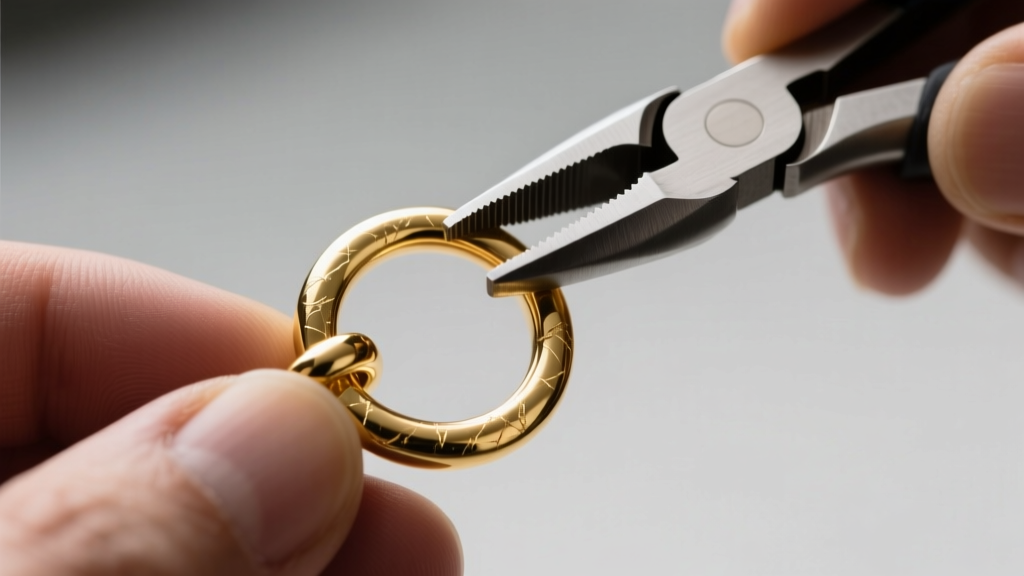
- Reshape the O-Ring: If the O-ring has become oval, use nylon-jaw pliers to gently squeeze it back into a perfect circle. Never use standard steel pliers directly on the gold, as they will mar the finish and leave deep scratches.
- Solder the Jump Rings: Inspect the jump rings connecting the clasp to the chain. If you see a seam, take the piece to a jeweler to have them laser-welded shut. This costs between $25 and $45 and prevents the chain from snapping.
- Install a Safety Chain: For ultimate peace of mind, have a jeweler attach a delicate 0.8mm cable safety chain across the clasp. If the toggle slips, the safety chain will catch the necklace before it falls to the floor.
- Upgrade the T-Bar: If the T-bar is simply too short for the O-ring, a jeweler can snip it off and solder on a longer, heavier T-bar to restore the proper 1.5x geometric ratio.
Preventative Maintenance and Proper Storage
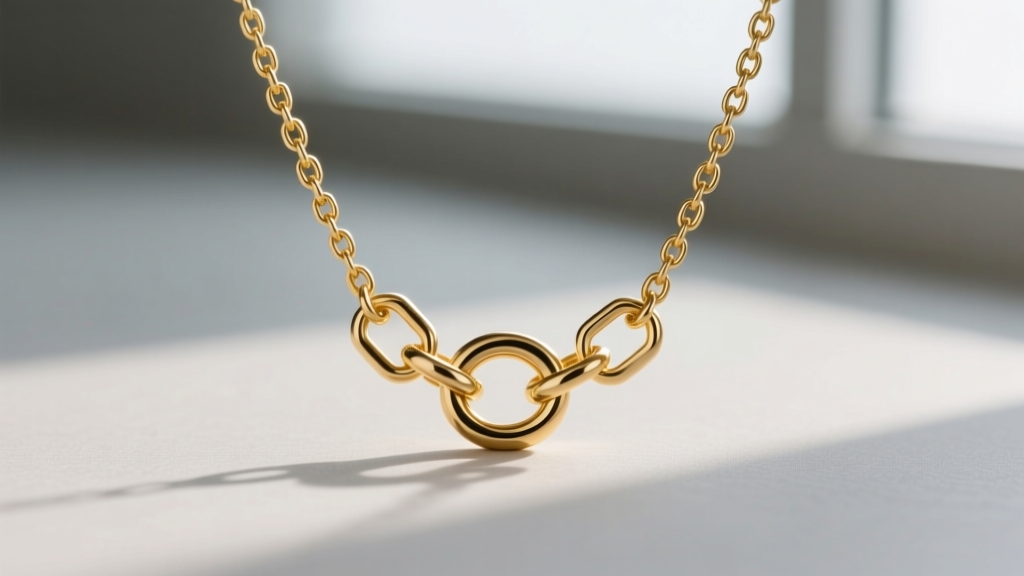
How you handle and store your necklace directly impacts the lifespan of the toggle clasp. Never pull the T-bar through the O-ring by yanking the chain; instead, hold the O-ring steady with one hand and guide the T-bar through with the other to minimize lateral stress on the jump rings.
Expert Bench Tip: Always store your toggle chain necklaces laid flat in a jewelry box or hung on a wide, padded necklace bust. Tossing them into a drawer allows the heavy T-bar to tangle with the chain, which can bend the O-ring out of shape and weaken the solder points over time.
By understanding the mechanics of the clasp, choosing the right gold karat for your specific chain weight, and performing routine inspections of the jump rings, you can ensure your gold toggle chain necklace remains both secure and stunning for decades to come.


