Origami Owl Heart Necklace: A Beginner's Style & Care Guide
Discover how to style, clean, and layer your Origami Owl heart necklace. A beginner's guide to materials, chain lengths, and plated jewelry care.

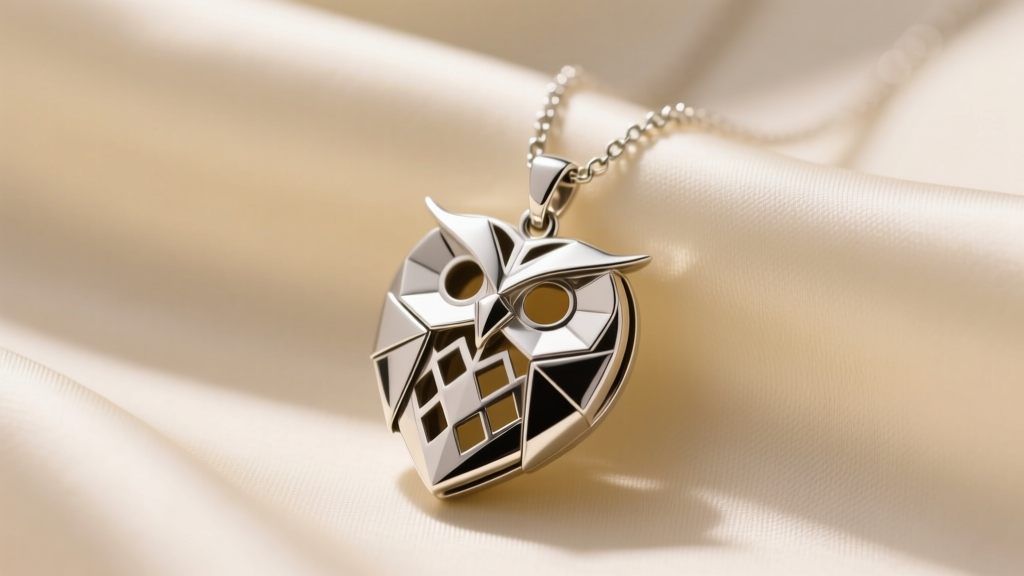
The Anatomy of the Origami Owl Heart Necklace
When you first unbox an origami owl heart necklace, you are looking at more than just a sentimental accessory; you are holding a piece of precision-stamped fashion jewelry. Whether you own an official piece from the Origami Owl brand's customizable locket collection or an artisan-crafted geometric owl pendant, the appeal lies in the intersection of sharp, angular origami aesthetics and the soft, universally flattering heart silhouette. The owl motif itself carries deep symbolic weight, representing wisdom, protection, and intuition, making these necklaces popular choices for milestone gifts and personal talismans.
For beginners stepping into the world of symbolic pendants, understanding how to wear, layer, and maintain this specific style is crucial. Unlike solid gold or platinum fine jewelry, most origami-style heart necklaces rely on advanced electroplating and enamel work. This guide will break down the material science, styling frameworks, and exact care protocols you need to keep your pendant looking pristine in 2026 and beyond.
Material Science: Base Metals, Plating, and Enamel
To care for your necklace, you must first understand what it is actually made of. The vast majority of geometric and branded fashion pendants are not cast from solid precious metals. Instead, they utilize a base metal that is subsequently plated.
- The Base Metal: Most origami owl heart pendants are cast from brass (an alloy of copper and zinc) or a zinc-aluminum alloy. These metals are chosen because they have low melting points and flow easily into intricate, sharp-angled origami molds, capturing the crisp folds of the design.
- The Plating: The silver or gold finish is achieved through electroplating. According to the Federal Trade Commission (FTC) Jewelry Guides, the industry standard for durable fashion jewelry plating is between 0.5 and 1.0 microns of gold or rhodium. 'Flash plating' (under 0.1 microns) is cheaper but will wear off within months of daily use.
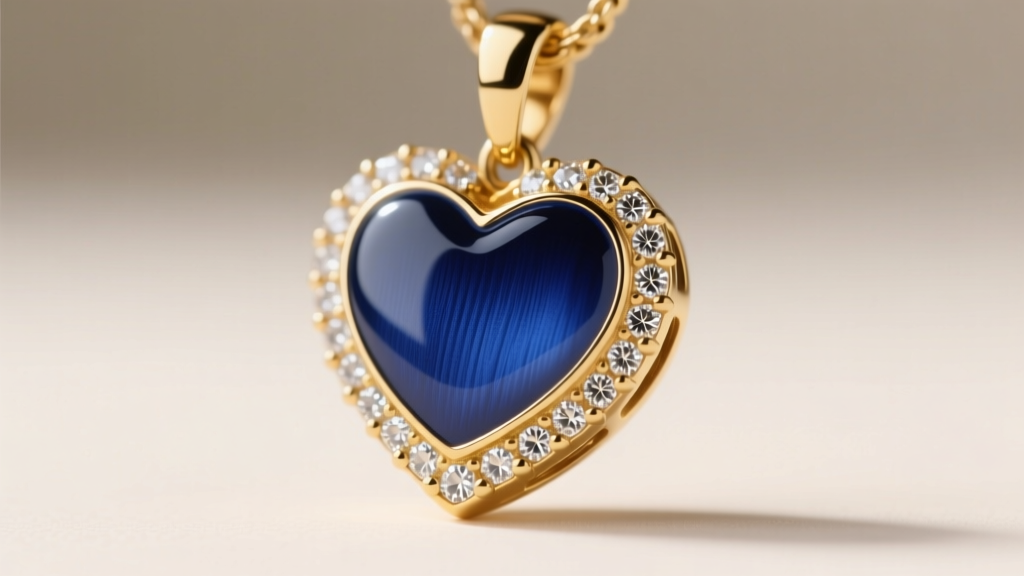
- Enamel and Accents: Many heart lockets feature cold enamel (an epoxy resin) or vitreous enamel (fired glass) to add pops of color. The owl's eyes or wings might be accented with Cubic Zirconia (CZ), which ranks at 8-8.5 on the Mohs hardness scale, making it highly scratch-resistant compared to the softer enamel (Mohs 5-6).
Why Your Pendant Might Tarnish
Tarnishing is not a sign of poor quality; it is a chemical inevitability. When the microscopic top layer of plating wears thin, the copper in the brass base reacts with sulfur and moisture in the air (and your sweat), creating copper chloride or copper sulfate. This results in the dark, dull patina or the dreaded 'green skin' effect on your chest. Understanding this reaction is the first step in preventing it.
Chain Lengths and Neckline Pairings
An origami owl heart necklace is highly versatile, but its impact depends entirely on the chain length and the neckline of your outfit. Heart pendants typically range from 10mm to 25mm in width. A chunky, enameled heart requires a heavier chain (like a 2mm rope or box chain), while a delicate, filigree origami cutout demands a fine cable or paperclip chain.
| Chain Length | Style Name | Best Necklines | Visual Effect & Layering Tip |
|---|---|---|---|
| 16 Inches | Choker / Collar | V-neck, Scoop, Off-shoulder | Sits tightly at the base of the throat. Best for small, minimalist owl hearts. Layer with a 20-inch chain for contrast. |
| 18 Inches | Princess | Crew neck, Button-down, Square | The universal standard. Rests perfectly on the collarbone. Ideal for medium-sized origami lockets. |
| 20 - 22 Inches | Matinee | Turtleneck, High-neck, Blazer | Falls below the collarbone. Perfect for wearing over thicker fabrics in autumn and winter. |
| 24+ Inches | Opera / Lariat | Deep V, Evening wear, Bohemian | Creates a long, slimming vertical line. Use for heavy, oversized geometric heart statement pieces. |
Pro Styling Tip for 2026: The current trend favors 'mixed metal layering.' Try pairing a silver-plated origami owl heart on an 18-inch box chain with a simple, unadorned gold paperclip chain at 20 inches. The contrast in both metal color and chain texture elevates the pendant from casual to high-fashion.
Step-by-Step Cleaning Protocol (No Fluff)
The biggest mistake beginners make is treating plated fashion jewelry like solid fine jewelry. Never put an origami owl heart necklace in an ultrasonic cleaner. The high-frequency cavitation bubbles will strip the 0.5-micron plating right off the brass base, leaving you with a dull, yellowish-grey pendant. Furthermore, avoid commercial silver polishes, as they contain micro-abrasives that scratch the rhodium or gold finish.
Instead, follow this gentle, industry-recommended cleaning method:
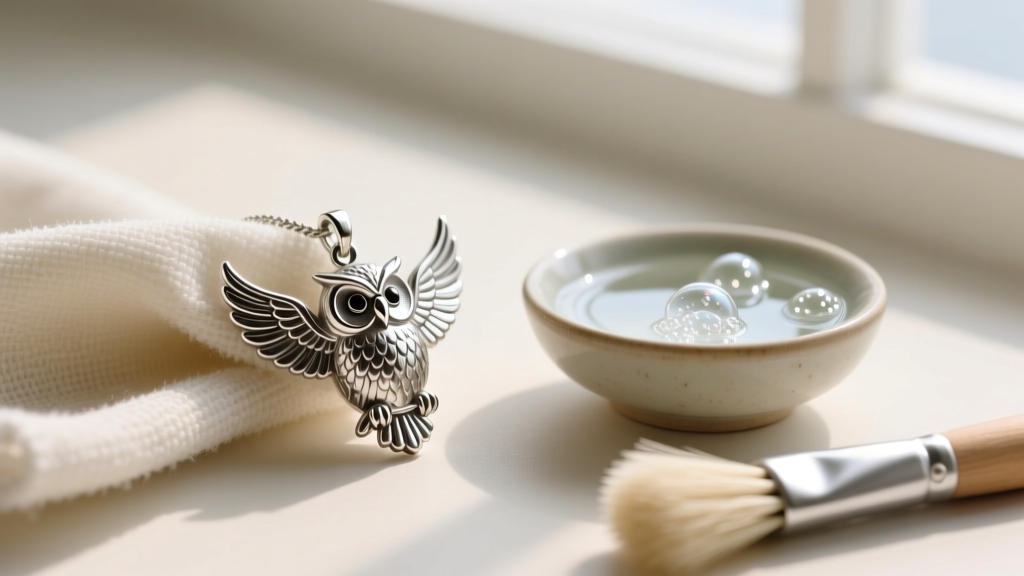
- Prepare the Solution: Mix two drops of mild, phosphate-free dish soap (like Dawn) into a bowl of lukewarm distilled water. Avoid tap water, as the chlorine and heavy minerals can accelerate tarnishing.
- The Soak: Submerge the necklace for exactly 3 to 5 minutes. Do not leave it soaking for hours, as prolonged water exposure can seep into the jump rings and loosen enamel settings.
- Agitate Gently: Use a baby-soft toothbrush or a dedicated makeup brush to gently sweep away oils from the intricate origami folds and behind the CZ stones.
- Rinse and Dry: Rinse under a gentle stream of distilled water. Immediately pat dry with a lint-free microfiber cloth. Do not air dry, as water spots will form on the polished metal.
Troubleshooting Common Hardware Failures
Even with meticulous care, the physical hardware of a necklace can fail. Here is how to troubleshoot the three most common issues with geometric heart pendants:
1. The Lobster Clasp Won't Snap Shut
Lobster clasps rely on a tiny internal steel spring. If the clasp feels sluggish or fails to close, it is usually clogged with skin oils, lotion, or dust. Take a toothpick and gently scrape the inside crevice of the clasp. If the spring itself is broken (the lever feels entirely loose), you must replace the clasp. A jeweler can solder a new 10mm sterling silver lobster clasp onto the chain in under five minutes for a minimal fee.
2. The Jump Ring Keeps Sliding Open
The jump ring is the small circular wire that connects your heart pendant to the chain. If it slides open, you risk losing your pendant. This happens when the chain is too thick for the jump ring's inner diameter, causing friction to twist it open. To fix this, use two pairs of flat-nose jewelry pliers to twist the jump ring closed (always twist side-to-side, never pull it apart like an 'O', which warps the circle). For a permanent fix, have a jeweler solder the jump ring shut.
3. Enamel Chipping on the Owl Motif
If your pendant features vitreous enamel, dropping it on a hard surface like tile or granite will shatter the glass inlay. While you cannot melt new glass into the crevice at home, you can carefully fill the chip with a tiny drop of clear, UV-curing jewelry resin. Apply it with a fine needle, cure it under a UV lamp for 60 seconds, and buff it flush with a polishing cloth.
Final Verdict for Beginners
An origami owl heart necklace is a brilliant entry point into symbolic, layered jewelry. By understanding the limitations of electroplated brass, respecting the Mohs hardness of its enamel accents, and adhering to a strict, non-abrasive cleaning routine, you can easily extend the lifespan of your piece from a single season to several years. Treat the hardware with care, layer it intentionally with complementary chain textures, and your geometric talisman will remain a staple in your wardrobe for years to come.


