Troubleshooting Your Kate Spade Crystal Ball Necklace Issues
Troubleshoot common Kate Spade crystal ball necklace issues. Learn how to fix loose stones, clean cloudy crystals, and prevent chain tangling.

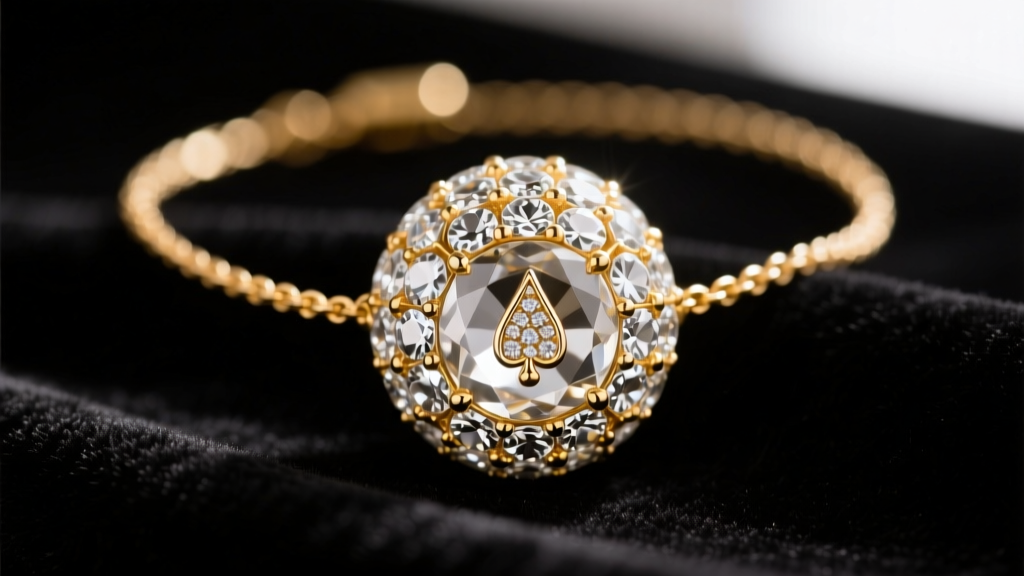
The Anatomy of the Kate Spade Crystal Ball Necklace
The Kate Spade crystal ball necklace has remained a staple in accessible luxury fashion jewelry for years. Recognized for its signature pavé-encrusted sphere, delicate cable chain, and the iconic spade charm, this piece is designed for everyday elegance. However, as fashion jewelry, it is constructed from brass base metals with flash plating and glass or lead-crystal beads set with jewelry adhesives rather than traditional metal prongs. As of 2026, understanding the specific material composition of your necklace is the first step in effective troubleshooting. When exposed to daily wear, environmental humidity, and cosmetic chemicals, these specific materials are prone to distinct failure modes. Below, we break down the most common issues and provide expert-level solutions to restore your pendant to its original brilliance.
Issue 1: Cloudy or Dull Crystals
The most frequent complaint regarding the crystal ball pendant is a loss of sparkle, resulting in a cloudy or milky appearance. This is rarely a defect in the crystal itself; rather, it is a buildup of microscopic debris or degradation of the stone's reflective backing.
The Science of Cloudiness
Many fashion jewelry crystals rely on a delicate foil backing or a specialized surface coating to enhance their refractive index. When exposed to ammonia-based cleaners, Windex, or even the alcohol in perfumes, this backing can oxidize or dissolve, trapping a cloudy residue between the glass and the metal setting. Furthermore, daily application of lotions and sebum from the skin creates a hydrophobic film over the faceted surfaces, drastically reducing light return.
The Safe Cleaning Protocol
According to the Gemological Institute of America (GIA), porous and backed stones require gentle, non-chemical cleaning. Never use ultrasonic cleaners on your Kate Spade crystal ball necklace; the high-frequency vibrations will shatter the adhesive bonds holding the pavé stones in place.
- Step 1: Mix lukewarm water with a single drop of mild, lotion-free dish soap (such as original Dawn).
- Step 2: Submerge the crystal sphere for exactly 3 minutes to loosen oils.
- Step 3: Use an extra-soft baby toothbrush to gently sweep the crevices around the spade charm and the pavé settings.
- Step 4: Rinse under a gentle stream of distilled water (tap water minerals can leave hard water spots) and pat dry with a lint-free microfiber cloth.
Issue 2: Missing Pavé Crystals
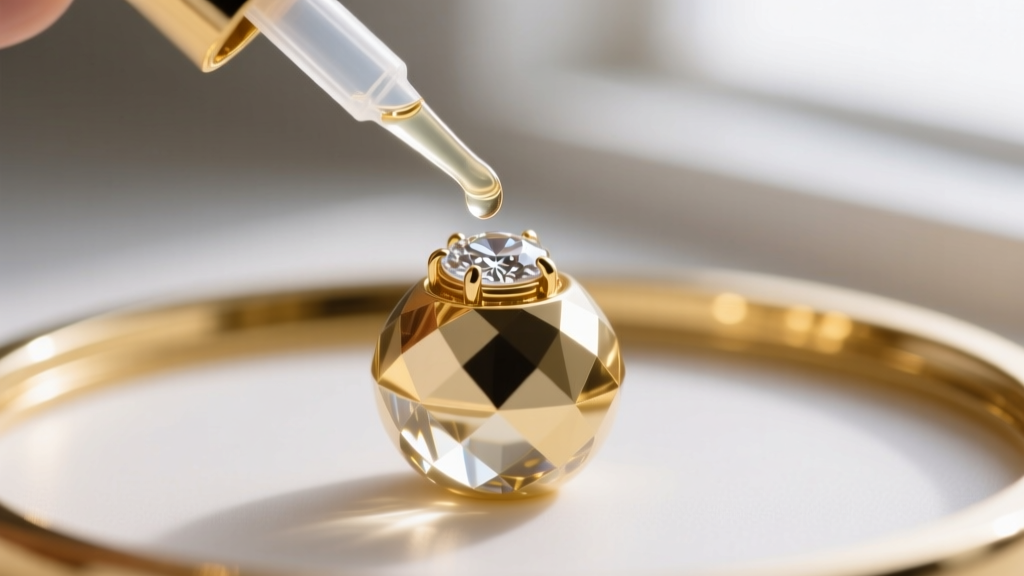
Because the tiny crystals on the sphere and the spade charm are glued rather than prong-set, impacts against hard surfaces (like a steering wheel or a desk) can easily dislodge them. If you have lost a stone, you can perform a micro-repair at home, provided you use the correct chemical adhesive.
Choosing the Right Jewelry Adhesive
The biggest mistake consumers make is reaching for cyanoacrylate (Super Glue). Cyanoacrylate cures through a rapid exothermic reaction that emits fumes, which will permanently "frost" or cloud the surrounding clear crystals. Furthermore, it dries brittle and will fail under the slight flexing of the metal base.
| Adhesive Type | Viscosity | Dry Time | Suitability for Pavé Crystals |
|---|---|---|---|
| GS Hypo Cement | Water-thin | 10-15 mins | Excellent: Dries perfectly clear, includes a precision needle tip, won't frost stones. |
| E6000 Jewelry & Bead | Thick/Gel | 24 hours | Poor: Too thick for micro-settings; excess glue will ooze out and trap dust. |
| Cyanoacrylate (Super Glue) | Variable | Seconds | Never Use: Fumes will permanently cloud the crystal sphere and spade charm. |
Repair Technique: Using a toothpick or the needle tip of GS Hypo Cement, place a microscopic dot of glue into the empty metal cup. Wait 30 seconds for the glue to become tacky, then use tweezers to drop the replacement crystal into the setting. Press gently with a silicone-tipped tool for 60 seconds. Allow 24 hours to fully cure before wearing.
Issue 3: Chain Tangling and Clasp Failure
The standard 18-inch cable chain with a 2-inch extender used on these necklaces is lightweight and highly susceptible to knotting. Additionally, the small lobster clasp can lose its internal spring tension or become clogged with debris, making it difficult to open or close.
Untangling the Cable Chain
Do not pull on a knot; this will permanently kink the delicate brass wire. Instead, lay the necklace flat on a smooth surface. Apply a drop of baby oil or mineral oil directly to the center of the knot. Using two fine sewing needles, gently work the center loop loose. The oil reduces the friction coefficient between the metal links, allowing them to slide apart without bending. Once untangled, wash the chain using the mild soap protocol mentioned above to remove the oil.
Fixing a Sticky Lobster Clasp
If the clasp is stiff, it is likely clogged with skin cells or lotion. Dip a cotton swab in isopropyl alcohol (90% or higher) and swab the hinge and lever of the clasp. Work the lever back and forth to distribute the alcohol. If the clasp fails to snap shut because the lever has been bent outward, use a pair of smooth-jawed chain-nose pliers to apply very gentle inward pressure to the lever arm. According to Jewelers of America, never use serrated pliers on plated jewelry, as they will strip the gold finish instantly.
Issue 4: Gold Plating Wear and Base Metal Tarnish
Kate Spade fashion jewelry utilizes brass as a base metal, finished with a layer of gold or silver-tone plating. This is typically "flash plating," meaning the gold layer is less than 0.5 microns thick. Over time, friction and exposure to the acidic pH of human sweat will wear through this layer, exposing the brass underneath. When brass oxidizes, it turns a dark brown or greenish-black, and can even leave a green mark on your skin.
Managing Tarnish and Wear
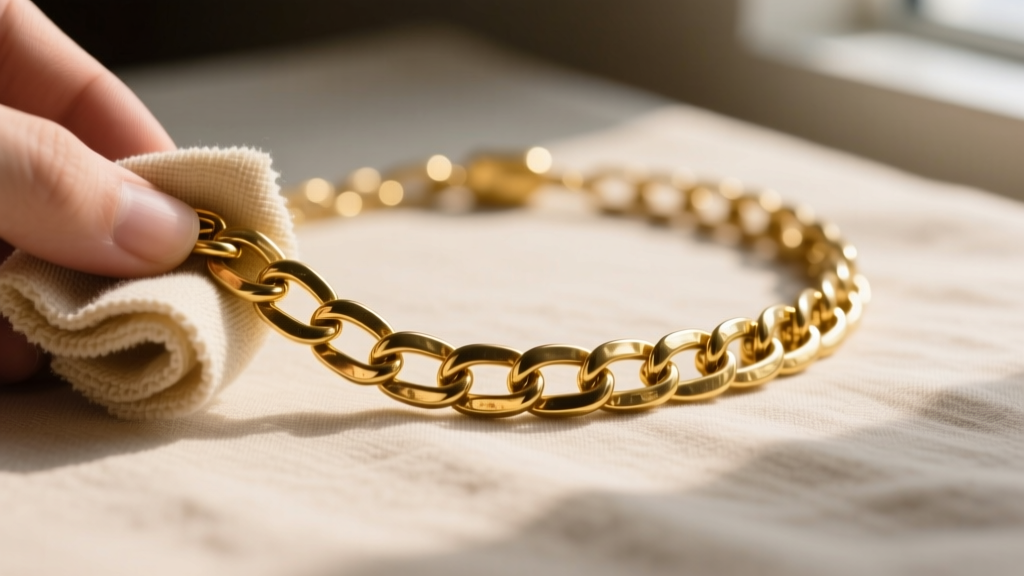
If the chain or the spade charm has simply tarnished (darkened but the plating is intact), use a treated jeweler's polishing cloth. Rub the metal gently in one direction. Do not use liquid silver dips or abrasive polishing pastes, as these will strip the remaining flash plating entirely.
If the gold plating has completely worn off in high-friction areas (like the back of the spade charm or the clasp), polishing will not help. You have two options:
- Professional Replating: A local jeweler can electroplate the piece with a fresh layer of 14k or 18k gold. This typically costs between $40 and $75, which may exceed the replacement value of the necklace, but it yields a much more durable finish than the factory original.
- Clear Coat Barrier: As a budget-friendly preventative measure, some wearers apply a micro-thin layer of clear, non-yellowing nail polish to the back of the pendant where it touches the skin. This creates a physical barrier against sweat and prevents the brass from oxidizing and turning the skin green.
"Fashion jewelry requires a different maintenance mindset than fine jewelry. The goal is not to aggressively polish away tarnish, but to preserve the ultra-thin plated layers through gentle cleaning and proactive storage." — Senior Bench Jeweler
When to Contact Kate Spade Customer Care
Before attempting any DIY repairs, assess whether your necklace is covered under warranty. Kate Spade's official product care guidelines typically cover manufacturing defects—such as a clasp that arrives broken or a crystal sphere that detaches from its bail within the first few months of purchase. However, the warranty explicitly excludes normal wear and tear, chemical damage from perfumes or lotions, and damage resulting from improper cleaning methods.
If your necklace is less than a year old and you suspect a structural defect (like a faulty weld on the jump ring connecting the crystal ball to the chain), gather your proof of purchase and contact their customer service portal. For out-of-warranty pieces, the troubleshooting steps outlined above will safely extend the life of your necklace, ensuring the crystal ball pendant remains a brilliant focal point in your jewelry collection for years to come.


