Troubleshooting a Necklace With Horn: Fix Cracks, Odor and Tarnish
Is your necklace with horn cracking or smelling? Learn expert troubleshooting tips to clean, repair, and maintain organic horn pendants properly.

The Unique Challenges of Organic Horn Jewelry
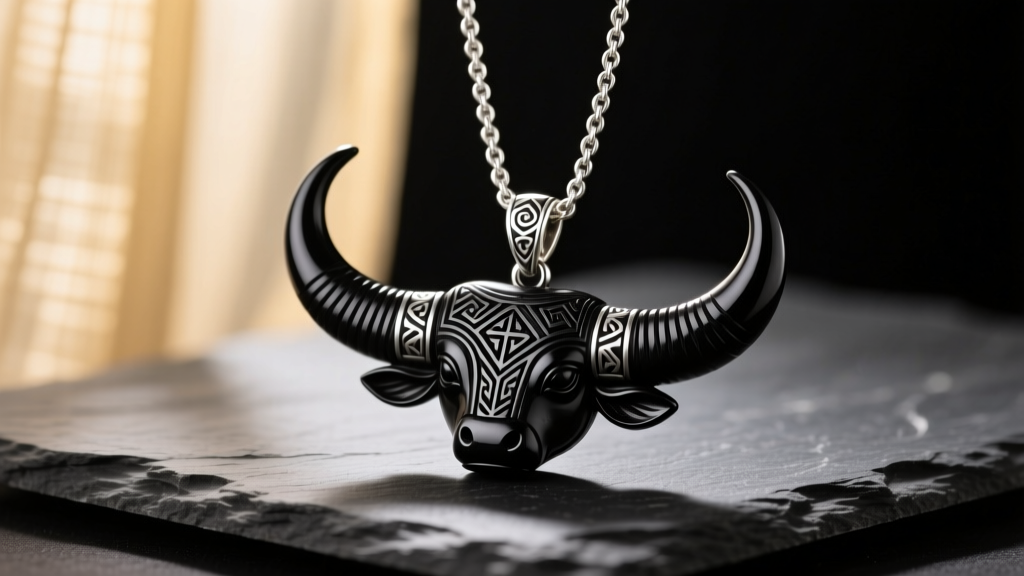
A necklace with horn is a striking, earthy accessory that connects the wearer to natural, organic materials. Unlike metals or mined gemstones, horn is composed primarily of keratin—the same fibrous structural protein found in human hair and nails. While this gives horn pendants their beautiful, warm translucency and unique grain patterns, it also makes them highly reactive to environmental changes. According to the GIA Gem Encyclopedia, organic gem materials require specialized care because they are susceptible to dehydration, chemical degradation, and biological decay.
If you wear your horn pendant daily, you have likely encountered a few frustrating issues: micro-cracking along the carved ridges, a persistent unpleasant odor after sweating, or a cloudy, dull finish that refuses to buff out. This comprehensive troubleshooting guide will help you diagnose and resolve the most common problems associated with horn jewelry, ensuring your piece lasts for decades.
Troubleshooting Common Horn Pendant Issues
Issue 1: Micro-Cracking and Dryness
Horn is hygroscopic, meaning it absorbs and releases moisture from the surrounding air. When the relative humidity drops below 35%—common in winter months or air-conditioned environments—the keratin fibers contract. Because horn is often carved with varying thicknesses, this contraction creates uneven internal tension, resulting in micro-cracks or deep fissures.
The Fix: Do not attempt to fill cracks with superglue (cyanoacrylate), as the chemical reaction can permanently stain the surrounding keratin. Instead, stabilize the horn by gently sanding the affected area with 3M Micro-Mesh pads. Start at 800 grit to level the crack edges, progress to 1500 grit, and finish at 3000 grit for a glass-like polish. Immediately seal the area with a microcrystalline wax, such as Renaissance Wax, which provides a stable, non-yellowing moisture barrier without suffocating the organic material.
Issue 2: Unpleasant Odors
Because horn is porous, it readily absorbs skin oils, sweat, and environmental pollutants. When these organic compounds become trapped in the microscopic fissures of the pendant, they become a breeding ground for bacteria. This results in a distinct, unpleasant odor often described as smelling like wet dog or burnt hair.
The Fix: Never soak a horn pendant in water, as this will cause the keratin layers to delaminate. Instead, create a thick paste using baking soda and a few drops of distilled water. Apply the paste to the pendant using a soft-bristled toothbrush, gently working it into the carved crevices. Let it sit for exactly five minutes to neutralize the acidic bacteria, then wipe it away with a barely damp microfiber cloth. Dry the pendant immediately with a hairdryer on the cool setting, and finish by rubbing a single drop of pure jojoba oil into the surface to condition the keratin.
Issue 3: Discoloration and Cloudiness
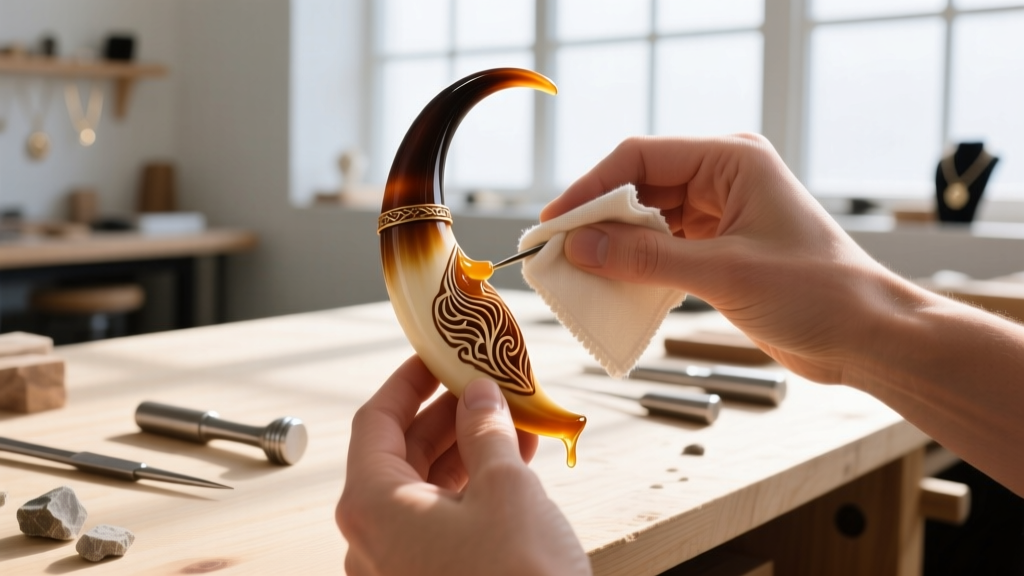
Over time, a necklace with horn can develop a cloudy, opaque film. This is rarely damage to the horn itself; rather, it is a buildup of polymerized lotion, perfume, and sebum. Furthermore, exposure to alkaline substances (like harsh soaps or chlorine) can chemically burn the surface of the horn, leaving permanent white, chalky patches.
The Fix: For general cloudiness, wash the pendant with a pH-neutral cleaner, such as diluted Dr. Bronner’s Unscented Castile Soap. Avoid ultrasonic cleaners at all costs; the high-frequency vibrations will shatter the organic structure of the horn. If the cloudiness is due to chemical burning (alkaline damage), you must physically remove the damaged layer. Use a 1200-grit sanding sponge to gently buff away the burnt surface, followed by a polishing compound designed for acrylics or organic gems to restore the natural luster.
Material Authentication: Real Horn vs. Resin Fakes
Before investing time in restoring your pendant, you must verify its authenticity. The market is flooded with cast resin imitations designed to mimic the marbled look of water buffalo or cow horn. Restoring resin with the methods above will melt or ruin the piece.
According to conservation guidelines from the Jewelers of America, identifying organic materials correctly is the first step in preventing irreversible damage during the cleaning process.
The Hot Pin Test: Heat the tip of a sewing needle with a lighter until it is red hot. Find an inconspicuous spot on the pendant (such as the back of the bail loop) and press the needle into the material. If it melts, smells like sweet chemicals, and leaves a sticky residue, it is resin. If it resists melting, smells distinctly like burnt hair, and leaves a dry, powdery ash, it is genuine horn.
Material Comparison Chart
| Material | Mohs Hardness | Weight/Feel | Reaction to Heat |
|---|---|---|---|
| Water Buffalo Horn | 2.0 - 2.5 | Heavy, dense, cool to touch | Smells like burnt hair, won't melt |
| Cow Horn | 1.5 - 2.0 | Lighter, slightly more translucent | Smells like burnt hair, won't melt |
| Cast Resin (Faux) | 2.0 - 3.0 | Lightweight, warms quickly in hand | Melts, smells like burnt plastic |
Hardware and Chain Troubleshooting for Heavy Horn
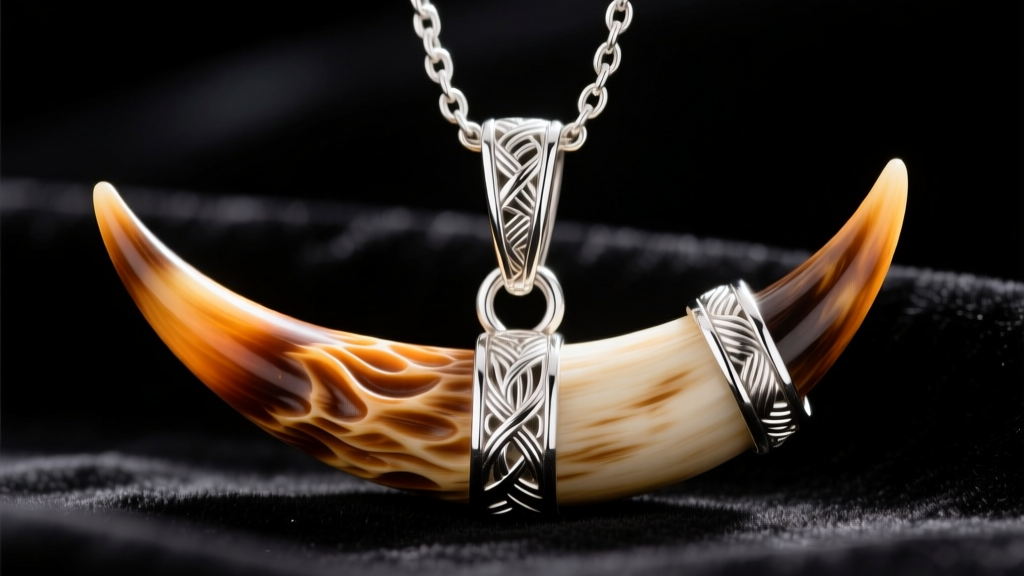
A frequent structural failure with a necklace with horn is the breakage of the chain or the detachment of the bail. Horn pendants are inherently thick—often ranging from 8mm to 15mm at the top loop—and standard jewelry findings are simply not engineered to accommodate them.
Bail Sizing and Attachment Failures
Standard pinch bails or 4mm glue-on bails will snap under the pendulum-like swinging motion of a heavy horn pendant. If your pendant keeps falling off, you need to upgrade the hardware. For pendants with a pre-drilled horizontal hole, use a 2mm to 3mm leather cord or a heavy-duty sterling silver tube bail. If the pendant has a vertical top-drilled hole, you must use a wide-loop peg bail (at least 8mm wide) secured with a two-part jeweler's epoxy, not standard superglue, which becomes brittle and fails under sheer stress.
Chain Weight Ratios
The golden rule of jewelry physics is that the chain should weigh at least one-third of the pendant. If your horn pendant weighs 30 grams, a delicate 2-gram box chain will eventually snap at the clasp due to metal fatigue. Opt for structural chains like wheat chains, rope chains, or thick Figaro chains (minimum 2.5mm width) that can handle the dynamic load of a heavy organic pendant without kinking or breaking.
Step-by-Step Annual Restoration Guide
To keep your necklace with horn in pristine condition, perform this annual maintenance routine:
- Inspect: Examine the pendant under a bright LED light for any hairline fractures or lifting bail glue.
- Clean: Wipe down with a damp microfiber cloth and a drop of pH-neutral castile soap to remove the year's buildup of skin oils.
- Dry: Pat completely dry and let it sit in a low-humidity room for two hours.
- Condition: Apply a micro-dose of pure mineral oil or jojoba oil. Avoid olive oil or coconut oil, as these are triglycerides that will oxidize, go rancid, and cause the horn to smell sour over time.
- Seal: Buff the surface with a clean cloth, then apply a thin, even coat of microcrystalline wax to lock in the moisture and protect against UV fading.
Conclusion
Owning a necklace with horn is a commitment to caring for a living, breathing material. By understanding the keratin structure of your pendant and avoiding common pitfalls like ultrasonic cleaners, harsh chemicals, and improper hardware, you can troubleshoot and reverse almost any signs of wear. With the right sanding techniques, proper conditioning oils, and heavy-duty chain pairings, your organic horn jewelry will remain a resilient, beautiful staple in your collection for years to come.


