How to Fix and Restore Your Favorite Chicken Necklace
Is your favorite chicken necklace tarnishing, breaking, or causing skin irritation? Learn expert troubleshooting tips to restore farm jewelry.

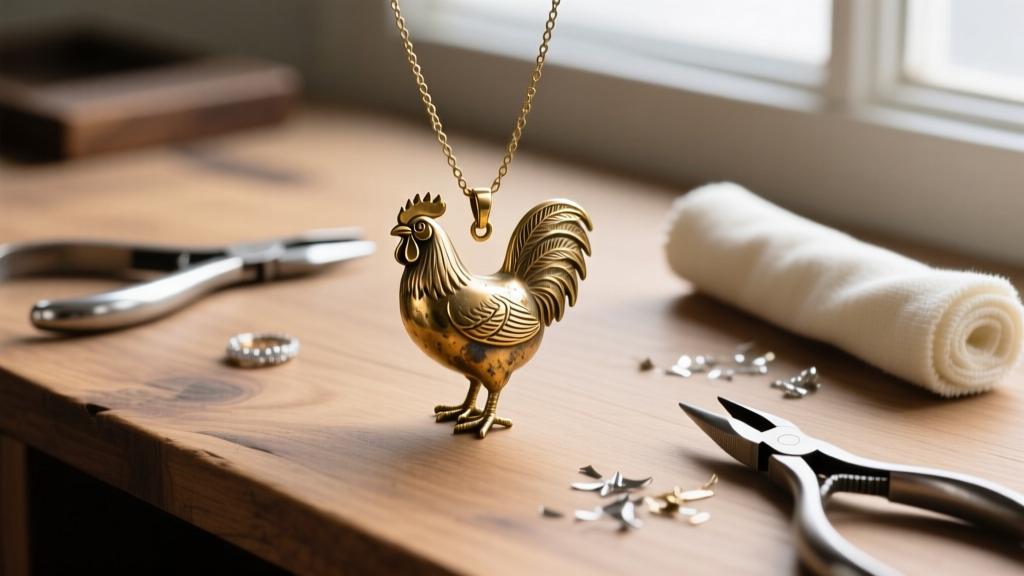
Cottagecore, farm-to-table aesthetics, and rural homesteading trends have cemented the chicken necklace as a beloved staple in novelty and artisanal jewelry. Whether you own a delicate enameled hen pendant, a whimsical wire-wrapped rooster, or a heavy cast-brass statement piece, these farmyard motifs carry deep sentimental value. However, novelty and themed jewelry is notoriously prone to structural vulnerabilities. Base metal alloys tarnish rapidly, painted details chip upon impact, and lightweight chains frequently snap under the pendulum weight of solid metal pendants.
In this comprehensive troubleshooting guide, we will diagnose the most common material and hardware failures associated with poultry-themed necklaces. By applying professional-grade jewelry repair techniques, you can restore your favorite pieces for safe, everyday wear.
Diagnosing the "Green Neck" Syndrome
The most frequent complaint among wearers of novelty farm jewelry is skin discoloration. Affordable chicken pendants are often cast from Zamak (a zinc alloy containing aluminum, magnesium, and copper) or raw brass. When the copper content in these alloys reacts with the chlorides, sebum, and lactic acid in human sweat, it creates copper chloride—a green salt that stains the skin and causes contact dermatitis.
Troubleshooting and Prevention
- The Barrier Method: For the pendant itself, apply a micro-thin layer of Renaissance Wax or a jewelry-specific polyurethane sealant to the back of the casting. This creates an invisible, hypoallergenic barrier between the reactive metals and your skin.
- Chain Upgrades: The included base-metal chain is usually the primary culprit for green skin. Swap it for a 14/20 gold-filled or 316L surgical stainless steel cable chain. According to metallurgical guidelines from the Gemological Institute of America (GIA), 316L steel contains molybdenum, which drastically increases resistance to the corrosive acids found in human perspiration, making it an ideal, affordable upgrade for novelty pendants.
Repairing Chipped Cold Enamel on Painted Pendants
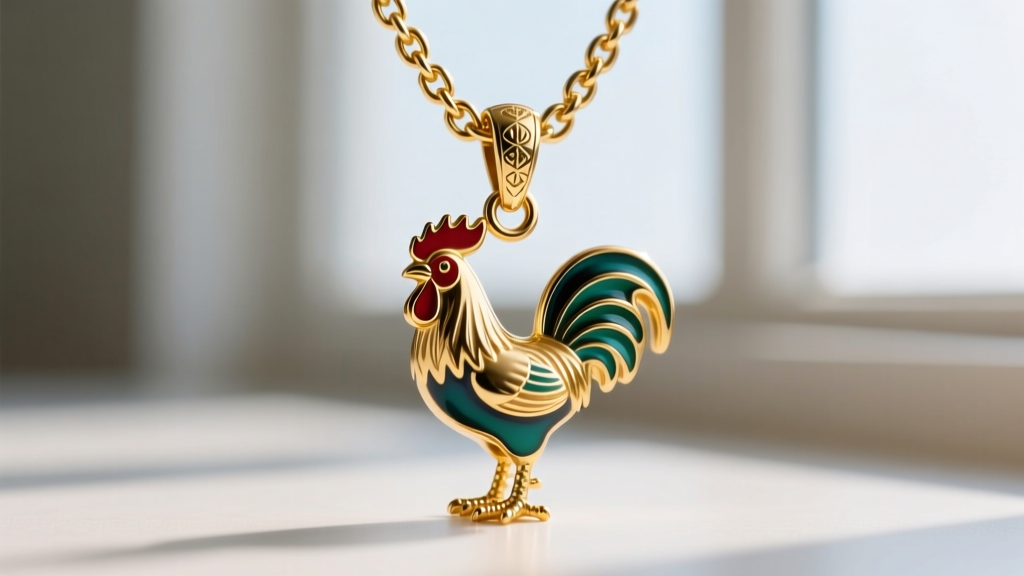
Most mass-produced chicken necklaces utilize "cold enamel" (a two-part epoxy resin) rather than vitreous enamel (fired glass). While cold enamel allows for vibrant, multi-colored details like the red wattle of a Leghorn or the iridescent green tail feathers of a rooster, it is highly susceptible to micro-chipping when dropped on hard surfaces like tile or concrete.
Step-by-Step Resin Repair Guide
- Prep the Surface: Clean the chipped area with 90% isopropyl alcohol to remove all skin oils and debris. If the base metal beneath the chip is exposed and tarnished, gently polish it with a fiberglass scratch pen to ensure proper resin adhesion.
- Color Matching: Mix a tiny batch of UV-curing jewelry resin. To match specific breed colors, blend cosmetic-grade mica powders or specialized alcohol inks into the resin before application.
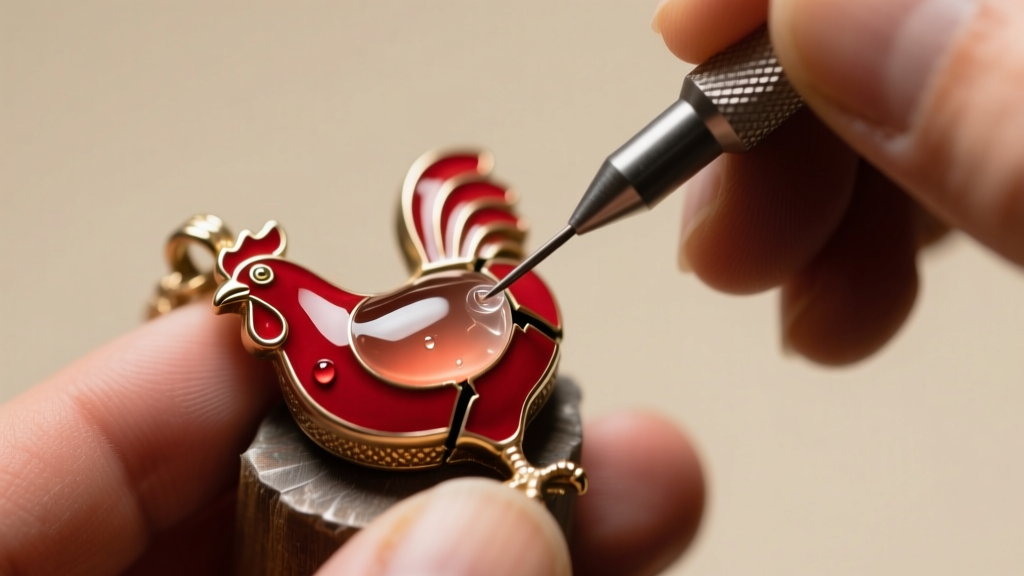
- Precision Application: Apply the tinted resin using a 0.5mm precision needle tool or a fine-tipped silicone brush. Slightly overfill the chip to account for the resin's natural shrinkage during the curing process.
- Cure and Finish: Cure the pendant under a 36W UV lamp for 60 seconds. Once hardened, wet-sand the repaired area flush with the surrounding surface using 2000-grit automotive sandpaper, followed by a micro-mesh polishing pad to restore the glossy finish.
Chain Tangling and Clasp Failures
A heavy solid-brass rooster pendant will easily snap a standard 1.0mm spring-ring chain. The hardware must be matched to the pendant's tensile load and weight distribution. Furthermore, according to manufacturing standards outlined by Rio Grande, a leading jewelry supply authority, using an open jump ring to connect a heavy pendant to a chain is a critical failure point. The pendulum motion of a heavy chicken pendant will twist and pull apart an unsoldered jump ring over time.
Hardware Selection Matrix
Use the following data table to select the appropriate chain and clasp hardware based on the weight and style of your chicken pendant:
| Chain Type | Gauge (mm) | Avg. Tensile Strength | Best Application |
|---|---|---|---|
| Cable Chain | 1.2mm | ~4 lbs | Lightweight, stamped-metal hen pendants |
| Box Chain | 1.5mm | ~9 lbs | Medium-weight, hollow-cast rooster pendants |
| Wheat Chain | 2.0mm | ~14 lbs | Heavy, solid-brass or bronze farmyard motifs |
Pro-Tip: Always replace the clasp with a 10mm or 12mm lobster clasp rather than a spring-ring. Lobster clasps feature a stronger internal spring mechanism and a wider surface area for the jump ring, significantly reducing the risk of accidental unclasping.
Deep Cleaning Tarnished Base Metal Safely
When your chicken necklace loses its luster, the instinct is to reach for commercial silver dips or ultrasonic cleaners. Never use these methods on painted, glued, or cold-enameled pieces. The cavitation bubbles generated by an ultrasonic cleaner will strip the paint from the pendant's crevices, and harsh chemical dips will permanently cloud and degrade the epoxy resin.
The Safe Cleaning Protocol
Instead, create a mild cleaning solution using warm distilled water and a few drops of pH-neutral dish soap. Submerge the pendant for no more than three minutes. Use a soft-bristled baby toothbrush to gently agitate the intricate crevices of the pendant—such as the textured feathers, the comb, and the beak. Rinse thoroughly under lukewarm running water and dry immediately with a lint-free microfiber cloth. Leaving a zinc-alloy pendant to air-dry will result in stubborn, hard-water spots that are difficult to remove without abrasive polishing.
Upgrading for Longevity
Troubleshooting a beloved chicken necklace isn't just about fixing what is broken; it is about proactively upgrading the piece to withstand daily wear. By replacing reactive base-metal chains with hypoallergenic alternatives, properly sealing cold enamel against impact, and ensuring your clasps and jump rings are rated for the pendant's specific tensile load, you can ensure your farm-themed jewelry remains a staple in your collection for years to come. Regular maintenance, including monthly inspections of the jump ring and gentle cleaning, will keep your poultry pendant looking as vibrant as the day you acquired it.


