How to Fix, Clean, and Restore an Opal Butterfly Necklace
Learn how to troubleshoot, clean, and repair your opal butterfly necklace. Expert tips on fixing loose stones, tarnished chains, and cloudy opals.

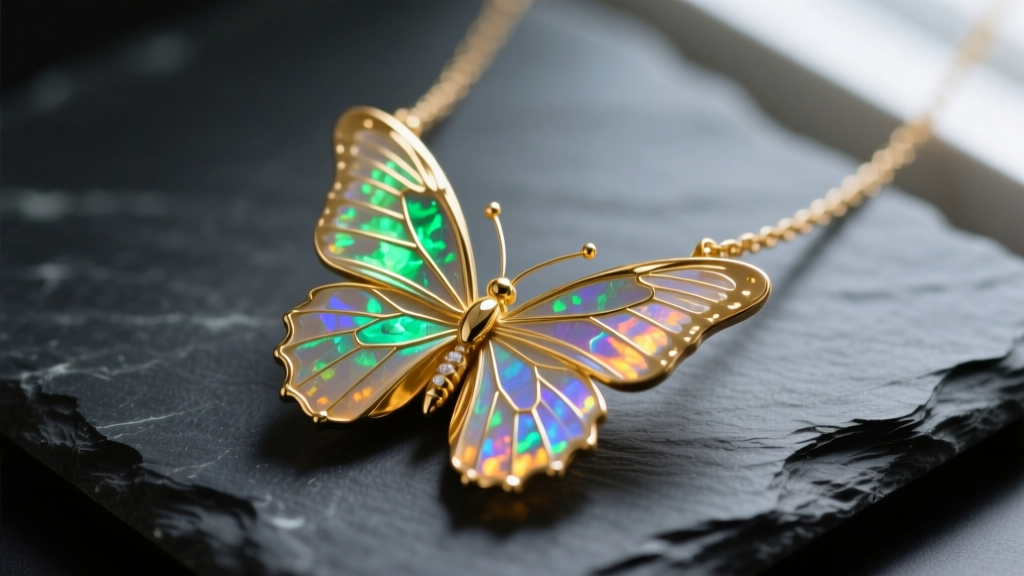
The opal butterfly necklace is a staple of whimsical, nature-inspired jewelry, combining the delicate symmetry of a butterfly motif with the fiery, unpredictable play-of-color found in opals. However, because opals are relatively soft gemstones (ranking 5.5 to 6.5 on the Mohs hardness scale) and often feature intricate inlay work, these necklaces are notoriously prone to specific failures. Whether you are dealing with a cloudy stone, a detached wing, or a snapped chain, troubleshooting an opal butterfly pendant requires an understanding of both gemology and micro-jewelry repair.
In 2026, the market is heavily saturated with both solid Australian opals and hydrophane Ethiopian Welo opals, each requiring vastly different troubleshooting approaches. This guide provides a professional framework for diagnosing, repairing, and maintaining your opal butterfly necklace.
The Anatomy of Opal Butterfly Failures
Before attempting any repair, you must identify the type of opal used in your butterfly pendant. The structural integrity and the appropriate cleaning methods depend entirely on whether the stone is solid, a doublet, or a triplet.
Solid vs. Doublet vs. Triplet Identification
Most commercial opal butterfly necklaces utilize doublets or triplets to maximize color while keeping the price point accessible. A doublet consists of a thin slice of precious opal glued to a dark backing (often obsidian or black glass) to enhance the color play. A triplet adds a third layer: a clear, domed cap of quartz or glass on top to protect the soft opal slice.
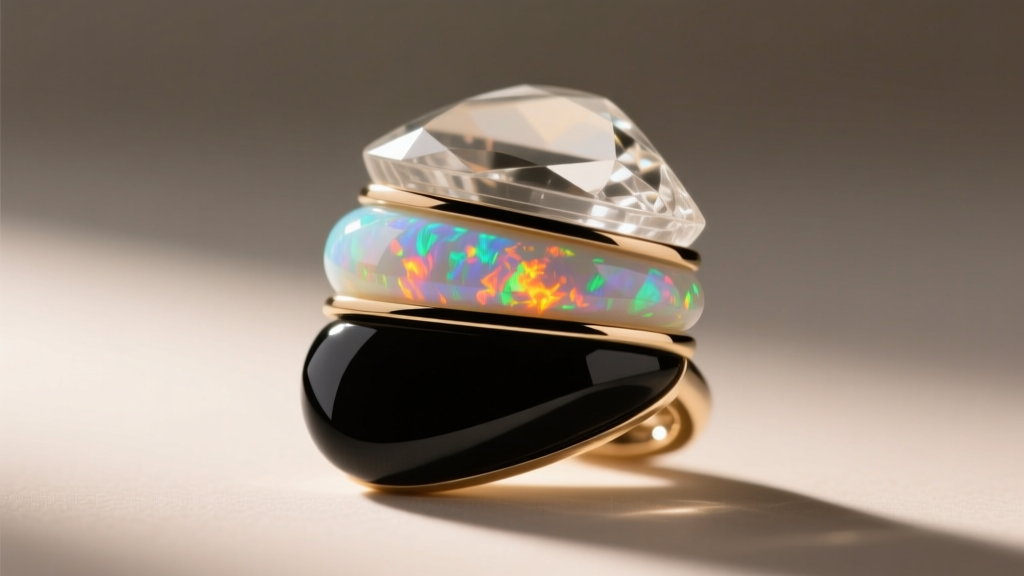
If your butterfly pendant has a highly domed, glass-like surface that feels exceptionally hard and cold to the touch, it is likely a triplet. If the opal is set flush into a metal bezel with a visible dark line along the side profile, it is a doublet. Solid opals, conversely, are carved from a single piece of rough and will show natural color variations all the way through the side profile. According to the Gemological Institute of America (GIA), identifying these layers is critical, as submerging a doublet or triplet in water or chemical cleaners will dissolve the adhesive layers, causing permanent delamination.
Troubleshooting Cloudy or "Dead" Opals
A common complaint with opal butterfly necklaces is the sudden loss of "fire" or the appearance of a cloudy, white fog within the stone. The troubleshooting path depends on the opal's origin and structure.
The Hydrophane Welo Opal Dilemma
If your necklace features Ethiopian Welo opal, it is hydrophane, meaning it is highly porous and absorbs moisture from the air, skin, and water. When a Welo opal absorbs too much water, it becomes temporarily transparent or cloudy, losing its signature play-of-color. The Fix: Do not apply heat or use a hairdryer, as rapid moisture loss will cause the stone to craze (crack internally). Simply place the necklace in a dry, room-temperature environment away from direct sunlight for 48 to 72 hours. The opal will naturally release the moisture and its color will return.
Triplet Delamination
If your pendant is a triplet and the "fog" appears to be trapped just beneath the clear top dome, the adhesive bonding the quartz cap to the opal layer has failed, allowing moisture and skin oils to seep in. The Fix: This cannot be cleaned at home. A professional lapidary must carefully pry off the quartz cap, clean the opal slice with specialized solvents, and re-laminate it using optically clear UV-curing resin.
Re-Adhering Loose Butterfly Wings
Butterfly pendants often feature opals inlaid into the wings using a bezel or prong setting. Over time, impacts or temperature fluctuations can cause the opal slices to pop out of their metal housings. Re-adhering them requires precision and the correct chemical compounds.
Critical Warning: Never use cyanoacrylate (Super Glue) to reattach an opal. As cyanoacrylate cures, it releases fumes that cause "frosting"—a permanent, milky-white chemical burn on the surface of the opal that cannot be polished out.
| Adhesive Type | Best For | Cure Time | Risk to Opal |
|---|---|---|---|
| Cyanoacrylate (Super Glue) | None | Seconds | High (Causes chemical frosting) |
| G-S Hypo Cement | Tiny precision drops, securing loose prongs | 10-15 Minutes | Low (Safe for most stones) |
| Two-Part Jeweler's Epoxy (e.g., Hughes 330) | Structural bonding of flat-backed doublets | 24 Hours | None (Non-fuming, high strength) |
| UV-Curing Resin | Re-capping triplets, filling minor bezel gaps | 30-60 Seconds | Low (Requires UV light exposure) |
For loose butterfly wings, use a toothpick to apply a microscopic bead of G-S Hypo Cement or a two-part epoxy to the metal seat. Gently press the opal into place, wipe away any excess with a dry cotton swab immediately, and let it cure undisturbed on a flat surface.
Upgrading Fragile Chains and Bails
The delicate nature of the butterfly motif often leads manufacturers to pair these pendants with equally delicate, lightweight chains. A standard 0.8mm or 0.9mm box chain is highly susceptible to kinking and snapping under the pendulum-like motion of a 3-to-8-gram pendant.
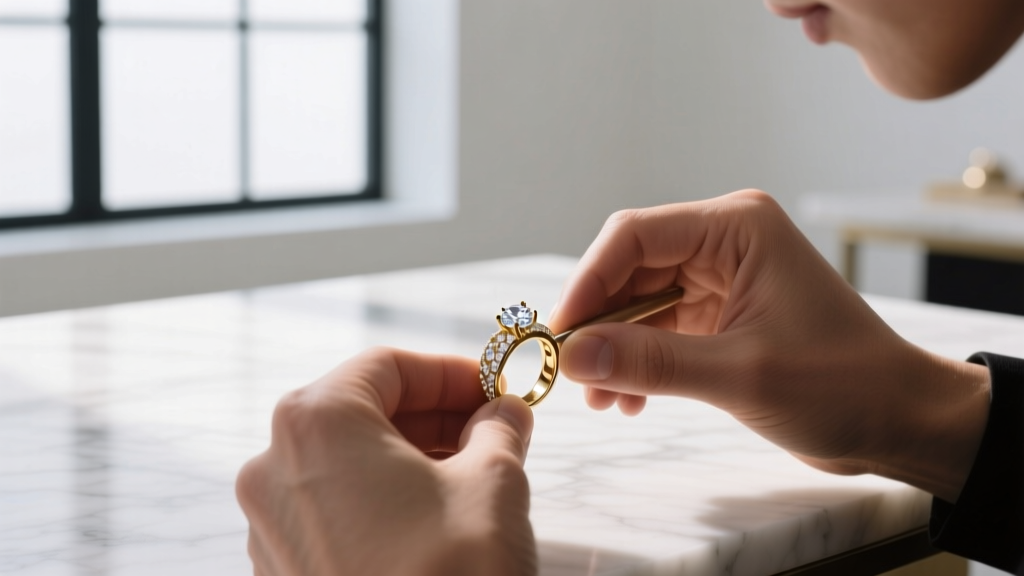
Furthermore, the bail (the loop connecting the pendant to the chain) is a primary failure point. If the bail has snapped off the metal backing of the butterfly, do not attempt to solder it back on with a traditional jeweler's torch. The thermal shock and extreme heat will instantly shatter the opal or melt the adhesive holding the inlays. According to Jewelers of America, laser welding is the only safe method for soldering metal components directly adjacent to heat-sensitive gemstones like opals.
Chain Upgrade Specifications
To prevent future breakage, upgrade your necklace chain to a more robust gauge that still complements the feminine aesthetic of the butterfly pendant:
- 1.1mm to 1.2mm Solid Rope Chain: Offers excellent tensile strength and a fluid drape that resists kinking.
- 1.0mm Wheat (Spiga) Chain: Features a woven, tubular structure that distributes the weight of the pendant evenly, reducing stress on the bail.
- Avoid: Snake chains (they trap oils and snap if bent) and hollow-box chains (they crush easily and are nearly impossible to repair).
The Preventative Care Protocol
Once your opal butterfly necklace is restored, implementing a strict care protocol will extend its lifespan. Opals contain between 3% and 21% water within their silica structure. While solid Australian opals are relatively stable, exposing them to extreme dryness (like a heated car dashboard in winter) can cause "crazing," a network of fine surface cracks that ruins the stone's structural integrity.
Cleaning: Never use ultrasonic cleaners, steamers, or harsh chemical dips. The high-frequency vibrations of an ultrasonic cleaner will shatter the internal silica spheres of an opal and instantly delaminate doublets. Instead, use a few drops of pH-neutral dish soap in lukewarm water, gently agitate with a baby-soft toothbrush, and pat dry with a microfiber cloth.
Storage: Store your necklace in a soft, lint-free pouch separate from harder gemstones like diamonds or sapphires, which will easily scratch the opal's surface. If you live in an exceptionally arid climate, store solid opals in a sealed plastic bag with a slightly damp (not wet) cotton ball to maintain ambient humidity, but ensure this bag is kept far away from any doublet or triplet pieces, which require strictly dry environments.


