Necklace With Ring Meaning: Symbolism & Metal Guide
Discover the deep necklace with ring meaning and how to choose the right metal. Compare platinum, gold, and titanium for lasting sentimental jewelry.

The Emotional Weight: Understanding Necklace With Ring Meaning
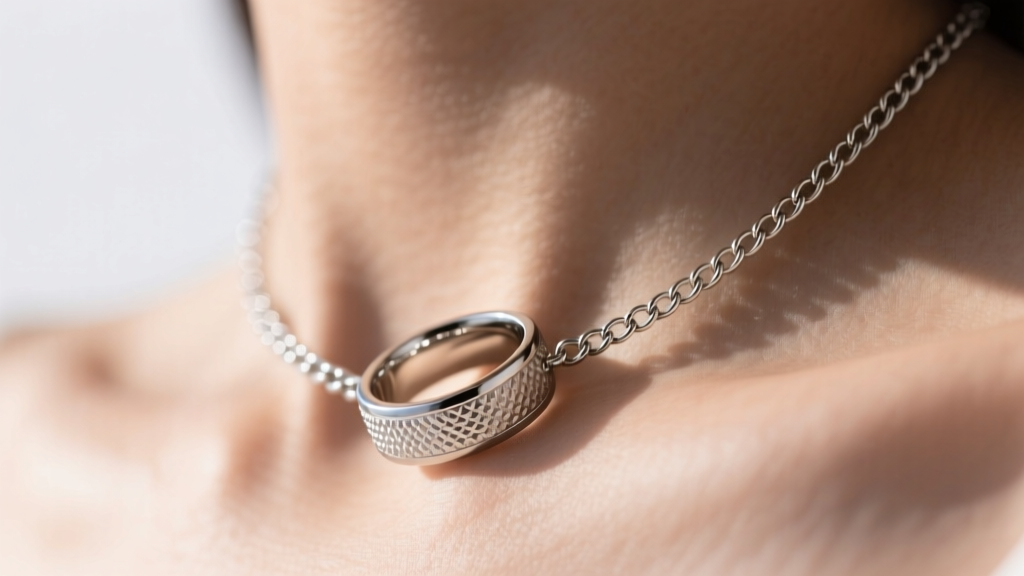
When exploring the necklace with ring meaning, we are often navigating a landscape of deep personal commitment, memorial, or cultural heritage. Unlike standard pendants, a ring worn on a chain carries an intimate gravity. It may be a promise ring kept close to the heart, a wedding band of a deployed partner, a memorial piece honoring a lost loved one, or a traditional Claddagh ring symbolizing love, loyalty, and friendship. Because these pieces are rarely removed, the material science behind the ring and its accompanying chain is just as critical as the sentiment it represents.
The sternum and décolletage area is subject to high friction, fluctuating temperatures, and continuous exposure to sweat and body oils. Therefore, selecting the correct metal grade is not merely an aesthetic choice; it is a matter of dermatological safety and structural longevity. Below, we dissect the metallurgical properties of the most common metals used for sentimental ring pendants and how they interact with the human body over decades of wear.
Material Durability vs. Sentimental Value
A ring meant to symbolize eternity must be crafted from a metal that can withstand the test of time. However, 'durability' in metallurgy is split into two distinct categories: hardness (resistance to scratching) and toughness (resistance to breaking or bending). Understanding this distinction is vital when choosing a metal for a necklace with ring meaning that you intend to wear daily.
Platinum (950Pt): The Archival Metal
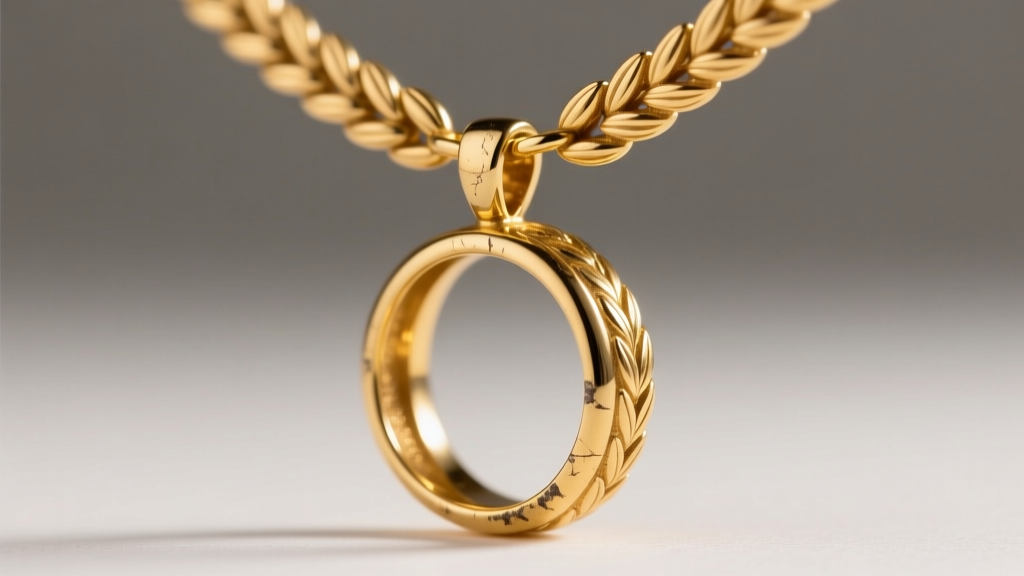
Platinum is the undisputed king of sentimental jewelry. Most high-end platinum rings are stamped 950Pt, meaning they contain 95% pure platinum and 5% alloying metals, typically ruthenium or iridium. According to the Gemological Institute of America (GIA), platinum's unique property is its density and malleability. When platinum scratches, the metal is not lost; it is merely displaced. Over decades, this creates a soft, satiny patina that many jewelers and collectors prize as a visual record of the piece's history. For a memorial ring or a wedding band worn on a chain, platinum ensures that the physical mass of the ring will never diminish, no matter how many years it rests against your skin.
Gold Alloys: 14k vs. 18k
Pure 24k gold is too soft for daily wear, so it is alloyed with copper, silver, zinc, and sometimes palladium.
- 18k Gold (75% Pure): Offers a rich, warm color and excellent hypoallergenic properties but is softer (Mohs hardness ~2.5-3). It is prone to surface scratching when worn as a pendant that may swing and strike hard surfaces.
- 14k Gold (58.5% Pure): The standard for durable, everyday jewelry. The higher alloy content (often copper and zinc) increases tensile strength and scratch resistance, making it ideal for heavier ring pendants that put stress on the bail and chain.
Titanium (Grade 5): The Modern Armor
For contemporary promise rings or medical alert rings, Grade 5 Titanium (Ti-6Al-4V) is a powerhouse. It boasts a tensile strength of up to 1,170 MPa, rivaling many steels, while remaining 45% lighter. However, titanium's extreme hardness means it cannot be easily cut off in a medical emergency or resized. If the ring meaning shifts or the wearer's finger size changes, the ring is permanently locked into its original dimensions, making it a definitive, unyielding symbol.
Metallurgical Comparison Chart
To make an informed decision, reference this data table comparing the physical and chemical properties of common ring pendant materials.
| Metal / Alloy | Purity / Grade | Mohs Hardness | Nickel Content | Corrosion Resistance |
|---|---|---|---|---|
| Platinum | 950Pt / 50Ru | 4.0 - 4.5 | None | Exceptional (Inert) |
| White Gold | 14k / 18k | 3.5 - 4.0 | Often Present | Moderate (Requires Rhodium) |
| Yellow Gold | 14k | 3.0 - 3.5 | Rare | High |
| Sterling Silver | 925 | 2.5 - 3.0 | None | Low (Tarnishes via Copper) |
| Titanium | Grade 5 (6Al-4V) | 6.0 | None | Exceptional (Passive Oxide) |
The Allergy Factor: Hypoallergenic Metals for Close-to-Skin Wear
The chest area contains a high density of eccrine sweat glands. Sweat acts as a mild electrolyte solution, which can accelerate the leaching of allergenic metals from jewelry alloys. The most common culprit is nickel, frequently used in white gold and lower-grade stainless steels to increase hardness and whiteness. The Mayo Clinic notes that prolonged contact with nickel-laced alloys in high-moisture environments is a primary trigger for allergic contact dermatitis.
"If your necklace with ring meaning is tied to a piece of vintage or inherited jewelry, be aware that pre-1980s white gold and costume silver alloys often contain high levels of nickel. Always have a jeweler perform an XRF (X-ray Fluorescence) scan on antique rings before wearing them directly against the chest."
For wearers with sensitive skin, 950 Platinum, Grade 5 Titanium, Niobium, and high-karat yellow gold (18k or 22k) are the safest choices, as they completely bypass the need for nickel alloys.
Chain Pairings and Galvanic Corrosion
A critical, often overlooked aspect of wearing a ring on a necklace is the interaction between the ring's metal and the chain's metal. When two dissimilar metals rest against each other in the presence of an electrolyte (sweat), galvanic corrosion occurs. The more anodic (less noble) metal will corrode at an accelerated rate.
The Rules of Metal Pairing
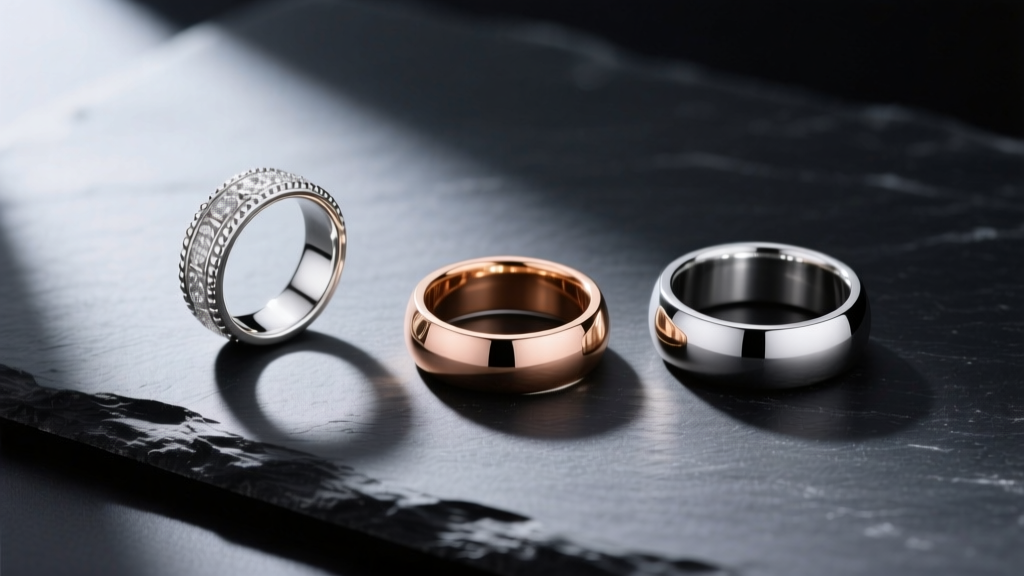
- Never mix Sterling Silver and Platinum: If a sterling silver chain holds a platinum ring, the silver will act as a sacrificial anode and degrade rapidly at the jump ring connection point.
- Avoid Direct Threading: Threading a chain directly through the center of a ring causes severe friction wear on the chain links. Always use a specialized ring enhancer bail or a donut pendant bail with a soldered jump ring to distribute the weight and protect the chain.
- Match the Mohs Hardness: A heavy tungsten carbide ring (Mohs 8-9) will act like a saw blade against a soft 14k gold chain (Mohs 3.5), eventually slicing through the links. Match heavy, hard rings with equally robust chains like 2.5mm Box or Wheat chains crafted from stainless steel or platinum.
Care, Patina, and Preserving the Story
The meaning behind a ring pendant often deepens as the metal ages. Sterling silver (925) contains 7.5% copper, which reacts with sulfur in the air and skin to form silver sulfide, resulting in a dark tarnish. While some view this as a detriment, others embrace the darkened crevices of an engraved memorial ring as a testament to time passed. Conversely, platinum and titanium remain virtually unchanged, requiring only occasional ultrasonic cleaning to remove sebum and lotion buildup from the inner band.
Final Verdict: Choosing Your Metal Based on Meaning
The true necklace with ring meaning is forged not just in the promise it represents, but in the physical resilience of the material you choose. If the ring symbolizes an eternal, unbreakable bond or a solemn memorial, invest in 950 Platinum or Grade 5 Titanium. If it represents a vibrant, living commitment like a promise or engagement, the traditional warmth and workability of 14k or 18k Gold remain unparalleled. By aligning the metallurgical properties of your jewelry with the emotional weight of its symbolism, you ensure that the piece will endure as long as the memory it holds.


