Mastering the Necklace Stack Clasp: 2026 Layering Guide
Discover how the necklace stack clasp is redefining 2026 layering trends. Explore multi-strand converters, magnetic clasps, and styling frameworks.

The Evolution of the Clasp: From Hidden Hardware to Hero Piece
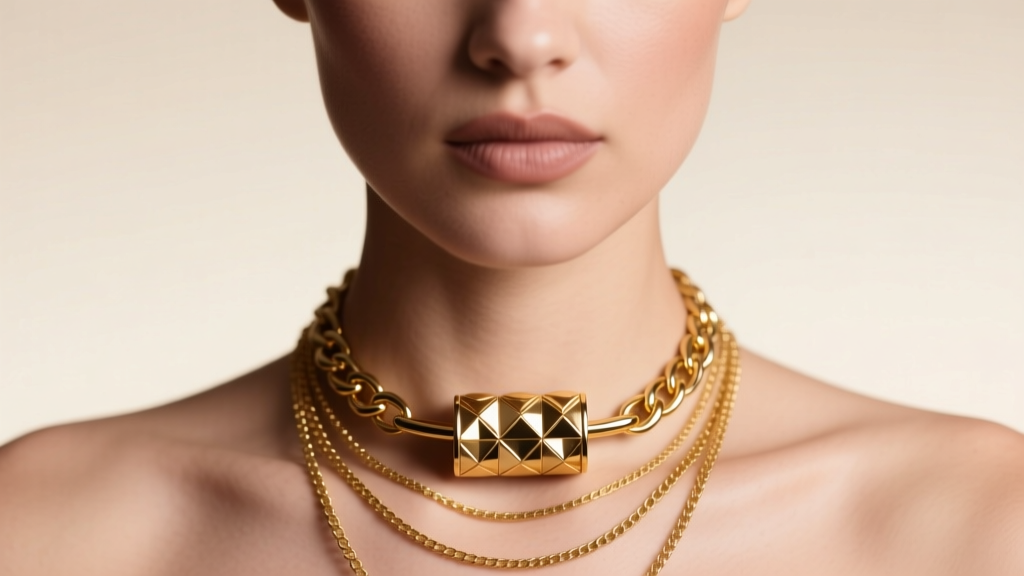
For decades, the jewelry industry treated the clasp as an afterthought—a purely functional mechanism meant to be hidden at the nape of the neck. However, the 2026 layering landscape has completely inverted this paradigm. Today, the necklace stack clasp is no longer just a closure; it is the structural and visual anchor of the entire stack. As layering has evolved from delicate, barely-there chains to intentional, mixed-metal, and mixed-texture compositions, the hardware holding these pieces together has stepped into the spotlight.
According to trend analyses by Vogue, the modern consumer views jewelry as modular. A prominent, front-facing clasp allows the wearer to alter the drape, swap out pendants, and secure heavier chains without compromising the aesthetic. This shift requires a deeper understanding of metallurgy, mechanical engineering, and visual weight distribution.
2026 Trend Report: Top Necklace Stack Clasp Styles
Multi-Strand Converter Clasps
The multi-strand slide or barrel converter is the backbone of the modern stack. These clasps feature multiple O-rings or loops on a single, secure locking mechanism, allowing you to attach two to four individual chains into one unified neckline. In 2026, the trend leans toward textured, diamond-cut barrels in 14k yellow gold, which act as a decorative bead when worn at the front of the neck. Pro Tip: Ensure the converter's total gram weight is at least 15% heavier than the combined weight of the chains to prevent the clasp from flipping backward.
Front-Facing Toggles and Bayonets
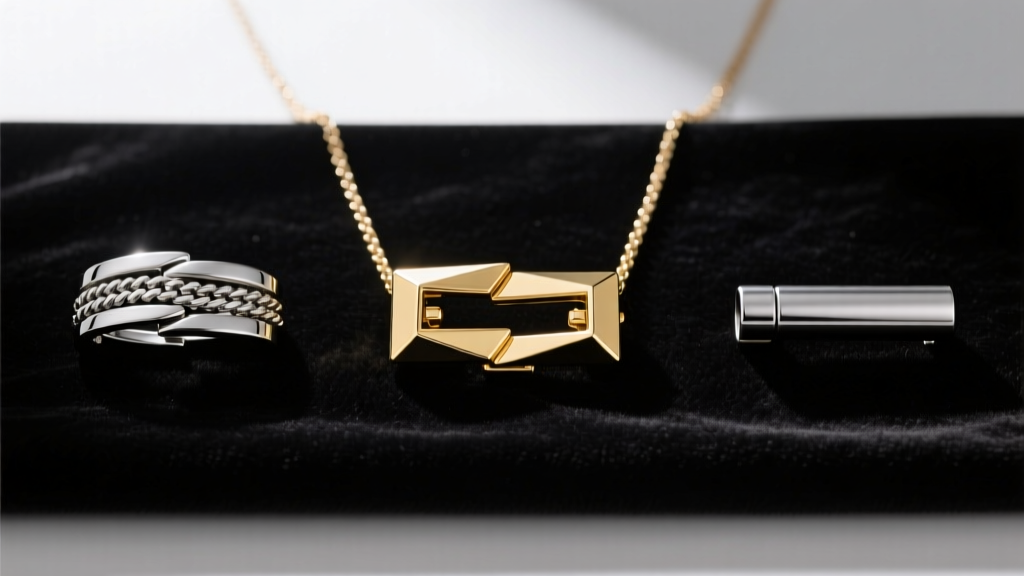
Toggles have transitioned from bohemian staples to high-end architectural elements. The 2026 iteration features micro-paved diamond bars and geometric, brushed-finish rings. Similarly, bayonet clasps—which lock via a twist-and-click internal mechanism—offer a seamless, invisible closure that looks like a continuous link in a rope or box chain, perfect for minimalist stacks where the hardware should blend in.
Magnetic and Convertible Smart Clasps
Magnetic clasps have shed their reputation as cheap alternatives. High-end jewelers are now housing N52-grade neodymium magnets inside 316L stainless steel or solid 18k gold tubes. These provide up to 12 pounds of pull force, easily supporting heavy pendant stacks while offering effortless, one-handed operation.
Material and Mechanics: A Technical Breakdown
Choosing the right necklace stack clasp requires matching the metallurgy and mechanics to the specific chain gauge and weight. A delicate 18-inch cable chain requires vastly different hardware than a 20-inch, 4mm Cuban link. Below is a technical framework for selecting the appropriate clasp based on chain specifications.
| Clasp Type | Best Chain Weight/Gauge | Ideal Material Grade | Price Range (Solid 14k) | Primary Failure Mode |
|---|---|---|---|---|
| Lobster Claw (Standard) | Up to 2.5mm width / 1-3 grams | 14k Gold (Alloy hardness aids spring tension) | $85 - $150 | Internal steel spring fatigue after ~10k actuations |
| Multi-Strand Barrel | Up to 4x 2mm chains / 15-25g total | 14k or 18k Gold with reinforced internal threading | $300 - $650 | Thread stripping if cross-threaded during closure |
| Toggle (Ring & Bar) | Heavy chains 4mm+ / 25g+ | 18k Gold (Requires high density for the bar) | $250 - $500 | Bar slipping through ring if bar is < 1.5x ring diameter |
| Magnetic Tube | Medium chains 2-3mm / 8-15g | 18k Gold shell with N52 Neodymium core | $180 - $350 | Demagnetization if exposed to high heat (>80°C) |
As noted by jewelry manufacturing experts at Rio Grande, the purity of the gold directly impacts clasp durability. While 18k gold (75% pure) offers a richer color and higher density, 14k gold (58.5% pure) contains more copper and zinc, making it significantly harder and more resilient for moving parts like spring rings and lobster levers.
The 3-Point Framework for Building a Clasp-Forward Stack
To successfully integrate a decorative necklace stack clasp into your daily rotation, follow this structural framework:
- Visual Anchoring: If your clasp is highly decorative (e.g., a diamond-encrusted slide), wear it slightly off-center at the collarbone rather than dead-center. This creates an asymmetrical, editorial look that feels intentional rather than rigid.
- Gauge Matching: The diameter of the clasp's jump rings must perfectly match the wire gauge of your chain. Forcing a 1.2mm rope chain onto a 3mm O-ring creates excessive friction, leading to premature wear on the chain's end links. Use intermediary jump rings sized exactly 0.2mm larger than the chain wire.
- Weight Distribution: When using a multi-strand clasp, graduate your chain lengths by exactly 1.5 to 2 inches (e.g., 16", 17.5", 19"). This ensures the chains lay flat against the clavicle and prevents the heavier, longer chain from pulling the lighter chains out of alignment.
Troubleshooting Common Clasp Failure Modes
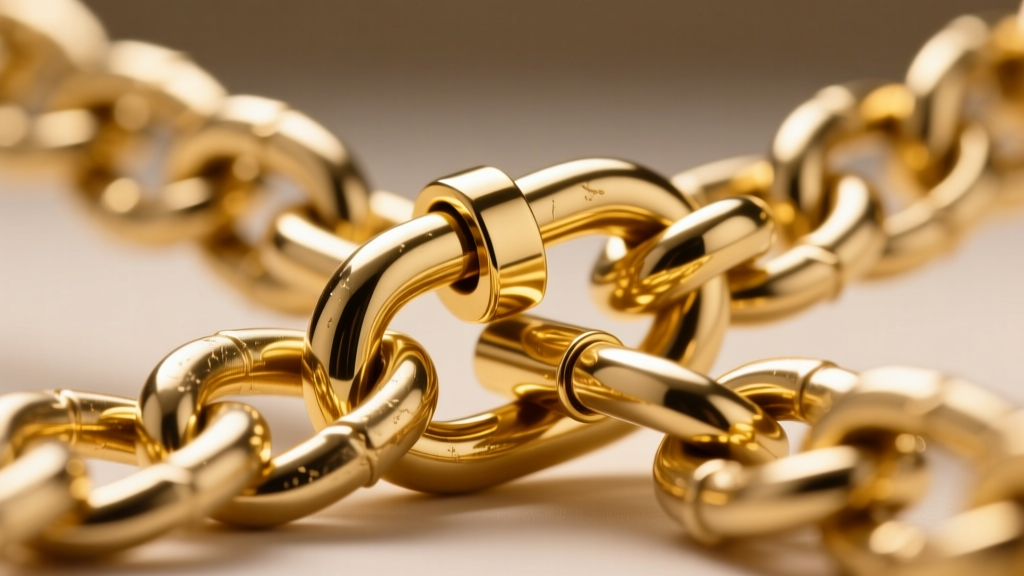
Even the most expensive hardware will fail if subjected to the wrong mechanical stress. Understanding these failure modes will save you from losing a cherished pendant stack.
The Magnet Slip
Magnetic clasps rely on magnetic flux density. Leaving your jewelry on a car dashboard in the summer or near high-heat styling tools can permanently demagnetize N52 cores. If your magnetic clasp begins to slip, it cannot be re-magnetized; the core must be replaced by a jeweler.
Toggle Swing and Snagging
A toggle clasp requires a specific ratio to function safely. The bar must be at least 1.5 times the width of the inner diameter of the ring. If a heavy pendant pulls the chain taut, it can fold the bar inward, allowing it to slip through the ring. Always test a toggle by pulling the chain firmly in opposite directions before wearing it out.
Spring Ring Tension Loss
The tiny internal spring in a standard spring ring or lobster clasp is usually made of stainless steel, even in solid gold jewelry. Over time, skin oils, lotions, and sweat can seep into the microscopic seam of the clasp, causing the spring to corrode and lose tension. Flush your lobster clasps monthly with isopropyl alcohol and a soft brush to remove lipid buildup.
Final Thoughts on Intentional Layering
The modern necklace stack clasp is a triumph of form meeting function. By treating your clasps as modular design elements rather than mere fasteners, you unlock a new tier of styling versatility. Whether you opt for the architectural click of a bayonet, the effortless pull of a neodymium magnet, or the classic weight of a gold toggle, understanding the mechanics behind the metal ensures your stack remains as secure as it is stylish. For further education on jewelry mechanics and metal grades, the Gemological Institute of America (GIA) offers excellent foundational resources on jewelry findings and metallurgy.


