Fixing Common Stainless Steel Paperclip Necklace Problems
Learn how to troubleshoot, repair, and maintain your stainless steel paperclip necklace. Expert fixes for stretching, rust, and clasps.

The Mechanics and Vulnerabilities of Paperclip Chains
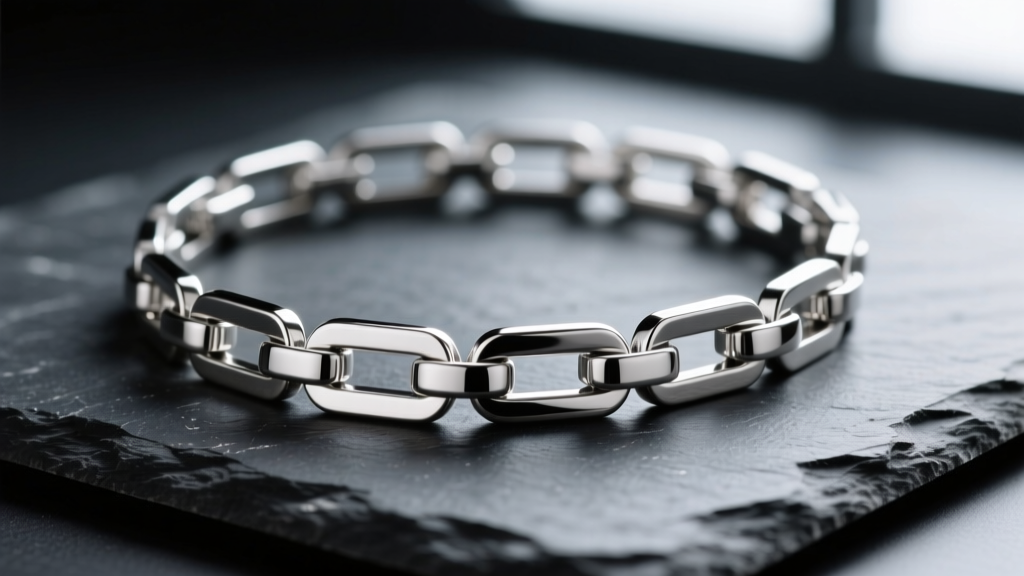
The stainless steel paperclip necklace has become a ubiquitous staple in modern jewelry layering, prized for its industrial-chic aesthetic and lightweight drape. However, the very geometry that makes the paperclip chain visually appealing—elongated, flat rectangular links—also introduces unique structural vulnerabilities. Unlike traditional cable or curb chains where stress is distributed evenly across rounded links, the paperclip design concentrates tensile stress at the narrow, curved ends of each rectangle. When combined with aggressive cost-cutting in mass manufacturing, this leads to a host of frustrating issues: warped links, mysterious rust spots, and catastrophic clasp failures.
As jewelry professionals, we see these specific failure modes daily. Whether you are dealing with a high-end 316L surgical steel piece or a fast-fashion accessory, understanding the metallurgy and physics of your chain is the first step toward effective troubleshooting. Below, we break down the exact reasons your stainless steel paperclip necklace is failing and provide actionable, bench-level solutions to fix them.
Diagnostic Matrix: Identifying Your Chain's Failure Point
Before reaching for your jewelry pliers, accurately diagnose the issue. Use this troubleshooting matrix to pinpoint the exact failure mode of your paperclip chain.
| Symptom | Root Cause | Actionable Fix |
|---|---|---|
| Links pulling apart or warping | Wire gauge too thin (under 1.2mm) for the link width | Use nylon-jaw pliers to pinch links shut; avoid heavy pendants |
| Orange/brown surface spots | Free iron contamination or inferior 304 steel grade | Passivate with a 5% citric acid solution to restore the oxide layer |
| Clasp popping open unexpectedly | Lever effect from flat links prying unsoldered jump rings | Upgrade to soldered jump rings or install a secure box clasp |
| Catching or pulling hair | Micro-burrs on flat link edges from dull stamping dies | Tumble polish or apply a micro-crystalline jewelry wax coating |
Issue 1: Link Stretching and Structural Warping
The Gauge-to-Width Ratio Problem
The most common complaint with paperclip chains is link stretching. This occurs when the wire gauge is disproportionately thin relative to the overall width of the link. For a standard 4mm wide paperclip link, the wire thickness must be at least 1.29mm (16-gauge) to withstand normal wear and tear. Many mass-market brands use 20-gauge (0.81mm) or even 22-gauge wire to reduce material costs. When a 20-gauge link catches on a sweater, the tensile force easily exceeds the yield strength of the steel, permanently elongating the rectangle into an oval.
How to Repair Stretched Links
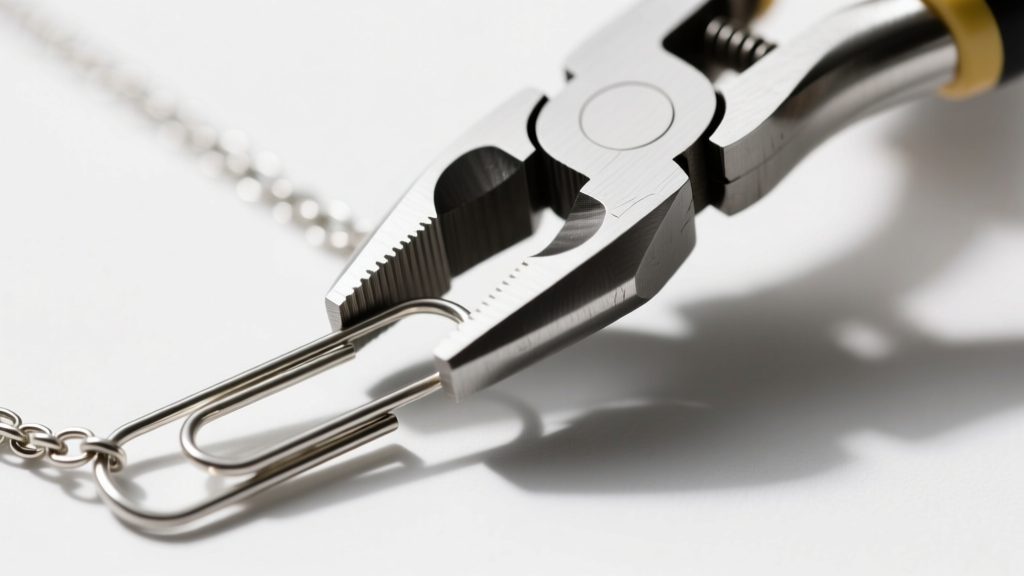
If your chain has suffered minor stretching, you can often salvage it using the right tools. Never use standard steel-jawed flat-nose pliers directly on the chain, as the hardened steel jaws will mar the polished surface of the stainless steel, creating deep scratches that trap dirt and moisture.
- Step 1: Acquire a pair of nylon-jaw pliers or wrap the tips of your flat-nose pliers in heat-shrink tubing or painter's tape.
- Step 2: Isolate the warped link. Grip the elongated sides gently but firmly.
- Step 3: Apply slow, even pressure to squeeze the link back into its rectangular geometry. Do not over-compress, as work-hardening the stainless steel can make it brittle and prone to snapping.
- Step 4: Inspect the closed seam of the link. If the seam has gapped open, use chain-nose pliers to twist the link closed laterally, rather than pinching it flat.
Issue 2: The 'Rust' Myth and Surface Contamination
Stainless steel is famously resistant to corrosion, so finding orange rust spots on your paperclip necklace can be alarming. To understand why this happens, we must look at the metallurgy. According to materials science data from AZoM, true jewelry-grade stainless steel is 316L (marine/surgical grade), which contains 2-3% molybdenum to prevent chloride-induced pitting from human sweat. However, many cheaper chains are stamped from 304 stainless steel, which lacks molybdenum and will rust in high-humidity environments.
Expert Insight: Even genuine 316L chains can develop rust spots if they suffer from 'free iron contamination' during manufacturing. If the factory uses carbon steel tumbling media or stamping dies, microscopic iron particles embed into the stainless steel surface. These embedded particles rust, creating the illusion that the chain itself is corroding.
The Passivation Solution
To remove surface rust and restore the protective chromium oxide layer, you must passivate the metal. You can do this at home or on the jeweler's bench:
- Mix a 5% to 10% solution of food-grade citric acid and distilled water.
- Submerge the cleaned stainless steel paperclip necklace in the solution at room temperature for 30 to 45 minutes.
- Remove the chain, rinse thoroughly with distilled water, and dry immediately with a microfiber cloth.
- The citric acid dissolves the free iron particles without attacking the stainless steel, leaving a pristine, corrosion-resistant surface. For professional-grade passivation solutions, check suppliers like Rio Grande.
Issue 3: Clasp and Jump Ring Failures
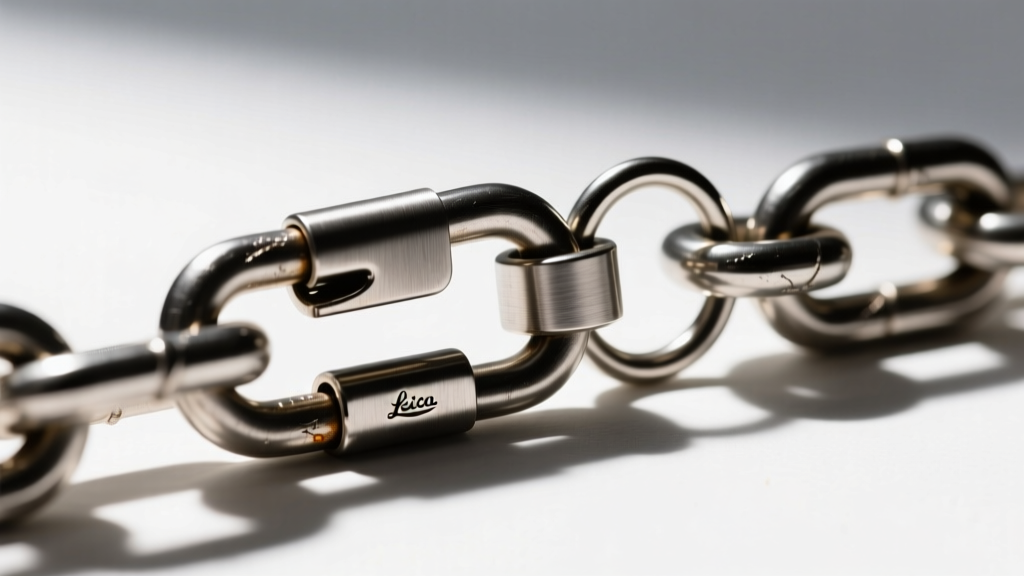
Paperclip chains are notorious for destroying standard lobster clasps and jump rings. This is not necessarily due to poor clasp quality, but rather the physics of the chain's design. The elongated, flat links act as levers. When the chain is pulled or caught, the rigid flat edge of the paperclip link wedges against the jump ring connecting the clasp, applying immense outward prying force. An unsoldered jump ring will easily spiral open, dropping the necklace.
Upgrading the Terminal Hardware
To permanently solve clasp failure on a stainless steel paperclip necklace, you must eliminate the prying mechanism. Replace the standard split ring or unsoldered jump ring with a soldered jump ring or a solid O-ring. Because stainless steel requires TIG welding or specialized laser welding to solder (traditional silver or gold solder will not bond to it), you may need to send the piece to a specialist laser welder. Alternatively, swap the lobster clasp entirely for a stainless steel box clasp with a figure-eight safety, which integrates directly into the terminal links without requiring a vulnerable jump ring bridge.
Preventative Maintenance Framework
Once you have repaired the structural and hardware issues, implement this maintenance framework to ensure the longevity of your paperclip chain:
- Friction Management: If layering your paperclip chain with softer metals like gold vermeil or sterling silver, be aware that the hardness of stainless steel (Mohs 5.5-6.3) will act as an abrasive file, stripping the plating off softer chains. Always use a silicone necklace spacer or keep them at vastly different lengths.
- Chemical Avoidance: While 316L steel resists sweat, it is highly vulnerable to halogens. Remove the necklace before swimming in chlorinated pools or using bleach-based household cleaners, as chlorine attacks the chromium oxide layer rapidly.
- Storage Protocol: Store the necklace flat or hung vertically. Coiling a paperclip chain tightly into a small jewelry box forces the rectangular links to bend against their natural axis, leading to micro-fractures at the weld points over time.
By understanding the specific mechanical and chemical vulnerabilities of the stainless steel paperclip necklace, you can transition from replacing broken chains to expertly maintaining and repairing them for a lifetime of wear.


