Snake Necklace Sterling Silver: Troubleshooting Kinks & Tarnish
Fix kinks, tarnish, and clasp issues on your sterling silver snake necklace. Expert troubleshooting tips for 925 silver chain repair and daily care.

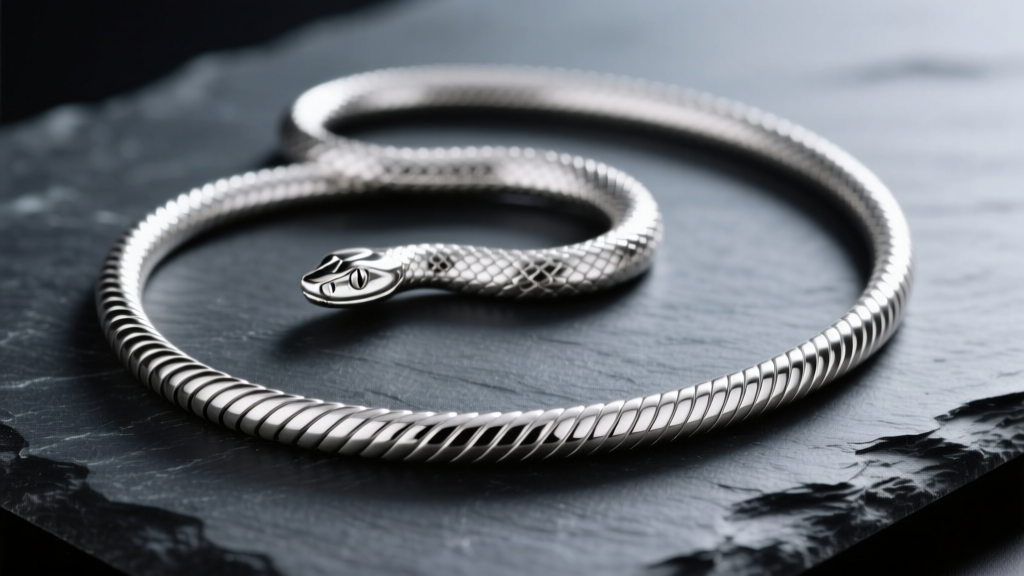
The sleek, liquid-metal drape of a snake chain is unparalleled in the world of jewelry. However, when you invest in a snake necklace sterling silver piece, you are combining a structurally complex chain design with a reactive precious metal alloy. Sterling silver (925) is prized for its brilliant luster, but its 7.5% copper content makes it highly susceptible to sulfur-induced tarnishing. When you trap that tarnish inside the microscopic, interlocking cups of a snake chain, routine maintenance becomes a significant challenge.
As a jewelry specialist, I frequently see 925 silver snake chains returned for severe kinking, localized tarnish, and clasp failures. This comprehensive troubleshooting guide will walk you through the exact metallurgical and mechanical failure modes of these necklaces, providing actionable, expert-level solutions to restore and protect your investment.
The Anatomy of a Kink: Why Snake Chains Bend and Break
Unlike cable or curb chains, which consist of individual oval links with generous movement tolerances, a snake chain is constructed from tightly interlocking metal cups or rings that form a continuous, flexible tube. This design creates a beautiful, snag-free surface, but it introduces a critical vulnerability: memory kinks.
A memory kink occurs when the chain is folded sharply against itself. The interlocking cups are forced out of their circular alignment and crush into one another. Once the metal yields, the chain loses its structural integrity at that exact point, leading to a stiff, jagged bend that catches on clothing and eventually snaps.
Step-by-Step Kink Remediation
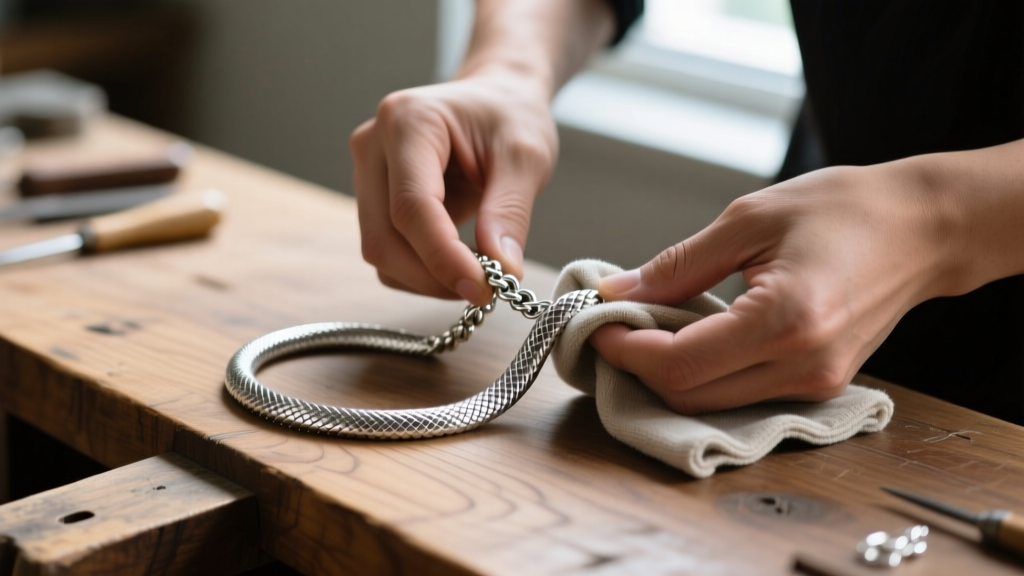
If your snake necklace sterling silver chain has developed a kink, never pull it taut. Tension will lock the crushed cups together permanently. Instead, use the jeweler's rolling method:
- Isolate the Kink: Lay the necklace flat on a clean, soft microfiber cloth on a hard surface.
- Apply Gentle Pressure: Using a smooth, cylindrical object (like a polished wooden dowel or a clean glass test tube), gently press down on the kinked area.
- Roll and Massage: Roll the cylinder back and forth over the kink with light, even pressure. The goal is to encourage the crushed metal cups to pop back into their circular alignment without stretching the surrounding links.
- Flex the Chain: Once the visible bend is reduced, gently flex the chain side-to-side (never fold it) to loosen any remaining internal friction.
Diagnosing Rhodium Plating Wear-Off
Many premium sterling silver snake chains are flash-plated with rhodium to provide a bright, white-gold-like finish and a barrier against tarnish. However, snake chains experience high friction against the skin and clothing. Over time, the rhodium layer wears away, particularly near the clasp and the lower nape of the neck.
When the underlying 925 silver is exposed, it will tarnish at an accelerated rate compared to the still-plated sections, resulting in a patchy, yellowish-gray appearance. The Solution: You cannot polish away tarnish on a rhodium-plated chain without removing more plating. The necklace must be professionally re-rhodium plated by a bench jeweler, a process that typically costs between $35 and $60 depending on the chain's thickness.
Deep Cleaning: Removing Tarnish from Micro-Crevices
Because snake chains lack open links, polishing cloths only clean the outer surface. The microscopic gaps between the cups trap skin oils, lotions, and sulfur, leading to deep, black oxidation that a jeweler's rouge cannot reach. According to the Gemological Institute of America (GIA), chemical reduction is the safest way to remove heavy tarnish from intricate silver designs without abrasive damage.
Comparing Silver Cleaning Methods for Snake Chains
| Cleaning Method | Mechanism | Risk Level | Best Use Case |
|---|---|---|---|
| Electrochemical Bath (Foil + Baking Soda) | Chemical reduction; aluminum draws sulfur away from silver. | Low | Heavy, black tarnish trapped deep inside the chain links. |
| Commercial Silver Dips (Thiourea-based) | Acidic stripping of silver sulfide. | Medium | Quick maintenance, but requires thorough rinsing to prevent acid residue. |
| Ultrasonic Cleaners | High-frequency cavitation bubbles dislodge dirt. | High | Avoid for antiqued/oxidized snake chains; will strip intentional dark patinas. |
| Jeweler's Polishing Cloth | Mild abrasive and chemical tarnish inhibitors. | Very Low | Routine surface maintenance and restoring outer shine. |
The Electrochemical Reduction Bath Protocol
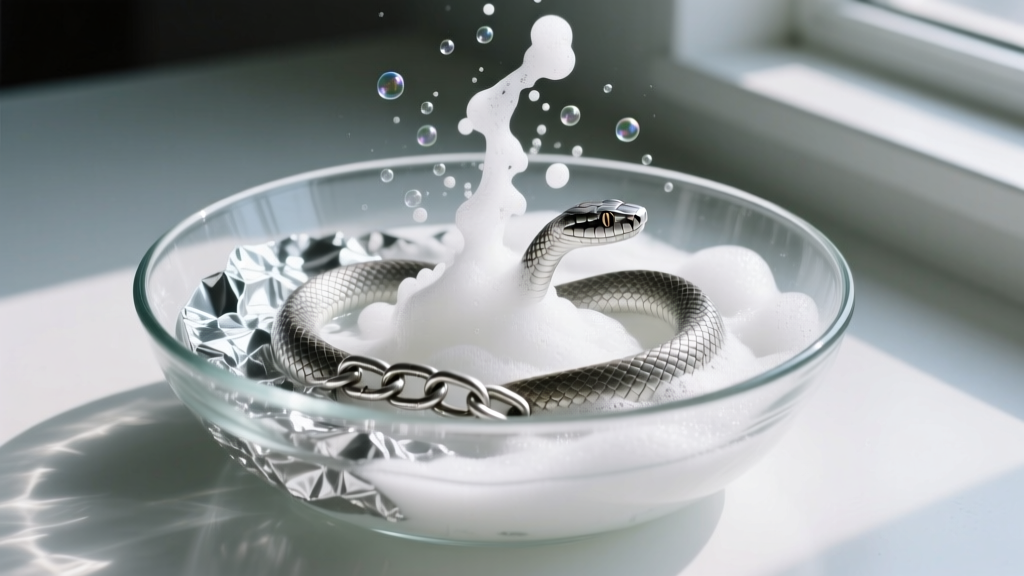
To safely extract tarnish from the tight crevices of your snake necklace sterling silver chain, follow this precise methodology:
- Line a glass bowl with aluminum foil, shiny side up.
- Place the tarnished silver chain directly on the foil (the silver must physically touch the aluminum).
- Sprinkle 2 tablespoons of baking soda and 1 teaspoon of salt over the chain.
- Pour boiling water into the bowl until the chain is fully submerged. You will immediately see bubbling and smell a faint sulfur (rotten egg) odor.
- Let it sit for 3 to 5 minutes. The aluminum, being more reactive than silver, sacrifices itself to pull the sulfur atoms away from the silver sulfide.
- Remove the chain with plastic tongs, rinse thoroughly with distilled water, and pat completely dry with a lint-free cloth.
The 'Green Skin' Phenomenon: Copper Oxidation
A frequent complaint with 925 silver snake necklaces is the green or black discoloration left on the collarbone. This is not an allergic reaction, nor does it mean the silver is fake. It is a direct result of the 7.5% copper alloy reacting with the acidity, sweat, and cosmetics on your skin. Because a snake chain sits flush and heavy against the skin, it traps moisture and limits airflow, accelerating this copper oxidation.
Troubleshooting Steps:
- Barrier Method: Apply a thin coat of clear, jewelry-safe lacquer or even clear nail polish to the underside of the chain and the clasp. Reapply every few months.
- Moisture Control: Never wear a sterling silver snake chain while exercising, swimming, or applying lotions. The combination of chlorides and moisture creates a highly corrosive environment for the copper alloy.
- Upgrade to Argentium: If you are commissioning a custom piece or replacing a chain, seek out Argentium 935 silver. It replaces some of the copper with germanium, making it highly resistant to both tarnish and skin discoloration.
Clasp and Jump Ring Diagnostics
The structural weight of a solid sterling silver snake chain places immense stress on its findings. The standard lobster clasp attached via a split jump ring is the most common point of failure.
Expert Insight: Never use a standard split jump ring on a heavy snake chain. The tension of the tubular chain can easily pry a split ring open, leading to catastrophic loss. Always ensure your bench jeweler uses a soldered jump ring or a heavy-duty seamless ring to connect the clasp to the chain's end cap.
If your necklace utilizes a barrel clasp (a threaded screw-together mechanism common on thicker snake chains), cross-threading is a major risk. Always align the threads carefully and stop turning immediately if you feel resistance. Forcing a cross-threaded sterling silver barrel clasp will strip the soft silver threads, rendering the clasp useless and requiring a complete soldering replacement.
Preventative Storage and Daily Care
Proper storage is non-negotiable for snake chains. Because they possess 'memory,' storing them in a tangled pile guarantees kinks. The Jewelers of America organization emphasizes that silver must be kept away from ambient sulfur and humidity.
- Hang, Don't Pile: Always hang your snake necklace sterling silver piece on a padded jewelry stand or a velvet-lined hook.
- Anti-Tarnish Strips: Store the necklace in an airtight polyethylene bag with a 3M anti-tarnish strip. These strips absorb airborne sulfur compounds before they can reach the copper in your silver.
- Avoid Rubber and Latex: Never store silver near rubber bands or latex gloves. The sulfur used in the vulcanization of rubber will cause rapid, severe blackening of the silver chain.
By understanding the unique mechanical and chemical properties of the snake necklace sterling silver design, you can move beyond frustration and implement professional-grade care routines. Treat the chain with mechanical respect, utilize electrochemical cleaning for deep tarnish, and your 925 silver piece will maintain its liquid-metal drape for a lifetime.


