How to Untangle and Fix a Multi Strand Black Bead Necklace
Learn how to untangle, restring, and troubleshoot common clasp and bead issues with your favorite multi strand black bead necklace.

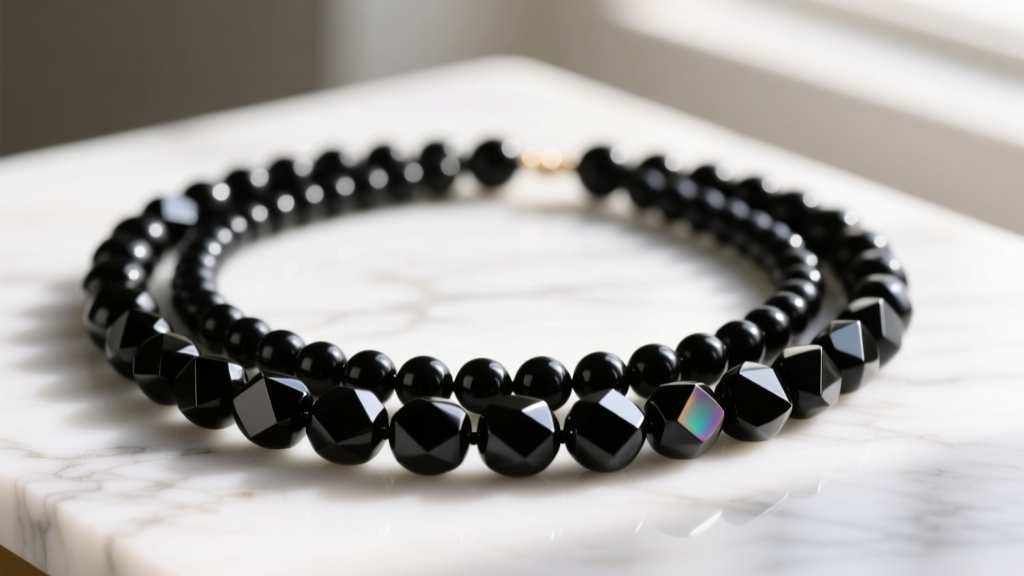
A multi strand black bead necklace is a cornerstone of versatile jewelry styling, offering a bold, textured aesthetic that transitions seamlessly from daytime office wear to evening elegance. However, the very design that makes these pieces so striking—multiple independent strands of heavy stone or glass beads—also makes them notoriously prone to severe tangling, hardware fatigue, and bead degradation. As of 2026, the market is flooded with both high-quality natural onyx and mass-produced dyed alternatives, each presenting unique maintenance challenges. If your favorite piece has become a knotted mess or is suffering from failing clasps, this comprehensive troubleshooting guide will help you restore it to its original glory.
The Physics of Multi-Strand Tangling
Before attempting to fix a tangled multi strand black bead necklace, it is crucial to understand why the tangling occurs in the first place. Tangling is rarely a result of mere carelessness; it is driven by physics. When a necklace features three or more strands, friction between the beads causes them to twist around one another. This is exacerbated if the strands lack a proper length differential. A professionally designed three-strand necklace should have a minimum 1.5-inch to 2-inch difference between the shortest (inner) strand and the longest (outer) strand. If the strands are cut to nearly identical lengths, the beads will constantly compete for the same physical space at the neckline, forcing them to wrap and knot.
Furthermore, the shape of the beads plays a massive role. Perfectly round, polished beads have a low coefficient of friction and glide past one another. Conversely, faceted beads, baroque (irregular) shapes, or matte-finished stones create microscopic catch points that lock strands together when subjected to the kinetic movement of walking or dancing.
The Professional Untangling Protocol
When your necklace inevitably knots, resist the urge to pull at the strands. Tension only tightens the knots and can snap the internal beading wire or silk thread. Instead, follow this jeweler-approved untangling method:
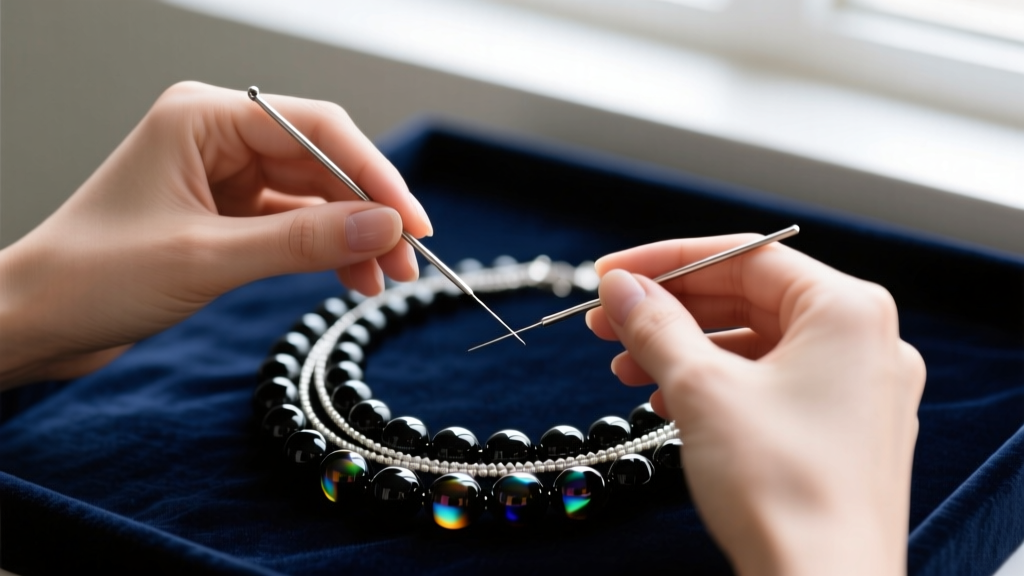
- Prep the Surface: Lay the necklace flat on a dark, non-slip surface like a velvet jewelry pad or a microfiber cloth. This provides contrast to see the black beads clearly and prevents them from sliding.
- Apply a Dry Lubricant: Never use oil or liquid lubricants, as these can degrade porous stones or ruin the finish of dyed beads. Instead, generously dust the knotted area with talc-free baby powder or fine cornstarch. This reduces surface friction between the beads.
- Use the Right Tools: Discard your fingers and safety pins. You need two size 10 beading needles or fine tapestry needles. The slender, flexible tips can slip between tightly compressed beads without scratching them.
- Work from the Outside In: Insert the needles into the outermost loops of the knot. Gently wiggle them to loosen the tension, then slowly tease the outer strands away from the center core of the knot. Repeat this process, working your way inward until the strands separate.
Hardware Failure: Upgrading Your Clasp
A common issue with multi strand black bead necklaces is the frequent failure of the clasp or the jump rings connecting the strands. Stone beads are heavy; a standard three-strand onyx necklace can easily weigh between 80 and 150 grams. Many manufacturers mistakenly equip these heavy pieces with standard 10mm spring ring clasps, which are mechanically rated for a maximum of 40 grams. Over time, the internal spring mechanism fatigues, or the unsoldered gap in the jump ring pulls apart under the weight.
To troubleshoot and permanently fix this, you must upgrade the hardware. Below is a structural guide to selecting the correct clasp based on the weight of your necklace:
| Clasp Type | Max Weight Capacity | Best Application |
|---|---|---|
| 10mm Spring Ring | 40g | Single, lightweight strands only |
| 15mm Lobster Claw | 90g | 2-strand medium bead necklaces |
| Magnetic Tube | 120g | 3-strand necklaces (requires high-grade neodymium) |
| Multi-Strand Slide | 200g+ | 3 to 5-strand heavy onyx necklaces |
Pro Tip: Always ensure the jump rings connecting your multi-strand necklace to the clasp are soldered shut. An unsoldered jump ring will eventually distort into an oval shape under the continuous downward pull of heavy black beads, leading to catastrophic loss of the piece.
Material Troubleshooting: Dyed vs. Natural Onyx
One of the most frequent complaints regarding black bead necklaces is skin discoloration—waking up to find a gray or black smudge on your collarbone. This is a clear indicator of material misrepresentation. According to the GIA Gem Encyclopedia, genuine black onyx is relatively rare and expensive. The vast majority of affordable "black onyx" on the market is actually gray agate or white howlite that has been heavily dyed or treated with a black sugar-and-acid carbonization process.
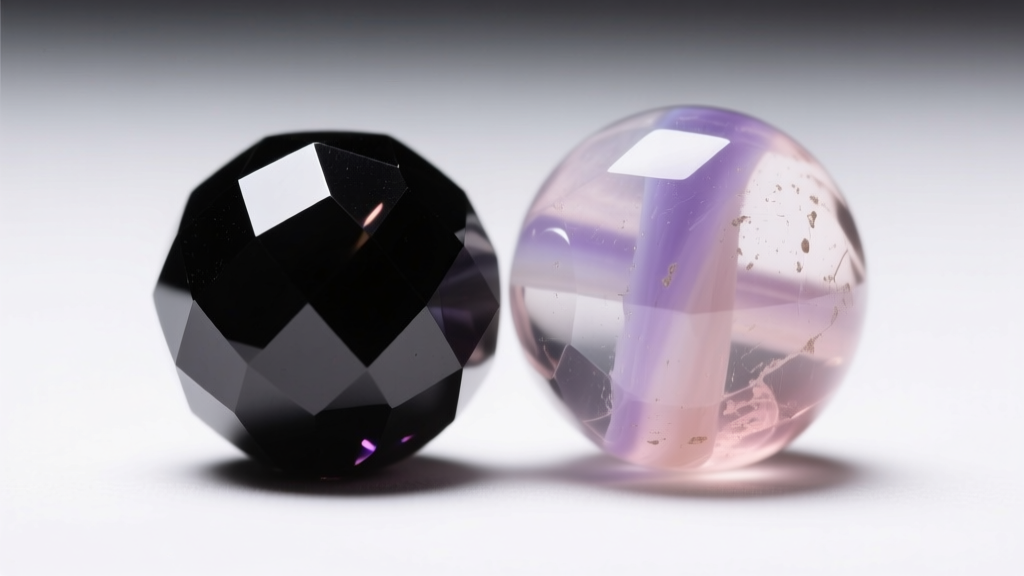
If your beads are leaving marks, the surface dye is degrading due to contact with the natural oils, sweat, and pH levels of your skin, as well as exposure to perfumes and lotions. To troubleshoot this, perform an acetone test: dip a cotton swab in pure nail polish remover (acetone) and rub it vigorously on an inconspicuous bead near the clasp. If the swab turns black, the stone is surface-dyed. Unfortunately, once a dyed bead begins to leach color, the structural integrity of the dye job is compromised. The only permanent fix is to restring the necklace using genuine, untreated black onyx, black tourmaline, or high-quality opaque black glass beads, which are completely colorfast.
Restringing Heavy Beads: Wire Gauges and Crimps
If the internal stringing material of your multi strand black bead necklace has snapped, do not attempt to restring heavy stone beads on silk or nylon thread. The sharp, microscopic edges of drilled stone holes will act like tiny saws, cutting through organic threads within months. For a permanent repair, you must use modern beading wire.
Consulting resources like the Fire Mountain Gems Jewelry Making Encyclopedia, the industry standard for heavy stone beads is a 49-strand stainless steel beading wire coated in nylon. For beads with hole sizes of 1mm or larger, select a 0.024-inch (0.6mm) gauge wire. This thickness provides the necessary tensile strength to support the weight of multiple strands without kinking.
When finishing the ends, avoid cheap base-metal crimp beads, which can flatten unevenly and slip. Instead, use 2x2mm sterling silver or gold-filled crimp tubes. Use a specialized crimping plier to fold the tube into a U-shape and then compress it into a neat, rounded bead. This ensures the wire is locked securely inside the tube, distributing the tension evenly and preventing the wire from sawing through the metal over time.
Preventative Storage and Maintenance
Once your multi strand black bead necklace is untangled, repaired, and properly restrung, preventative storage is vital to avoid repeating the process. Never toss a multi-strand piece loosely into a jewelry box. The kinetic friction of other pieces will guarantee a knot.
Instead, store the necklace fully fastened, laid perfectly flat in a dedicated, fabric-lined compartment. If you must travel with it, thread the necklace through a plastic drinking straw (for the shorter strands) or use a specialized jewelry roll that features individual snap-down velvet straps to keep each strand isolated and taut. By understanding the mechanics of your jewelry and investing in the correct hardware and stringing materials, your multi-strand necklace will remain a flawless, tangle-free staple in your collection for decades.


