How to Choose and Style a Real Gold Name Plate Necklace
Learn how to select, customize, and style a real gold name plate necklace. Expert tips on karats, chain types, fonts, and layering techniques.

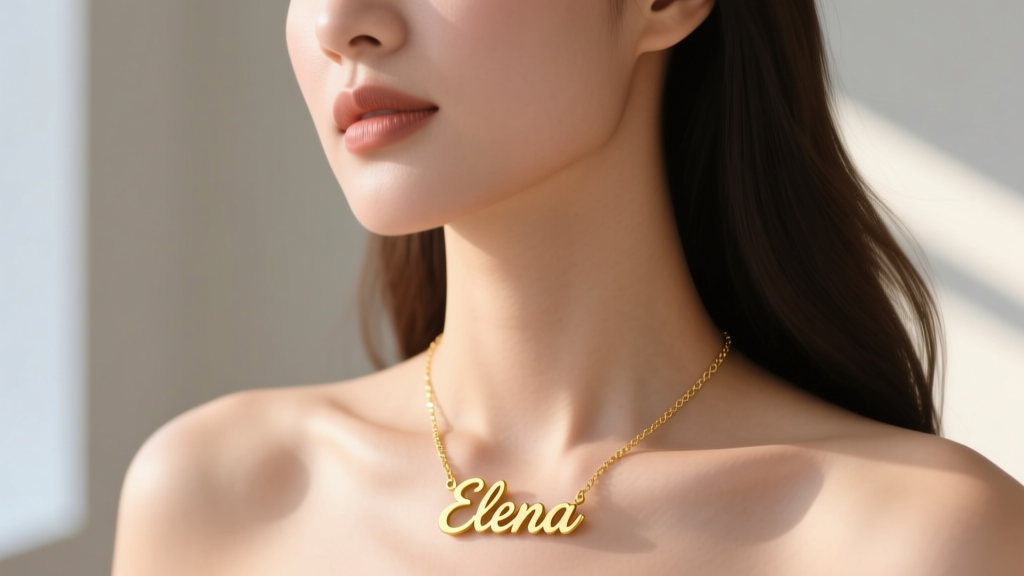
A custom piece of jewelry is more than just an accessory; it is a wearable piece of identity. The real gold name plate necklace has transcended decades of pop culture and streetwear trends to become a permanent staple in fine jewelry collections. However, the difference between a flimsy, mass-produced pendant and a high-quality, heirloom-grade nameplate comes down to precise manufacturing details, material science, and structural engineering. This step-by-step guide will walk you through exactly how to commission, size, and style a piece that will last a lifetime.
The Anatomy of a Custom Nameplate: Karat Selection
When investing in solid gold, the karat weight dictates not only the color and price but, more importantly, the tensile strength of the metal. According to the Gemological Institute of America (GIA), pure 24k gold is far too malleable for a nameplate, which requires rigidity to maintain its shape when suspended from a chain. Here is how the most common karat options perform in custom jewelry manufacturing:
| Gold Karat | Purity | Durability & Rigidity | Best Use Case |
|---|---|---|---|
| 10k Gold | 41.7% | Highly durable, but prone to brittleness and lacks rich color. | Budget-friendly pieces, highly active lifestyles. |
| 14k Gold | 58.3% | The industry sweet spot. Excellent rigidity, resists bending and warping. | Everyday wear, intricate script fonts, longer names. |
| 18k Gold | 75.0% | Rich, buttery color. Softer than 14k, requires thicker plate gauges. | Luxury statements, shorter names, special occasion wear. |
| 22k Gold | 91.6% | Very soft. High risk of the letters bending or chain tabs snapping. | Not recommended for structural nameplates. |
Expert Recommendation: For a real gold name plate necklace, 14k gold is the superior choice for structural integrity. If you prefer the deeper yellow hue of 18k gold, you must instruct your jeweler to increase the metal gauge (thickness) of the plate to compensate for the softer alloy.
Step 1: Selecting the Font and Structural Connections
The typography of your nameplate dictates its structural viability. Modern custom jewelers use CAD/CAM 3D modeling or precision laser cutting to shape the gold. However, the physical connections between the letters are where most poorly made necklaces fail.
The Connectivity Rule
In a classic cursive or script font, the letters naturally flow into one another, creating a continuous, self-supporting web of metal. If you choose a block, Old English, or minimalist sans-serif font, the letters are physically detached. To prevent the pendant from collapsing, the jeweler must solder a hidden horizontal "backing bar" across the back of the letters. When reviewing a CAD proof or a physical mockup, ensure this backing bar is at least 1.2mm thick and seamlessly integrated.
Edge Tumbling and Finishing
Laser-cut gold leaves microscopic burrs and sharp edges. A high-end manufacturer will subject the raw nameplate to a tumbling process with steel shot or ceramic media. This not only smooths the edges so they do not snag on delicate fabrics but also compresses the surface of the gold, slightly increasing its hardness and creating a superior base for high-polish finishing.
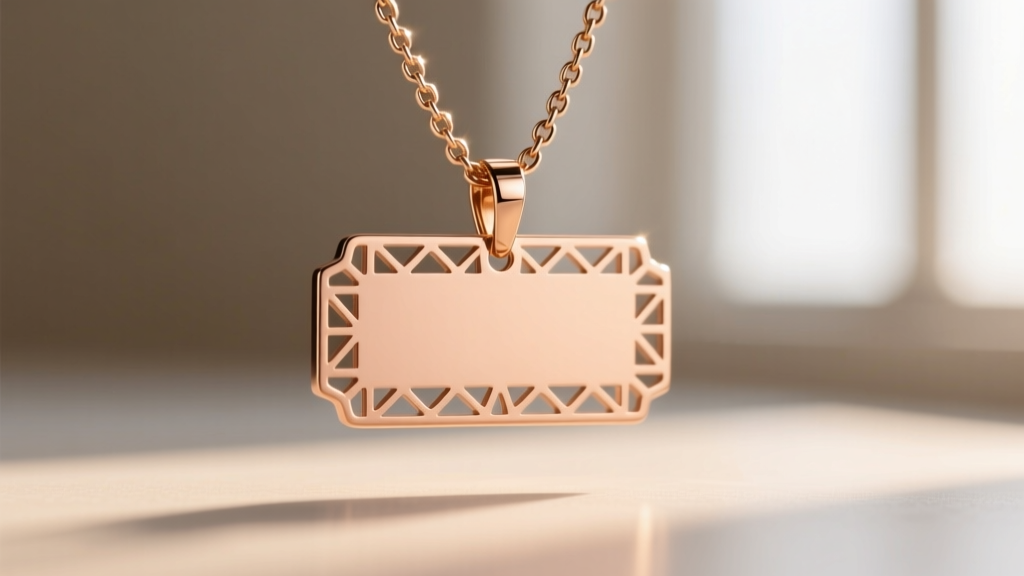
Step 2: Choosing the Right Chain and Clasp Hardware
A common mistake is pairing a heavy, solid gold nameplate with a delicate, lightweight chain. The pendant acts as a pendulum, placing immense localized stress on the chain links and the clasp.
Chain Styles Ranked by Tensile Strength
- Box Chain (Top Choice): The interlocking square links distribute weight evenly and resist kinking. A 1.5mm to 2.0mm 14k box chain is virtually indestructible under the weight of a standard nameplate.
- Cuban Link: Excellent for streetwear aesthetics and highly durable due to the flat, interlocking links. Opt for a 2.5mm to 3.0mm width to balance the visual weight of the pendant.
- Figaro Chain: Offers a vintage, textured look with good strength, provided the links are soldered shut.
- Rope Chain (Avoid): While beautiful, the twisted links are prone to trapping hair and can stretch or snap under the concentrated, swinging weight of a heavy nameplate.
The Clasp Mechanism
Never use a spring-ring clasp for a nameplate necklace. The internal spring mechanism is weak and prone to failure. Always upgrade to a lobster claw clasp or, for heavier pieces, a custom box clasp with a figure-eight safety latch.
Step 3: Sizing, Thickness, and Proportions
The dimensions of the plate must be scaled to the length of the name and the anatomy of the wearer.
"A beautifully proportioned nameplate should span no more than 40% to 50% of the wearer's visible neckline. Anything wider looks costume-like and will catch on clothing."
- Short Names (e.g., Mia, Zoe): Opt for a taller, more dramatic script font. Plate height should be around 25mm to 30mm.
- Long Names (e.g., Alexandria, Christopher): Use a tighter, more condensed font. Plate height should be reduced to 15mm to 20mm to prevent the necklace from extending awkwardly past the collarbones.
- Metal Gauge (Thickness): The absolute minimum thickness for a real gold name plate necklace is 1.2mm. For names exceeding 8 letters, increase the gauge to 1.5mm or 1.8mm to prevent the center of the plate from bowing forward when worn.
Step 4: Layering Techniques for Modern Styling
The nameplate is a bold anchor piece, but it excels when integrated into a curated layering stack. The key to layering is varying the chain textures, lengths, and pendant weights to avoid tangling and visual clutter.
The 3-Piece Layering Formula
- The Choker (14-15 inches): Start with a simple, lightweight chain or a small freshwater pearl strand. This frames the face and provides a high-contrast backdrop.
- The Anchor (16-18 inches): This is where your real gold name plate necklace sits. A 16-inch chain places the nameplate directly on the collarbone, while an 18-inch chain lets it rest just below, ideal for V-necklines.
- The Lariat or Pendant (20-22 inches): Finish with a longer, delicate chain featuring a single vertical bar pendant or a small solitaire diamond drop. This draws the eye downward and elongates the neck.
Care, Maintenance, and Longevity
Solid gold is highly resistant to tarnish, but the oils from your skin, lotions, and environmental pollutants can dull the high-polish finish of a nameplate over time. According to care guidelines from Jewelers Mutual, regular, gentle cleaning is essential to maintain the brilliance of custom gold jewelry.
The Safe Cleaning Protocol
For a plain gold nameplate without gemstones, you can safely use an ultrasonic jewelry cleaner for 3 to 5 minutes to shake loose debris from the intricate loops of the script font. Follow this by gently brushing the back of the letters with a soft-bristled baby toothbrush and a few drops of mild dish soap. Rinse with lukewarm water and dry immediately with a microfiber cloth to prevent water spots.
Warning: If your nameplate features diamond accents or enamel detailing, never use an ultrasonic cleaner. The high-frequency vibrations can loosen the prongs or shatter the enamel. Stick to manual, gentle scrubbing and annual professional inspections to ensure the chain tabs and solder points remain secure.
By understanding the metallurgy, structural engineering, and styling proportions behind a real gold name plate necklace, you elevate your purchase from a simple trend to a meticulously crafted, lifelong signature piece.


