Troubleshooting Angel Wing Necklaces: Repair & Care Guide
Is your angel wing necklace bent, tarnished, or broken? Learn expert troubleshooting tips for repairing filigree, fixing chains, and restoring shine.

The Anatomy of Angel Wing Pendant Failures
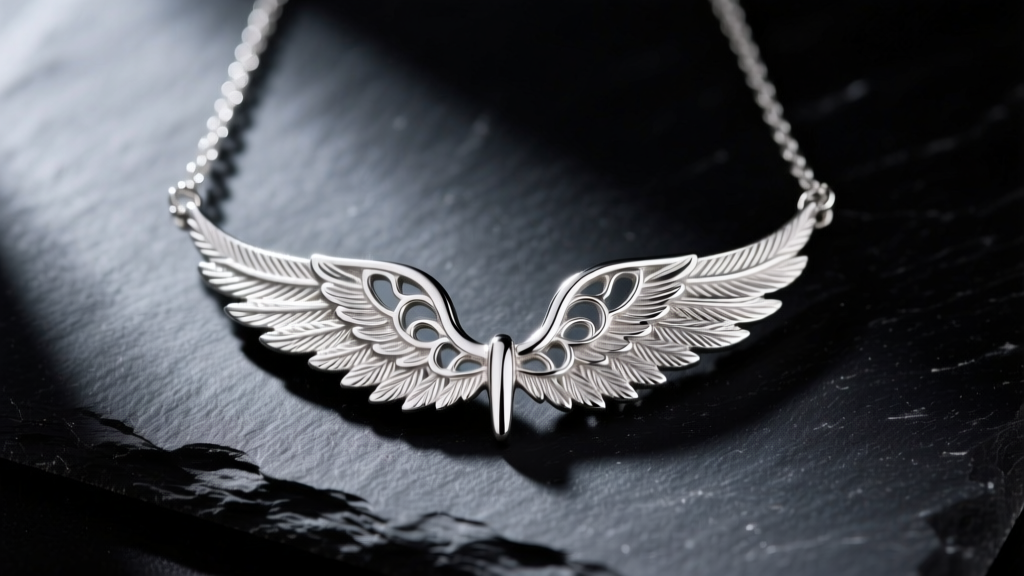
Angel wing necklaces are deeply symbolic, often worn as memorial pieces or symbols of protection. However, their intricate designs make them structurally vulnerable. Whether you own a solid cast pendant or a delicate wire-wrapped filigree piece, the protruding 'feathers' are notorious for catching on clothing, leading to bending, snapping, or stone loss. Furthermore, the high surface area of the feather details accelerates tarnishing and traps skin oils, lotions, and environmental pollutants.
To effectively troubleshoot these issues, you must first identify the manufacturing method of your pendant. Cast wings (usually made by pouring molten metal into a mold) are thicker but can suffer from hidden porosity, making them brittle at stress points. Filigree or stamped wings are crafted from thin sheets or wires (often 24 to 28-gauge) and are highly susceptible to metal fatigue. Understanding your necklace's anatomy is the first step in applying the correct repair and maintenance protocols.
Troubleshooting Bent or Broken Filigree Wings
The most common complaint with angel wing necklaces is bent feathers. If your pendant is made of standard 925 sterling silver, the copper alloy provides some flexibility, but repeated bending will cause work hardening and eventual snapping. If a feather strut bends, do not simply bend it back and forth with your fingers or standard pliers. This will almost certainly snap the 26-gauge wire.
When to DIY vs. Seek a Professional Jeweler
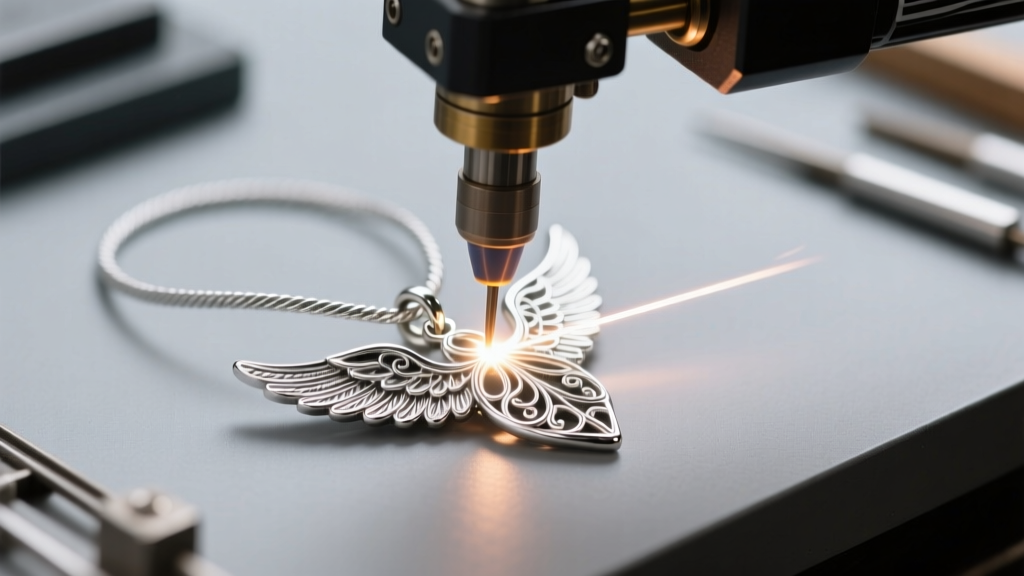
For minor warps in solid cast pendants, you can sometimes gently massage the metal back into place using a rawhide mallet over a steel bench block. However, for filigree wirework or snapped struts, professional intervention is mandatory. Traditional torch soldering is often too hot and imprecise for angel wing filigree; the ambient heat will melt adjacent delicate wires or scorch the surrounding metal. Instead, seek a jeweler who utilizes laser welding. Laser welders use a concentrated pulse of light to fuse metal at a microscopic level without transferring heat to the rest of the pendant. Expect to pay between $45 and $85 for a single laser-welded strut repair.
Solving Chain and Bail Connection Issues
The bail—the loop that connects the angel wing to the chain—is a critical failure point. Because angel wings are often top-heavy or feature wide wingspans, they swing and pivot more than standard geometric pendants. This constant friction acts like a saw, slowly wearing through the bail or the chain itself. If you notice a groove forming on the inside of your bail, you are weeks away from losing your pendant.
To solve this, you must match the chain gauge and material to the pendant's weight and bail size. Below is a troubleshooting matrix for pairing chains with angel wing pendants:
| Chain Type | Recommended Gauge/Thickness | Best For Wing Style | Friction & Wear Risk |
|---|---|---|---|
| Box Chain | 1.2mm - 1.5mm | Medium to Large Cast Wings | Low (Smooth edges reduce bail wear) |
| Rope Chain | 1.0mm - 1.5mm | Small, Lightweight Filigree | Medium (Textured links can act as a mild abrasive) |
| Cable Chain | 0.9mm - 1.2mm | Dainty, Minimalist Wings | High (Thin links easily warp under heavy pendants) |
| Wheat Chain | 1.5mm+ | Heavy, Gemstone-Encrusted Wings | Very Low (Braided structure distributes weight evenly) |
Pro-Tip: If your sterling silver bail is wearing through rapidly, have a jeweler replace it with a platinum or 14k gold bail. The harder metal will outlast the silver chain and prevent catastrophic pendant loss.
Tackling Tarnish and Plating Wear-Off
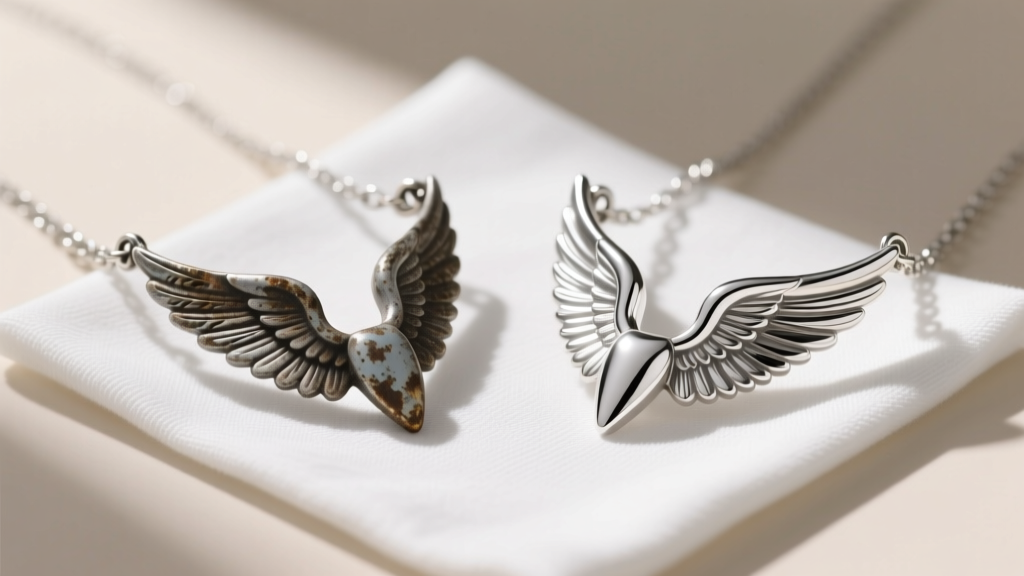
Angel wing necklaces feature deep crevices between the feathers, which are prime real estate for silver sulfide buildup (tarnish). If your necklace is solid, un-plated 925 sterling silver, you can use an electrochemical bath to reverse tarnish without scrubbing the delicate crevices. Line a glass bowl with aluminum foil (shiny side up), add one tablespoon of baking soda and a pinch of salt, and pour boiling water over it. Submerge your necklace for 3 to 5 minutes. The sulfur transfers from the silver to the aluminum foil.
Warning: Never use this boiling method if your angel wing necklace features glued-in gemstones (like pearls or turquoise often found in boho designs) or if it is rhodium-plated. According to the Gemological Institute of America (GIA), extreme heat and chemical reactions can dissolve jewelry adhesives and fracture porous stones.
If your necklace is rhodium-plated (common for white gold or high-end silver wings to give a bright, white finish), the plating will eventually wear off on the high points of the feathers, revealing the yellowish or pinkish base metal beneath. Polishing will not fix this; the piece must be professionally re-plated, which typically costs between $35 and $60. To delay this, avoid wearing plated wings in chlorinated pools or hot tubs, as chlorine rapidly strips rhodium.
Preventative Maintenance for Longevity
Preventing damage to angel wing necklaces is far more cost-effective than repairing them. Implement the following maintenance framework to extend the life of your jewelry:
- The 'Last On, First Off' Rule: Always put your necklace on after applying perfumes, hairsprays, and lotions. The chemicals in these products accelerate the oxidation of copper alloys in sterling silver and degrade rhodium plating.
- Proper Storage: Never toss an angel wing necklace into a communal jewelry box. The protruding wings will tangle with other chains and bend under pressure. Store it flat in a dedicated, anti-tarnish flannel pouch or a hard-shell box with a velvet insert.
- Consider Argentium Silver: If you are shopping for a replacement or a new piece, look for angel wing necklaces crafted from Argentium Silver. This modern alloy replaces some of the copper with germanium, making it up to 8 times more resistant to tarnish than traditional 925 silver, drastically reducing the need for deep cleaning in the feather crevices.
Expert Insight: 'The intricate detailing of angel wing pendants requires a gentle touch. When cleaning at home, avoid stiff-bristled toothbrushes which can scratch high-polish finishes or loosen micro-prongs holding accent diamonds. Instead, use a specialized, ultra-soft baby toothbrush with a drop of mild, phosphate-free dish soap and lukewarm water.' — Jewelers of America
By understanding the specific vulnerabilities of your angel wing necklace—from the metallurgy of the filigree to the friction dynamics of the bail—you can troubleshoot issues effectively and ensure your meaningful piece remains pristine for decades.