How to Fix and Clean a Tarnished Buddah Necklace: Expert Guide
Is your buddah necklace tarnishing or breaking? Discover expert troubleshooting for chain repair, clasp fixes, and safe cleaning methods for metal and jade.

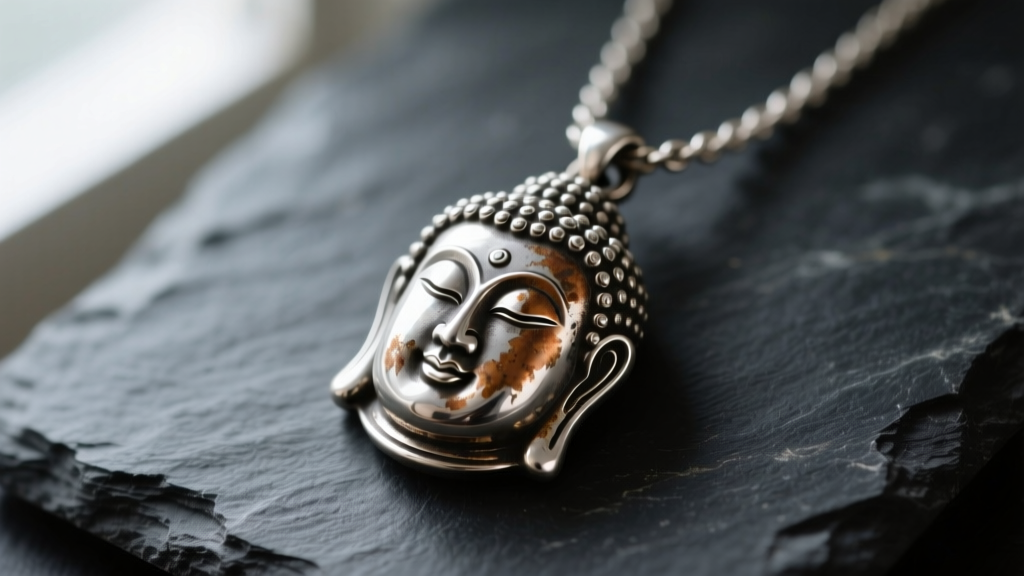
When searching for a buddah necklace (commonly spelled Buddha), buyers are often drawn to the spiritual symbolism, meditative energy, and intricate craftsmanship of the pendant. However, wearing a heavy, carved pendant daily introduces a unique set of mechanical and chemical vulnerabilities. Whether your piece is crafted from 925 sterling silver, solid brass, or features a delicate jadeite carving, daily friction, skin acidity, and environmental pollutants will eventually take their toll. This comprehensive troubleshooting guide moves beyond generic jewelry care, providing metallurgical insights and structural repair frameworks to restore and protect your necklace.
The Physics of Pendant Wear: Why Your Chain Fails
The most common point of failure on any heavy pendant necklace is the intersection between the chain and the bail (the loop that holds the pendant). A solid brass or carved jade buddah pendant typically weighs between 15 and 30 grams. When paired with a lightweight, mass-market cable chain (often 0.9mm to 1.1mm in thickness), the pendulum effect of walking creates severe friction. Over time, the bail acts like a microscopic saw against the bottom link of the chain, leading to metal fatigue and eventual snapping.
The Fix: If your chain keeps breaking at the clasp or the bail, you must upgrade the chain gauge. For pendants weighing over 15 grams, transition to a 1.5mm to 2.0mm reinforced box chain or a soldered rope chain. Box chains distribute the friction across a broader surface area, drastically reducing the wear rate on the individual links.
Troubleshooting Clasp and Jump Ring Failures
If your necklace frequently slips off or the clasp feels loose, the issue is rarely the chain itself; it is the hardware.
The Lobster Clasp Spring Mechanism
Most lobster clasps on silver necklaces feature an internal steel spring housed within a silver shell. When exposed to humidity, sweat, and shower steam, the internal steel spring oxidizes and rusts, causing the trigger to stick or the jaw to fail to close completely. If your clasp feels gritty or fails to snap shut with a crisp click, the internal spring is compromised. Do not attempt to oil it, as this will attract dirt and accelerate wear. Replace the entire clasp with a solid stainless steel or 14k gold-filled lobster clasp, which utilizes non-corrosive internal springs.
Jump Ring Separation
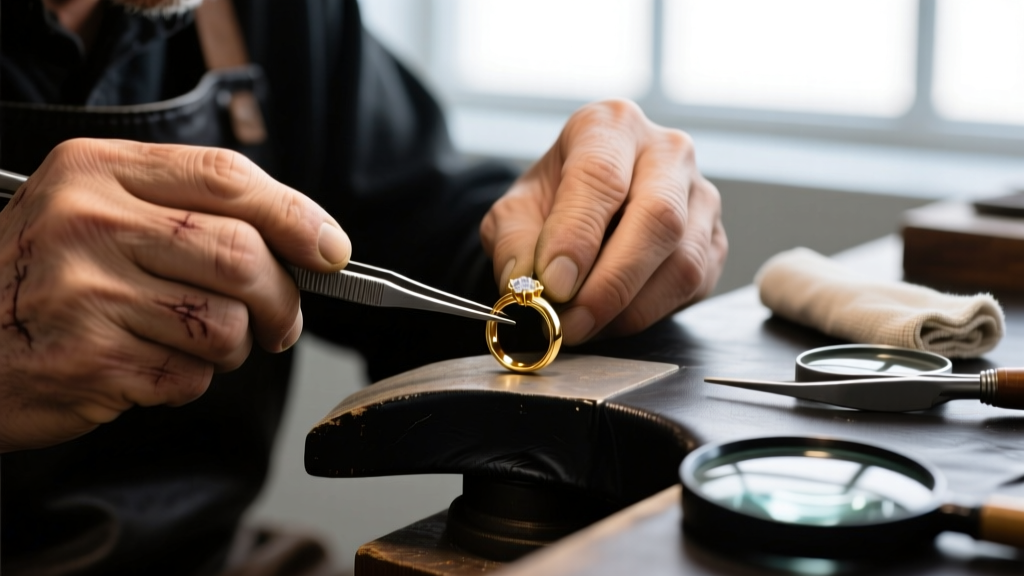
The jump ring connecting the clasp to the chain is a notorious weak point. On commercial necklaces, jump rings are often simply pinched shut rather than soldered. A heavy buddah pendant pulling downward can easily pry an unsoldered jump ring open. According to repair standards outlined by Jewelers of America, any jump ring bearing the load of a heavy pendant must be laser or torch soldered shut. If you notice a visible seam on your jump ring, take it to a local jeweler for a quick silver-solder seal, which typically costs less than $15 and prevents catastrophic loss.
Material-Specific Tarnish and Discoloration Fixes
Tarnish is not dirt; it is a chemical reaction. The way you treat a blackened silver pendant differs vastly from how you treat a verdigris-covered brass piece. Below is a diagnostic matrix for identifying and treating tarnish based on your necklace's base metal.
| Material Grade | Tarnish Appearance | Chemical Cause | Safe Cleaning Protocol |
|---|---|---|---|
| 925 Sterling Silver | Yellowish to Black | Silver Sulfide (reaction with sulfur in the air/skin) | Silver polishing cloth (impregnated with micro-abrasives); avoid liquid dips which strip patina from carved crevices. |
| Solid Brass / Bronze | Green / Brown Verdigris | Copper Oxide / Copper Carbonate | Paste of equal parts lemon juice and baking soda applied with a cotton swab; rinse immediately and dry thoroughly. |
| Zinc Alloy (Tibetan Silver) | Chalky White / Pitting | Zinc Oxidation and structural corrosion | Gentle dry brushing. Liquid chemicals will accelerate pitting. Coat with clear jewelry sealant to halt progression. |
Expert Warning: Never use commercial silver dip solutions on a buddah necklace featuring antique or intentional oxidized detailing. These dips utilize thiourea, a chemical that will strip the dark contrast from the carved facial features and lotus motifs, leaving the piece looking flat and artificially shiny.
Safe Cleaning Protocols for Carved Pendants
The pendant itself requires entirely different care, particularly if it incorporates organic or porous gemstones. The Gemological Institute of America (GIA) strictly warns against using ultrasonic cleaners or harsh chemical solvents on treated gemstones and porous organics.
Jadeite and Nephrite Care
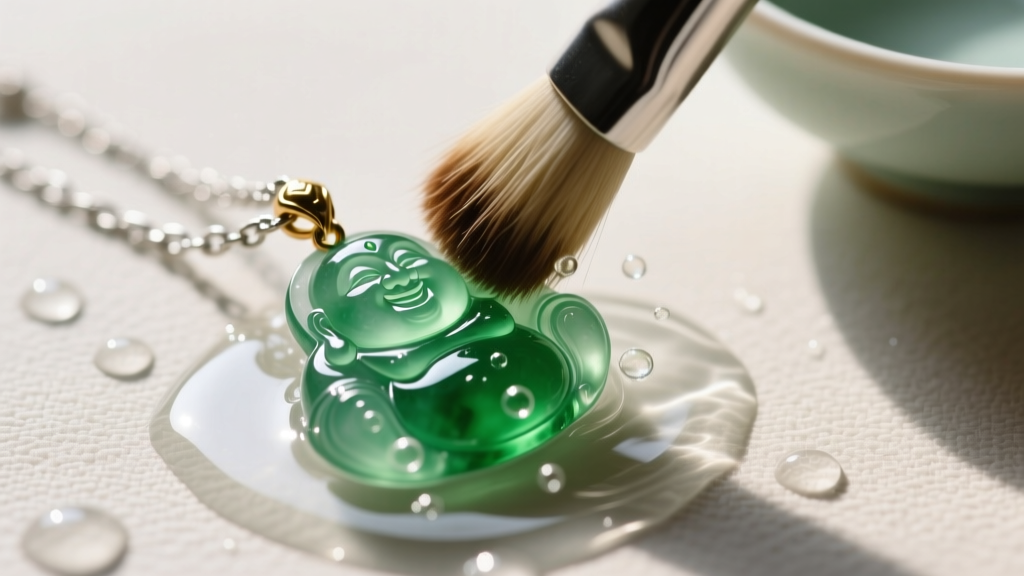
Jade is a staple in buddah pendants, but not all jade is created equal. Grade A jadeite is natural and untreated, making it relatively resilient to mild soap and water. However, Grade B (acid-bleached and polymer-impregnated) and Grade C (dyed) jadeite are highly unstable. Ultrasonic vibrations can shatter the polymer bonds, causing the stone to turn cloudy or fracture entirely. The Protocol: Mix three drops of mild, phosphate-free dish soap (like Dawn) into a bowl of lukewarm distilled water. Use a soft-bristled baby toothbrush to gently agitate the dirt from the carved crevices. Rinse under a gentle stream of lukewarm water and pat dry with a microfiber cloth. Never use hot water, as thermal shock can exacerbate existing micro-fractures in the stone.
Sandalwood and Carved Organics
Carved sandalwood or bodhi seed pendants rely on their natural oils for their rich color and distinct aroma. Submerging these materials in water will strip the oils, causing the wood to dry out, crack, and lose its scent. To clean a wooden buddah pendant, simply wipe it down with a dry, lint-free cotton cloth. If the wood looks dull, you can revive it by rubbing a single drop of natural jojoba oil or sandalwood essential oil into the surface, allowing it to cure for 24 hours before wearing.
Preventative Maintenance Framework
Troubleshooting is necessary when things go wrong, but a proactive maintenance framework will extend the life of your necklace by decades. Implement the following rules for daily wear:
- The 'Last On, First Off' Rule: Your necklace should be the last thing you put on after applying cosmetics, perfumes, and hairsprays, and the first thing you take off when showering or swimming. Chlorine in pools is particularly aggressive and will permanently weaken the structural integrity of 925 silver and 14k gold alloys through a process called stress corrosion cracking.
- Bail Lubrication: Once every six months, inspect the inside of the pendant bail. If it is attached to a metal chain, apply a microscopic dab of jeweler's wax or a dry PTFE (Teflon) lubricant inside the bail to reduce friction against the chain links.
- Proper Storage: Do not toss your necklace into a communal jewelry box where the heavy pendant can scratch softer gemstones or tangle with other chains. Store it flat in an anti-tarnish ziplock bag with a piece of activated charcoal or a 3M anti-tarnish strip to absorb ambient sulfur.
Conclusion
A buddah necklace is more than a fashion accessory; it is a personal talisman that requires informed, material-specific care. By understanding the mechanical stress points of your chain, correctly identifying the chemical nature of your tarnish, and respecting the porosity of carved gemstones, you can ensure your piece remains structurally sound and visually radiant for a lifetime. When in doubt regarding a severe fracture or a high-value jadeite stone, always consult a certified gemologist or master jeweler rather than attempting aggressive at-home repairs.


