How to Clean & Fix a Tarnished Silver Diamond Pendant Necklace
Troubleshoot tarnish, loose stones, and chain kinks in your silver diamond pendant necklace. Expert repair and cleaning tips for 925 sterling silver.

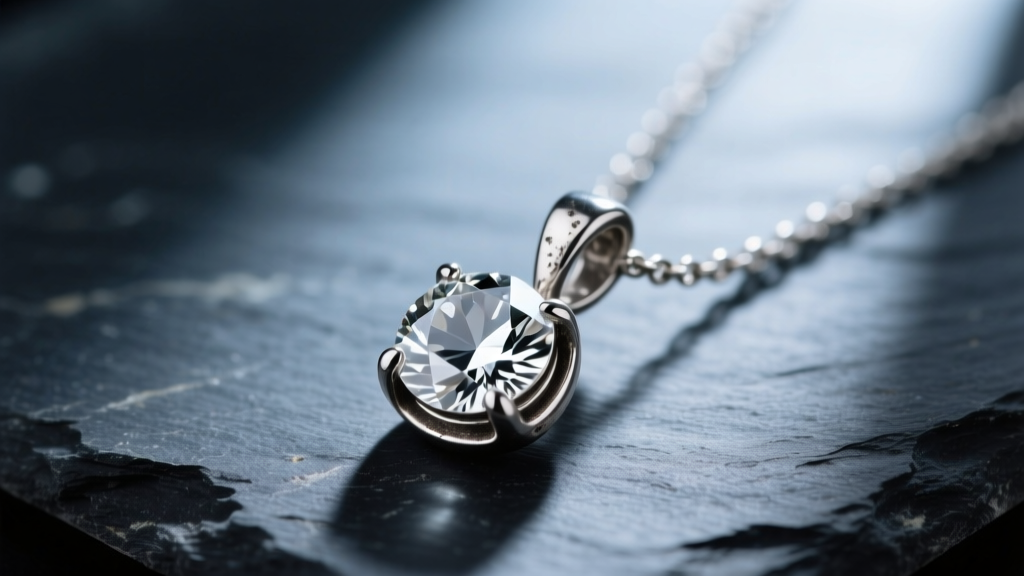
A silver diamond pendant necklace is a timeless staple, but its soft metallurgical profile makes it uniquely susceptible to environmental damage, mechanical wear, and cosmetic degradation. Unlike platinum or 18k gold, sterling silver requires a proactive maintenance strategy to preserve both the metal's luster and the security of the diamond setting. As of 2026, advancements in at-home diagnostic tools and professional laser welding have changed how we approach jewelry repair, yet the fundamental chemistry of silver tarnish and prong wear remains unchanged. This comprehensive troubleshooting guide will help you diagnose, clean, and repair the most common issues plaguing your sterling silver diamond jewelry.
Identifying the Root Cause: Tarnish vs. Embedded Grime
Before applying any chemical or mechanical cleaning method, you must determine whether the dullness on your necklace is caused by oxidation or sebum buildup. Sterling silver (925) is an alloy composed of 92.5% pure silver and 7.5% copper. It is this copper content that reacts with atmospheric sulfur and moisture to form silver sulfide (Ag2S), manifesting as a yellowish, brown, or black film.
The Polishing Cloth Diagnostic Test
To differentiate between tarnish and everyday grime (lotions, skin oils, and dust), gently rub a small section of the chain or pendant bail with an untreated, soft microfiber cloth. If the cloth picks up a dark, grayish-black residue, you are dealing with silver sulfide tarnish. If the metal simply looks dull but the cloth remains relatively clean, the issue is likely a buildup of sebum and cosmetic products masking the diamond's brilliance and the silver's reflectivity. According to the Jewelers of America, treating sebum buildup with harsh silver dips can actually trap oils beneath a chemical film, making the piece look perpetually cloudy.
Troubleshooting Loose Diamonds in Silver Settings
The most critical failure point in any silver diamond pendant necklace is the setting. Pure silver has a Vickers Hardness (HV) of roughly 25, while annealed 925 sterling silver sits around 65 HV. By comparison, 14k white gold sits at approximately 135 HV. This means silver prongs degrade, bend, and wear away at more than twice the rate of standard gold alloys.
Inspecting Prong and Bezel Wear
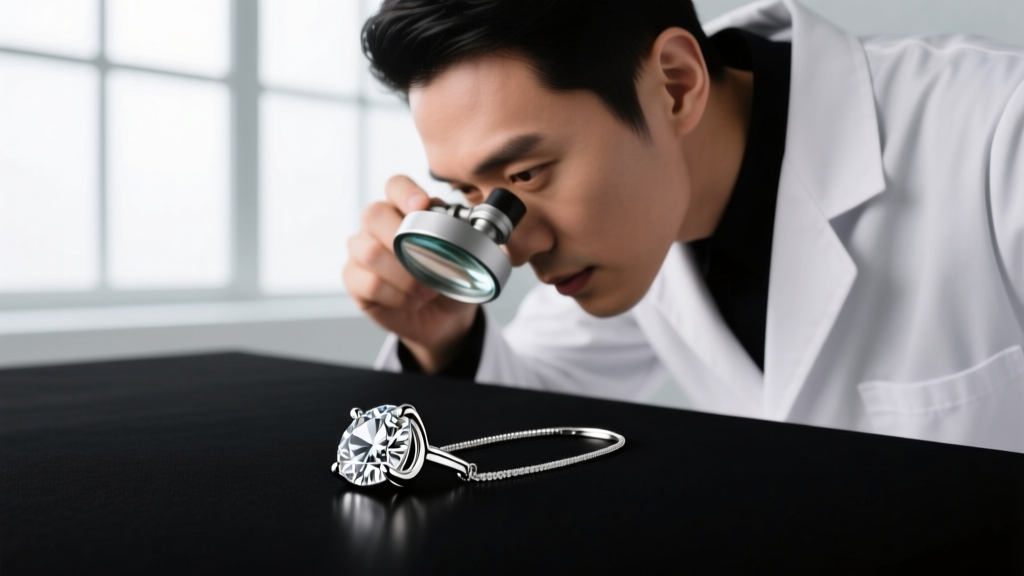
If your diamond rattles or catches on fabrics, the setting has failed. Use a 10x jeweler's loupe to inspect the prongs. Look for the following specific failure modes:
- Prong Thinning: The top of the prong (the tip) has worn flat, reducing the surface area holding the diamond's crown.
- Gallery Wire Fatigue: The thin metal wire connecting the prongs at the base has cracked due to repeated impact or bending.
- Bezel Lifting: In bezel-set pendants, the thin rim of silver has pulled away from the diamond's girdle, creating a microscopic gap where dirt accumulates.
Expert Warning: Never attempt to push silver prongs back over a diamond with household pliers. Silver work-hardens rapidly; bending a worn prong will cause it to snap entirely, resulting in a lost stone.
Diagnosing Chain Kinks and Clasp Malfunctions
The chain supporting your pendant is under constant tensile stress and friction. Different chain weaves exhibit distinct failure modes. Understanding your chain type is crucial for troubleshooting tangles and structural weaknesses.
| Chain Type | Common Failure Mode | Repair Difficulty | Avg. Repair Cost (2026) |
|---|---|---|---|
| Box Chain | Severe kinking; crushed links cannot be un-bent without snapping. | High (Requires link replacement) | $45 - $85 |
| Cable Chain | Stretching and thinning of oval links near the clasp. | Low (Soldering individual links) | $25 - $40 |
| Rope Chain | Unraveling and twisting; internal structural collapse. | Very High (Often requires laser welding) | $60 - $120 |
| Snake Chain | Denting and permanent creasing from sleeping in the necklace. | Impossible (Must be replaced) | N/A (Replacement) |
Fixing a Stuck or Weak Lobster Clasp
If the lobster clasp on your silver diamond pendant necklace fails to snap shut or feels sluggish, the internal steel spring is likely compromised by corrosion or debris. Silver clasps often house a tiny stainless steel spring. If moisture enters the clasp housing, the steel spring rusts while the silver exterior remains untouched. A jeweler can easily replace the spring mechanism or swap the entire clasp for a heavier-duty sterling silver trigger clasp, which offers better longevity for pendants weighing over 5 grams.
Safe Cleaning Protocols for Sterling Silver and Diamonds
Once mechanical issues are ruled out or repaired, you must clean the piece safely. The Gemological Institute of America (GIA) emphasizes that while diamonds are incredibly hard (10 on the Mohs scale), they are highly lipophilic, meaning they attract and hold onto grease, which severely diminishes their light return.
The pH-Neutral Surfactant Method
Avoid commercial "silver dip" solutions containing thiourea. These chemicals strip tarnish instantly but leave a microscopically porous surface on the silver that accelerates future oxidation. Furthermore, if the liquid seeps into a compromised prong setting, it can degrade the metal from the inside out.
- Prepare the Solution: Mix a few drops of pH-neutral, ammonia-free dish soap (like Dawn Original) into a bowl of warm distilled water. Avoid tap water, as chlorine and fluoride can react with the copper in the sterling silver.
- Soak: Submerge the silver diamond pendant necklace for 15 to 20 minutes to loosen sebum and cosmetics from beneath the diamond's pavilion.
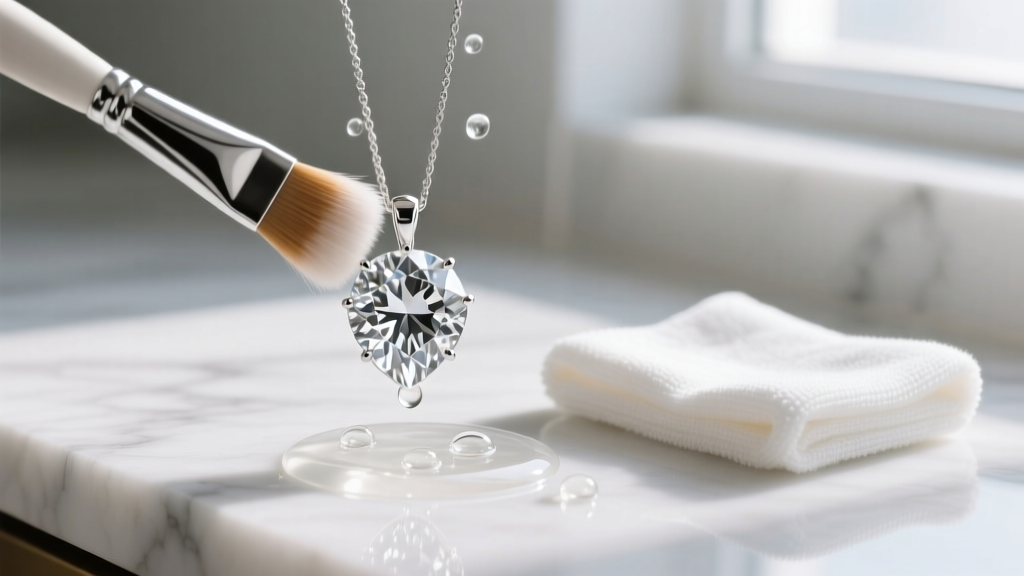
- Agitate: Using a brand-new, ultra-soft baby toothbrush, gently brush the underside of the diamond and the setting. Do not scrub the silver chain aggressively, as this will create micro-scratches.
- Rinse and Dry: Rinse thoroughly under warm distilled water. Pat dry with a lint-free microfiber cloth, and use a hair dryer on the "cool" setting to blow water out of the clasp and setting crevices.
Why You Should Avoid Ultrasonic Cleaners for Silver
While ultrasonic cleaners are excellent for platinum and gold, they pose two major risks to a silver diamond pendant necklace. First, the acoustic cavitation (high-frequency vibrations) can easily shake a diamond loose if the silver prongs are already worn thin. Second, if your diamond has been fracture-filled or clarity-enhanced with lead-glass, the ultrasonic waves and heat can shatter the stone or melt the filler. Always stick to manual, gentle cleaning for silver-set diamonds.
When to Seek Professional Jeweler Intervention
Some troubleshooting steps require professional equipment. If your silver diamond pendant necklace requires prong re-tipping or chain soldering, traditional torch soldering is highly problematic. Heating sterling silver with a torch causes "fire scale"—a deep, stubborn layer of cupric oxide that forms when the copper in the alloy oxidizes beneath the surface, resulting in permanent purple-gray blotches.
In 2026, reputable jewelers utilize laser welding for silver repairs. Laser welders use concentrated light to melt a microscopic point of silver wire onto a worn prong without heating the rest of the pendant, completely bypassing the fire scale issue. If your pendant requires structural repair, explicitly ask your jeweler if they use laser welding for sterling silver to ensure the piece returns to you without heat damage or discoloration. By understanding the specific vulnerabilities of 925 silver and implementing these targeted troubleshooting protocols, you can ensure your diamond pendant remains secure, brilliant, and structurally sound for decades.


