Fixing a Sterling Silver CZ Necklace: Tarnish & Loose Stone Repair
Learn how to troubleshoot a sterling silver CZ necklace. Expert solutions for removing tarnish, tightening loose prongs, and restoring cloudy stones.

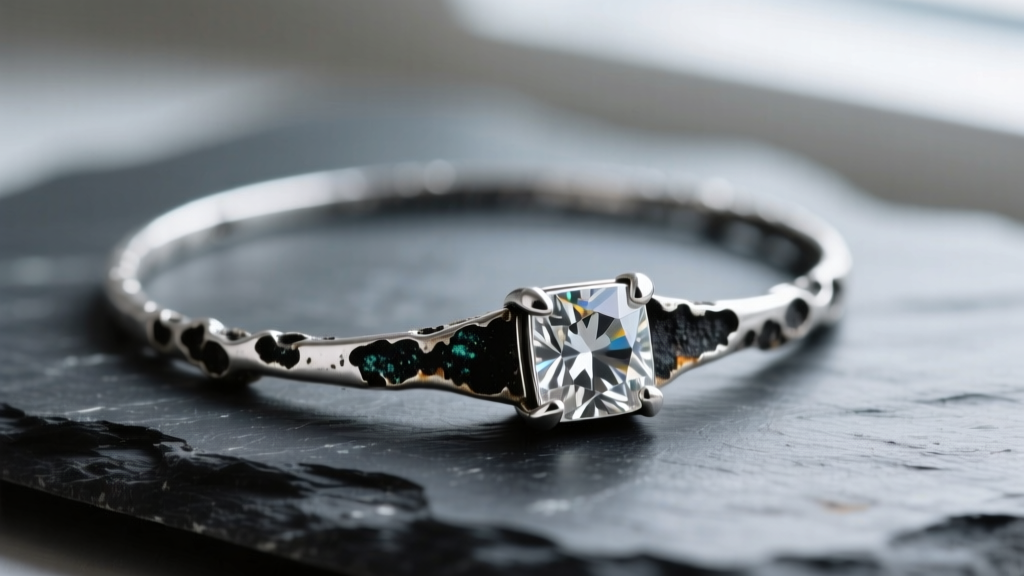
Owning a sterling silver CZ (cubic zirconia) necklace offers the brilliant, diamond-like sparkle of a high-refractive-index gemstone paired with the classic, hypoallergenic luster of precious metal. However, this specific material pairing presents unique maintenance challenges. Pure silver is too soft for daily wear jewelry, which is why your piece is stamped '925'—meaning it contains 92.5% pure silver and 7.5% alloy metals, usually copper. While the copper adds necessary structural integrity, it is also the primary culprit behind rapid oxidation, tarnish, and eventual prong fatigue.
If your favorite pendant has turned black, the stones look cloudy, or you hear a faint 'clicking' sound when you tap the setting, you are dealing with common metallurgical and gemological failures. This guide provides a professional jeweler's troubleshooting framework to diagnose, clean, and repair your sterling silver CZ necklace without causing irreversible damage to the stones or the silver lattice.
The Chemistry of Tarnish: Why Your 925 Silver Darkens
Tarnish on a sterling silver CZ necklace is not dirt; it is a chemical reaction. When the copper alloy in your 925 silver is exposed to hydrogen sulfide in the air, or to sulfur compounds in human sweat, cosmetics, and lotions, it forms silver sulfide (Ag2S). This manifests as a yellowish film that eventually deepens into a stubborn black crust. Because CZ stones are typically set with tiny, delicate silver prongs, this tarnish often accumulates precisely where the metal grips the stone, weakening the structural hold over time.
The Cubic Zirconia Complication
According to the Gemological Institute of America (GIA), cubic zirconia has a Mohs hardness of 8.0 to 8.5, making it highly resistant to scratching. However, CZ is surprisingly brittle and possesses a high specific gravity (5.6 to 6.0), meaning it is heavier than a diamond of the same size. This extra weight puts continuous downward pressure on the softer 925 silver prongs. Furthermore, harsh chemical silver dips containing thiourea can leave a microscopic, milky residue on the surface of the CZ, permanently dulling its 2.15 refractive index and making it look like cheap glass.
Diagnostic Table: Choosing the Right Cleaning Method
Not all silver cleaning methods are safe for cubic zirconia. Use the matrix below to determine the safest troubleshooting protocol for your specific level of tarnish.
| Cleaning Method | 925 Silver Safety | CZ Stone Safety | Best Use Case |
|---|---|---|---|
| Mild Dish Soap & Soft Brush | High | High | Routine degreasing and light surface dirt removal. |
| Chemical Silver Dip | Medium (Removes patina) | Low (Causes clouding) | Severe, all-over black tarnish on chains (avoid pendant). |
| Ultrasonic Cleaner (40kHz) | High | Medium (Risk of stone loss) | Deep cleaning only if prongs have been professionally checked. |
| Polishing Cloth (Impregnated) | High | High (Avoid stone contact) | Buffing the chain and the flat backplate of the pendant. |
Troubleshooting Cloudy CZ Stones
Cubic zirconia is highly oleophilic, meaning it naturally attracts and holds onto skin oils, lotions, and sebum. When oil coats the pavilion (the bottom facets) of the stone, light cannot refract properly, resulting in a cloudy, lifeless appearance. Many owners mistakenly believe their sterling silver CZ necklace is defective or that the stone has 'fogged' internally.
The Fix: Create a degreasing bath using warm distilled water and a few drops of high-quality, lotion-free dish detergent (like original blue Dawn). Submerge the pendant for 15 minutes. Using an ultra-soft baby toothbrush, gently scrub the back of the CZ stone where the pavilion facets meet the silver gallery. Rinse with distilled water to avoid hard water spots, and dry immediately with a microfiber cloth. Never use toothpaste or baking soda pastes; the abrasive silica particles will micro-scratch the silver setting and leave a gritty paste trapped under the prongs.
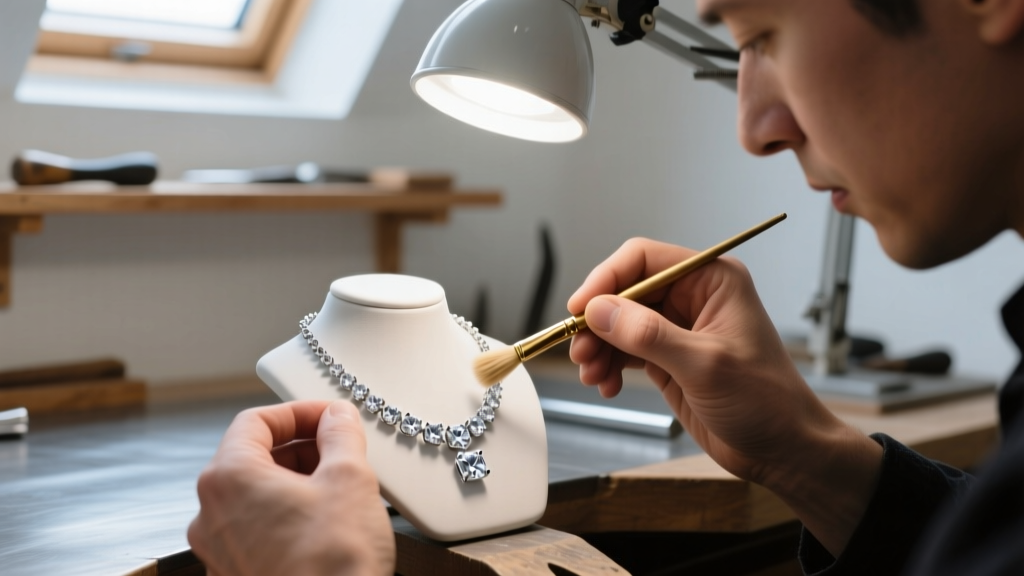
Troubleshooting Loose CZ Stones in Silver Settings
If you tap your CZ stone with a wooden toothpick and hear a faint rattle or clicking sound, the stone is loose. Because 925 silver is relatively soft (Mohs 2.5 to 3.0), the prongs undergo 'work hardening' and fatigue from daily impacts, temperature changes, and snagging on clothing. Over time, the silver prongs stretch and lift away from the girdle of the CZ stone.
Step-by-Step Prong Tightening Protocol
While major repairs should be handled by a professional, as recommended by Jewelers of America, you can perform minor emergency tightening at home to prevent immediate stone loss.
- Inspect the Prongs: Use a 10x jeweler's loupe to check if the silver is worn thin. If the prong is flattened or deeply grooved, do not push it; it will snap. It needs to be re-tipped by a jeweler.
- Secure the Piece: Place the necklace on a soft leather bench pad. Never hold it in your bare hand while applying pressure.
- Use the Right Tool: Do not use standard steel pliers, which will crush and mar the soft silver. Use a nylon-jawed plier or a specialized brass prong pusher.
- Apply Even Pressure: Gently push the prong down and inward toward the center of the stone. Work in a cross pattern (North, South, East, West) to ensure the CZ is seated evenly in the gallery. Pushing only one side will pop the stone out the opposite side.
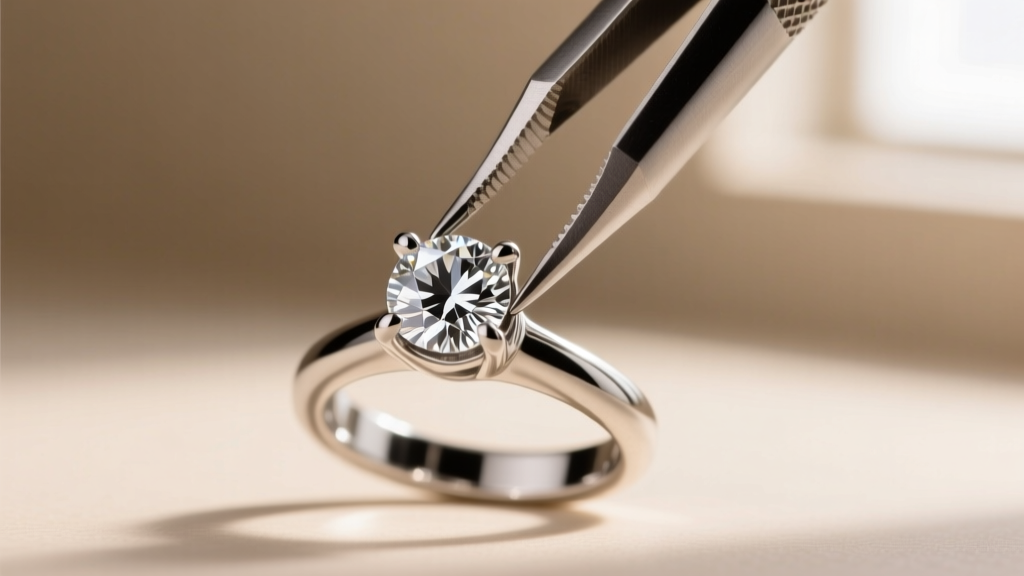
Chain and Clasp Failures: Identifying the Weak Link
The chain on a sterling silver CZ necklace often fails before the pendant does. The most common failure points are the jump rings (the small circular rings connecting the clasp to the chain) and the internal spring mechanism of the lobster clasp.
The Jump Ring Issue: Mass-produced sterling silver necklaces often use 'split' jump rings that are merely pressed together, not soldered. Over time, the weight of the heavy CZ pendant pulls the gap open, causing the chain to slip off. The Fix: Inspect your jump rings. If you see a seam, use two pairs of flat-nose jewelry pliers to twist the ring open laterally (like a door hinge), ensure it is fully seated against the clasp, and twist it tightly closed. For a permanent fix, take it to a jeweler to have the jump ring laser-soldered shut.
The Lobster Clasp Spring: If your clasp feels stiff or fails to snap back automatically, the internal steel spring has likely corroded due to contact with sweat and perfume. Sterling silver clasps house a tiny stainless steel spring that can rust. Apply a microscopic drop of sewing machine oil to the clasp lever, work it back and forth, and wipe away the excess. If the lever remains loose, the clasp must be replaced.
Preventative Maintenance Protocol
To stop troubleshooting and start preserving, implement a strict storage protocol. Never store your sterling silver CZ necklace in a humid bathroom or leave it on an open vanity. The combination of ambient moisture and aerosolized hairspray accelerates silver sulfide formation exponentially.
Expert Storage Tip: Store your necklace in an airtight polyethylene ziplock bag alongside a 3M anti-tarnish strip and a small silica gel desiccant packet. The anti-tarnish strip absorbs airborne sulfur compounds, while the silica gel eliminates the moisture required for the copper alloy to oxidize. This simple step can keep your 925 silver bright and your CZ stones secure for years without the need for polishing.
By understanding the specific vulnerabilities of 925 silver and the unique physical properties of cubic zirconia, you can effectively troubleshoot tarnish, secure loose stones, and maintain the brilliant fire of your necklace for everyday wear.


