Troubleshooting a Thin Chain Necklace: Fixes for Breaks & Tangles
Is your thin chain necklace constantly tangling or snapping? Discover expert troubleshooting tips, link comparisons, and repair hacks to save your jewelry.

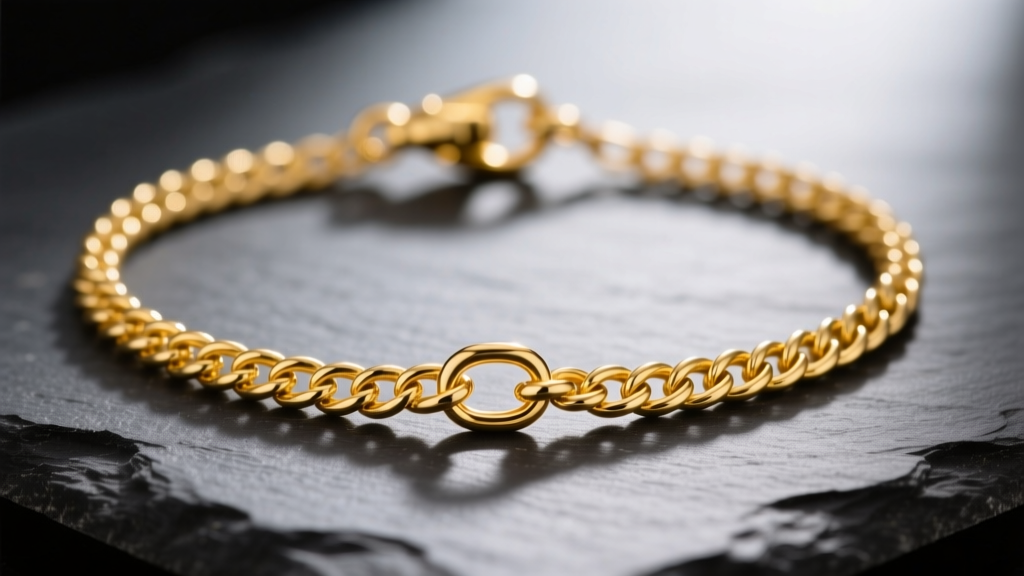
The minimalist appeal of a thin chain necklace is undeniable. Whether layered with heavier pieces or worn solo with a delicate pendant, micro-chains (typically ranging from 0.5mm to 1.2mm in thickness) offer an elegant, barely-there aesthetic. However, this dainty profile comes with a host of structural vulnerabilities. From spontaneous snapping to frustrating, microscopic knots, owning fine jewelry at this scale requires a deep understanding of metallurgy, link physics, and preventative care.
If you are tired of replacing your favorite delicate chains every few months, this comprehensive troubleshooting guide will help you diagnose failure points, understand material limitations, and implement lasting solutions for your most fragile necklaces.
The Physics of Micro-Chains: Why They Snap
When a thin chain necklace breaks, it is rarely a random accident; it is usually the result of material fatigue, work-hardening, or poor link geometry. To troubleshoot the break, you must first understand the metal alloy and the chain style.
Material Grades and Tensile Strength
Not all gold and silver are created equal when drawn into sub-millimeter wires. According to the Gemological Institute of America (GIA), the purity of the metal directly impacts its durability:
- 18k Gold (75% pure): Highly prized for its rich color, but inherently soft. An 18k thin chain necklace is prone to stretching and micro-fractures under the weight of even a modest pendant.
- 14k Gold (58.5% pure): The ideal sweet spot for delicate chains. The higher alloy content (usually copper, silver, or zinc) provides the tensile strength needed to resist snapping.
- Sterling Silver (925): Silver is naturally malleable. Over time, the friction of daily wear causes the metal to "work-harden," becoming brittle and eventually snapping without warning.
- Platinum (950): Extremely dense and durable. Platinum thin chains rarely snap; instead, they tend to stretch and thin out over time, requiring professional reconditioning.
Link Geometry and Failure Modes
The shape of the links dictates where the chain will fail. Below is a diagnostic matrix to help you identify your chain's weakest link.
| Link Style | Thickness Range | Primary Failure Mode | Tangle Risk |
|---|---|---|---|
| Cable | 0.8mm - 1.2mm | Solder joint fatigue at the link seams | Moderate |
| Box | 0.9mm - 1.5mm | Kinking and permanent structural creasing | Low |
| Rope | 1.0mm - 1.5mm | Catching on fabrics, leading to pulled wires | High |
| Wheat | 0.8mm - 1.2mm | Internal friction causing link deformation | Very High |
Untangling the Science of Chain Knots
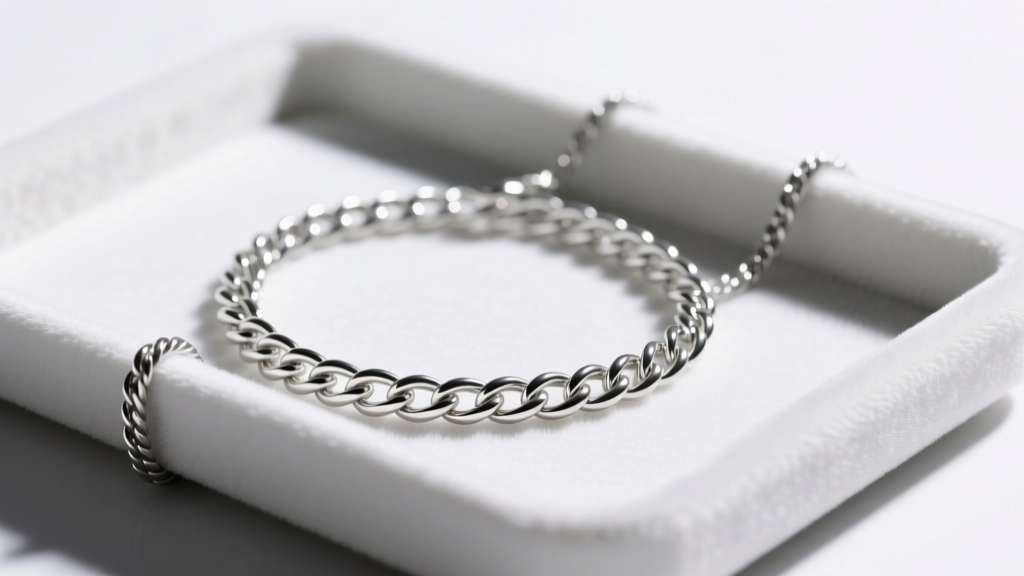
There are few things more infuriating than pulling a thin chain necklace from your jewelry box only to find it fused into a microscopic ball of metal. This phenomenon, often called the "spaghetti effect," is driven by friction, static electricity, and clasp weight imbalances.
Diagnosing the Tangle Triggers
- The Clasp Imbalance: If your chain is 0.8mm but features a heavy, oversized lobster clasp, the center of gravity shifts. As the necklace moves in storage, the heavy clasp acts as a pendulum, weaving itself through the lightweight links.
- Static Cling: Synthetic jewelry box linings and dry winter air generate static electricity, causing fine links to attract and wrap around one another.
- Pendant Slippage: A pendant with a large bail (the loop that holds it) can slide too far down the chain, creating slack that easily folds into knots.
The "Baby Powder" Emergency Detangle Method
If your thin chain necklace is severely knotted, do not pull. Pulling tightens the micro-knots and risks work-hardening the metal to the point of snapping. Instead, lay the chain flat on a hard surface. Apply a tiny pinch of talc-free baby powder or cornstarch directly to the knot. Use two sewing needles to gently tease the links apart. The powder eliminates metal-on-metal friction, allowing the links to slide freely.
Troubleshooting Clasp Failures on Micro-Chains
The clasp is the most common point of failure on any necklace, but on a thin chain necklace, the hardware is often disproportionately fragile. Understanding clasp mechanics can save you from losing your jewelry.
- Spring Ring Clasps: Standard on chains under 1.0mm. These fail because the internal tension spring degrades or the tiny lever snaps off. Troubleshooting: If the lever feels mushy, replace the clasp immediately before it opens during wear.
- Lobster Clasps: More secure, but the internal mechanism can become clogged with lotions and skin oils, preventing it from snapping fully shut. Troubleshooting: Clean the clasp monthly with a soft toothbrush and isopropyl alcohol to maintain spring tension.
- Magnetic Clasps: An excellent aftermarket upgrade for those with dexterity issues or those tired of broken spring rings. However, ensure the magnetic clasp's weight does not exceed the tensile limit of a sub-1mm chain, or it will pull the chain taut and cause stretching.
Emergency Repair: What to Do When It Snaps

When your delicate chain finally gives way, how you handle the repair dictates its future lifespan. Traditional jewelry repair methods are often too aggressive for micro-chains.
Why Traditional Soldering Fails Thin Chains
Standard torch soldering requires heating the metal to the melting point of the solder alloy. On a 0.9mm chain, the heat spread (the "heat sink" effect) is minimal. A traditional torch can easily melt the surrounding links, fusing them together or warping the delicate geometry. Furthermore, traditional solder leaves a visible, brittle seam that becomes a new weak point.
The Laser Welding Solution
For any thin chain necklace, insist on laser welding. As noted by Jewelers of America, modern laser welders use highly focused pulses of light to fuse metal at a microscopic level without transferring heat to the adjacent links. This preserves the temper of the gold or silver and results in a repair that is often stronger than the original factory link. Expect to pay between $45 and $85 for a professional laser weld, depending on the metal and the complexity of the link.
The Preventative Storage Framework
Preventing damage is always cheaper than repairing it. Implement this storage framework to extend the life of your delicate jewelry:
- The Straw Threading Trick: For chains 1.0mm and under, thread one end of the necklace through a plastic or silicone drinking straw and clasp it. This keeps the chain rigid and physically prevents it from crossing over itself to form knots.
- Vertical Hanging: Never store thin chains in a pile. Hang them on a velvet-lined jewelry stand or a dedicated wall hook. Gravity keeps the links aligned and prevents kinking.
- Anti-Tarnish Environments: For sterling silver micro-chains, tarnish acts as a corrosive agent that weakens the microscopic solder joints. Store silver chains in airtight ziplock bags with 3M anti-tarnish strips to halt oxidation.
- The "Last On, First Off" Rule: Thin chains are highly susceptible to chemical degradation from perfumes, hairsprays, and lotions. Always put your necklace on after your beauty routine, and take it off before showering or exercising to prevent sweat-induced corrosion.
By understanding the specific vulnerabilities of your thin chain necklace—from the metallurgy of the wire to the physics of the clasp—you can transition from constantly replacing broken jewelry to confidently wearing and preserving your most delicate pieces for years to come.


