Titanic Heart Necklace Repairs: Fixing Broken Chains & Green Skin
Is your titanic heart necklace turning skin green or snapping? Learn expert troubleshooting for heavy pendant chains, loose stones, and clasp slippage.

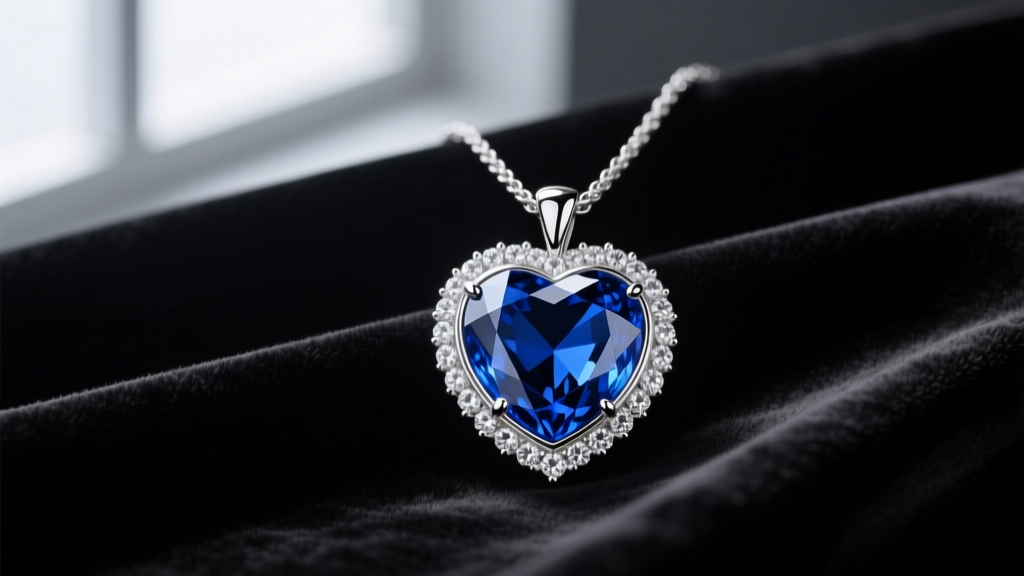
The Anatomy of a Titanic Heart Necklace Failure
The iconic "Heart of the Ocean" replica, universally searched as the titanic heart necklace, remains one of the most sought-after statement pieces in cinematic jewelry history. However, the very design that makes this piece so visually striking—a massive, faceted central stone encased in a heavy metal halo—creates a structural nightmare for mass-produced replicas. Whether you own a high-end sterling silver version or a budget-friendly brass alloy piece, the physics of wearing a 30-to-50-gram pendant on a standard fashion chain inevitably leads to mechanical failure.
As jewelry repair specialists, we see a predictable cycle of damage with these specific pendants. The extreme center of gravity pulls relentlessly on the chain's weakest link, causes the clasp to migrate to the front of the neck, and generates friction that degrades metal plating. In this comprehensive troubleshooting guide, we will diagnose the exact failure points of your titanic heart necklace and provide actionable, professional-grade solutions to restore its structural integrity and wearability.
Troubleshooting 1: Chain Snapping and Link Stretching
The most frequent point of catastrophic failure is the chain. Most replica necklaces are shipped with 1.0mm to 1.5mm cable or curb chains. These chains are engineered for lightweight pendants (under 10 grams). When subjected to the 35+ gram weight of a solid metal and glass heart pendant, the open links slowly stretch into ovals before eventually snapping at the soldering point or the clasp jump ring.
Gauge Sizes and Link Architecture
To permanently solve chain breakage, you must upgrade to a chain with high tensile strength and interlocking geometry. Cable chains rely on single vertical and horizontal links, meaning a single point of failure drops the pendant. Instead, you need chains where the links support one another multidirectionally.
| Chain Style | Minimum Width | Wire Gauge | Max Weight Capacity | Structural Verdict |
|---|---|---|---|---|
| Standard Cable | 1.2mm | 22-20g | 10-15g | Avoid (High snap risk) |
| Box Chain | 2.0mm | 18-16g | 35-45g | Excellent (Interlocking squares) |
| Wheat Chain | 2.5mm | 18-16g | 40-50g | Superior (Braided tensile strength) |
| Cuban Link | 3.0mm | 16-14g | 60g+ | Overkill but indestructible |
The Fix: Take your pendant to a local jeweler and have them remove the bail (the loop the chain passes through) and re-thread it onto a 2.5mm solid sterling silver or 14k gold wheat chain. Ensure the new jump rings connecting the clasp are soldered shut. According to the Jewelers of America, soldered jump rings reduce the risk of accidental unhooking and chain separation by over 90%.
Troubleshooting 2: The "Green Chest" Phenomenon
If your titanic heart necklace is leaving a dark green or black smudge across your sternum, you are experiencing copper oxidation. Many mid-tier replicas are cast from brass or copper alloys and merely flash-plated with a microscopic layer of silver or rhodium. Once your body heat, sweat (which is mildly acidic), and lotions wear through this plating, the raw copper reacts with your skin's chemistry.
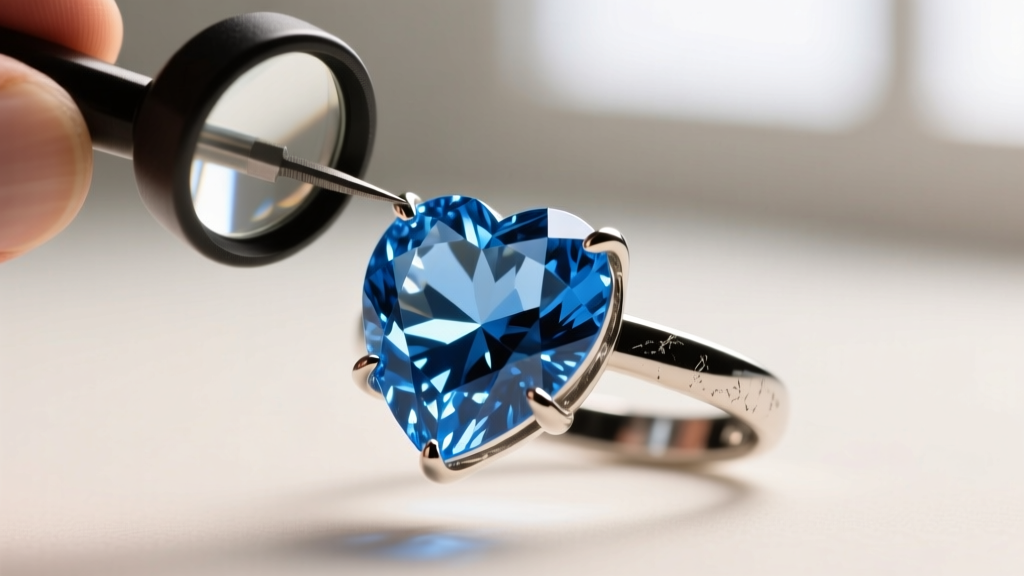
The Federal Trade Commission (FTC) Jewelry Guides strictly regulate metal stamping, but fast-fashion imports frequently bypass these laws, stamping "925" on pure brass. To verify your metal, look for a maker's mark alongside the 925 stamp. If there is none, or if a magnet strongly attracts the pendant's base, it is plated ferrous metal or brass.
Expert Troubleshooting Tip: Do not rely on clear nail polish to seal the back of the pendant. It degrades within 48 hours against body heat and leaves a gummy residue that is difficult to remove. Instead, invest in professional rhodium plating.
The Fix: A professional jeweler can polish the pendant to remove the oxidized layer and dip it in a thick bath of rhodium (a platinum-group metal). This creates a permanent, hypoallergenic barrier that will not turn your skin green and costs between $45 and $85 depending on the surface area of the heart.
Troubleshooting 3: Stone Clouding, Glue Melt, and Prong Failure
The central blue stone in a titanic heart necklace is typically a large cubic zirconia (CZ), synthetic spinel, or faceted blue glass. Over time, these stones either fall out or lose their brilliance. The failure mode depends entirely on how the stone was set at the factory.
Diagnosing Your Setting Type
- Glue-Set (Bezel with Adhesive): Common in pieces under $50. The stone sits in a metal cup and is held by industrial glue. Body heat and hot showers cause the adhesive to soften, allowing the stone to rattle and eventually pop out.
- Prong-Set: Common in pieces over $100. Small metal claws fold over the girdle of the stone. These catch on silk clothing and pull outward, lifting the prongs away from the stone.
For cloudiness, the Gemological Institute of America (GIA) notes that cubic zirconia is highly susceptible to oil and soap buildup, which drastically reduces its refractive index. Ultrasonic cleaners can shatter glass stones or shake loose glued settings.
The Fix for Loose Stones: If your stone is prong-set, use a wooden toothpick to gently push the metal prongs back toward the center of the stone. Do not use metal tweezers, as they will scratch the CZ or glass. If the stone is glued, carefully remove it, clean both surfaces with isopropyl alcohol, and re-adhere it using a two-part jewelry epoxy (like Devcon 5-Minute Epoxy). Avoid UV resin, which becomes brittle and yellows over time.
Troubleshooting 4: Clasp Slippage and Balance Issues
There is nothing more frustrating than constantly reaching for your neck to pull the clasp of your titanic heart necklace back to the nape of your neck. Because the pendant is exceptionally heavy, gravity pulls the front of the chain downward. This downward force acts as a pulley system, dragging the lightweight clasp around the curve of your neck until it rests directly beneath the pendant.
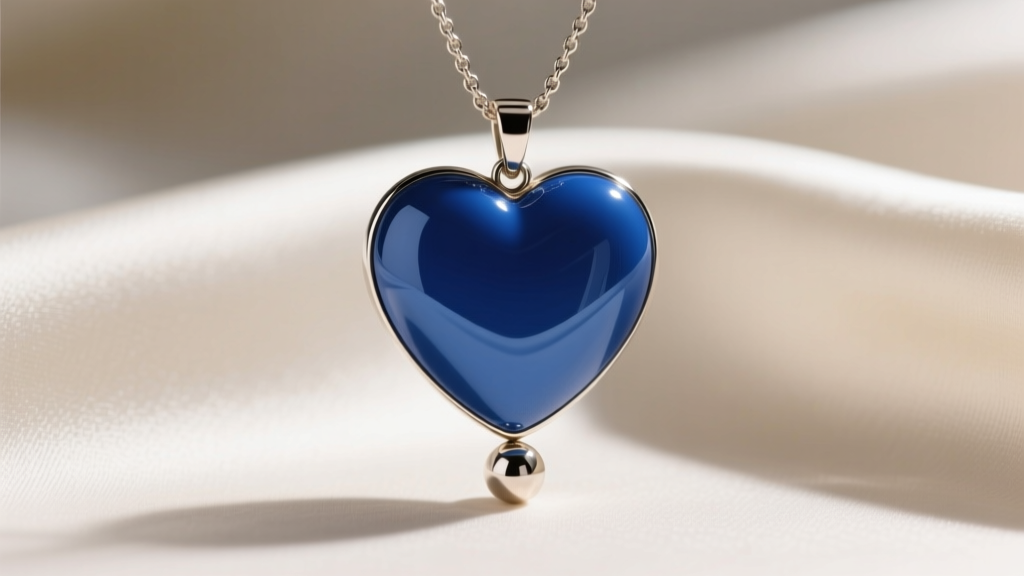
The Fix: The Counterweight Method. You do not need to buy a new chain to solve this physics problem. You need to introduce a counterweight. Purchase a small, hollow 14k gold or sterling silver bead (approximately 3mm to 4mm in diameter, weighing roughly 3 to 5 grams). Have a jeweler thread this bead onto the chain and position it exactly one inch away from the clasp. This small addition of weight at the rear of the neck perfectly counterbalances the 40-gram pull of the heart pendant at the front, locking the clasp securely behind your neck where it belongs.
When to Seek Professional Jeweler Intervention
While home troubleshooting can solve clasp slippage and minor stone tightening, certain structural failures require professional bench tools. If the bail (the loop connecting the pendant to the chain) has worn completely through the metal, or if the main heart frame has cracked under stress, do not attempt superglue repairs. Superglue (cyanoacrylate) will ruin the porous surface of synthetic stones and cannot withstand the sheer force of a swinging pendant.
Instead, seek a jeweler who specializes in laser welding. Unlike traditional torch soldering, which requires heating the entire piece and risks shattering the central blue stone or melting factory adhesives, laser welding uses a concentrated beam of light to fuse metal at a microscopic level. As of 2026, laser welding a broken bail or cracked frame on a heavy pendant typically costs between $65 and $120, ensuring your titanic heart necklace remains secure and structurally sound for decades of wear.


