Troubleshooting a 16 Inch Necklace on Man: Fit Guide
Struggling with a tight fit? Learn how to troubleshoot, style, and adjust a 16 inch necklace on man for a comfortable, modern look.

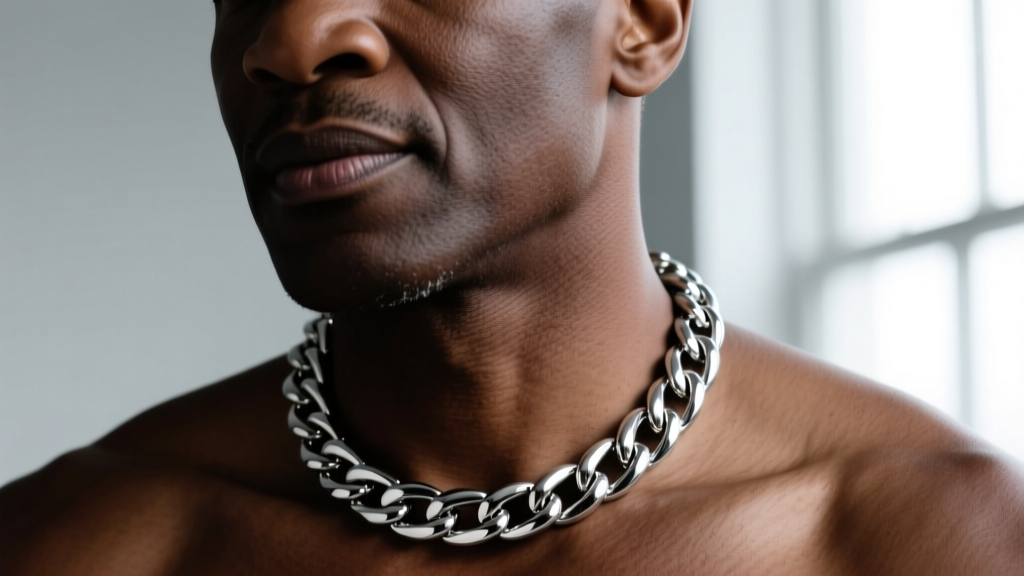
Finding the perfect chain length is a common hurdle in men's jewelry, and few lengths present as many unique challenges as the 16-inch chain. In traditional jewelry sizing, a 16-inch necklace is classified as a choker, designed to sit snugly at the base of the throat or directly on the collarbone. However, when it comes to styling a 16 inch necklace on man, the physics of male anatomy and everyday movement often turn this standard length into a source of discomfort, skin irritation, and even chain breakage.
The average adult male neck circumference ranges from 15.5 to 17 inches. This means a 16-inch chain leaves virtually zero clearance, transforming what should be a stylish accessory into a constricting band. But if you already own a 16-inch piece, or if you are deliberately aiming for a high-neck, avant-garde choker aesthetic, there are precise, technical ways to troubleshoot the fit, upgrade the hardware, and style it effectively. This guide dives deep into the metallurgy, tension mechanics, and styling frameworks required to make a 16-inch necklace work for a man.
The Anatomy of the Problem: Why 16 Inches is Tricky for Men
To solve the fit issue, we first need to understand the biomechanics of the male neck. Unlike the wrist or finger, the neck is a highly dynamic area of the body. It expands when you swallow, turns during physical activity, and swells slightly in high heat or during workouts. When a chain lacks adequate clearance, it creates constant lateral tension on the links and the clasp.
| Neck Circumference | 16-Inch Chain Fit | Clearance | Risk Level |
|---|---|---|---|
| 14.0 - 15.0 inches | Standard Choker | 1.0 - 2.0 inches | Low (Comfortable) |
| 15.5 - 16.0 inches | Tight Choker | 0.0 - 0.5 inches | Medium (Friction/Sweat) |
| 16.5 - 17.5 inches | Constricting | Negative (Tension) | High (Breakage/Choking) |
When clearance drops below half an inch, the chain undergoes continuous micro-bending. According to manufacturing data from Rio Grande Jewelry Supply, continuous tension and friction accelerate "work hardening" in metals like sterling silver and lower-karat gold, making the links brittle and prone to snapping at the solder points.
Troubleshooting Fit and Tension Issues
If your 16-inch necklace feels too tight, you do not necessarily have to abandon it. You can modify the hardware to introduce flexibility and length without compromising the original piece.
Solution 1: Integrating Chain Extenders and Jump Rings
The most non-destructive way to add length is by attaching a chain extender. A 2-inch sterling silver or stainless steel extender will bump your 16-inch chain to a standard 18-inch collar length, allowing it to rest comfortably below the Adam's apple. To attach it, you must use high-quality jump rings. Avoid thin, 22-gauge wire; instead, opt for 18-gauge or 16-gauge jump rings that match the metal of your chain. Use two pairs of flat-nose pliers to twist the jump ring open laterally—never pull it apart, as this weakens the structural integrity of the wire.
Solution 2: Upgrading the Clasp Mechanism
Tight necklaces put immense shear stress on the clasp. If your 16-inch chain uses a standard spring-ring clasp, it is highly likely to fail. Spring rings are designed for low-tension, lightweight pendants and typically fail under 3 to 4 pounds of lateral pull.
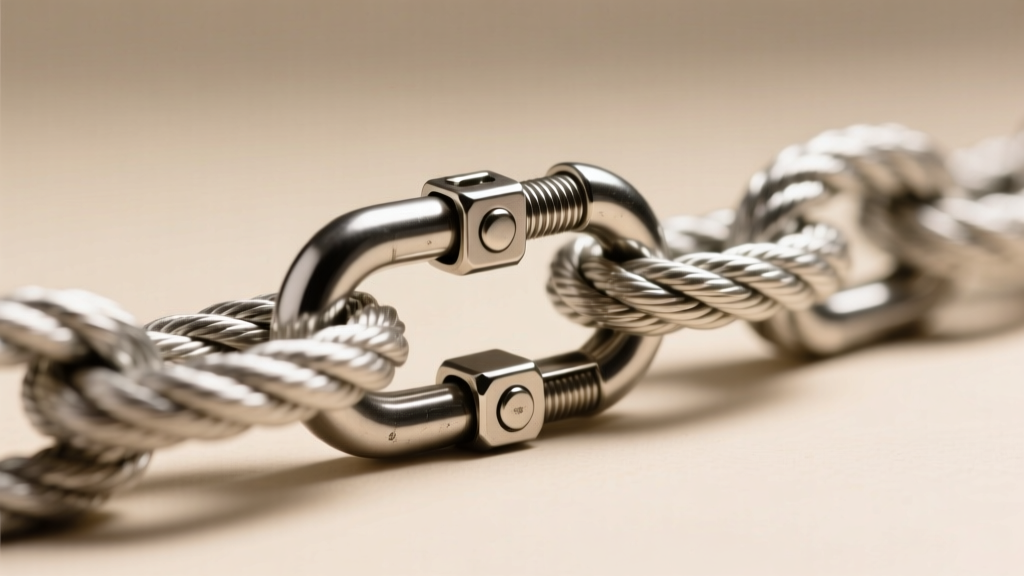
Upgrade to a heavy-duty lobster clasp or a secure box clasp with a safety latch. Lobster clasps can withstand upwards of 8 to 10 pounds of tension before the internal spring mechanism yields. Avoid magnetic clasps for tight-fitting men's chains; a sudden tug or snag on a shirt collar will easily pull the magnets apart, sending your chain to the floor.
Material and Gauge Selection for High-Tension Wear
If you are committed to wearing the chain at its true 16-inch length as a deliberate choker, the material and gauge (thickness) of the chain become critical safety factors. The GIA Gem Encyclopedia notes that different metals exhibit vastly different tensile strengths and scratch resistances, which is vital when jewelry is subjected to constant skin friction.
Optimal Gauge Sizes
For a 16-inch men's choker, avoid any chain thinner than 2.0mm. Thin chains (1.0mm - 1.5mm) will act like a wire cheese-cutter against the skin when pulled taut, causing severe irritation and eventual link failure. The sweet spot for a 16-inch men's chain is between 2.5mm and 4.0mm. This provides enough visual weight to look intentional rather than accidental, while offering the structural mass needed to resist snapping.
Choosing the Right Metal
- 316L Surgical Stainless Steel: The ultimate problem-solver for tight chains. It boasts immense tensile strength, will not tarnish from sweat, and is highly resistant to stretching.
- Grade 5 Titanium: Exceptionally strong and lightweight. If the chain sits tightly against the pulse points, titanium's low thermal conductivity ensures it won't become uncomfortably hot or cold against the skin.
- Solid 14k or 18k Gold: While luxurious, gold is a relatively soft metal. If you wear a 16-inch solid gold chain, ensure it is a solid-core rope or Cuban link, and absolutely avoid hollow or "semi-solid" gold chains, which will crush and dent under the pressure of a tight fit.
- Metals to Avoid: Plated brass or copper alloys. The tight friction will quickly wear away the plating, exposing base metals that will oxidize and turn your neck green, while also triggering contact dermatitis.
Styling a 16-Inch Choker Intentionally
Troubleshooting isn't just about mechanics; it's also about aesthetics. If the fit is secure and safe, how do you style a 16-inch necklace on a man so it looks like a deliberate fashion choice rather than a sizing mistake?
Mastering the Neckline Pairing
A 16-inch chain sits directly in the visual center of the throat. It pairs best with crew-neck t-shirts, where the chain rests just above the fabric line, creating a clean, layered boundary. Alternatively, wear it with an unbuttoned camp-collar shirt or a deep V-neck. The contrast between the exposed skin and the tight metallic band creates a rugged, avant-garde silhouette that draws the eye upward toward the face and jawline.
The Layering Anchor Technique
One of the most effective ways to style a 16-inch chain is to use it as the foundational anchor in a layered setup. Because it sits at the very top of the chest, it prevents the dreaded "tangled mess" that occurs when multiple chains of similar lengths are worn together.

The 4-Inch Rule: To layer successfully, maintain at least a 4-inch gap between chains. Pair your 16-inch choker with a 20-inch medium-weight chain, and finish with a 24-inch heavy pendant piece. This creates a cascading visual triangle that broadens the appearance of the chest and shoulders while keeping the 16-inch piece safely tucked out of the way of heavier, swinging pendants.
Step-by-Step Measuring and Adjustment Guide
If you are shopping for a new chain or trying to verify if your current 16-inch piece is salvageable, accurate measurement is non-negotiable. Do not rely on old shirt collar sizes, as they account for fabric ease and do not reflect bare skin circumference.
- The Tailor Tape Method: Use a flexible fiberglass tailor's measuring tape. Wrap it around the exact point on your neck where you want the chain to sit (usually the base of the throat for a choker).
- The Two-Finger Rule: Slip two fingers under the tape measure. This simulates the necessary clearance for swallowing and natural neck movement.
- Calculate the Target Length: Read the measurement. If your neck measures 15.5 inches with two fingers underneath, a 16-inch chain will still be uncomfortably tight due to the thickness of the chain links and the clasp hardware. Add at least 1.5 inches to your taped measurement to find your true minimum comfortable chain length.
By understanding the biomechanics of the neck, upgrading your clasps, and selecting high-tensile metals, you can successfully troubleshoot the challenges of wearing a 16-inch necklace. Whether you adjust it for comfort or lean into the choker aesthetic with robust materials, mastering this difficult length elevates your jewelry game from accidental to highly intentional.


