The Ultimate Flag Necklace Buying Guide: Enamel & Metals
Discover how to choose the perfect flag necklace. Compare enamel types, metal grades, chain pairings, and pricing for lasting heritage jewelry.

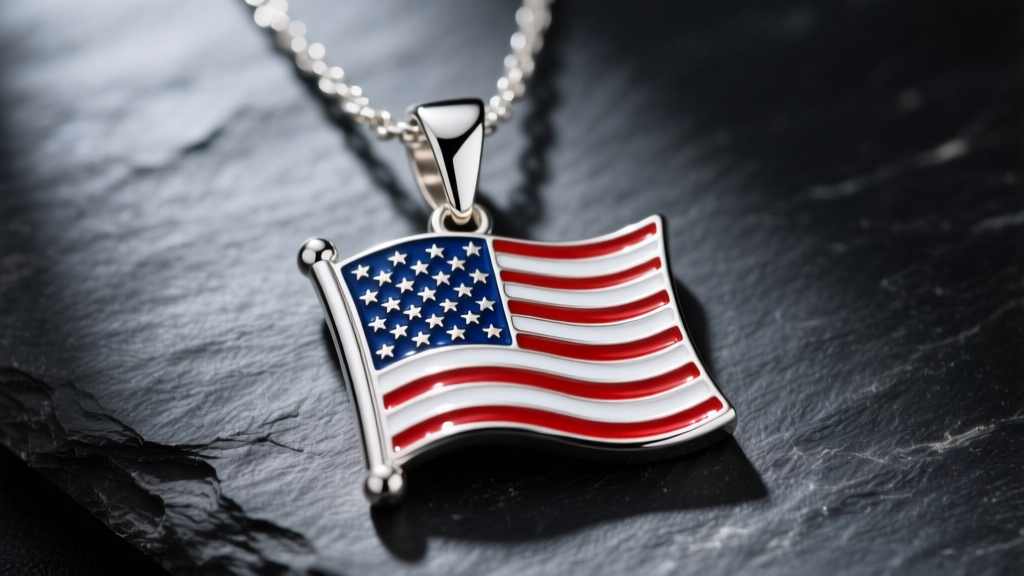
Why Material Quality Dictates the Lifespan of Your Flag Necklace
A flag necklace is rarely just a piece of jewelry; it is a profound marker of heritage, a souvenir from a life-changing trip, or a daily emblem of personal pride. Yet, the market is heavily saturated with mass-produced pendants that degrade, tarnish, or break within months of daily wear. When evaluating a flag necklace, the visual appeal of the colors is only half the battle. The true longevity of the piece relies entirely on the metallurgy of the base, the chemical composition of the enamel, and the structural integrity of the bail.
In this comprehensive buying guide, we break down the exact specifications, material grades, and manufacturing techniques you need to look for in 2026 to ensure your heritage jewelry becomes a lasting heirloom rather than a disposable accessory.
Decoding Enamel: Hard vs. Soft vs. Cloisonné
The most common failure point in any flag pendant is the colored inlay. Manufacturers use the word 'enamel' loosely, but there is a massive difference in durability between true vitreous enamel and synthetic resins. Understanding these distinctions is critical when evaluating product descriptions.
Soft Enamel (Epoxy Resin)
Despite the name, soft enamel is not actually glass; it is a colored epoxy resin poured into recessed metal cavities. It is cured at room temperature or with low heat. While it allows for intricate, multi-colored flag designs at a very low cost, it is highly susceptible to UV yellowing, scratching, and chemical degradation from perfumes or lotions. If you are buying a flag necklace for daily, lifelong wear, avoid soft enamel.
Hard Enamel (Vitreous Glass)
Hard enamel is the industry standard for fine heritage jewelry. It consists of finely ground glass powder that is fired in a kiln at temperatures exceeding 1,400°F (760°C). Once cooled, the surface is polished flat, making it flush with the metal lines. According to historical metallurgy records documented by Britannica's guide to enamelwork, vitreous glass is incredibly resistant to fading, scratching, and chemical corrosion. A hard enamel flag necklace will retain its vibrant reds, blues, and greens for generations.
Cloisonné (Wire Inlay)
Cloisonné is a premium variation of hard enamel where the color separations are not stamped into the base metal, but rather formed by soldering ultra-fine wires (usually pure silver or gold) to the base. This technique is rare in standard national flag pendants but is sometimes used for highly detailed, artisanal regional or historical flags.
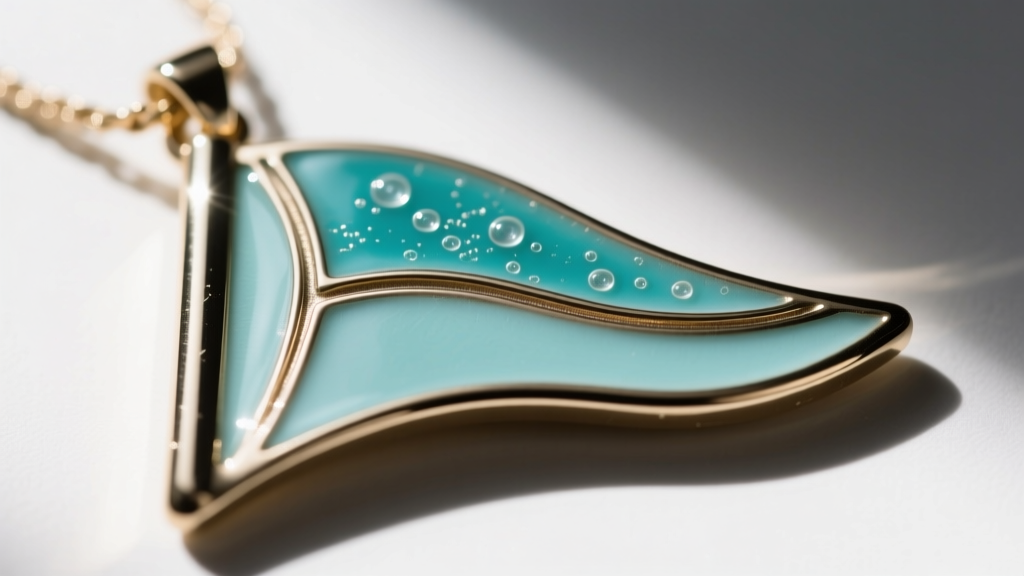
Enamel Durability Comparison Chart
| Enamel Type | Material Composition | Surface Texture | UV & Scratch Resistance | Estimated Price Range |
|---|---|---|---|---|
| Soft Enamel | Epoxy Resin | Recessed (Metal lines raised) | Low (Yellows over time) | $15 - $35 |
| Hard Enamel | Vitreous Glass | Smooth (Flush with metal) | Very High (Heirloom quality) | $45 - $120 |
| Cloisonné | Glass + Precious Wire | Smooth (Wire separations) | Extremely High | $150 - $400+ |
Base Metals: What Holds the Colors Together?
The base metal provides the structural canvas for the enamel and dictates whether the necklace will cause skin irritation. The Federal Trade Commission (FTC) Jewelry Guides strictly regulate how metals must be stamped and disclosed, yet many overseas e-commerce listings remain vague. Here is what you must look for:
- 925 Sterling Silver: The gold standard for heirloom flag pendants. It is hypoallergenic, takes a brilliant polish, and provides a bright, white-metal background that makes hard enamel colors pop. Look for the '925' stamp. Note that silver can tarnish, but it is easily cleaned.
- 316L Surgical Stainless Steel: An excellent, budget-friendly alternative. It is highly resistant to tarnish, completely hypoallergenic, and incredibly strong. The downside is its weight and darker, gunmetal-grey undertone, which can slightly mute the brightness of white or yellow enamel sections.
- Solid 14k or 18k Gold: Reserved for luxury, custom-commissioned flag necklaces. Gold will not tarnish and requires zero maintenance, but the high material cost pushes these pendants well into the $500+ range.
- Zinc Alloy / 'Tibetan Silver': Avoid these at all costs. Often marketed deceptively, these base metals contain high levels of nickel and lead. Once the thin silver plating wears off (usually within 3 to 6 months of sweat exposure), the pendant will turn your skin green and may trigger severe contact dermatitis.
Chain Selection and Bail Construction
A beautiful flag pendant is useless if it snaps off the chain or hangs at an awkward angle. The connection point—the bail—and the chain gauge must be perfectly matched.
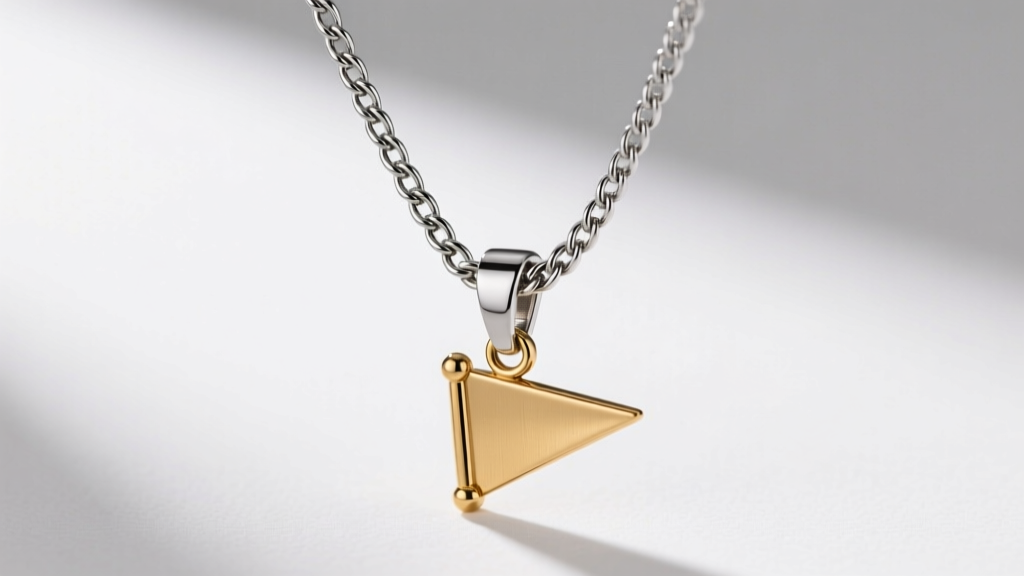
Evaluating the Bail
The bail is the loop at the top of the flag pendant. In cheap manufacturing, the bail is simply a jump ring that is squeezed shut but not soldered. Over time, the friction of the chain sliding back and forth will pry the unsoldered jump ring open, resulting in a lost pendant. Always inspect product macro-photos or ask the jeweler if the bail is fully soldered. A soldered bail forms a continuous, unbroken circle of metal that cannot be pulled apart by everyday tension.
Chain Gauge and Style Recommendations
Flag pendants are typically flat and carry moderate weight (usually between 4 to 12 grams). To support this weight without the chain kinking or snapping, follow these pairing guidelines:
- Box Chains (1.5mm - 2.5mm): The best overall choice. The square links distribute weight evenly and lay flat against the collarbone, preventing the flag pendant from flipping upside down.
- Cable Chains (1.8mm - 3.0mm): A classic, durable option. Ensure the links are diamond-cut for added sparkle, but verify the clasp is a lobster claw, not a fragile spring ring.
- Rope Chains (2.0mm+): Excellent for heavier, oversized solid gold flag pendants, but the twisted links can occasionally catch on the edges of flat enamel if the bail is too tight.
Sizing and Proportions: Getting the Scale Right
Flag necklaces come in various dimensions, and choosing the right scale depends on your body type, neckline, and styling intent.
- Minimalist / Layering Size (10mm x 15mm): Ideal for stacking with longer pendant necklaces or wearing with high-neck blouses. The details of the flag will be abstract at this size, relying on color blocking rather than intricate emblems.
- Standard Everyday Size (18mm x 25mm): The most versatile proportion. It provides enough surface area to appreciate the hard enamel craftsmanship and any central crests or stars, while remaining subtle enough for office environments.
- Statement / Oversized (30mm x 45mm+): Best worn as a standalone piece over a solid-colored t-shirt or sweater. At this scale, the weight of the pendant increases significantly, necessitating a thicker chain (minimum 2.5mm) and a heavily reinforced, soldered bail.
Care and Maintenance for Enamel Flags
Even the highest quality hard enamel flag necklace requires specific care to maintain its luster. Never place an enameled pendant in an ultrasonic jewelry cleaner. The high-frequency vibrations can cause micro-fractures in the glass enamel, eventually leading to chipping or the glass popping out of the metal settings.
Instead, clean your necklace using a few drops of mild dish soap, warm water, and a soft baby toothbrush. Gently brush the metal lines and the enamel surface, rinse thoroughly, and dry immediately with a microfiber cloth. For sterling silver bases, use a dedicated silver polishing cloth only on the metal borders, avoiding aggressive rubbing on the enamel to preserve its high-gloss factory finish.
Final Verdict: What to Buy
When investing in a flag necklace to honor your roots or commemorate a milestone, refuse to compromise on material integrity. Demand 925 sterling silver or 316L stainless steel bases, insist on vitreous hard enamel rather than epoxy resins, and ensure the bail is fully soldered. By applying these strict buying criteria, you will secure a piece of heritage jewelry that remains as vibrant and meaningful decades from now as the day you first clasped it around your neck.


