The Beginner's Guide to Choosing a Flat Pearl Necklace
Discover everything about the flat pearl necklace. Learn how to choose, style, and care for coin and keshi pearls with our beginner-friendly guide.

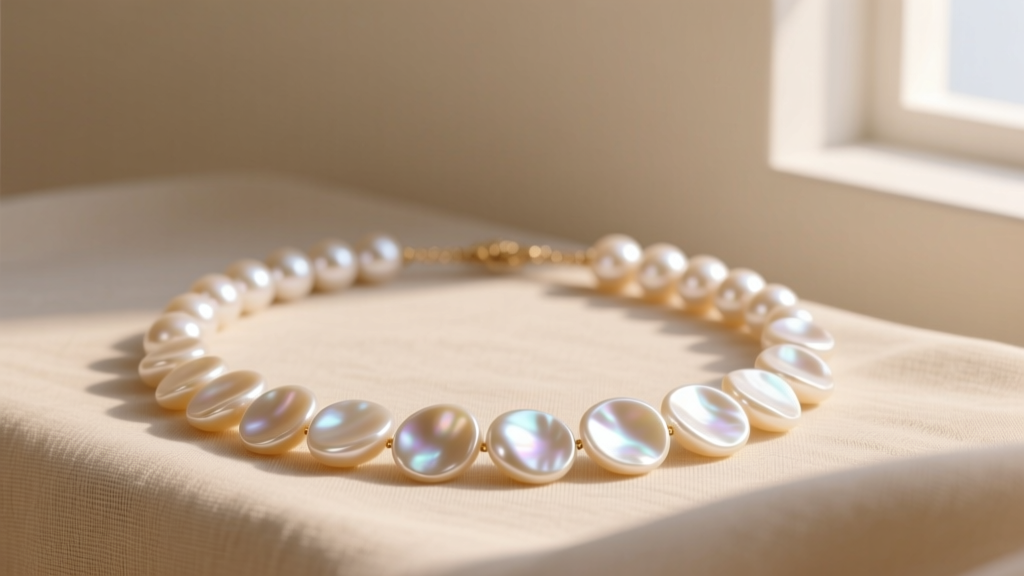
What Exactly is a Flat Pearl Necklace?
When most people think of pearl jewelry, they picture the perfectly spherical, uniform strands popularized by mid-century style icons. However, the modern jewelry landscape has embraced organic, asymmetrical shapes, bringing the flat pearl necklace to the forefront of contemporary style. Often referred to as coin pearls, petal pearls, or flat keshi pearls, these unique gems represent a departure from traditional roundness, offering an earthy, modern aesthetic that appeals to a new generation of jewelry lovers.
Flat pearls are almost exclusively freshwater cultured pearls. Unlike their saltwater counterparts (like Akoya or South Sea pearls), which are typically bead-nucleated, most freshwater flat pearls are tissue-nucleated. A technician inserts a tiny piece of donor mantle tissue into the host mussel. Because there is no perfectly round bead to dictate the final shape, the mussel secretes nacre in irregular, flat, disc-like formations. The result is a lightweight, highly lustrous pearl that sits beautifully against the skin.
Round vs. Flat: A Comparative Breakdown
Understanding the structural differences between traditional rounds and flat coin pearls is essential before making a purchase. Here is how they compare across key gemological metrics:
| Feature | Traditional Round Pearls | Flat / Coin Pearls |
|---|---|---|
| Nucleation | Bead-nucleated (usually) | Tissue-nucleated (non-bead) |
| Nacre Content | 0.8mm to 2.0mm over a shell bead | 100% solid nacre |
| Shape Consistency | >High (perfectly spherical)Low (unique, irregular discs) | |
| Durability | Prone to chipping if nacre is thin | Extremely durable (solid nacre) |
| Price Point | $300 - $5,000+ (depending on origin) | $50 - $400 (highly accessible) |
The Anatomy and Drilling of a Flat Pearl
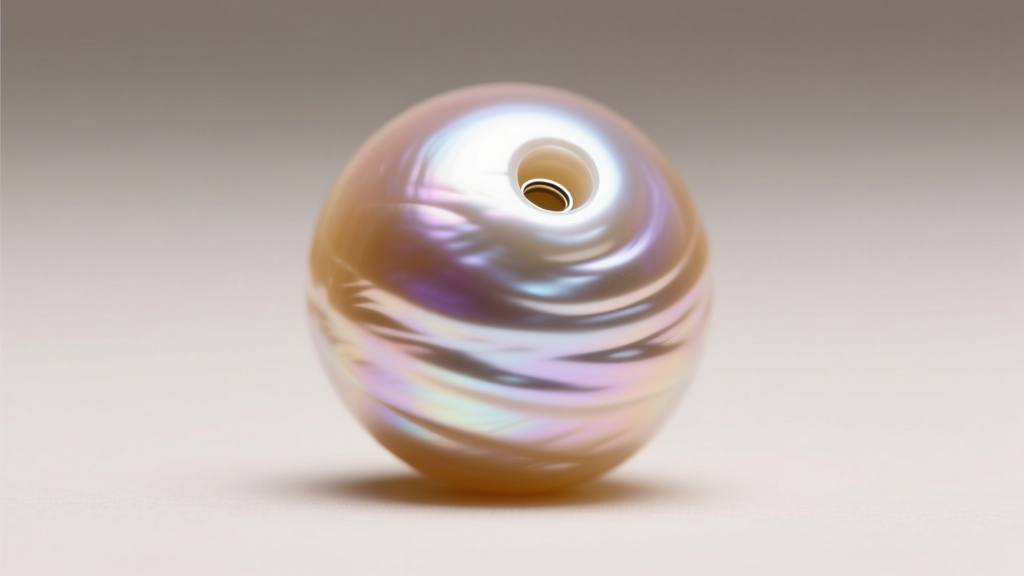
Because flat pearls lack a uniform center of gravity, how they are drilled drastically affects how they hang on a necklace strand. Center-drilled flat pearls are pierced straight through the middle, allowing them to lay flat against the collarbone like sequins. Top-drilled flat pearls are pierced at the narrowest edge, causing them to hang like tiny, irregular pendants or briolettes. When buying a flat pearl necklace, inspect the drill holes: they should be clean, smooth, and free of jagged nacre chipping, which indicates poor manufacturing techniques.
How to Buy: Grading and Quality Markers
Shopping for baroque and flat pearls requires a different grading mindset than shopping for rounds. According to the Gemological Institute of America (GIA), pearl value is determined by size, shape, color, luster, surface quality, and nacre thickness. However, because symmetry is inherently absent in flat pearls, you must completely ignore shape uniformity and focus entirely on the remaining factors.
- Luster: This is the most critical value factor. High-quality flat pearls should exhibit a sharp, mirror-like luster where you can clearly see your reflection on the surface. Avoid pearls that look chalky, dull, or cloudy.
- Surface Quality: While minor ripples and grooves are expected and add to the organic charm, the pearl should be free of deep pits, cracks, or chalky white dead spots.
- Nacre Thickness: Because tissue-nucleated freshwater pearls are 100% nacre, you never have to worry about the nacre peeling away to reveal a shell bead underneath. This makes them virtually indestructible compared to thin-nacre saltwater rounds.
For a deeper dive into how these unique shapes are evaluated, the Pure Pearls Grading System offers excellent visual benchmarks for identifying "Gem Grade" baroque and keshi pearls, emphasizing luster and surface cleanliness over impossible symmetry.
Pricing Tiers for Freshwater Flats
While generally more affordable than round saltwater pearls, flat pearl necklaces still span a wide pricing spectrum based on luster and size:
- Commercial Grade ($40 - $90): Smaller coins (6mm-8mm) with moderate luster and visible surface blemishes. Often heavily processed or dyed.
- Gem Grade ($120 - $250): Medium to large coins (9mm-14mm) with sharp, mirror-like luster, clean surfaces, and natural, untreated white or pastel colors.
- Collector / Edison Flats ($300+): Rare, oversized flat keshi pearls with intense metallic luster and unique color overtones (like deep purples or metallic bronzes).
Styling Frameworks for Everyday Wear

The asymmetrical nature of a flat pearl necklace makes it a masterclass in effortless, modern styling. However, their unique geometry presents a specific styling challenge: the flip. Because flat pearls are lightweight and irregularly shaped, longer strands (20 inches or more) tend to tangle or flip around to the back of the neck.
The 16-Inch Choker Solution: To prevent the necklace from shifting, opt for a 16-inch or 17-inch length. This choker-style fit keeps the flat pearls resting securely on the clavicle, allowing them to lay flat and showcase their rippled textures without tangling.
The Mixed-Media Stack: Flat pearls pair beautifully with metallic chains. Try layering a 16-inch flat pearl strand with an 18-inch delicate gold cable chain and a 20-inch gold snake chain. The contrast between the organic, matte-adjacent ripples of the pearl and the sharp, reflective lines of the gold creates a rich, multi-dimensional look that elevates a simple t-shirt or silk blouse.
Maintenance: Protecting the Nacre
Even though flat freshwater pearls are incredibly durable due to their solid nacre composition, they are still organic gems that require specific care. Never use ultrasonic jewelry cleaners or steam cleaners, as the high-frequency vibrations can cause micro-fractures along the drill holes.
Follow the golden rule of pearl wear: Last on, first off. Put your flat pearl necklace on after applying perfumes, hairsprays, and lotions, as the chemicals and alcohols can degrade the pearl's natural luster over time. After wearing, gently wipe the strand with a clean, dry microfiber cloth to remove skin oils and acidity before storing it in a soft pouch away from harder gemstones that could scratch the surface.
Conclusion
A flat pearl necklace is more than just a trend; it is a celebration of nature's beautiful imperfections. By understanding the tissue-nucleation process, prioritizing mirror-like luster over symmetry, and selecting the correct 16-inch length to prevent tangling, you can confidently invest in a piece that is both structurally durable and endlessly stylish. Whether you are building your first curated jewelry stack or adding an organic element to your existing collection, flat pearls offer an accessible, modern entry point into the world of fine gemology.


