Finding the Free Willy Necklace From Movie: Replica & Repair Guide
Hunt for the Free Willy necklace from movie? Learn to source vintage 1993 originals, avoid cheap knockoffs, and commission screen-accurate custom replicas.

The Enduring Allure of 90s Cinematic Jewelry
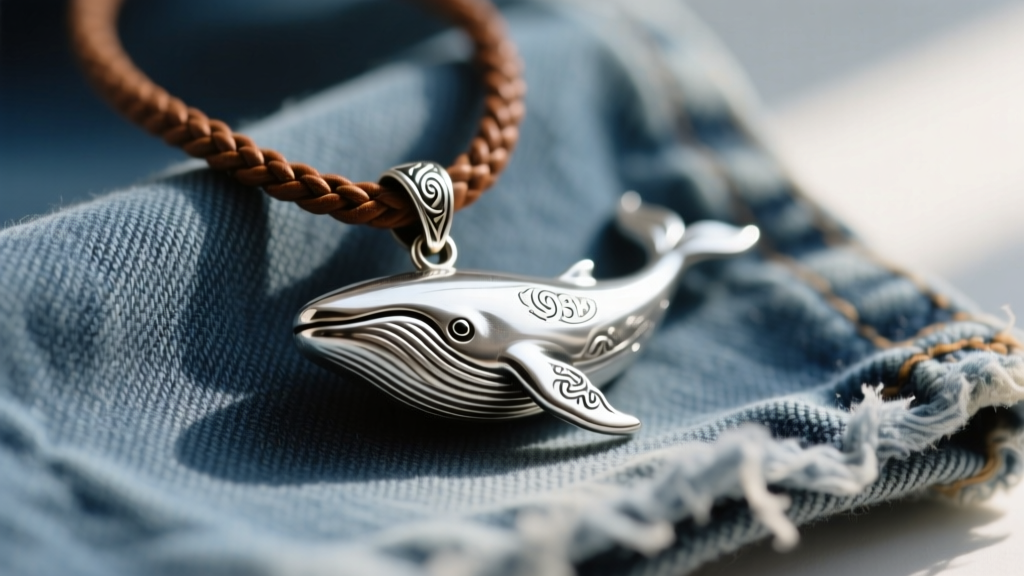
For many jewelry enthusiasts and pop-culture collectors, the Free Willy necklace from movie merchandise represents a highly specific, deeply nostalgic holy grail. Released in 1993, the film featured the protagonist, Jesse, wearing a distinctive, weathered marine totem pendant on a simple leather cord. Unlike the mass-produced, high-gloss superhero merchandise of today, 1990s cinematic jewelry often possessed a raw, artisanal quality that resonated with the grunge and earthy aesthetics of the decade. However, tracking down this specific piece today presents a unique set of metallurgical and sourcing challenges. Whether you are trying to authenticate a vintage 1993 find, avoid modern drop-shipped traps, or commission a screen-accurate replica, this troubleshooting guide will help you navigate the complexities of cinematic jewelry restoration and recreation.
Problem 1: The Metallurgical Decay of 1993 Vintage Merchandise
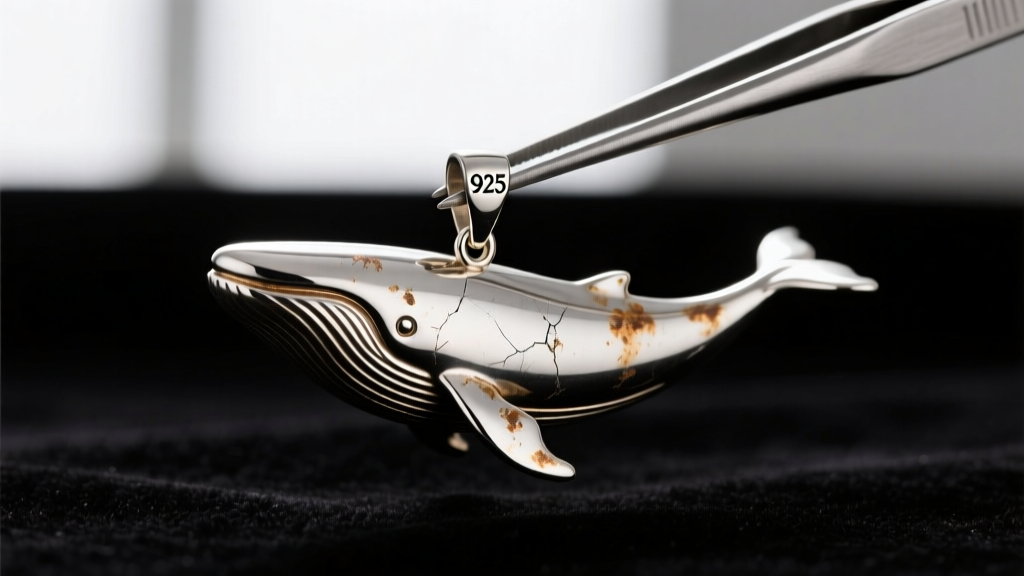
The primary issue with sourcing an original Free Willy necklace from movie merchandising runs is the degradation of 1990s base metals. Official studio merchandise from that era was rarely cast in precious metals. Instead, jewelers utilized pewter (a tin-based alloy) or Zamak (a zinc alloy containing aluminum, magnesium, and copper). While Zamak is cheap and easy to cast, it is highly susceptible to a destructive phenomenon known as "zinc pest.Over three decades, trace impurities in the zinc alloy cause intergranular corrosion, leading the pendant to become brittle, swell, and eventually crumble into a gray powder.
If you are hunting on platforms like eBay, Etsy, or Depop, you must carefully scrutinize seller photos for the warning signs of zinc pest:
- Surface Pitting: Small, crater-like blemishes that cannot be polished away.
- Micro-Fractures: Hairline cracks, particularly around the bail (the loop where the cord threads through) or the clasp jump rings.
- Weight Discrepancies: Zamak is surprisingly heavy. If a seller claims a piece is "vintage silver" but it lacks a 925 stamp and feels unusually dense, it is likely degrading zinc alloy.
When you find a surviving original in good condition, expect to pay a premium—typically between $150 and $350, depending on the inclusion of original 1993 Warner Bros. packaging. To verify the metal, use a rare-earth magnet; pewter and zinc alloys are non-magnetic, whereas cheap modern steel knockoffs will stick immediately.
Problem 2: Navigating the Modern Knockoff Minefield
Because the original Free Willy necklace from movie inventory is virtually extinct, the market is flooded with unauthorized, low-quality replicas. These modern knockoffs are often manufactured using cheap pot metal and electroplated with a microscopic layer of silver that wears off within weeks, leaving the wearer with a green-stained neckline. Below is a troubleshooting matrix to help you identify what you are actually buying online.
| Category | Material Composition | Average Price Range | Lifespan & Failure Modes |
|---|---|---|---|
| Vintage 1993 Original | Pewter or Zamak (Zinc Alloy) | $150 - $350 | High collector value, but prone to zinc pest and bail snapping. |
| Modern Drop-Shipped Replica | Brass core with flash silver plating | $12 - $25 | Plating wears off in 3-6 months; causes skin discoloration and allergic reactions. |
| Custom 925 Commission | Solid 925 Sterling Silver | $180 - $300 | Lifetime durability; develops a natural, screen-accurate patina over time. |
To avoid the modern traps, always demand macro-photography of the pendant's bail and the clasp. If the jump ring connecting the clasp to the leather cord is soldered shut with sloppy, uneven soldering, or if the metal has a yellowish tint where the plating has rubbed off, walk away.
Problem 3: Commissioning a Screen-Accurate Custom Replica
Given the scarcity of surviving originals and the poor quality of mass-market fakes, the most reliable troubleshooting strategy is to commission a bespoke replica from an independent jeweler or a specialized prop-replication studio. According to the Gemological Institute of America (GIA), 925 sterling silver is the ideal medium for this, as it contains 92.5% pure silver and 7.5% copper, providing the necessary durability for daily wear while allowing for the dark, oxidized antiquing seen on screen.
When briefing your jeweler, provide the following exact specifications to ensure screen accuracy:
- Dimensions: The pendant should measure approximately 1.25 inches in length and 0.75 inches in width, with a thickness of 2.5mm to give it a substantial, weighted feel.
- Casting Method: Request lost-wax casting. This traditional method captures organic textures and slight imperfections that mimic the original 1993 piece, avoiding the sterile, hyper-smooth look of modern 3D-printed resin casts.
- The Bail: The movie prop featured a semi-hidden, tapered bail. Ensure the inner diameter of the bail is at least 4mm to accommodate a thick leather cord without causing friction wear.
- Antiquing: Ask the jeweler to apply a liver of sulfur patina and then hand-polish only the high-relief areas, leaving the recesses dark to replicate the weathered, ocean-battered look of the cinematic prop.
Troubleshooting Cord Rot and Clasp Failure
The most common point of catastrophic failure for any pendant on a leather cord is the degradation of the cord itself. Human sweat contains lactic acid, urea, and salts, which aggressively break down the collagen fibers in standard leather. If you wear your replica daily, the leather will eventually dry out, crack, and snap—often resulting in the loss of the pendant.
To solve this, upgrade the cord during your custom commission or when restringing a vintage find:
- Material Upgrade: Replace standard cowhide with a 3mm or 4mm braided calf leather cord that has been treated with natural beeswax. The wax acts as a hydrophobic barrier against sweat and salt water.
- Hardware Upgrades: Discard the flimsy lobster clasps used in the 90s. Upgrade to a 14-gauge 316L stainless steel or solid silver toggle clasp. Toggle clasps distribute weight more evenly and are far less likely to accidentally unhook when caught on a shirt collar.
- Jump Ring Security: Ensure the jeweler uses heavy-duty, 18-gauge jump rings that are fully soldered shut. An unsoldered jump ring will eventually pull apart under the pendulum weight of a solid silver pendant.
Long-Term Maintenance and Patina Control
Maintaining the rugged, cinematic aesthetic of the Free Willy necklace from movie replica requires a counter-intuitive approach to silver care. Standard commercial silver dips contain thiourea, a harsh chemical that strips away all oxidation, leaving the piece blindingly white and entirely inaccurate to the movie prop.
Instead, follow the guidelines recommended by Jewelers of America for antique and oxidized finishes. Clean the piece using only a mild, phosphate-free dish soap and a soft-bristled baby toothbrush to remove skin oils and environmental grit from the deep crevices of the casting. When drying, pat it gently with a microfiber cloth rather than rubbing, which can accidentally polish the dark patina out of the recessed areas. If the high points become too dull, use a specialized jeweler's polishing cloth lightly, focusing only on the raised edges to maintain the high-contrast, weathered topography that makes this specific cinematic pendant so iconic.


