Thorn Necklace and Hummingbird Frida Kahlo: Safe Jewelry Guide
Troubleshoot wearing the iconic thorn necklace and hummingbird Frida Kahlo motif. Discover safe materials, chain gauges, and styling tips.

The Intersection of Art History and Wearable Jewelry
Frida Kahlo’s 1940 masterpiece, Self-Portrait with Thorn Necklace and Hummingbird, remains one of the most visceral and heavily analyzed works of the 20th century. The painting features Kahlo wearing a choker of sharp thorns that pierce her skin, from which hangs a lifeless hummingbird. For jewelry enthusiasts and art historians alike, the desire to translate this powerful imagery into a wearable piece is strong. However, transforming a literal instrument of pain into a comfortable, safe, and structurally sound necklace requires serious problem-solving.
When searching for a thorn necklace and hummingbird Frida Kahlo inspired piece, buyers often encounter fast-fashion replicas that cause contact dermatitis, chokers that scratch the clavicle, and delicate chains that snap under the weight of heavy pendants. This guide troubleshoots the most common issues associated with artistic, spike-motif jewelry and provides a framework for sourcing or commissioning a piece that honors the art without compromising your skin or wardrobe.
"The hummingbird charm was originally a gift from her lover, Nickolas Muray, meant as a good luck talisman. In Aztec mythology, fallen warriors were reincarnated as hummingbirds, tying the motif deeply to themes of sacrifice and resilience." — BBC Culture
Troubleshooting the 'Thorn' Factor: Comfort and Safety
The most immediate problem with any thorn-motif choker is the physical hazard of the spikes. In Kahlo’s painting, the thorns draw blood. In reality, a poorly designed spike choker will snag on knitwear, scratch your neck when you turn your head, or cause micro-abrasions that lead to infection.
1. Blunting and Curving the Spikes
Never wear a necklace with needle-sharp points against bare skin. When commissioning or buying a thorn choker, look for blunted tips (filed down to a smooth, rounded dome) or inward-curving thorns that mimic the aggressive aesthetic but point away from the carotid artery and jugular vein. Custom jewelers can use CAD (Computer-Aided Design) modeling to ensure the spikes follow the natural convex curve of the neck, leaving a 3mm to 5mm clearance between the metal points and the skin.
2. The Velvet and Silicone Backing Solution
If you already own a rigid metal thorn choker that irritates your skin, troubleshoot the friction by adding a barrier. Adhesive-backed velvet strips (commonly used for ring boxes) can be cut and applied to the interior band. Alternatively, sliding a clear, medical-grade silicone O-ring tubing over the thickest part of the choker’s base wire will create a flexible, skin-safe buffer that prevents the metal from digging into your collarbone.
Solving the Heavy Pendant Problem: Chains and Clasps
The hummingbird pendant in tribute pieces is often cast in solid metals to capture intricate feather details. A detailed 30mm hummingbird cast in solid brass or silver can easily weigh between 15 and 25 grams. Standard fashion jewelry chains are entirely unequipped to handle this torque.
Chain Gauge and Tensile Strength
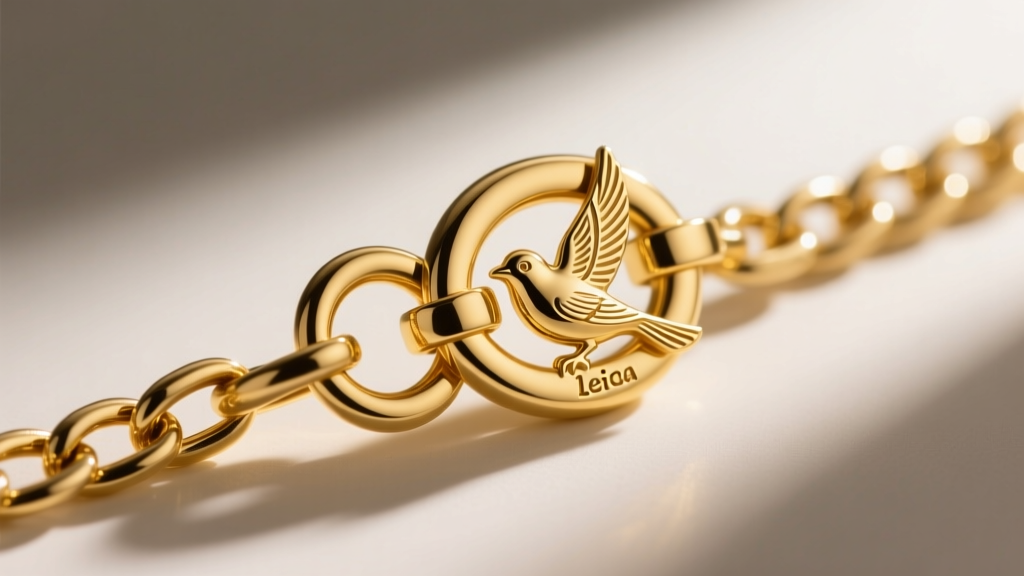
Most replica necklaces use 20-gauge or 18-gauge cable chains. Under the pendulum-like swing of a heavy bird pendant, these thin links will stretch, warp, and eventually snap at the solder points. The Fix: Upgrade to a 14-gauge or 12-gauge chain (approximately 1.6mm to 2.0mm in thickness). Opt for structural chain styles like the box chain, Wheat chain, or curb chain, which distribute weight laterally across multiple interlocking planes rather than relying on single vertical links.
Upgrading the Clasp Mechanism
A standard lobster clasp is a point of failure for heavy pendants; the lever can catch on hair or clothing, pulling the spring mechanism open. The Fix: Replace the lobster clasp with a box clasp featuring a figure-eight safety wire. The box clasp locks securely into place, and the figure-eight wire acts as a secondary fail-safe. If the primary clasp is accidentally depressed, the safety wire catches on the opposing jump ring, preventing the loss of your pendant.
Material Breakdown: Avoiding Contact Dermatitis
Because a choker sits tightly against the pulse points of the neck—where skin is thin and perspiration is common—metal allergies are a primary concern. The American Academy of Dermatology frequently identifies nickel as the leading culprit in jewelry-induced contact dermatitis. Many cheap 'gothic' or 'artistic' spike necklaces are cast from zinc alloys or low-grade brass that leach nickel and copper into the skin, causing green stains and severe rashes.
| Material Grade | Nickel Risk | Durability & Tarnish | Estimated Custom Price |
|---|---|---|---|
| ASTM F136 Implant-Grade Titanium | Zero (Hypoallergenic) | Exceptional; will not tarnish | $150 - $350 |
| 316L Surgical Stainless Steel | Low (Contains trace nickel) | High; requires occasional polishing | $45 - $120 |
| Solid 14k or 18k Yellow Gold | Low (Depends on alloy mix) | Excellent; heirloom quality | $600 - $1,500+ |
| Zinc Alloy / Pot Metal | High (Severe allergy risk) | Poor; turns skin green, degrades | $15 - $40 |
Expert Recommendation: For a piece that mimics the dark, oxidized aesthetic of thorns without the allergy risk, request black rhodium plating over solid sterling silver or white gold. Black rhodium provides a gunmetal, thorn-like finish that is highly durable and generally safe for sensitive skin, unlike cheap black enamel or painted alloys that chip and expose base metals.
How to Commission a Custom Tribute
Finding a historically accurate yet physically comfortable thorn necklace and hummingbird Frida Kahlo piece off-the-rack is nearly impossible due to the niche nature of the design. Commissioning a custom piece from an independent metalsmith or a specialized Etsy artisan is the most reliable route.
- The Bail Mechanics: Ensure the jeweler designs a 'hidden bail' or a wide, tapered loop at the top of the hummingbird. A narrow bail will cause the heavy pendant to flip upside down constantly as it seeks equilibrium on the chain.
- The Thorn Integration: Ask the jeweler to cast the thorns and the base chain as a single, continuous piece using the lost-wax casting method, rather than soldering individual sharp spikes onto a wire. This eliminates weak solder joints that can snap under tension.
- Ethical Sourcing: According to the Museo Frida Kahlo, her legacy is deeply tied to Mexican heritage and indigenous craftsmanship. Consider commissioning a silversmith based in Taxco, Mexico, a city world-renowned for its generational silver-smithing and intricate metalwork, to add a layer of cultural authenticity to your piece.
Styling the Motif for Modern Wardrobes
The visual weight of a thorn choker paired with a detailed bird pendant is immense. It requires careful styling to ensure the jewelry remains the focal point without overwhelming your silhouette.
Neckline Pairings
Avoid wearing this necklace with high collars, turtlenecks, or busy, ruffled blouses. The thorns will snag on loose threads, and the visual clutter will obscure the pendant. Instead, pair the choker with:
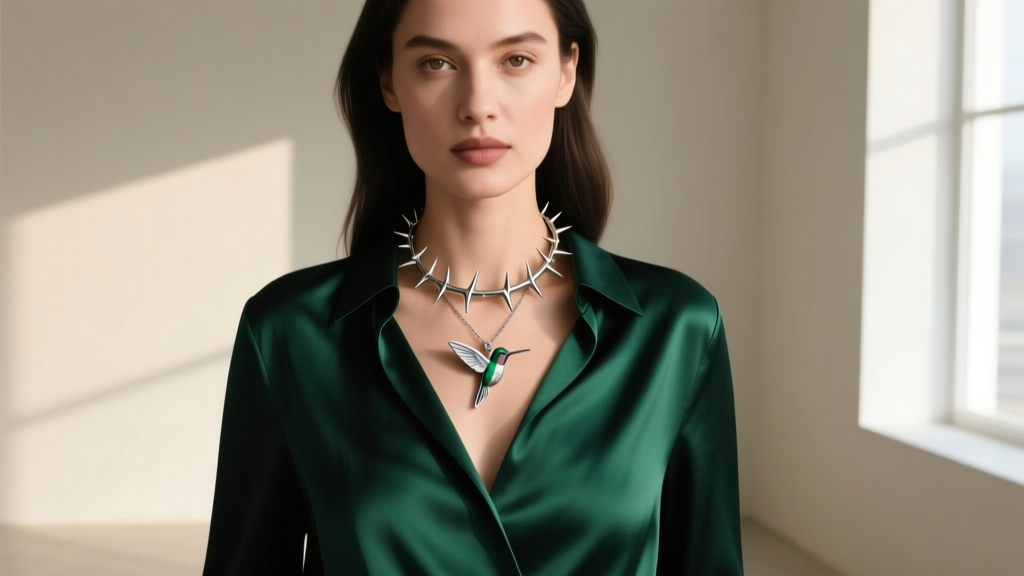
- Deep V-Necks: Elongates the neck and provides a framed canvas for the hummingbird to rest against the sternum.
- Off-the-Shoulder Tops: Exposes the clavicle, allowing the thorn motif to wrap elegantly around the bare neck without competition.
- Structured Blazers: For a high-fashion, avant-garde look, wear the oxidized silver thorn choker over a crisp, black lapel. The contrast between the aggressive jewelry and the sharp tailoring creates a striking, modern homage to Kahlo’s own defiance of traditional gender norms in fashion.
Final Thoughts on Wearable Art
Translating the thorn necklace and hummingbird Frida Kahlo imagery into a physical accessory is an exercise in balancing profound artistic symbolism with the biomechanical realities of jewelry design. By prioritizing implant-grade metals, upgrading your chain gauges, and engineering blunted, skin-safe spikes, you can wear a tribute to one of history's greatest artists comfortably and safely. True homage lies not just in replicating the aesthetic, but in respecting the craftsmanship required to make art a part of your daily life.


